Featured High-Performance 3D Printing Polymers
Engineered for high dimensional stability, exceptional layer cohesion, and industrial rigidity across European markets.
The Industrial Ecosystem of PETG-CF Manufacturing in Italy
Strategic deployment of carbon fiber composites throughout Italy's world-class engineering clusters.
Italy represents one of Europe's most vibrant ecosystems for advanced additive manufacturing, precision tooling, and specialized polymer synthesis. Regions like Emilia-Romagna (famed as Motor Valley), Lombardy, Piedmont, and Veneto have increasingly integrated carbon-fiber-reinforced polymers (CFRP) into localized rapid manufacturing setups. As engineering requirements demand materials with lower warpage, superior mechanical durability, and elevated heat deflection temperatures, PETG-CF (Polyethylene Terephthalate Glycol reinforced with micro-carbon fiber) has emerged as an indispensable workhorse.
Unlike unfilled PETG or standard PLA, PETG-CF combines the chemical resistance, weather resilience, and structural usability of copolyesters with the high tensile strength, stiffness, and matte finish provided by chopped high-modulus carbon fibers. Italian tooling workshops, automated packaging manufacturers, and motorsport R&D centers leverage PETG-CF filaments to prototype rapid tooling, manufacture lightweight end-use brackets, and fabricate functional jigs with tight dimensional precision.
Motorsport & Automotive
Emilia-Romagna’s racing and automotive clusters utilize PETG-CF for functional air ducts, custom mounting brackets, aerodynamic testing parts, and track-side functional prototypes needing high thermal stability.
Industrial Robotics & Fixtures
Northern Italy’s automation machinery manufacturers deploy carbon-filled copolyesters for End-of-Arm Tooling (EOAT), reducing inertia while maintaining high rigidity and structural integrity.
Marine & Nautical Equipment
With an extensive coastline and elite nautical construction hubs in Liguria and Tuscany, PETG-CF serves onboard custom components due to its resistance to moisture absorption, salts, and UV degradation.
Market Trends & Structural Evolution of PETG Carbon Fiber Composites
How technological iteration and environmental standards are reshaping filament production.
The additive manufacturing landscape in Southern Europe is experiencing a transition from rapid prototyping to direct functional production. This paradigm shift requires materials to meet stringent ISO specifications, RoHS/REACH compliance, and low volatile organic compound (VOC) emissions during melting. In this framework, Italian industry demands for PETG-CF can be analyzed across three major evolutionary trajectories:
1. Advanced Fiber Dispersion & Surface Finish
Standard carbon fiber filaments frequently suffer from inconsistent fiber lengths, leading to localized agglomeration and nozzle clogs. Next-generation extrusion lines implement dual-screw compounding that optimizes aspect ratios, ensuring chopped carbon fibers disperse homogeneously within virgin PETG matrix resins. This process yields a non-reflective, satiny cosmetic surface that suppresses layer lines, making components directly deployable without extensive sanding, filling, or coating.
2. Low Shrinkage and Isotropic Dimensional Control
Carbon fibers naturally reduce thermal expansion along the extrusion vector. As a result, PETG-CF displays near-zero shrinkage and significantly reduced warp compared to ABS or Nylon. In large-format additive manufacturing (LFAM) platforms operating throughout Italian industrial centers, maintaining precise planar dimensions without an actively heated enclosed chamber allows production plants to slash both operational energy costs and equipment investments.
3. Circularity and Recyclability Under European Regulations
Environmental standards enforced by the EU have driven Italian industrial manufacturers to prioritize polymers with clear life-cycle profiles. Glycol-modified PET offers easier handling and recyclability compared to fluoropolymers or heavily filled styrenics. Modern extrusion factories actively explore sustainable sourcing of carbon fibers, including post-industrial recycled carbon fibers (rCF), balancing carbon footprints with exceptional structural performance.
| Material Profile | Tensile Strength (MPa) | Flexural Modulus (GPa) | Heat Deflection Temp (HDT @ 0.45MPa) | Key Application Sector |
|---|---|---|---|---|
| Industrial PETG-CF | 68 - 78 | 5.8 - 6.5 | 78°C - 85°C | Automation Jigs, Drone Arms, Lightweight Brackets |
| Standard PETG | 45 - 52 | 2.1 - 2.4 | 68°C - 72°C | Fluid Containers, Clear Housings, Signage |
| Technical ABS | 38 - 45 | 2.2 - 2.5 | 85°C - 92°C | Automotive Interiors, Enclosures, Consumer Goods |
| High-Strength PLA | 55 - 62 | 3.5 - 3.8 | 52°C - 58°C | Concept Models, Ergonomic Mockups, Tooling Patterns |
Manufacturing Rigor & Factory Quality Control
Certified production protocols ensuring micron-level consistency for international delivery.
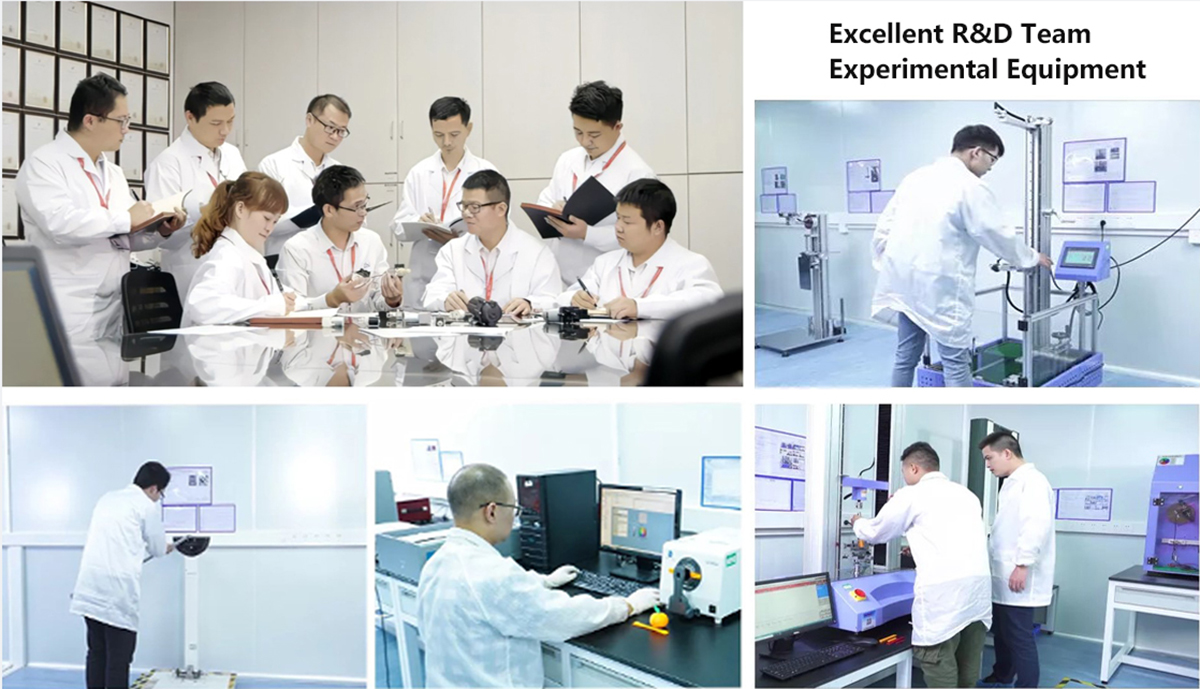
Quality Control
The factory area has passed ISO45001 occupational health and safety management system certification. Every new employee must be experienced one week of safety production knowledge teaching and two weeks of produce skills training, and master every course in the production process. Who is in the position will be responsible for its duty.
Continuous operational audits enforce strict safety, material traceability, and clean environment parameters required to formulate high-grade 3D filaments with uniform mechanical integrity across every single batch.
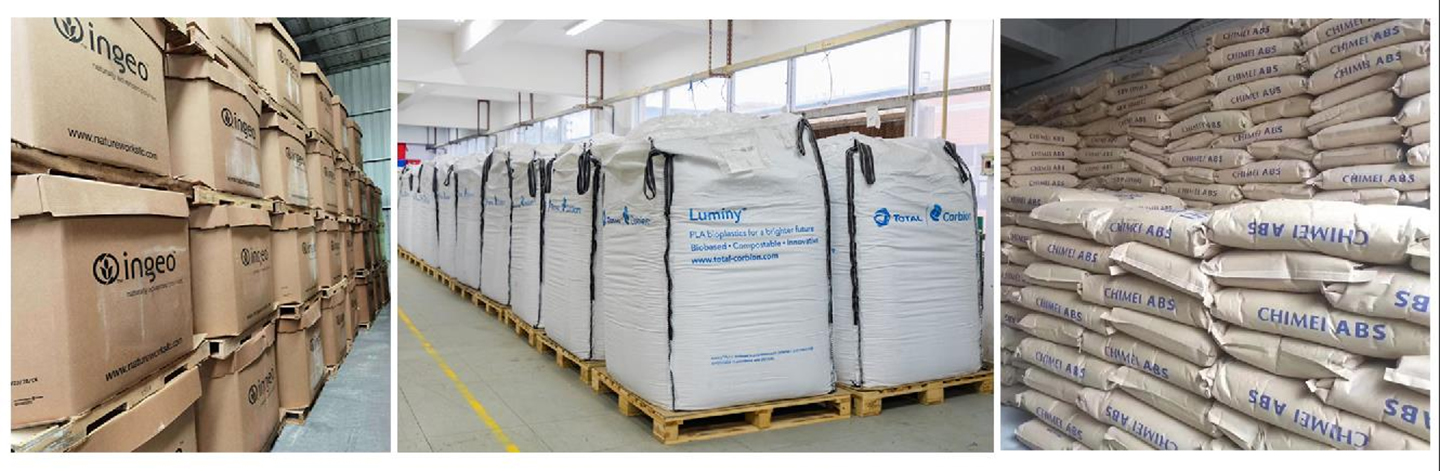
Raw Material
PLA is the most preferred material for 3D printing, Torwell firstly chooses PLA from US NatureWorks, and Total-Corbion is the alternative. ABS from TaiWan ChiMei, PETG from South Korea SK. Each batch of main raw materials comes from the partners who has cooperated more than 5 years to ensure the reliability of the products from the source. Each batch of raw materials will undergo parameters inspection before produce to ensure that raw materials are original and virginal.
By coupling premium copolyester pellets with specialized reinforcement fibers, our manufacturing matrix provides optimal surface adhesion and prevents unspooling inconsistencies.
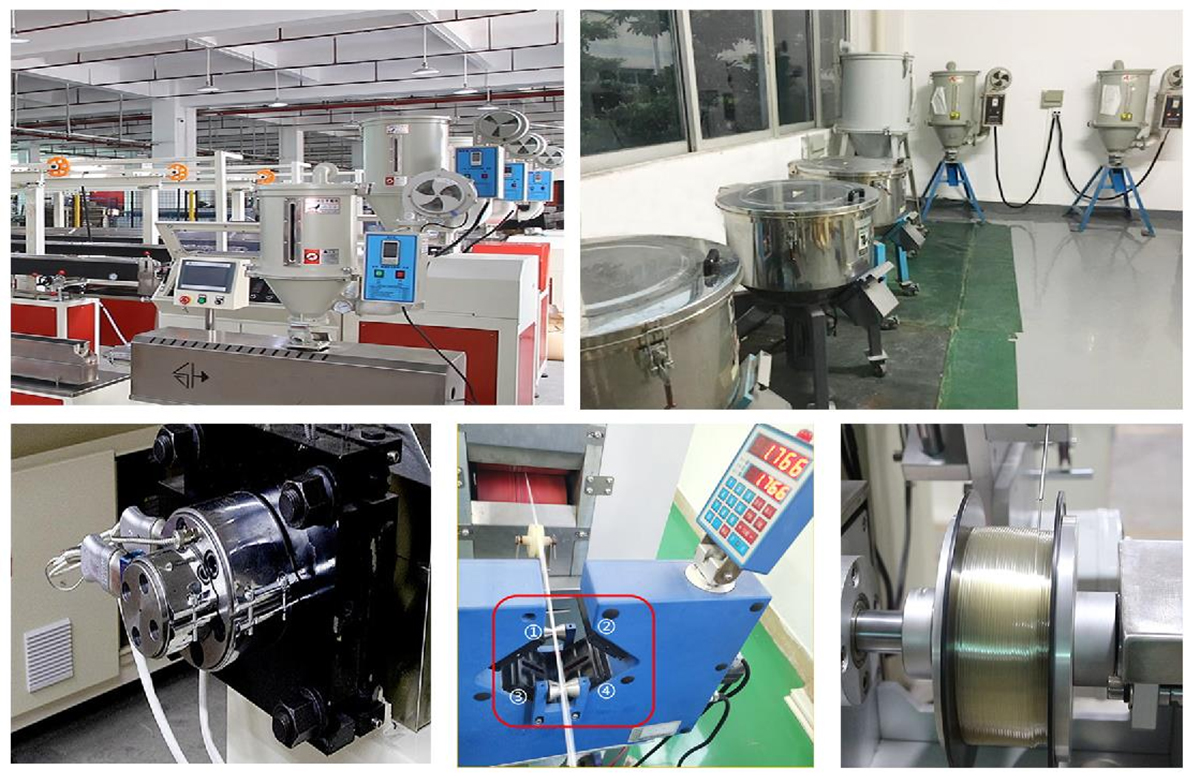
Equipment
The manufacturing workshop will make arrangements after the inspection of raw materials, at least two engineers cross-check the clearance of mixing tank, color mixed of material, humidity from hopper dryer, temperature of extruder, hot/cool tank, and trial-produce and debugging the produce line to make sure all of processes in the best condition. Maintain the filament Diameter tolerance +/- 0.02mm, Roundness tolerance +/- 0.02mm.
High-precision laser gauging monitors the extrusion line continuously, assuring smooth feeding and jam-free prints across desktop, industrial, and high-speed coreXY systems.
Final Inspection
After each batch of 3D filament is produced, two quality inspectors will conduct random inspections on each batch of finished products in accorce with the requirements of the standard, such as diameter tolerance, color consistency, strength and toughness and so on. After vacuuming the package, place them for 24 hours to check whether there is any leaking package, then label it and finish the package.
This moisture-barrier packaging ensures that filaments arrive in pristine condition, ready to yield top-tier mechanical output immediately after unboxing.
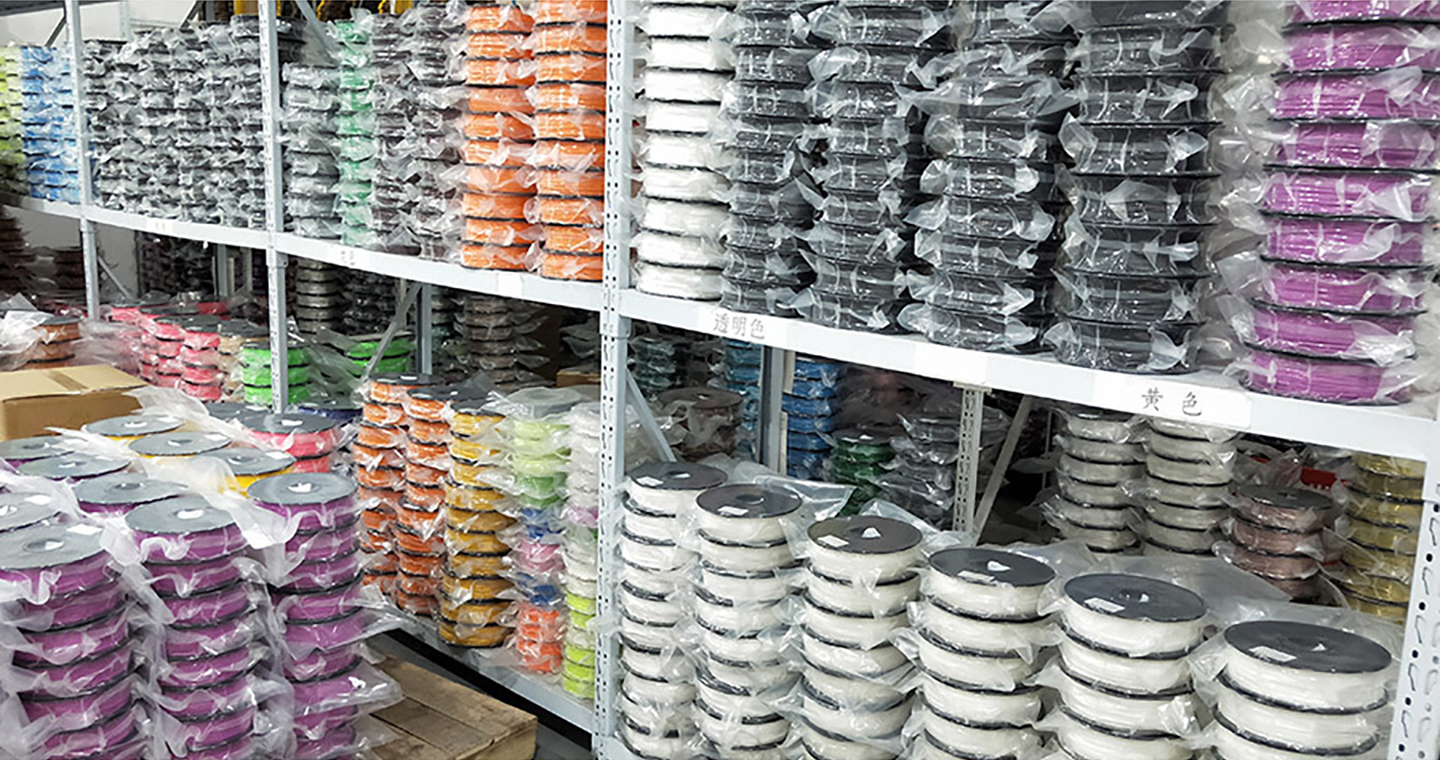
Comprehensive Additive Manufacturing Product Range
Complete filament solutions designed for research labs, prototyping studios, and serial production plants.