ASA & High-Performance 3D Filament for Drone Frames
Explore our top-rated filaments engineered for structural drone components, delivering exceptional strength, weather resistance, and dimensional accuracy.
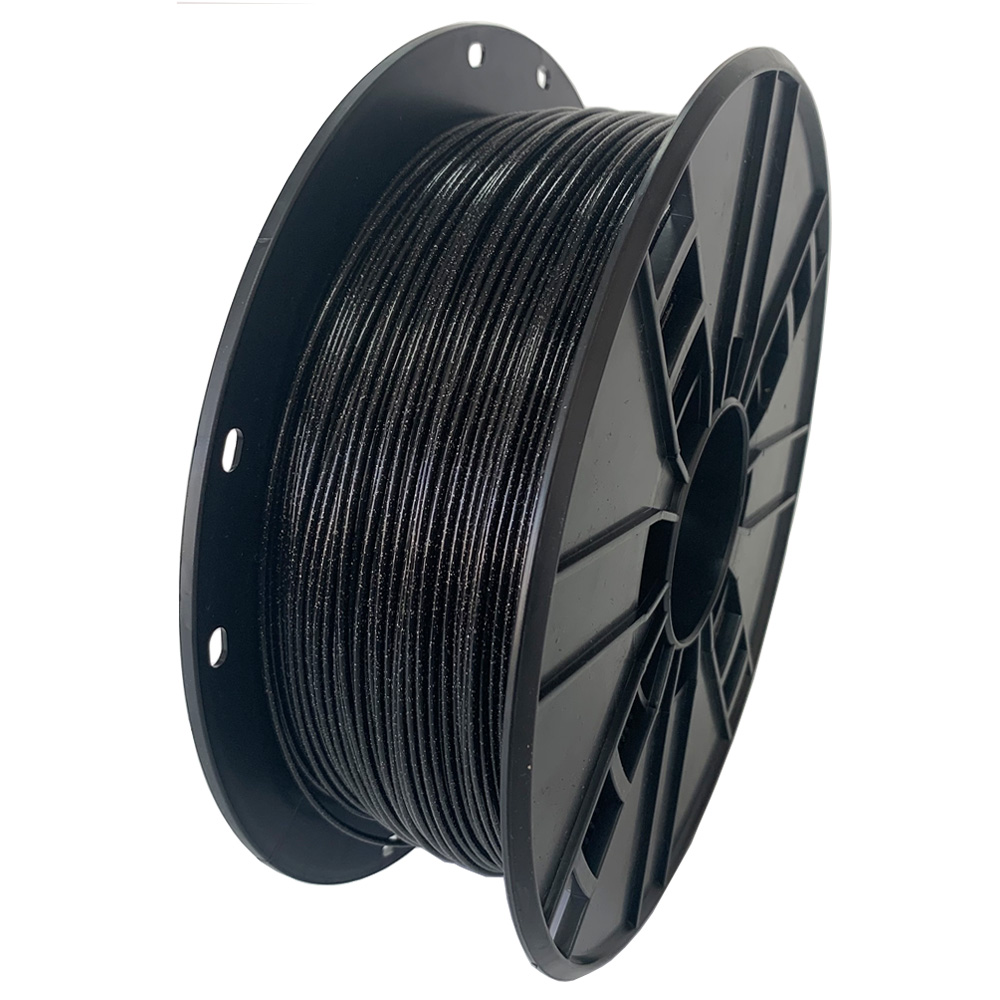
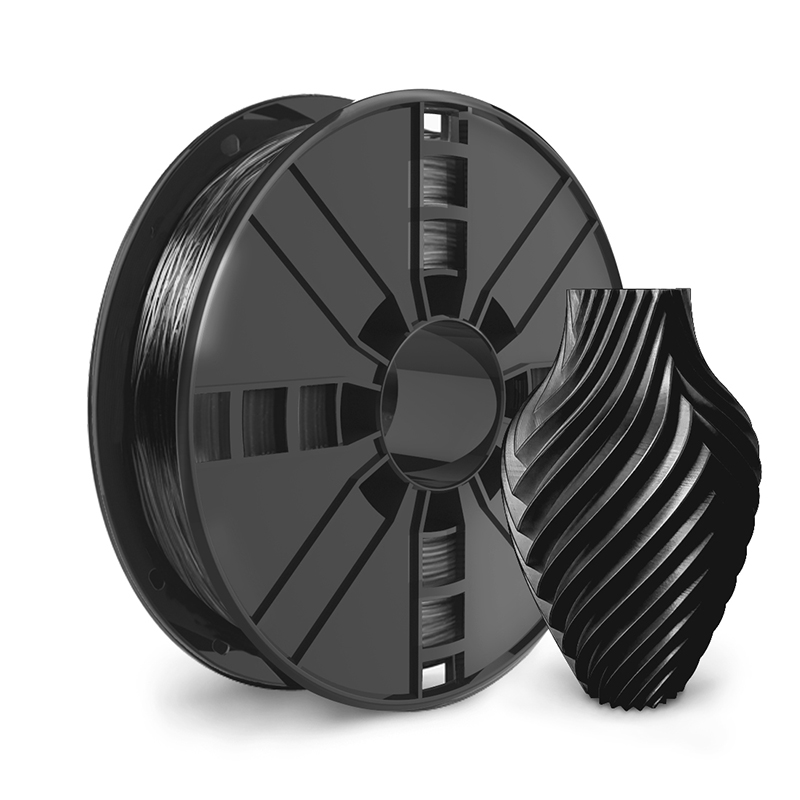
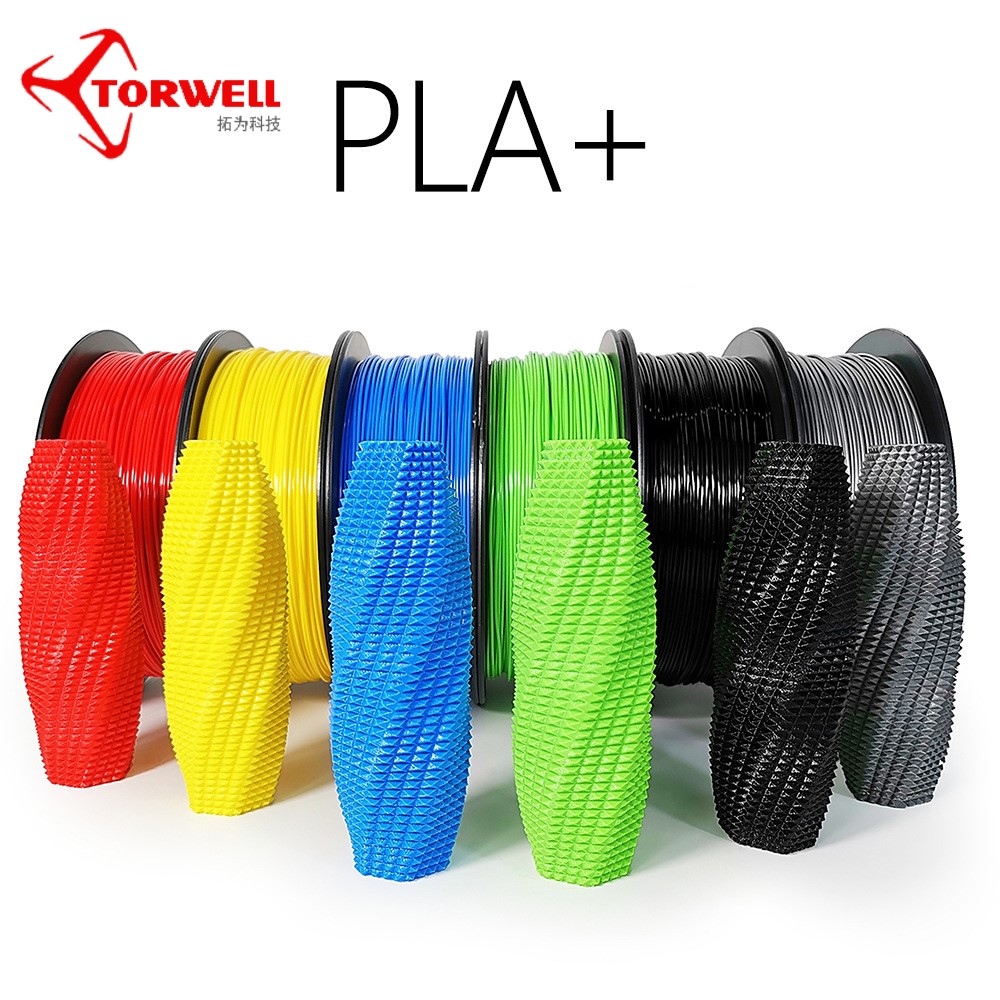
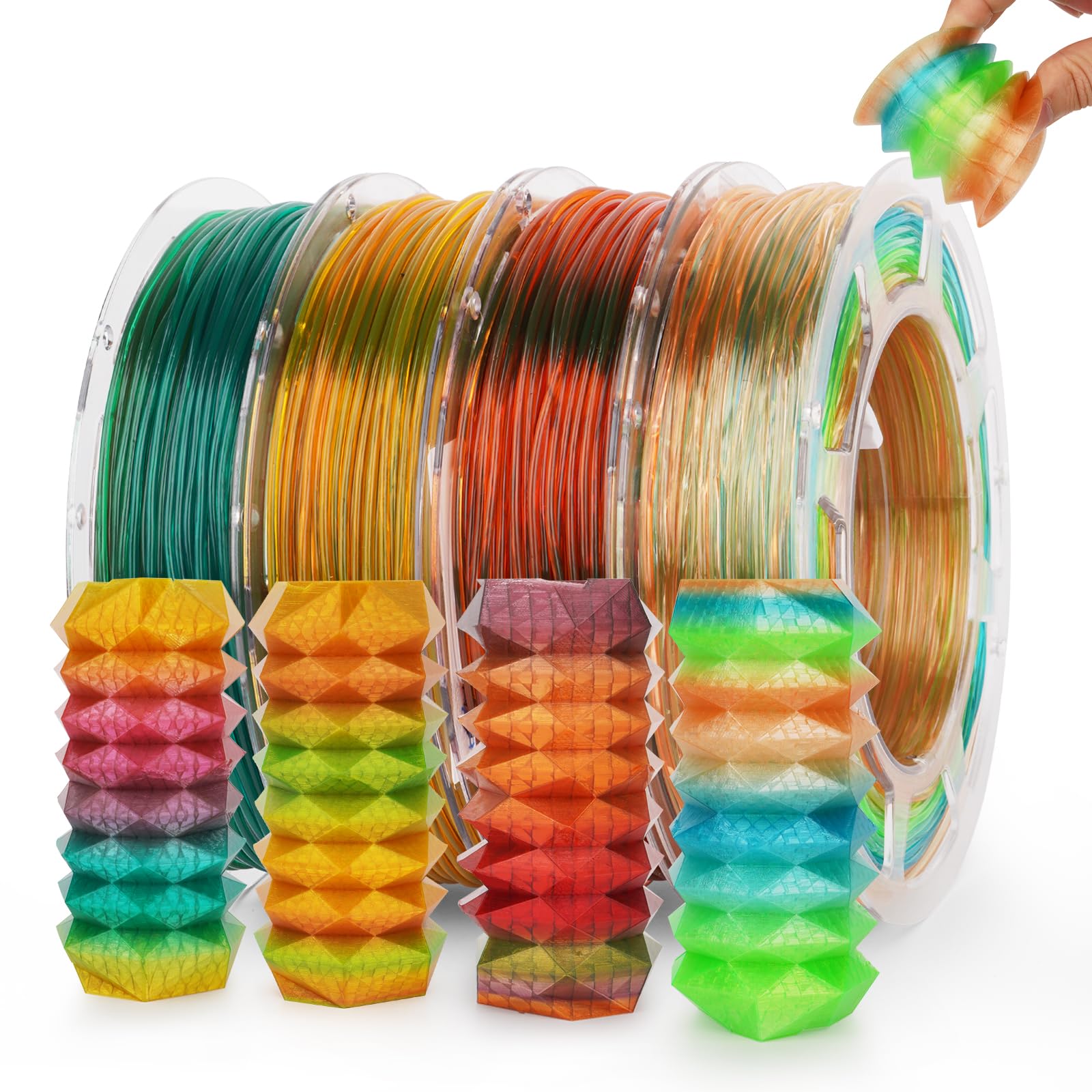
Why ASA 3D Printing Material Is Ideal for High-Strength Drone Structural Frames
ASA (Acrylonitrile Styrene Acrylate) is a high-performance thermoplastic polymer widely used in demanding engineering applications. Sharing a similar chemical structure to ABS, ASA goes significantly further by integrating acrylate rubber components that dramatically boost its resistance to UV radiation, outdoor weathering, and temperature fluctuations.
When it comes to drone structural frames — especially those deployed in outdoor surveillance, delivery logistics, agricultural monitoring, and defense — material selection is mission-critical. Drones must endure mechanical stress, vibration, thermal cycling, and prolonged UV exposure. ASA 3D printing filament addresses all of these challenges with unmatched consistency and reliability.
Industry Insight: The global drone market is projected to surpass $58 billion by 2028. Lightweight, high-strength 3D printed structural frames using ASA are becoming the standard for commercial and industrial drone manufacturing, reducing production cycles by up to 60% compared to traditional CNC machining.
Unlike standard ABS or PLA, ASA offers a remarkable combination of impact resistance, surface hardness, and colorfast stability — making it the go-to choice for engineers designing next-generation drone airframes that must perform reliably in harsh real-world environments.
Key Technical Advantages of ASA for Drone Frame Applications
ASA filament delivers a comprehensive suite of engineering properties that make it uniquely suited for high-stress drone structural applications.
Superior UV Resistance
ASA retains up to 95% of its mechanical properties after prolonged outdoor UV exposure — critical for drones operating in sunlit environments without surface degradation or color fading.
Thermal Stability
With a heat deflection temperature up to 98°C, ASA maintains structural integrity during motor heat buildup and extreme ambient temperature swings from -30°C to +90°C operational ranges.
High Impact Strength
ASA's rubber-modified polymer matrix absorbs impact energy efficiently, protecting drone frames from landing shock, collision stress, and vibration fatigue during extended flights.
Lightweight Construction
With a density of approximately 1.07 g/cm³, ASA delivers maximum structural rigidity at minimum weight — directly extending drone flight time and payload capacity.
Excellent Machinability
ASA printed parts can be easily post-processed through sanding, painting, and bonding — enabling precise surface finishing for aerodynamic drone frame components.
Chemical Resistance
Resistant to mineral oils, greases, dilute acids and bases — protecting drone frames operating near agricultural chemicals, industrial environments, or coastal humidity conditions.
ASA vs. ABS vs. PETG vs. Nylon: Drone Frame Performance Benchmark
Understanding how ASA compares to alternative 3D printing materials is essential for making informed drone engineering decisions.
| Property | ASA | ABS | PETG | Nylon (PA12) |
|---|---|---|---|---|
| UV Resistance | ⭐⭐⭐⭐⭐ Excellent | ⭐⭐ Poor | ⭐⭐⭐ Moderate | ⭐⭐⭐ Moderate |
| Tensile Strength | ~50 MPa | ~43 MPa | ~52 MPa | ~48 MPa |
| Heat Deflection Temp | ~98°C | ~96°C | ~75°C | ~110°C |
| Outdoor Weathering | ⭐⭐⭐⭐⭐ Excellent | ⭐ Very Poor | ⭐⭐⭐ Good | ⭐⭐⭐ Good |
| Print Difficulty | Medium | Medium | Easy | Hard |
| Warping Risk | Low-Medium | High | Low | High |
| Cost Efficiency | ⭐⭐⭐⭐ High | ⭐⭐⭐⭐ High | ⭐⭐⭐⭐ High | ⭐⭐⭐ Medium |
Commercial & Industrial Adoption of ASA in Drone Frame Manufacturing
The aerospace and UAV industries are undergoing a materials revolution. Traditional carbon fiber and aluminum drone frames, while effective, are expensive, time-consuming to produce, and difficult to customize. ASA-based 3D printing is disrupting this paradigm with on-demand, design-flexible, cost-efficient structural manufacturing.
Leading drone manufacturers and defense contractors are increasingly integrating FDM-based ASA printing into their rapid prototyping and small-batch production workflows. The ability to iterate frame geometries within hours — rather than weeks — provides a competitive edge in fast-moving markets.
- 🌐 Agricultural drone companies are using ASA frames for crop-monitoring UAVs exposed to pesticide mist and intense sunlight
- 📦 Last-mile delivery operators are adopting ASA structural components for outdoor-rated drone fleets
- 🛡️ Defense UAV suppliers are qualifying ASA for reconnaissance drone airframe components requiring thermal and chemical resistance
- 🏗️ Infrastructure inspection firms deploy ASA-printed drone housings for bridge, pipeline, and power line monitoring missions
In-Depth Application Analysis: ASA Drone Frame Use Cases
From commercial logistics to scientific research, ASA 3D printed structural frames are enabling entirely new categories of drone deployment.
Agricultural UAV Spraying Systems
Agricultural drones operate in some of the most chemically aggressive environments imaginable — exposed simultaneously to UV radiation, herbicide mist, fertilizer particulates, and temperature extremes between dawn and afternoon peak heat.
ASA printed structural frames for agricultural UAVs provide the chemical inertness required to withstand repeated pesticide exposure without cracking, discoloration, or mechanical degradation. Frame geometries can be rapidly optimized for tank placement, nozzle positioning, and aerodynamic efficiency using FDM printing — enabling small agricultural drone manufacturers to compete with large-scale producers at a fraction of the tooling cost.
Defense, Surveillance & Infrastructure Inspection Drones
In mission-critical defense and infrastructure inspection applications, drone structural reliability is non-negotiable. ASA's combination of high impact resistance and UV stability makes it well-suited for reconnaissance UAV airframes that must maintain dimensional tolerance and structural integrity across extended field deployments.
Infrastructure inspection drones — used for power line monitoring, wind turbine inspection, and bridge structural analysis — are frequently deployed outdoors for extended periods. ASA frames maintain their mechanical properties and surface finish across years of UV exposure, reducing maintenance cycles and extending operational lifespan significantly compared to ABS alternatives.
Development Trends: The Future of ASA in Drone Manufacturing
The intersection of advanced polymer science and drone engineering is creating exciting new frontiers for ASA material applications.
Carbon Fiber-Reinforced ASA
Next-generation CF-ASA composite filaments combine ASA's weatherability with carbon fiber's stiffness — targeting drone frames requiring both outdoor durability and extremely high stiffness-to-weight ratios.
AI-Optimized Generative Design
AI-driven topology optimization tools are being combined with ASA FDM printing to generate ultra-lightweight drone frame geometries that were previously impossible to manufacture using traditional methods.
Bio-Based ASA Development
Research into bio-derived acrylate components is advancing toward sustainable ASA formulations that maintain full performance parity while reducing dependency on petroleum-based feedstocks.
Production-Scale FDM Printing
Industrial multi-head FDM printing systems are enabling low-volume production of ASA drone frames at costs competitive with injection molding for batches under 1,000 units.
Our Commitment to Quality in Every Spool
Behind every high-performance ASA filament is a rigorous quality control process that begins at raw material sourcing and continues through final packaging.
Quality Control
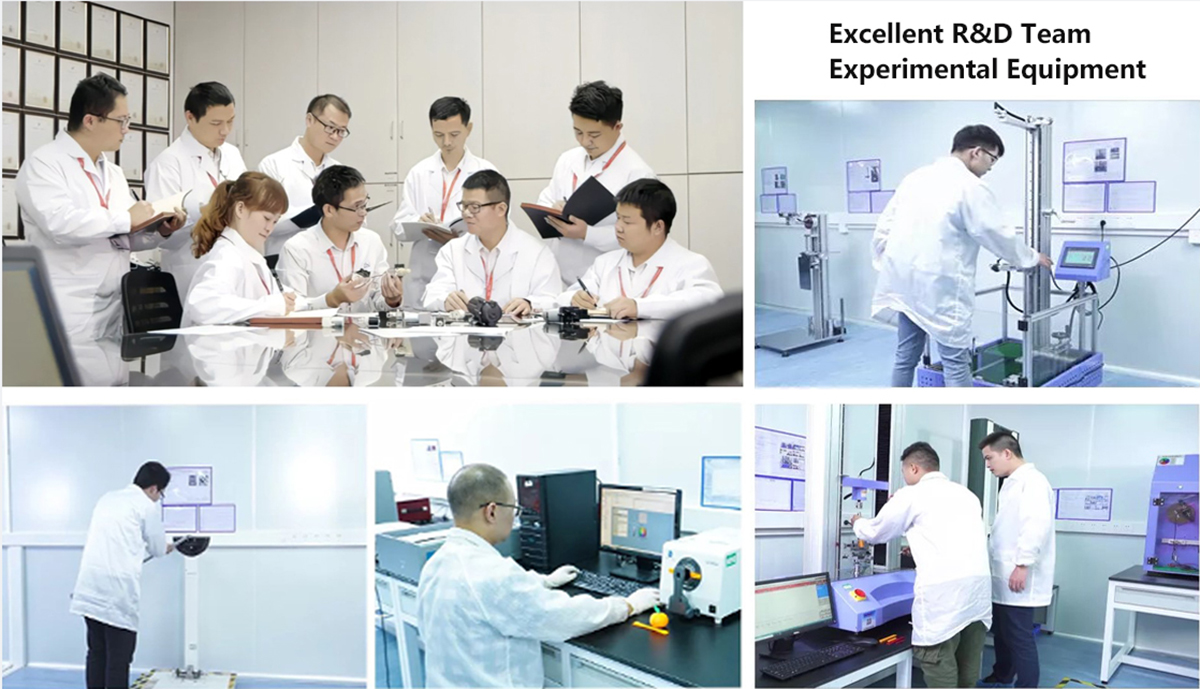
The factory area has passed ISO45001 occupational health and safety management system certification. Every new employee must be experienced one week of safety production knowledge teaching and two weeks of produce skills training, and master every course in the production process. Who is in the position will be responsible for its duty.
Raw Material
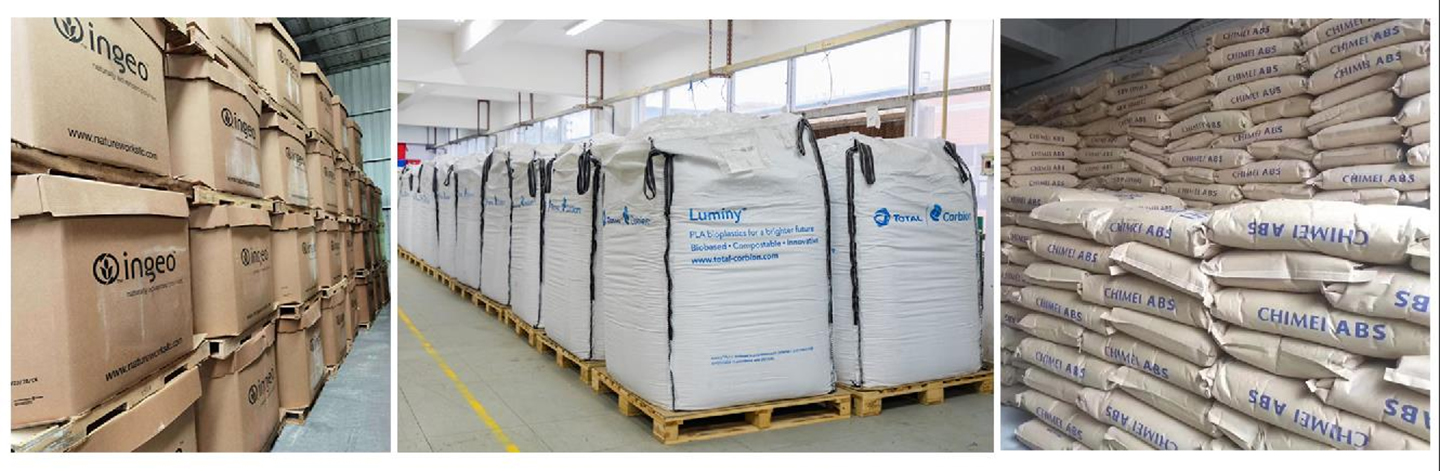
PLA is the most preferred material for 3D printing, Torwell firstly chooses PLA from US NatureWorks, and Total-Corbion is the alternative. ABS from TaiWan ChiMei, PETG from South Korea SK. Each batch of main raw materials comes from the partners who has cooperated more than 5 years to ensure the reliability of the products from the source. Each batch of raw materials will undergo parameters inspection before produce to ensure that raw materials are original and virginal.
Equipment Precision
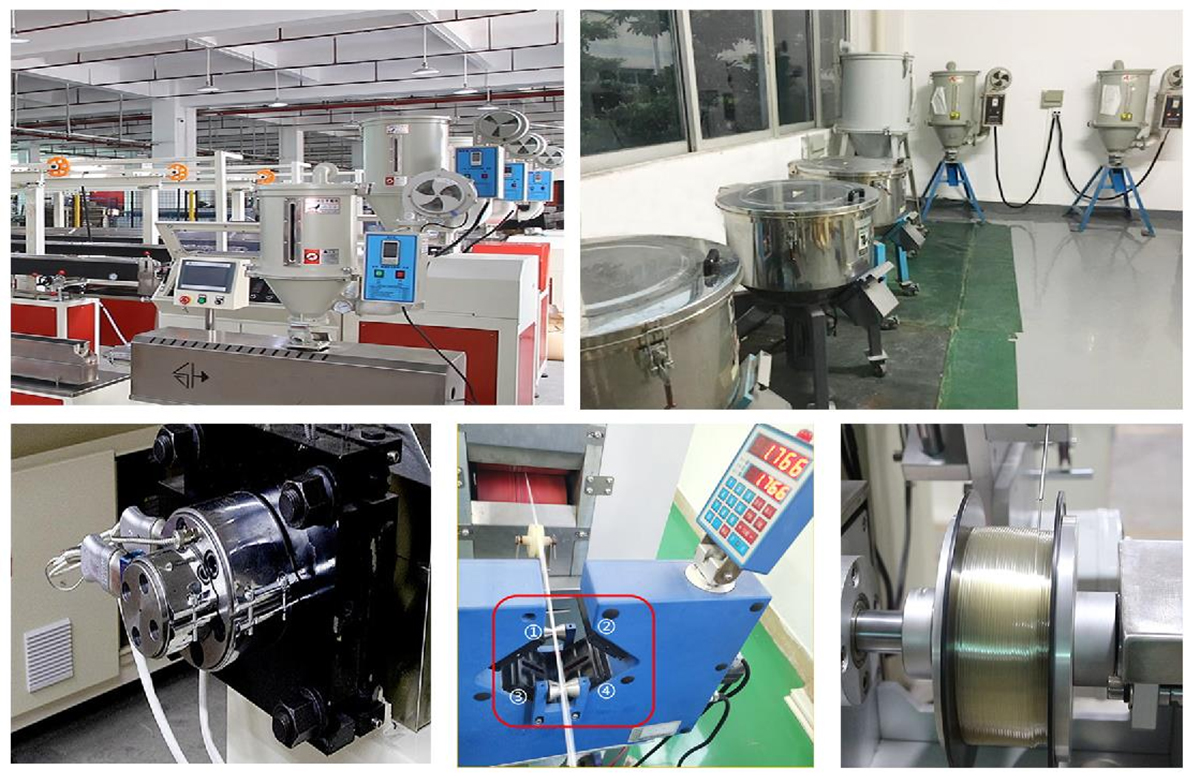
The manufacturing workshop makes arrangements after the inspection of raw materials. At least two engineers cross-check the clearance of mixing tank, color mixed of material, humidity from hopper dryer, temperature of extruder, hot/cool tank, and trial-produce and debugging the produce line to make sure all processes are in the best condition. Filament Diameter tolerance ±0.02mm, Roundness tolerance ±0.02mm.
Final Inspection
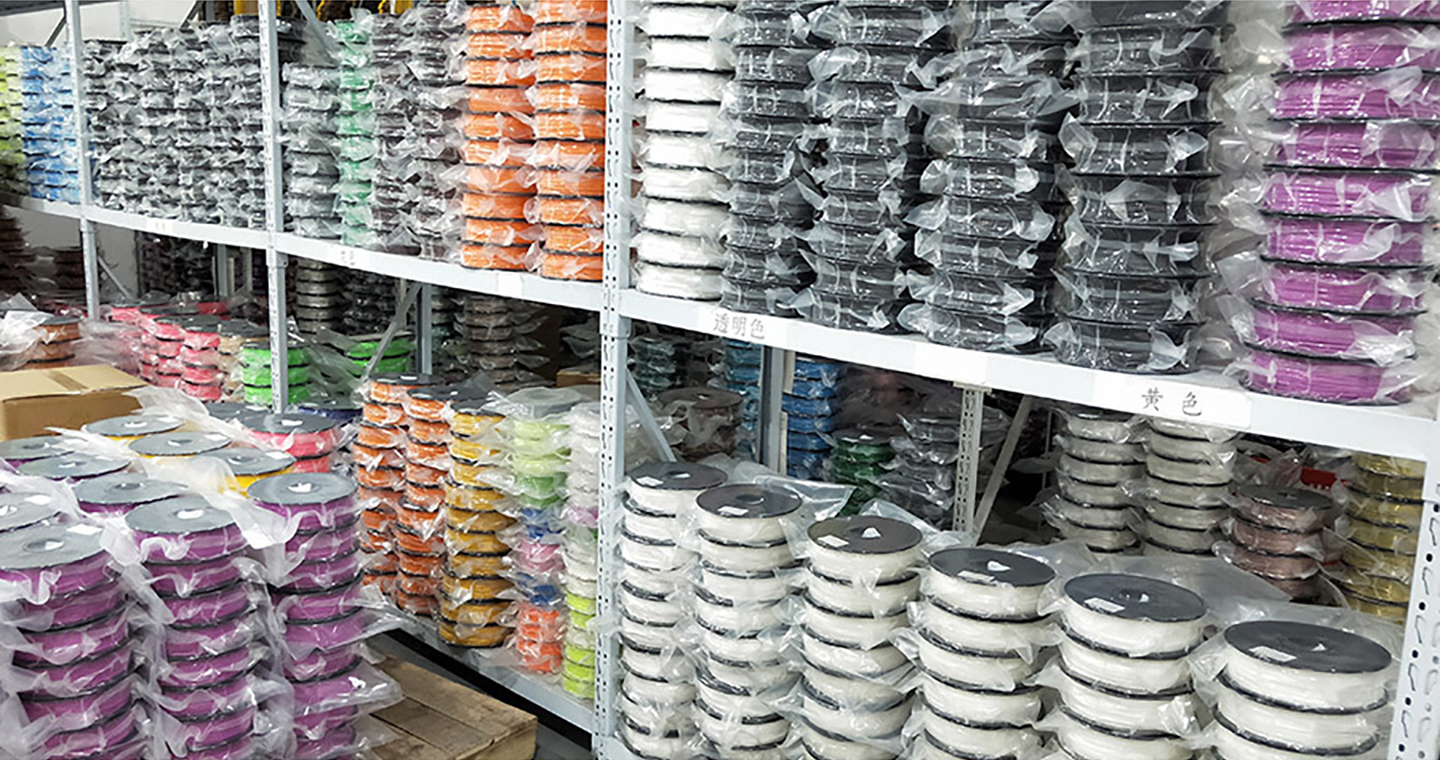
After each batch of 3D filament is produced, two quality inspectors conduct random inspections on each batch of finished products in accordance with the requirements of the standard, such as diameter tolerance, color consistency, strength and toughness. After vacuuming the package, placed for 24 hours to check whether there is any leaking package, then labeled and packaged.
ISO Certified Process
Our entire production chain operates under ISO45001 occupational health and safety management certification, ensuring every spool of ASA filament meets the stringent standards required for professional drone frame manufacturing applications.
Drone-Grade Standards
Our ASA filament undergoes application-specific validation testing that simulates real-world drone frame stress conditions — including cyclic thermal loading, UV aging simulation, and impact resistance benchmarking against industry requirements.
State-of-the-Art Equipment for Precision ASA Filament Production
Producing ASA filament that meets the demands of high-strength drone frame applications requires manufacturing equipment engineered to the same standards as the aerospace components it enables.
Our production lines maintain filament diameter tolerance of ±0.02mm and roundness tolerance of ±0.02mm — ensuring consistent extrusion performance critical for achieving the layer adhesion quality required in structural drone frame components.
At least two qualified engineers conduct cross-checks on every production parameter — from mixing tank cleanliness and material color consistency to hopper dryer humidity, extruder temperature, and hot/cool tank calibration — before any filament spool reaches quality inspection.
Optimal ASA Printing Parameters for Drone Structural Frames
Achieving maximum structural performance from ASA filament in drone frame applications requires precise printer configuration and environmental control.
- 🌡️ Nozzle Temperature: 240°C – 260°C for optimal layer adhesion and interlayer bonding strength
- 🛏️ Bed Temperature: 90°C – 110°C; use PEI or ABS slurry-coated glass for best adhesion
- 🏠 Enclosure Required: A heated enclosure (45°C–60°C chamber) is strongly recommended to prevent warping in large structural frame sections
- 🌬️ Cooling Fan: Minimize part cooling fan speed (0–30%) to maximize layer bonding in structural zones
- 📐 Infill Strategy: Use 40–60% gyroid or honeycomb infill for optimal strength-to-weight ratio in drone frame members
- 🔧 Wall Perimeters: Minimum 4 perimeter walls recommended for critical structural connection points and motor mount areas
Complete High-Performance 3D Printing Filament Collection
Discover our full range of engineering-grade 3D printing filaments designed for professional drone manufacturing and advanced structural applications.