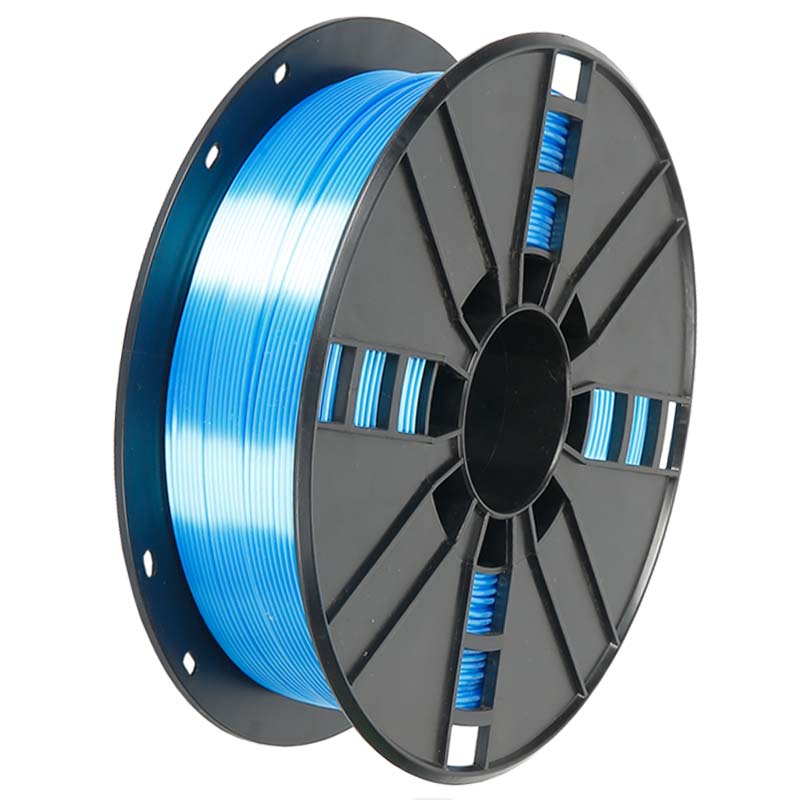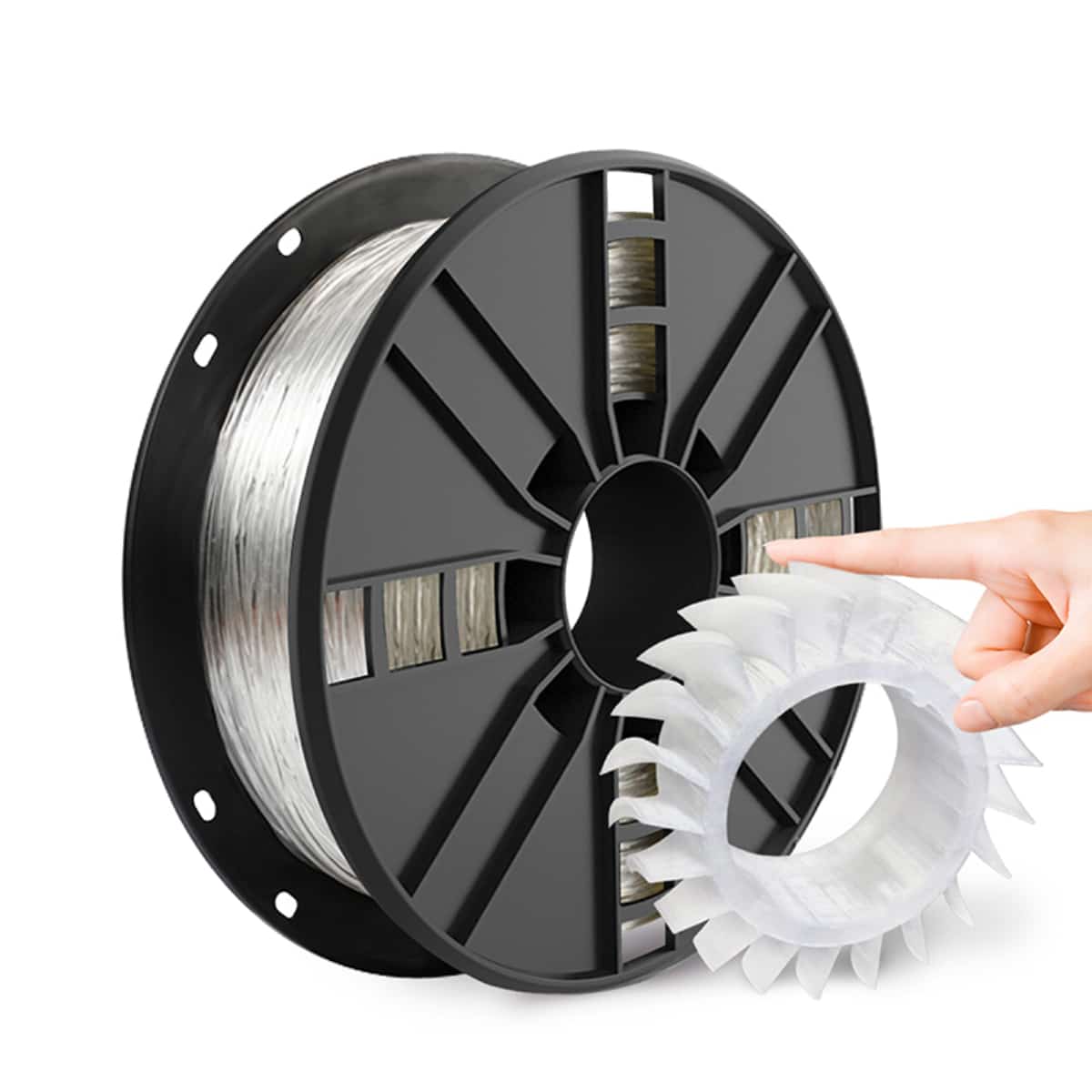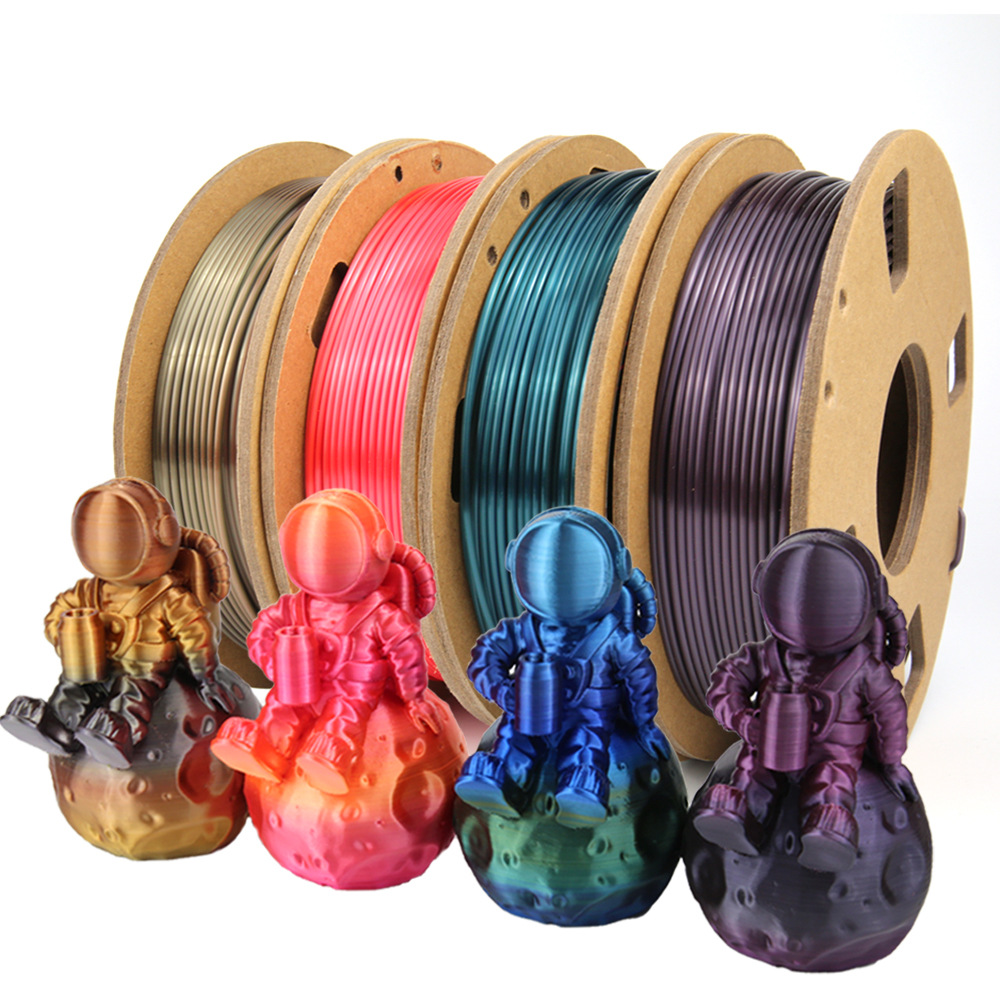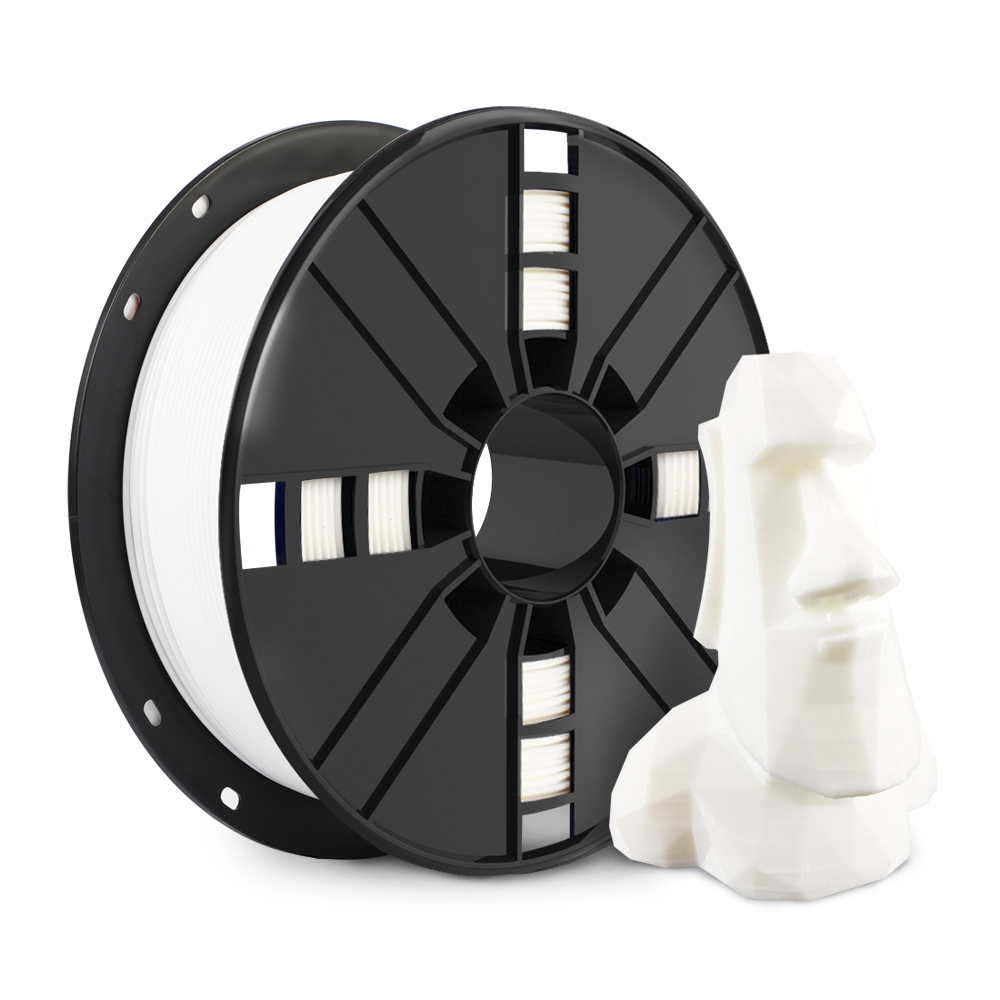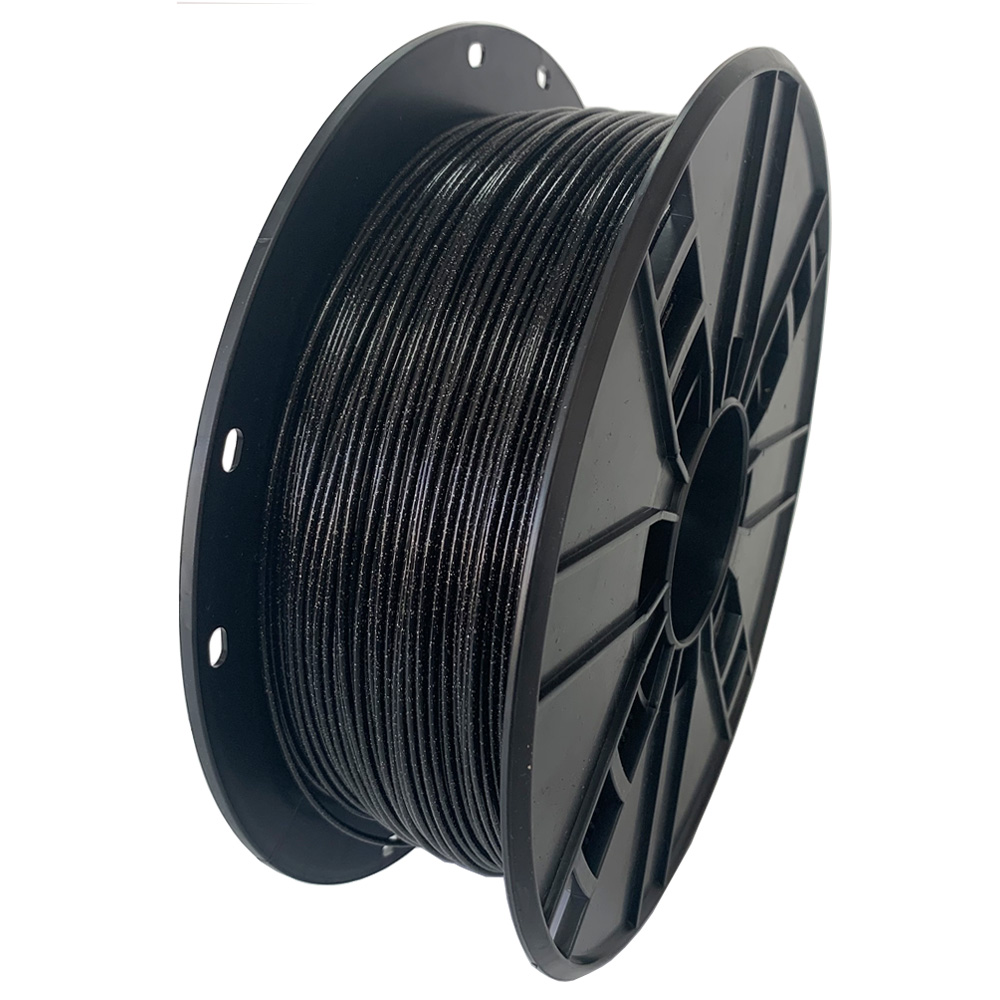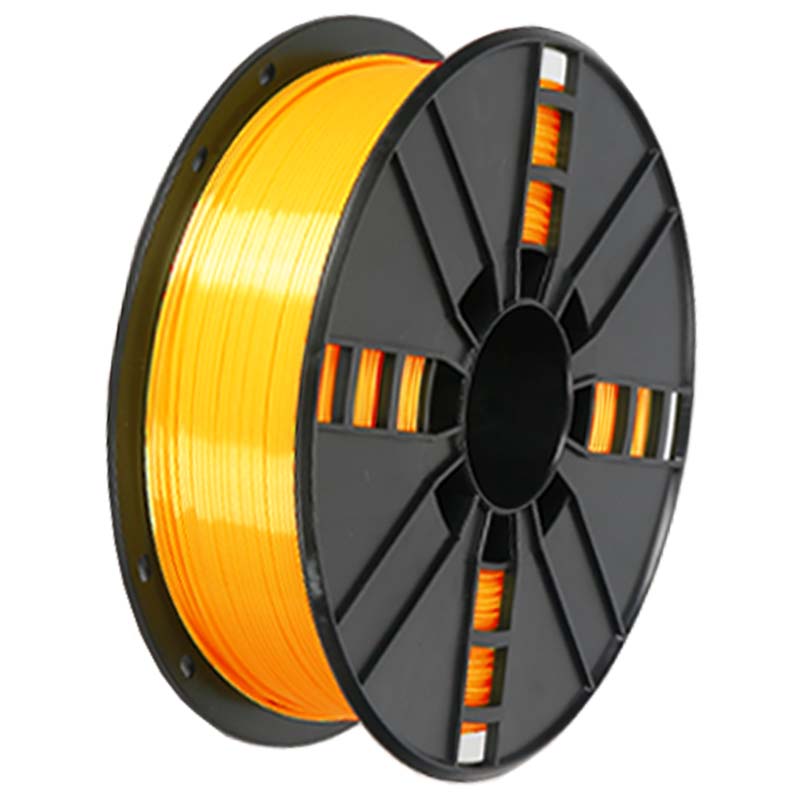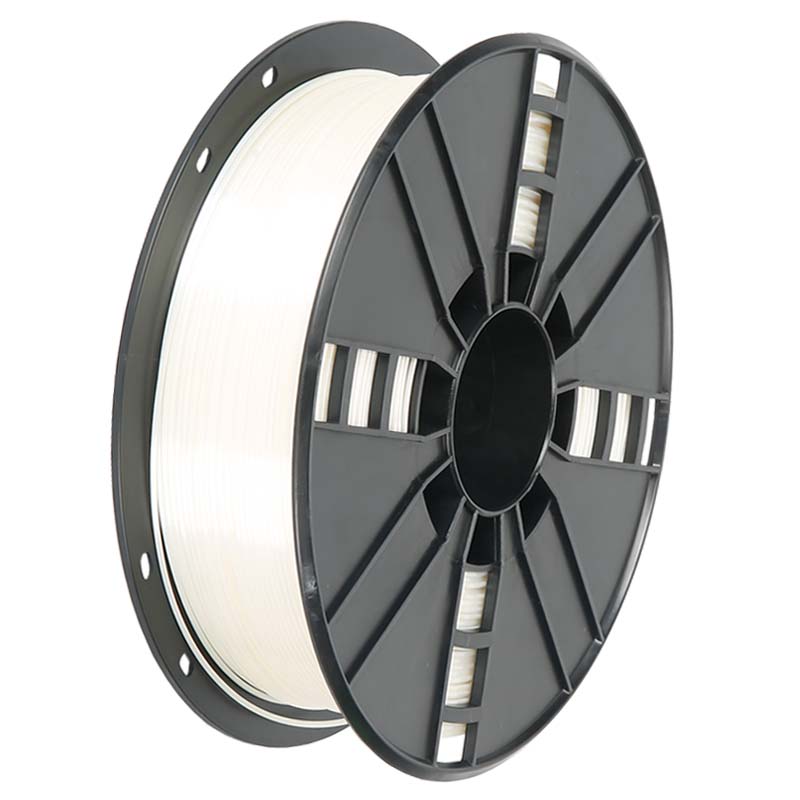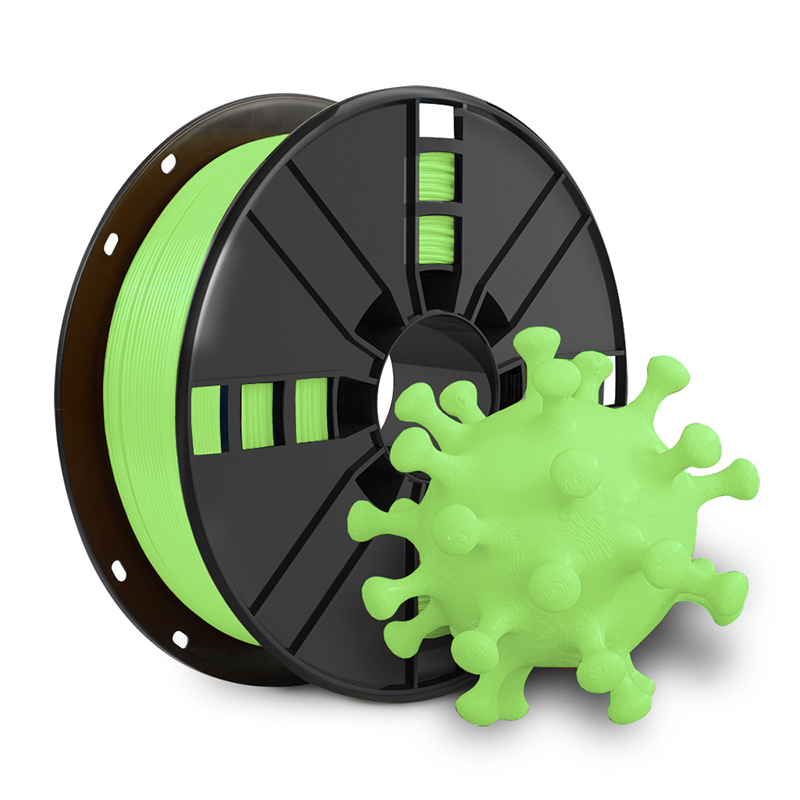
Featured Industrial Robotic Prototyping & Functional Filaments
Precision-engineered thermoplastic formulations tailored for high-speed additive fabrication and advanced kinematic assemblies.
The Lightweight Revolution in Robotic Arm Engineering
How the strategic transition from metallic subtractive machining to Black ASA additive manufacturing is driving industrial automation efficiency.
Mass Reduction & Moment of Inertia
Reducing end-of-arm mass drastically decreases rotational inertia, enabling higher acceleration, shorter cycle times, and minimal servo motor stress across 6-axis kinematic chains.
Superior UV & Chemical Resilience
ASA incorporates an acrylic ester elastomer replacing butadiene, delivering unmatched resistance against ultraviolet degradation, outdoor aging, cutting oils, and volatile hydrocarbons.
Optical Anti-Glare & Vision Integration
The deep matte black pigmentation absorbs industrial lighting and specular reflections, providing high-contrast calibration backgrounds for machine vision cameras and LiDAR sensors.
Kinematic Optimization and Structural Dynamics
In modern industrial robotics, collaborative robots (Cobots), and high-speed SCARA systems, payload efficiency and kinematic dynamics dictate throughput. Traditional manufacturing heavily relied on CNC-milled aluminum 6061 or magnesium alloys for structural end-effectors, link covers, and payload mounts. However, the dead weight of metal components introduces substantial rotational inertia ($I = m \cdot r^2$), which directly amplifies the torque demand on harmonic drives, cycloidal gearboxes, and servomotors.
By deploying Black ASA (Acrylonitrile Styrene Acrylate) Filament in conjunction with generative design and algorithmic topology optimization, robotics engineers achieve weight reductions exceeding 65% while maintaining structural rigidity. ASA’s engineering profile delivers high tensile modulus (up to 2300 MPa) combined with exceptional layer-to-layer cohesion when printed under controlled thermal conditions. The resulting structural elements dampen high-frequency vibrations during rapid acceleration-deceleration cycles, enhancing positional repeatability (sub-millimeter precision) and reducing wear on drive belts and precision bearings.
Why Black ASA Outperforms Conventional Polymers in Robotics
A rigorous engineering comparison between ASA, ABS, PLA, and PETG across thermal, mechanical, and operational parameters.
| Engineering Property | Black ASA Filament | Standard ABS | Industrial PETG | Technical PLA |
|---|---|---|---|---|
| Heat Deflection Temp (HDT @ 0.45MPa) | 95°C - 105°C | 85°C - 95°C | 68°C - 74°C | 52°C - 58°C |
| UV & Weathering Degradation | Impervious (No yellowing/brittleness) | Severe degradation over time | Moderate outdoor resistance | Biodegradation / thermal softening |
| Tensile Strength (MPa) | 42 - 50 MPa | 38 - 45 MPa | 45 - 52 MPa | 55 - 65 MPa (Brittle) |
| Optical Non-Reflective Quality | Deep Matte Finish (Ideal for Vision) | Semi-Gloss / Glossy | High Translucency / Gloss | Glossy / Light-scattering |
| Chemical Resistance (Oils/Solvents) | High (Hydrocarbons, Greases) | Moderate (Vulnerable to acetone) | High (Acids, Bases) | Low |
| Impact Resistance (Charpy Notch, kJ/m²) | 18 - 25 kJ/m² | 15 - 22 kJ/m² | 6 - 10 kJ/m² | 3 - 5 kJ/m² |
Comprehensive Application Scenarios for Lightweight Robotic End-of-Arm Tooling (EOAT)
The industrial implementation of Black ASA filament spans multiple specialized sectors within advanced robotics:
1. Automated Machine Vision Enclosures & Camera Brackets: In automated quality inspection cells, vision systems frequently struggle with glare bouncing off polished robotic brackets. The rich, carbon-pigmented matte black aesthetic of ASA eliminates optical reflections, allowing structured-light 3D scanners, infrared time-of-flight (ToF) cameras, and machine vision sensors to capture high-fidelity depth images without artifact distortions.
2. Vacuum Gripper Manifolds & Pneumatic Distributors: Robotic pick-and-place systems operating in packaging lines require custom vacuum cups and integrated internal airflow channels. Using fused filament fabrication (FFF) with Black ASA allows engineers to print complex internal air manifolds in a single piece, eliminating external pneumatic tubing, minimizing leakage points, and cutting EOAT weight by up to 80% compared to milled block manifolds.
3. Outdoor Agricultural & Solar Inspection Drones/Arms: Autonomous weeding robots, fruit harvesters, and solar panel cleaning articulating arms endure constant outdoor exposure. While ABS rapidly oxidizes and becomes embrittled under solar ultraviolet radiation, ASA preserves its impact resilience and structural elasticity across years of extreme outdoor exposure.
4. Cable Guidance Articulations & Safety Joint Fairings: Robotic joints require smooth, impact-resistant protective housings that prevent cable pinch points and shield expensive servo actuators from sparks, coolant splashes, and particulate ingress in harsh machining centers.
Certified Industrial Production & Quality Assurance
Behind every spool is an uncompromising manufacturing ecosystem compliant with international occupational, environmental, and material standards.
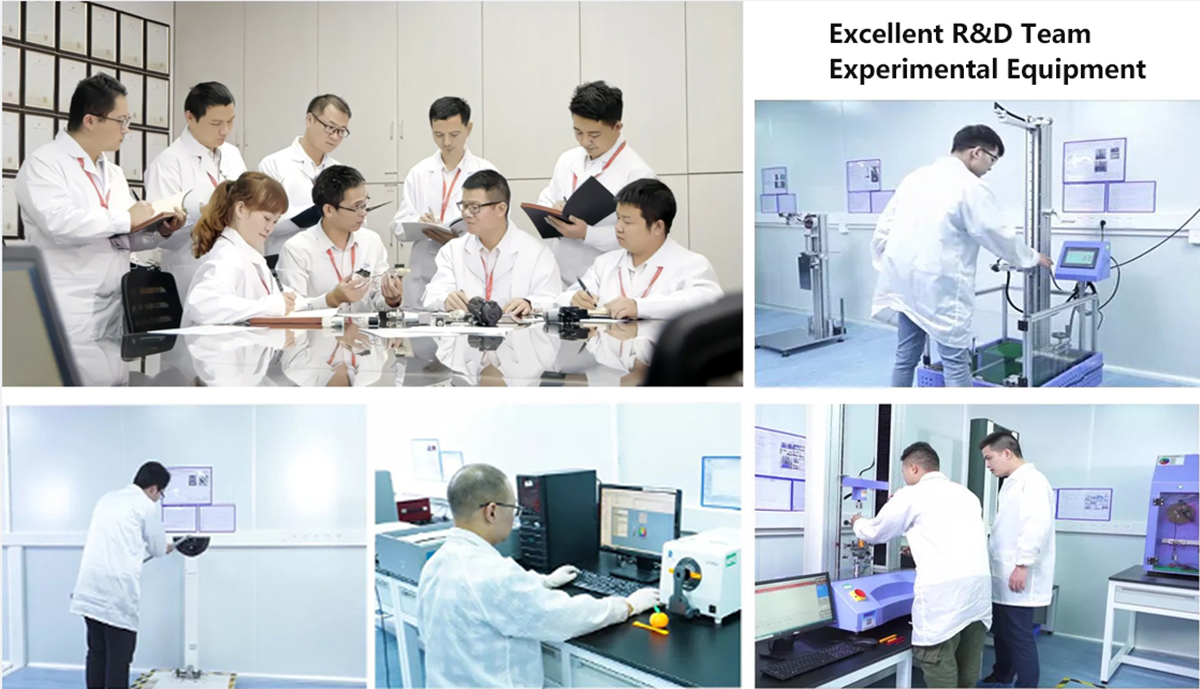
Quality Control
The factory area has passed ISO45001 occupational health and safety management system certification. Every new employee must be experienced one week of safety production knowledge teaching and two weeks of produce skills training, and master every course in the production process. Who is in the position will be responsible for its duty.
Our commitment to robotic-grade 3D filament manufacturing means zero tolerance for particulate contamination or micro-voids, ensuring that critical robotic arm links withstand rigorous dynamic loads and fatigue cycles.
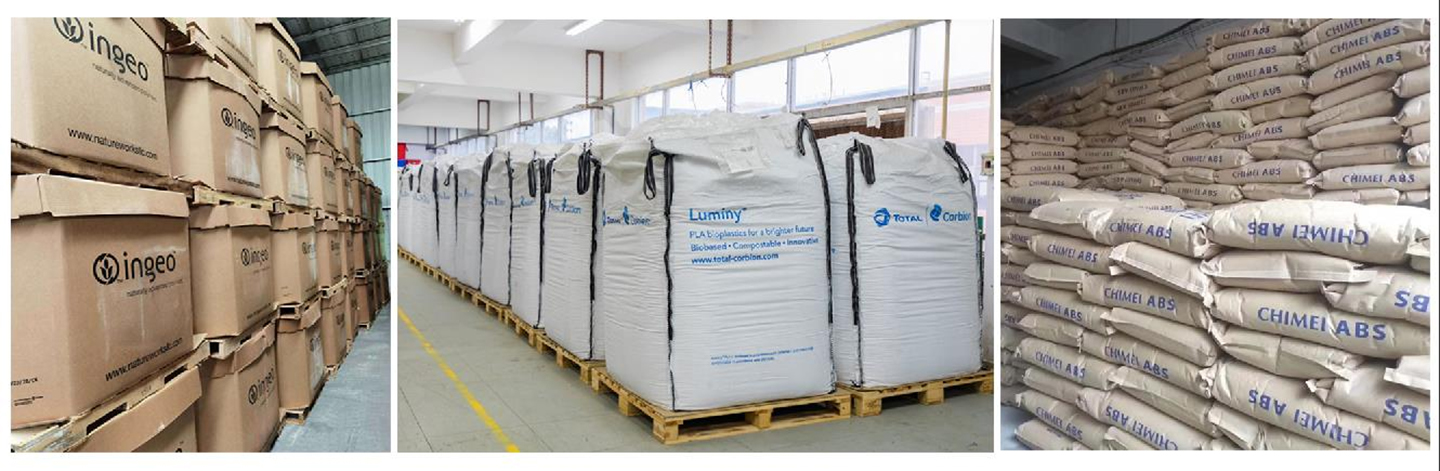
Raw Material
PLA is the most preferred material for 3D printing, Torwell firstly chooses PLA from US NatureWorks, and Total-Corbion is the alternative. ABS from TaiWan ChiMei, PETG from South Korea SK. Each batch of main raw materials comes from the partners who has cooperated more than 5 years to ensure the reliability of the products from the source. Each batch of raw materials will undergo parameters inspection before produce to ensure that raw materials are original and virginal.
For specialized formulations such as our engineering Black ASA, raw terpolymer resins are sourced exclusively from top-tier chemical producers, guaranteeing flawless batch-to-batch thermal consistency, uniform pigmentation, and superior mechanical toughness.
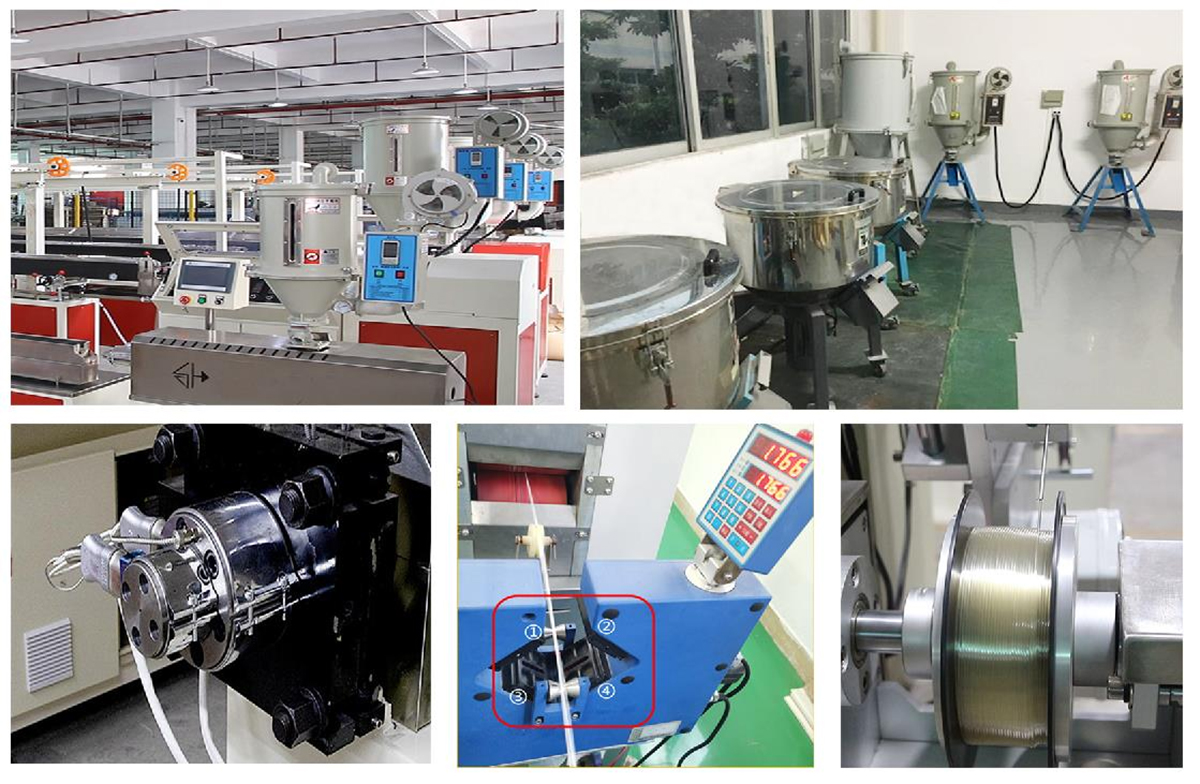
Equipment
The manufacturing workshop will make arrangements after the inspection of raw materials, at least two engineers cross-check the clearance of mixing tank, color mixed of material, humidity from hopper dryer, temperature of extruder, hot/cool tank, and trial-produce and debugging the produce line to make sure all of processes in the best condition. Maintain the filament Diameter tolerance +/- 0.02mm, Roundness tolerance +/- 0.02mm.
This stringent tolerance control prevents extrusion starvation and nozzle backpressure spikes in high-speed FDM/FFF printers, which is paramount when producing dense, airtight parts for robotic pneumatics and dynamic load-bearing arm components.
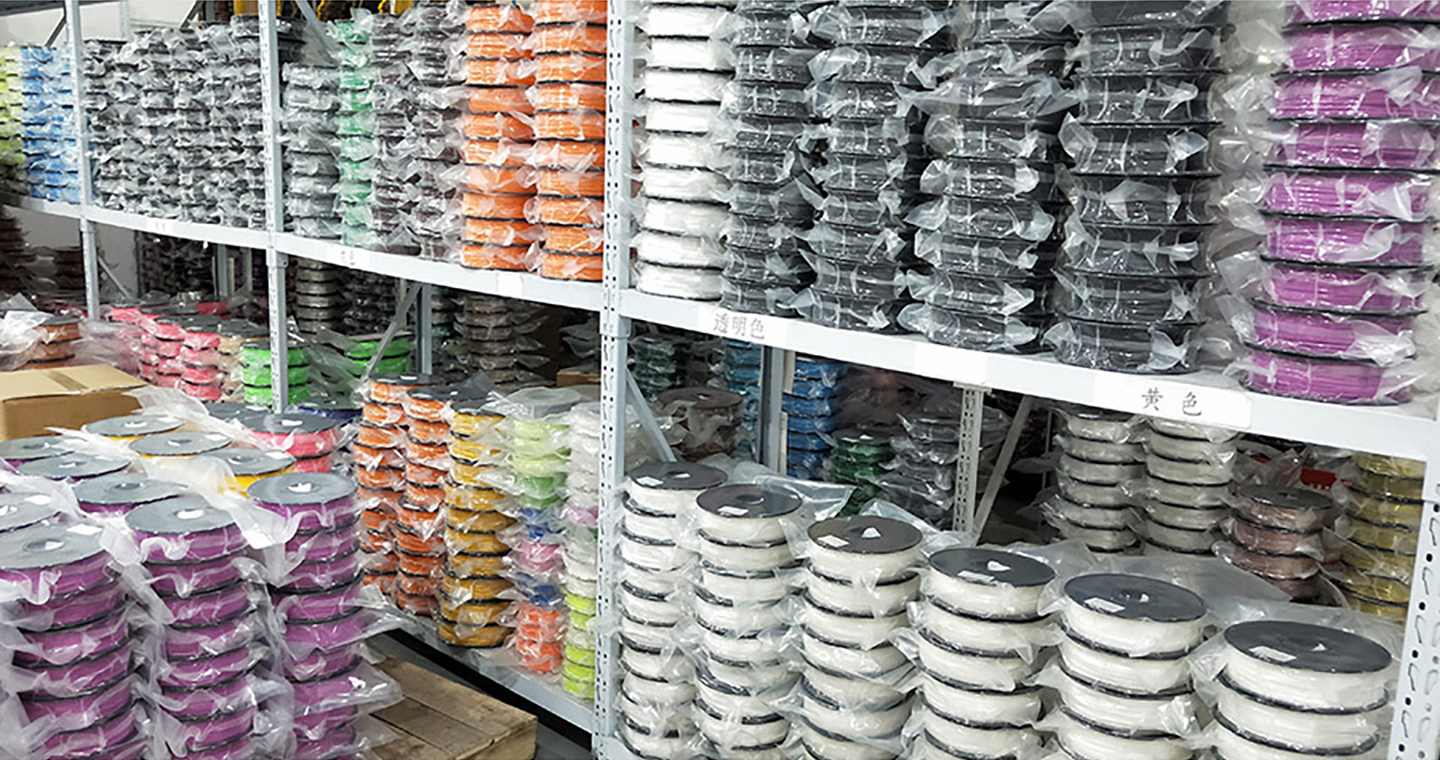
Final Inspection
After each batch of 3D filament is produced, two quality inspectors will conduct random inspections on each batch of finished products in accordance with the requirements of the standard, such as diameter tolerance, color consistency, strength and toughness and so on. After vacuuming the package, place them for 24 hours to check whether there is any leaking package, then label it and finish the package.
Hermetic moisture-barrier packaging with high-capacity desiccant ensures that your filaments arrive ready for high-temperature extrusion, eliminating steam bubbling, micro-porosity, and layer delamination in your critical robotic builds.
Commercial Trends & The Future of Additive Robotics
Strategic integration of generative AI design, agile prototyping, and distributed manufacturing in robotics.
Decentralized Production and On-Demand Maintenance
As smart factories transition towards Industry 4.0 and 5.0, reliance on centralized component supply chains is diminishing. When an automated assembly line experiences gripper failure or requires custom tooling for a new SKU, CNC milling lead times of 2 to 4 weeks result in catastrophic downtime costs. By utilizing in-house additive manufacturing with high-performance Black ASA filament, maintenance engineers can slice, print, and deploy replacement end-effectors within 6 to 12 hours.
Furthermore, ASA is easily post-processed: it can be tapped for M3/M4/M5 brass heat-set threaded inserts, wet-sanded, glued with cyanoacrylate, or vapor-smoothed using solvent chambers to yield solid, monolithic structures with isotropic burst pressure resistance.
Thermal & Printing Recommendations for ASA in Robotics
To unlock peak tensile strength and avoid anisotropic layer shear in dynamic robotic arm components, the following operational parameters are recommended by industrial tooling engineers:
• Extruder Temperature: 240°C - 260°C (High thermal melt ensures full polymer chain entanglement).
• Heated Bed Temperature: 95°C - 110°C (PEI sheet or specialized adhesion slurry recommended).
• Enclosed Build Chamber: 45°C - 60°C (Prevents localized differential shrinkage and corner warping on large robotic arm shells).
• Cooling Fan Speed: 0% - 25% (Minimal cooling prevents thermal shock and maximizes inter-layer adhesion strength).
Ready to Transform Your Robotic Tooling & Automation Assembly?
Explore our full catalog of premium additive manufacturing materials. From high-strength ASA and functional flexible TPUs to aesthetic PLA formulations, Torwell empowers innovators worldwide.
Complete Industrial & Prototyping Filament Range
Browse our extensive selection of high-precision 3D printing filaments engineered for prototypes, functional parts, and automated production.