Featured Designer Toy Prototyping & Aesthetic Filaments
Curated engineering-grade thermoplastics and aesthetic composites selected for precision structural armatures, collectible skin finishing, and hyper-detailed designer art toys.
The New Paradigm in Designer Art Toys & High-End Collectibles
How advanced additive manufacturing and carbon composite reinforcement have transformed limited-edition designer figurines from novelty toys into multi-billion-dollar contemporary sculptural art.
Structural Rigidity & Anti-Warping
Short-strand micro carbon fibers infused into thermoplastic matrices dramatically suppress thermal shrinkage, enabling massive collectible figurines up to 800mm tall without warping, curling, or base deformation.
Signature Stealth Matte Finish
Microscopic carbon fiber whiskers scatter surface incident light rays, eliminating glossy specular highlights and virtually concealing FDM layer lines to achieve a rich, tactile, cast-slate aesthetic preferred by luxury galleries.
Tight-Tolerance Snap-Fit Joints
With an elevated strength-to-weight ratio and minimal creep under ambient tension, carbon composites ensure multi-part collectible armatures, magnetic ports, and ball-and-socket appendages retain exact friction fits indefinitely.
The Evolution of Designer Urban Toys into High-Value Art Assets
Over the past decade, the global art toy and urban collectible market has transitioned from conventional soft vinyl (Sofubi) and rotocast PVC injection processes into intricate, limited-edition bespoke sculptures. Driven by global tastemakers, boutique galleries, and independent toy artists, the modern designer toy ecosystem demands short manufacturing cycles, unprecedented geometric freedom, and a tangible sense of heft and luxury. Traditional injection tooling incurs tens of thousands of dollars in upfront mold costs and locks creators into mass-run minimum order quantities (MOQs). This limitation stifles dynamic character experimentation and rapid creative iteration.
Carbon fiber reinforced 3D printing filaments—including Carbon Fiber PLA (CF-PLA), Carbon Fiber PETG (CF-PETG), and Carbon Fiber Polyamide (CF-Nylon)—have emerged as the undisputed material of choice for visionary studios. The structural reinforcement of chopped micro-fibers, typically distributed between 15% and 20% by weight, fundamentally transforms how molten polymer behaves during deposition. By constraining polymer chain relaxation during cooling, these microscopic fibers prevent directional shrinkage, warping, and dimensional drift. As a result, artists can fabricate ultra-complex cantilevered figurines, mechanical mecha exoskeletons, and intricate robotic accessories with zero thermal deformation.
Technical Anatomy: Why Carbon Fiber Composites Surpass Standard Polymers
A rigorous examination of the microscopic fiber dispersion, physical mechanics, and visual advantages unlocked by engineered carbon fiber filaments in decorative model production.
Fiber Orientation, High Elastic Modulus, and Acoustic Heft
Standard unfilled polymers such as basic PLA or ABS often exhibit an undesirable plastic sheen and an acoustic resonance that feels lightweight and brittle in the hands of discerning toy collectors. In contrast, carbon fiber filaments integrate high-modulus, chopped pitch or polyacrylonitrile (PAN) carbon fibers with lengths ranging between 60 to 150 microns. As the molten filament is forced through a fine brass or hardened tool steel nozzle, the shear flow field aligns these fibers along the print deposition path. This anisotropic alignment yields an extraordinary longitudinal tensile modulus, often exceeding 7,500 MPa—more than double that of neat PLA.
Beyond tensile strength, this internal micro-skeleton provides distinct acoustic dampening. When collectors pick up a designer toy sculpted with carbon fiber composite material, the toy emits a solid, dense, ceramic-like timbre rather than a hollow plastic rattle. This tactile sensation elevates perceived value and places the collectible on an equal tier with machined aluminum, cold-cast bronze, or heavy porcelain.
Eliminating Specular Reflection: The Physics of the "Stealth Velvet" Surface
In the realm of aesthetic decorative figurines, visual surface quality is of paramount importance. High-end collectors judge models under harsh gallery spotlights and high-resolution camera lenses. Neat thermoplastics suffer from pronounced specular highlights along layer boundaries, highlighting every 0.1mm to 0.2mm layer line and making the additive manufacturing origin painfully obvious. Post-processing neat prints often requires hours of tedious wet-sanding, toxic vapor smoothing, primer coats, and manual putty application.
Carbon fiber 3D printing material eliminates this manual bottleneck through micro-surface refraction. The randomly oriented fiber ends protruding from the outer perimeter wall disrupt specular light bounces, scattering incoming photons in a diffuse, multi-directional pattern. The human eye perceives this as an impeccably uniform, satin-matte texture. Layer lines visually vanish even at standard 0.2mm layer heights, drastically cutting post-finishing labor hours and enabling toy ateliers to deliver gallery-grade direct-from-print editions straight to consumers.
Dimensional Stability for Multi-Material Hybrid Assemblies
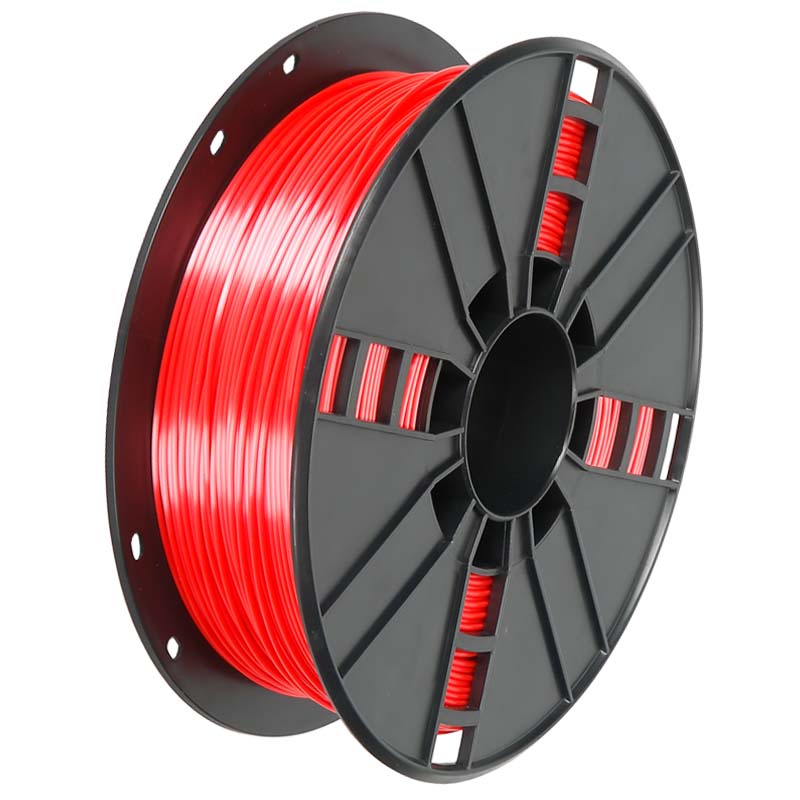
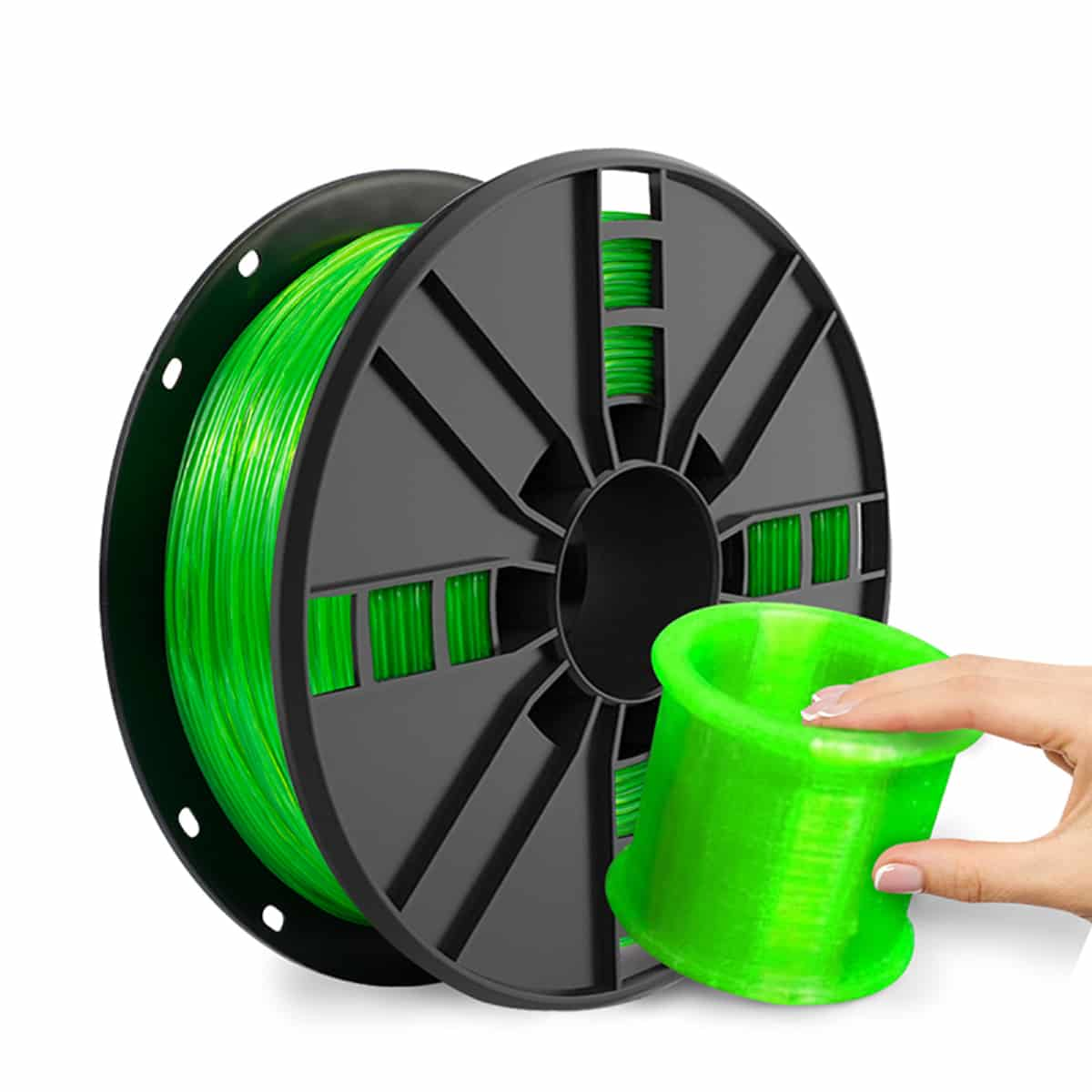
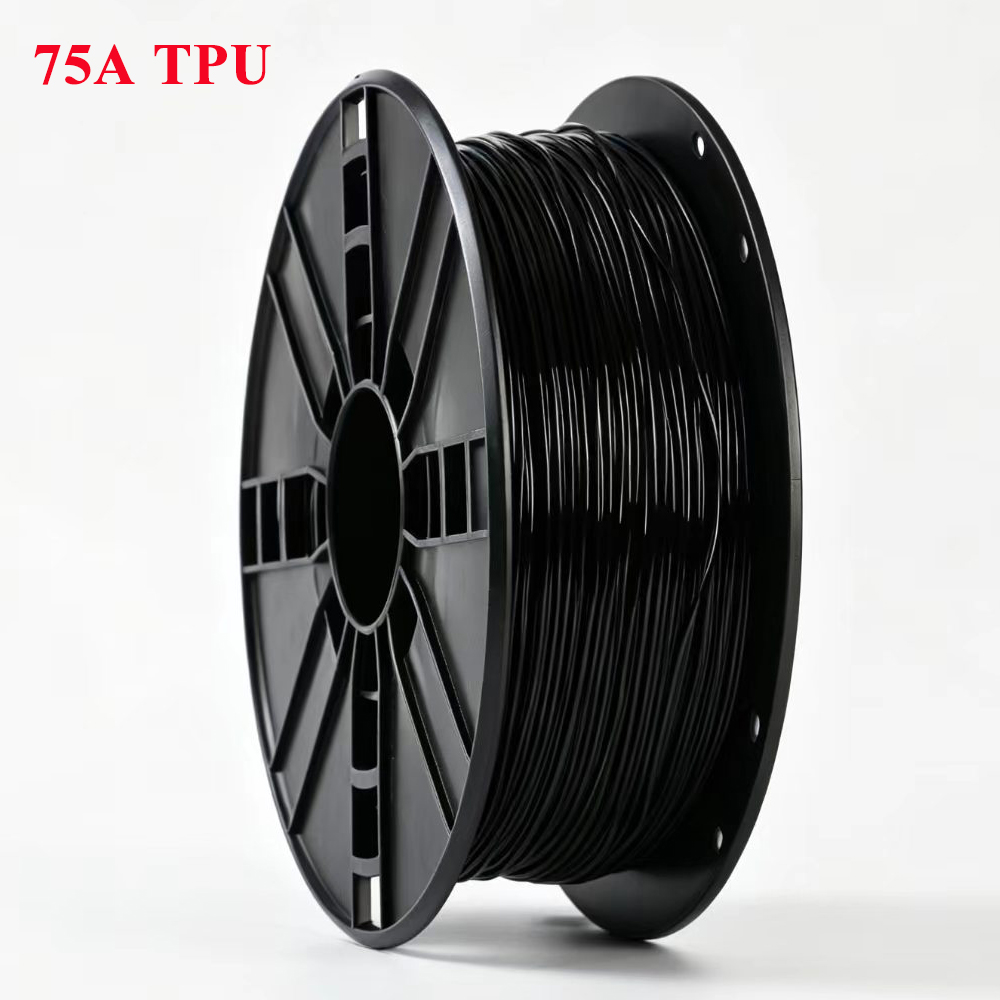
Contemporary designer toys are seldom monolithic, single-color sculptures. The leading aesthetic movement fuses mixed media: hyper-flexible elastomer elements (such as Torwell 75A TPU joints), optically clear translucent resin visors, neon silk accent badges, and heavy carbon fiber structural skeletons. Achieving flawless assembly fits across varying materials requires zero thermal creep and strict dimensional tolerance (within +/- 0.03mm).
Because carbon fibers possess a near-zero or slightly negative coefficient of thermal expansion (CTE) along their fiber axis, they drastically reduce the bulk CTE of the host matrix. As ambient workshop temperatures fluctuate between summer heat and winter cold, toys built on a carbon fiber chassis do not swell, warp, or crack at mechanical snap-fit junctions, ensuring interlocked components maintain silky-smooth articulation over decades of collector display.
Commercial Trends & Factory-Scale Rapid Prototyping Workflows
Examining print parameters, tooling hardware, and the direct-to-consumer print farm economics dominating the modern art collectible industry.
Print Farm Economics: Blind Boxes, Micro-Drops, and Infinite Customization
The contemporary art toy business is dominated by "micro-drops"—limited releases ranging from 50 to 500 numbered pieces worldwide. Operating a traditional high-pressure steel mold for such small batches is economically unviable, with mold amortization easily exceeding $200 per unit. Multi-unit additive manufacturing print farms equipped with high-speed CoreXY 3D printers and abrasive-resistant toolheads offer an unprecedented solution. Production can be scaled up on demand with zero tooling lead time, enabling toy creators to test innovative character designs, execute micro-collaborations, and ship pre-ordered collectibles within 72 hours of concept finalization.
Furthermore, customized textures—such as simulated damascus carbon, geometric gyroid internal infill exposures, and debossed artist signatures—can be generated dynamically via procedural slicing scripts. This provides each individual collector with a provably unique collectible artifact, fusing industrial additive manufacturing with generative digital art.
Optimized Extrusion Parameters & Hardware Hardening Guidelines
While carbon fiber composite materials unlock extraordinary mechanical and aesthetic benefits, their abrasive characteristics demand specialized printing protocols. Standard brass nozzles will suffer rapid orifice wear within 250 grams of carbon fiber filament extrusion, resulting in irregular extrusion widths, stringing, and degraded surface definition. Professional toy studios implement the following production hardware standards:
1. Abrasion-Proof Nozzles: High-performance hardened tool steel (HRC 60+), tungsten carbide, or ruby-tipped nozzles (0.4mm or 0.6mm diameter) ensure consistent volumetric flow rates and prevent fiber clogging at the orifice throat.
2. Direct-Drive Extruder Configuration: Dual-drive hardened steel drive gears provide positive traction against the textured carbon fiber filament exterior, eliminating slippage and maintaining consistent retractions across detailed character features.
3. Slicing Optimization: Slower outer perimeter print speeds (40mm/s to 60mm/s), elevated nozzle temperatures (+5°C to +10°C over neat polymer benchmarks to ensure adequate matrix melting around fibers), and a 3-perimeter wall count produce an impenetrable, structural shell that showcases the filament's iconic matte texture.
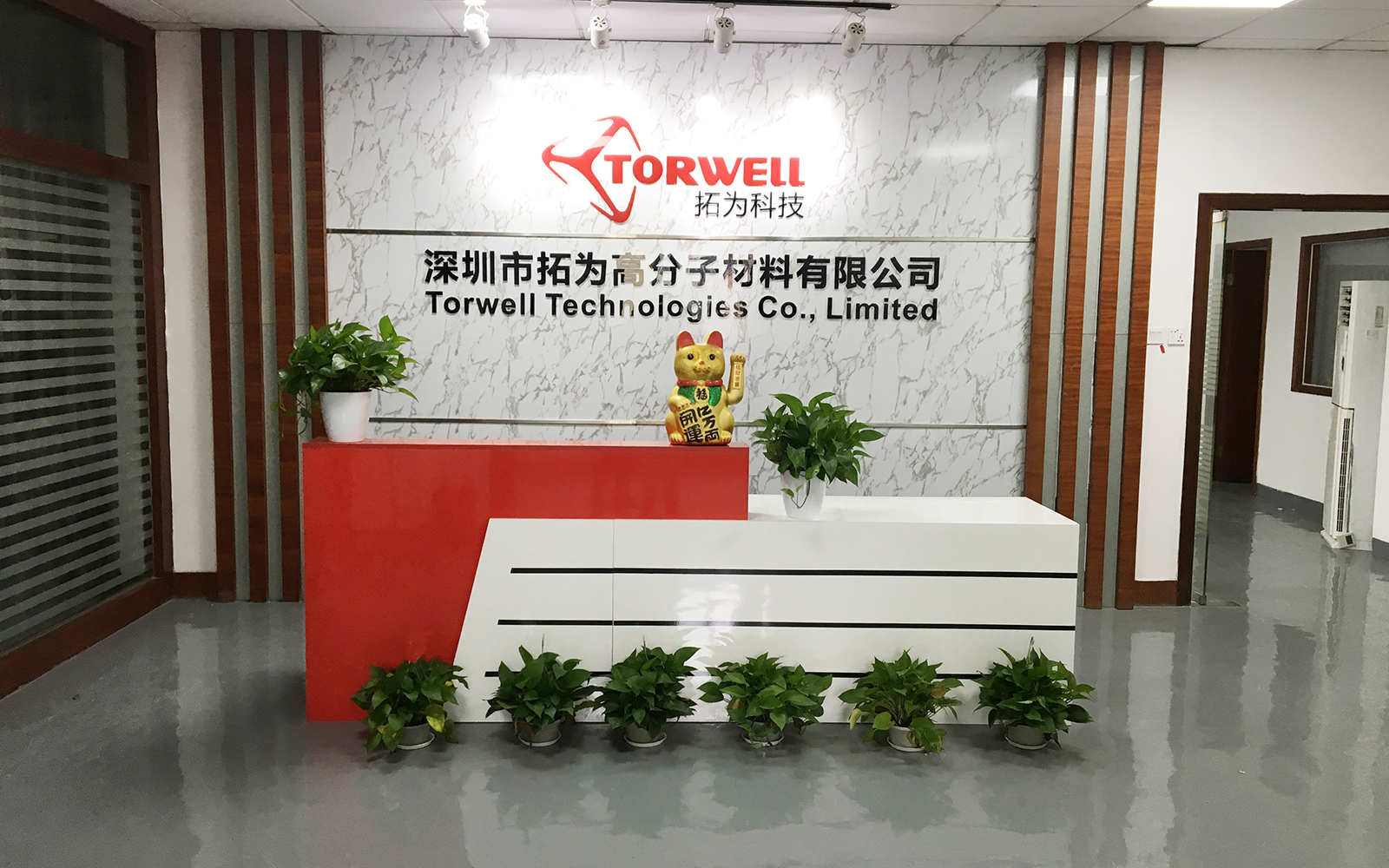
Torwell Technologies: Engineering Superior 3D Printing Materials
Founded in 2011, Torwell Technologies Co., Ltd. is one of the earliest high-tech enterprises which specializing in high-tech 3D printer filaments research, manufacture and sell, occupies 2,500 square meters modern factory with production capacity of 50,000kgs per month.
With more than 10years experiences in 3D printing market exploration, cooperated with Institute for High Technology and New Materials in domestic famous universities, and engaging Polymer materials experts as technical adviser, Torwell becomes one of member of Chinese rapid prototyping association and leader enterprise with the most innovative products in 3D printing industry, owns independent intellectual property rights, patents and trademarks (Torwell US, Torwell EU, NovaMaker US, NovaMaker EU).
Torwell passed international quality management system ISO9001, international environment system ISO14001, the advanced manufacturing equipment, test devices and virgin raw materials available are introduced to produce and distribute 3D printer filament of unparalleled quality, to insure all the products of Torwell are compliant with RoHS standard, MSDS, Reach, TUV and SGS test certificated.
Be a reliable and professional 3D printing partner, Torwell has committed to expanding its products to America, Canada, UK, Germany, Netherlands, France, Spain, Sweden, Italy, Russia, Mexico, Australia, New Zealand, Brazil, Argentina, Japan, South Korea, Vietnam, Thailand, Malaysia, India, more than 80 countries and regions.
Torwell Complete Advanced Filament Catalog
Integrate our precision aesthetic, flexible, and engineering-grade filaments into your toy design ecosystem, character modeling studio, and additive manufacturing pipeline.