
Engineered Carbon-Grade Materials For Precision Gasket Seals
Discover top-tier thermoplastic and composite formulations optimized for low-friction sealing surfaces, structural flange gaskets, and elastomeric airtight enclosures.
Industrial Evolution: Flexible Carbon Fiber Composites in Sealing Systems
Traditional elastomeric seals—typically stamped from synthetic nitrile sheets, fluorosilicone rubbers, or molded via multi-cavity injection tooling—face mounting economic and technical bottlenecks in contemporary agile manufacturing.
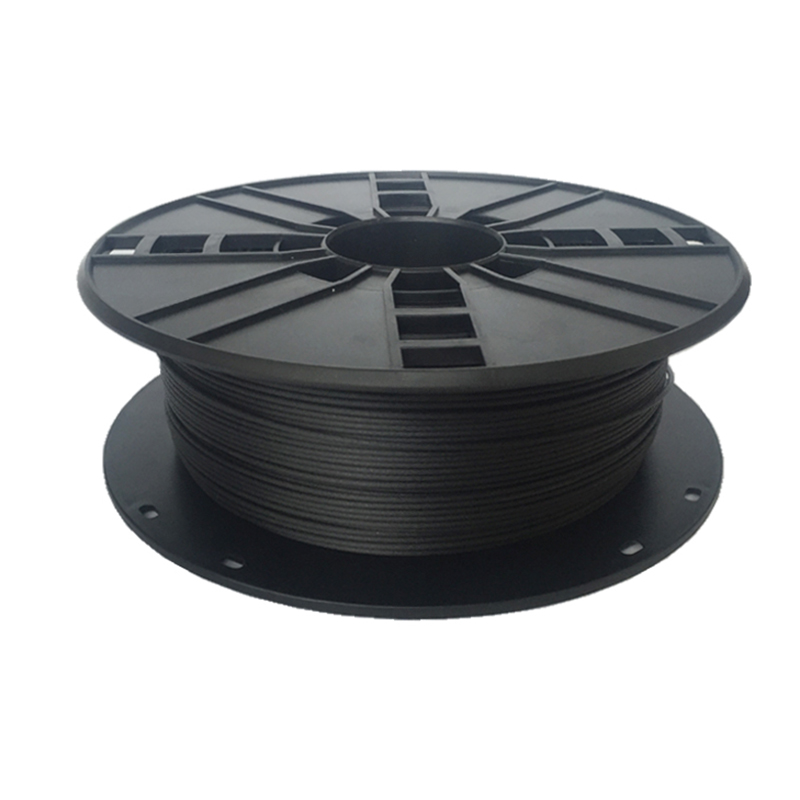
As modern machinery operates under heightened thermal stress, variable fluid dynamics, and aggressive mechanical vibration, standard unreinforced elastomers frequently succumb to extrusion gap failure, excessive permanent creep, and catastrophic blowout. The emergence of Carbon Fiber Filament For Flexible Mechanical Gasket Seals represents a paradigm shift across aerospace, automotive electrification, chemical processing, and robotic automation.
By dispersing high-aspect-ratio chopped micro-carbon fibers within flexible elastomeric matrices (such as thermoplastic polyurethane TPU, thermoplastic copolyester TPC, and PEBA), engineers achieve a previously unattainable synergy: the elastomeric compliance needed to conform to micro-machined mating surfaces, combined with the anisotropic tensile modulus of carbon reinforcement that resists radial expansion under high fluid pressures.
Commercial Value & MRO Lead Time Reduction
In industrial maintenance, repair, and operations (MRO), custom gasket lead times frequently range from 4 to 8 weeks due to minimum order quantity (MOQ) requirements and CNC waterjet or die fabrication bottlenecks. On-demand FFF/FDM 3D printing of carbon fiber flexible gaskets shrinks turnaround down to less than 3 hours directly on-site.
This capability eradicates millions in downtime costs for offshore oil platforms, automated bottling plants, and batch chemical reactors where single-gasket failure can halt entire assembly lines.
Material Science & Tribo-Mechanical Mechanics of CF Flexible Filaments
An intricate balance of shore hardness, micro-fiber loading ratios, interfacial chemical sizing, and molecular entanglement governs the hermetic integrity of 3D-printed flexible composite gaskets.
Suppression of Extrusion & Cold Creep
Unfilled elastomeric filaments (such as pure Shore 95A TPU) suffer from severe viscoelastic relaxation when subjected to sustained bolt clamping loads. Chopped carbon fibers create a 3D structural skeleton inside the thermoplastic matrix, effectively arresting polymer chain slip, preventing gasket thinning, and eliminating joint torque loss over prolonged thermal cycles.
Low Coefficient of Thermal Expansion
Elastomers possess notoriously high thermal expansion coefficients (CTE), leading to seal warping or thermal pumping in fluctuating environments (-40°C to +125°C). The inclusion of microscopic carbon strands reduces radial CTE by up to 65%, maintaining dimensional stability against rigid aluminum and cast-iron mating flanges.
ESD & Intrinsic EMI Shielding
Conductive carbon fiber networks integrated into flexible seals provide continuous electrical grounding and electrostatic discharge (ESD) dissipation. This is a crucial requirement for electric vehicle battery enclosures, hydrogen fuel cell interconnects, and explosive dust ATEX environments where static sparking must be strictly avoided.
Comparative Engineering Performance Matrix: Sealing Materials
| Property Attribute | Standard Pure TPU Filament | Carbon Fiber Reinforced TPU/Copolyester | Die-Cut Nitrile Rubber (NBR) | Machined Virgin PTFE Gasket |
|---|---|---|---|---|
| Shore Hardness Spectrum | 85A – 98A | 90A – 98A / 55D – 65D | 60A – 80A | 50D – 60D |
| Tensile Strength (MPa) | 28 – 35 MPa | 52 – 78 MPa | 12 – 18 MPa | 22 – 32 MPa |
| Compression Set (70°C, 24h) | 35% – 48% (High Creep) | 14% – 22% (Ultra-Low Creep) | 18% – 25% | 40% – 55% (Cold Flow) |
| Max Hydraulic Burst Pressure | Moderate (< 2.5 MPa) | Very High (> 8.0 MPa) | Moderate (< 4.0 MPa) | High (> 6.0 MPa) |
| Tooling & Mold Requirement | Zero Tooling (Additive) | Zero Tooling (Additive) | Die Cut Punching Tool | CNC Lathe / Router |
| Chemical & Oil Resistance | Good (Oils / Greases) | Superior (Hydrocarbons, Coolants) | Excellent (Petroleum Oils) | Universal Chemical Resistance |
Critical Industrial Application Scenarios
Explore how engineering teams leverage flexible carbon fiber filaments to solve intractable sealing challenges across high-stakes industrial domains.
1. EV Battery Packs & High-Voltage Power Electronics
In electric mobility, battery enclosure seals must concurrently satisfy IP67/IP68 ingress protection against high-pressure water jets and maintain electrical conductivity for electromagnetic interference (EMI) containment. Standard rubber gaskets require secondary conductive coatings that degrade over time. Flexible carbon fiber composite gaskets offer innate electrical conductivity while accommodating complex serpentine perimeter geometries across large-scale cast-aluminum battery trays without requiring multi-million dollar compression molds.
2. Oil, Gas & Subsea Flowline Mating Flanges
Subsea hydraulic actuators and wellhead monitoring sensor housings operate under severe hydrostatic pressures. Standard elastomeric O-rings can experience rapid explosive decompression (AED) when pressurized gas permeates the elastomer and expands during depressurization. The dense, micro-fibrous matrix of carbon-reinforced flexible filaments impedes gas micro-bubble coalescence, drastically reducing AED risk and ensuring seal longevity.
3. High-Velocity Robotic Pneumatic Actuators
High-speed pick-and-place robotics and end-of-arm tooling (EOAT) rely on dynamic pneumatic wiper seals that cycle millions of times per week. Pure rubber seals experience abrasive wear and heat buildup due to surface friction. Micro-carbon fibers exposed at the seal interface function as solid micro-lubricants, decreasing dynamic friction against hard-anodized aluminum cylinders, suppressing stick-slip behavior, and doubling the operational life of pneumatic grippers.
4. Chemical Dosing & Industrial Fluid Scrubbers
Acidic vapors, industrial solvents, and aggressive coolants quickly embrittle traditional rubber seals. Semi-flexible carbon-filled copolyester and PETG/TPU hybrid formulations resist stress-corrosion cracking while sealing against irregular FRP (fiberglass-reinforced plastic) ductwork flanges where high bolt tightening torque cannot be applied due to composite substrate fragility.
Additive Process Control: Achieving 100% Hermetic Seal Density
Printing leak-proof, high-pressure mechanical gaskets requires specific slicing strategies and thermal process management to eradicate micro-voids and interlayer porosity.
Concentric Toolpath Architecture
Rectilinear or grid infills create discontinuous internal voids through which pressurized gases escape. For circular and irregular flange gaskets, slicing software must be set to 100% concentric perimeters. This aligns the carbon fibers along the hoop-stress vector, creating impenetrable concentric barrier rings against fluid migration.
Thermal Interdiffusion & Nozzle Selection
Abrasive carbon fibers require hardened tool-steel, ruby, or tungsten carbide nozzles (0.4mm or 0.6mm). Printing temperatures should be maintained near the upper molecular bonding threshold (230°C – 255°C depending on the matrix) with minimal cooling fan speed to promote polymer chain reptation and flawless interlayer cross-welding.
Active Desiccant & Hopper Dehumidification
Elastomeric matrices are naturally hygroscopic. Absorbed atmospheric moisture vaporizes in the melt chamber, leaving microscopic steam bubbles that severely undermine airtight sealing. Raw filament must be dried in forced-air desiccant ovens (< 50 ppm moisture content) and extruded directly from sealed dry boxes.
Manufacturing Rigor & Global Quality Assurance Standards
From virgin polymer chemistry selection to multi-axis laser micrometer extrusion and vacuum-hermetic packaging, our manufacturing protocols guarantee absolute batch-to-batch repeatability for critical sealing applications.
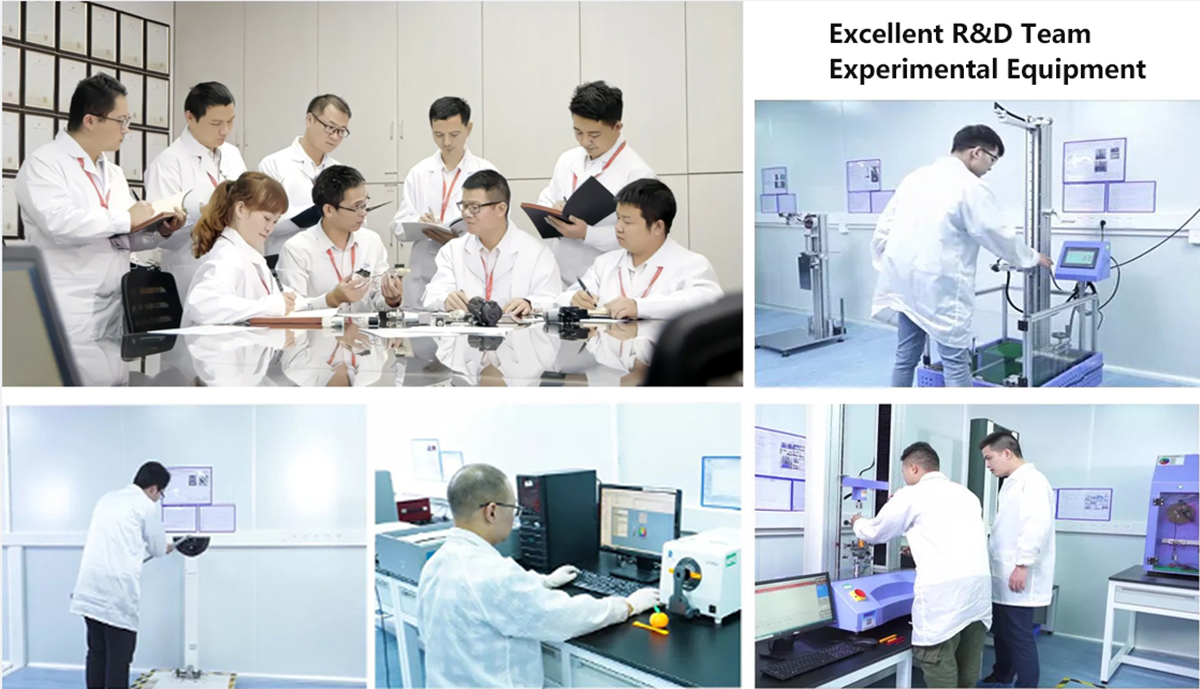
Quality Control & Certified Operational Safety
The factory area has passed ISO45001 occupational health and safety management system certification. Every new employee must be experienced one week of safety production knowledge teaching and two weeks of produce skills training, and master every course in the production process. Who is in the position will be responsible for its duty.
Comprehensive traceability tracking guarantees that every spool of filament is logged with production metrics from raw resin compounding through final spool winding.
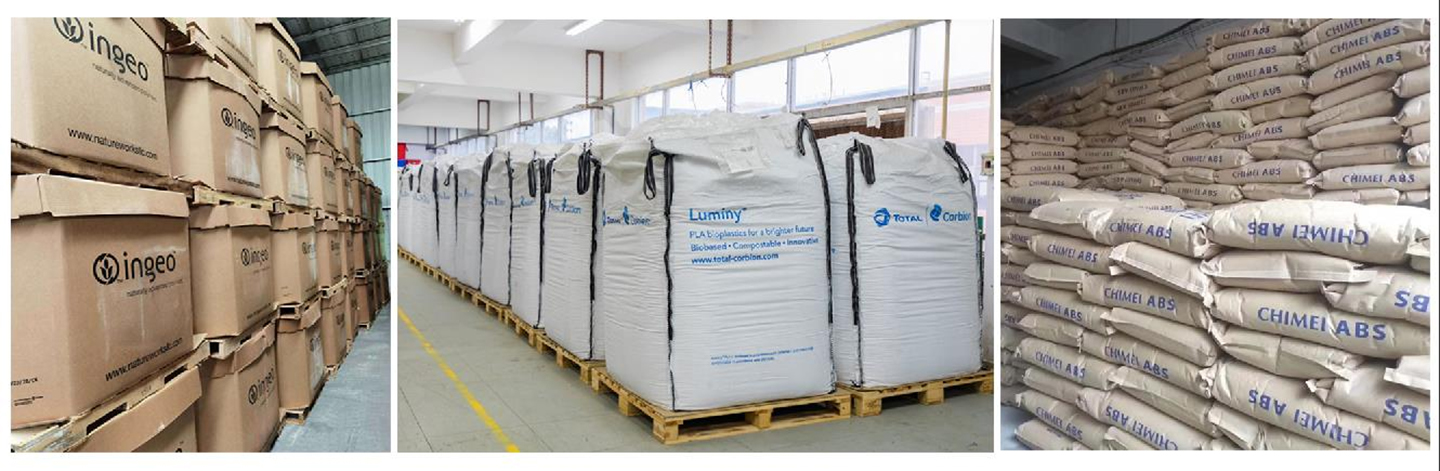
Virgin Raw Material Compounding & Proven Sources
PLA is the most preferred material for 3D printing, Torwell firstly chooses PLA from US NatureWorks, and Total-Corbion is the alternative. ABS from TaiWan ChiMei, PETG from South Korea SK. Each batch of main raw materials comes from the partners who has cooperated more than 5 years to ensure the reliability of the products from the source. Each batch of raw materials will undergo parameters inspection before produce to ensure that raw materials are original and virginal.
Our flexible matrix blends and high-purity carbon additions undergo differential scanning calorimetry (DSC) and melt flow indexing (MFI) to assure uniform viscosity.
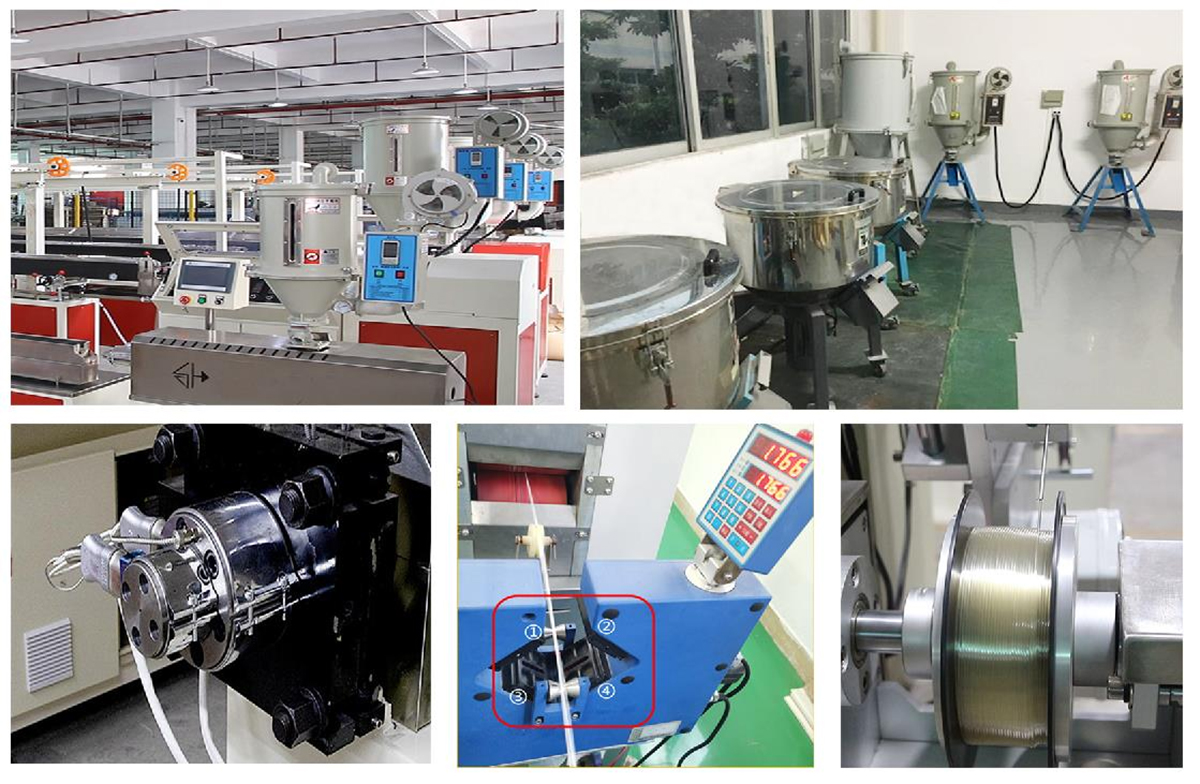
Advanced Extrusion Lines & Precision Calibration
The manufacturing workshop will make arrangements after the inspection of raw materials, at least two engineers cross-check the clearance of mixing tank, color mixed of material, humidity from hopper dryer, temperature of extruder, hot/cool tank, and trial-produce and debugging the produce line to make sure all of processes in the best condition. Maintain the filament Diameter tolerance +/- 0.02mm, Roundness tolerance +/- 0.02mm.
Real-time closed-loop laser feedback systems continually adjust haul-off speeds to eliminate filament necking and ovality defects.
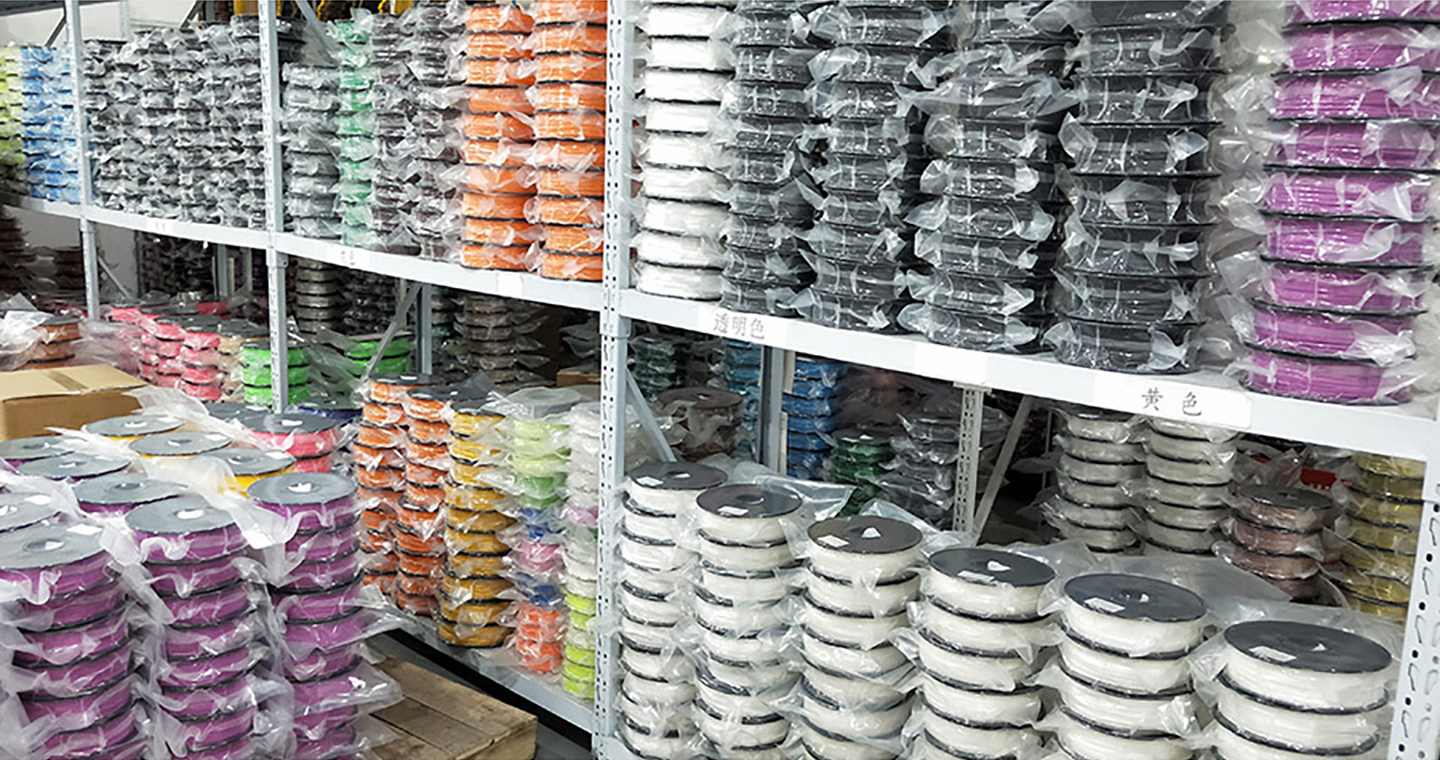
24-Hour Vacuum Integrity & Batch Inspection
After each batch of 3D filament is produced, two quality inspectors will conduct random inspections on each batch of finished products in accordance with the requirements of the standard, such as diameter tolerance, color consistency, strength and toughness and so on. After vacuuming the package, place them for 24 hours to check whether there is any leaking package, then label it and finish the package.
Zero-leak desiccated packaging ensures customers receive moisture-free filaments primed for immediate zero-defect gasket printing.
Future Trends: Smart Gaskets & Continuous Fiber Architectures
The frontier of sealing technology is rapidly moving beyond passive fluid containment toward active condition-monitoring composite systems.
1. Piezoresistive "Smart" Gaskets: By fine-tuning the percolation threshold of carbon nanotubes and carbon fibers within flexible TPU filaments, additive researchers are producing gaskets that alter their electrical resistance proportionally to local compressive stress. These smart seals function as continuous tactile sensor arrays, alerting facility operators to localized bolt loosening or impending gasket blowouts before catastrophic leakage occurs.
2. Continuous Carbon Fiber Co-Extrusion: Next-generation multi-material 3D printers are integrating continuous carbon fiber strands directly inside elastomeric sealing lips. This creates ultra-high burst strength gaskets capable of withstanding hydraulic shock pressures exceeding 25 MPa while retaining soft, flexible sealing perimeters.
3. Circular Bio-Composite Matrices: Next-wave industrial sustainability demands closed-loop material life cycles. Bio-derived thermoplastic elastomers reinforced with recycled aerospace carbon fiber scrap are offering equivalent mechanical damping and lower carbon footprints for eco-conscious industrial OEMs.
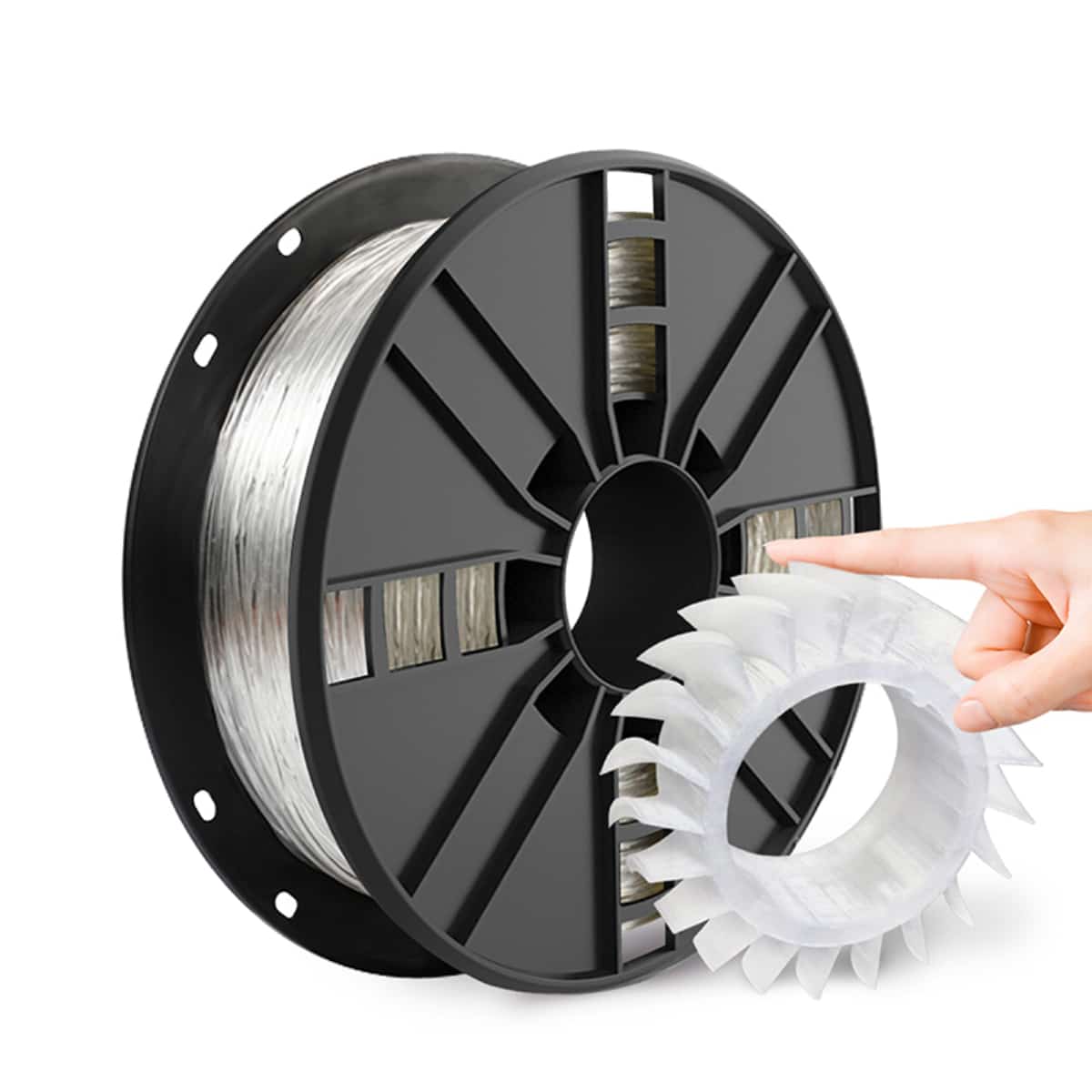
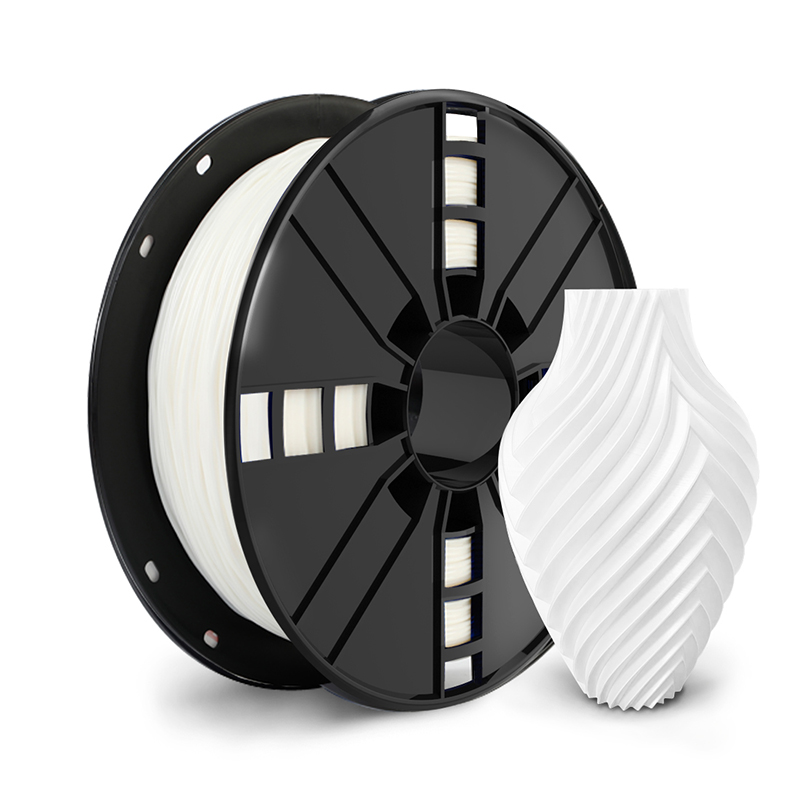
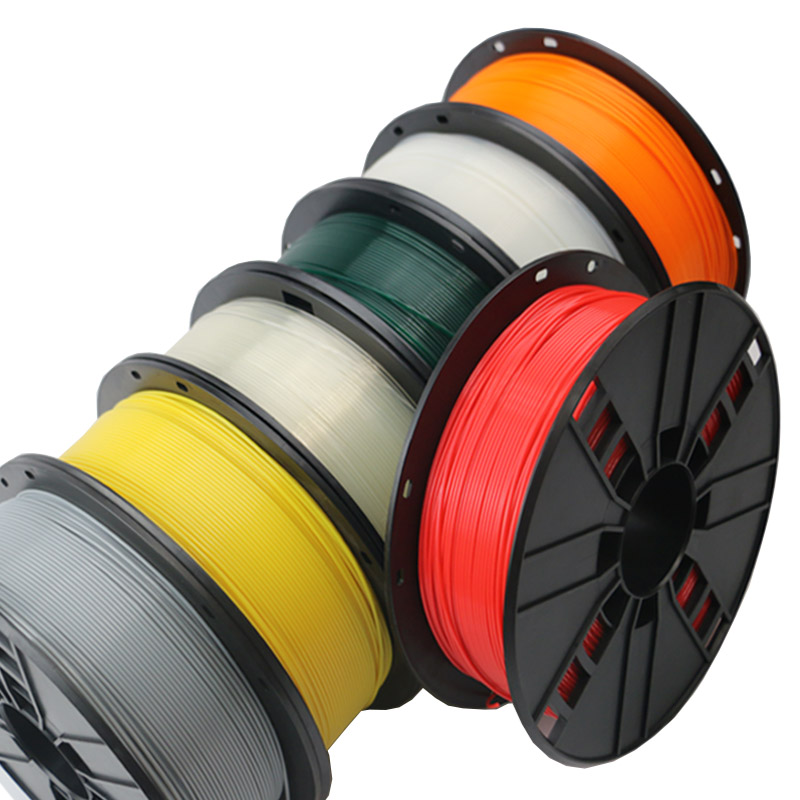
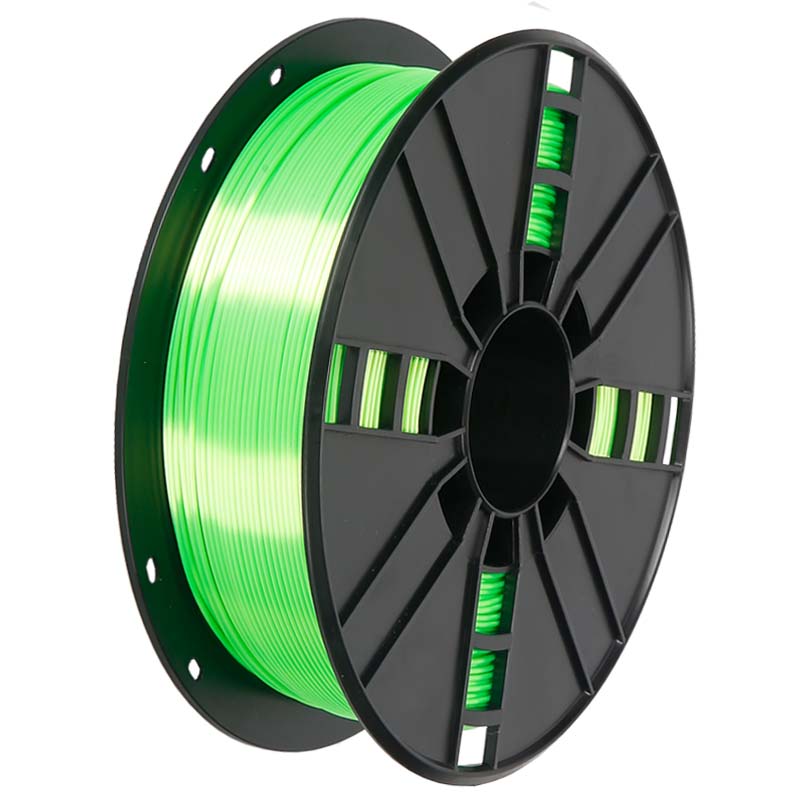
Comprehensive Industrial Filaments Portfolio For Mechanical Engineering
Explore our complete array of high-precision materials engineered for demanding mechanical gaskets, dynamic prototypes, and structural production components.
Frequently Asked Questions: Carbon Fiber Gasket Filaments
Q1: How does carbon fiber reinforcement prevent gasket blowout compared to standard flexible TPU?
Standard TPU exhibits high Poisson's ratio expansion under axial compressive bolt loading. When internal pipeline fluid pressure surges, pure TPU yields radially outward into the flange clearance gap (extrusion blowout). The embedded high-aspect micro-carbon fibers provide substantial radial tensile stiffness that resists hoop stress while retaining the axial compliance needed to fill micro-imperfections in the flange surface.
Q2: Will carbon fibers create micro-leakage channels along the print layers?
No, provided the printing parameters are properly calibrated. When printing with an extrusion multiplier of 1.02–1.05 and maintaining appropriate nozzle melt temperatures (230°C–250°C), the matrix polymer completely encapsulates the chopped carbon micro-fibers. Slicing with concentric perimeter toolpaths further ensures there are no linear through-thickness seam voids.
Q3: What nozzle hardware is recommended for abrasive carbon-filled flexible filaments?
Standard brass nozzles will rapidly wear out within 100–300 grams of extrusion, widening the orifice and degrading gasket dimensional tolerance. It is strongly recommended to use hardened steel, ruby-tipped, or tungsten carbide nozzles paired with direct-drive extruders featuring dual-drive hardened gears to ensure consistent filament grip without chewing flexible strands.
Q4: What post-processing or annealing is recommended for critical fluid sealing?
For extreme pressure applications (> 5 MPa), thermal annealing in a vacuum oven at 80°C–100°C for 2 hours allows minor residual internal printing stresses to relax and enhances secondary molecular crystallization in copolyester/TPU matrices, elevating the temperature resistance and compression recovery of the finished seal.