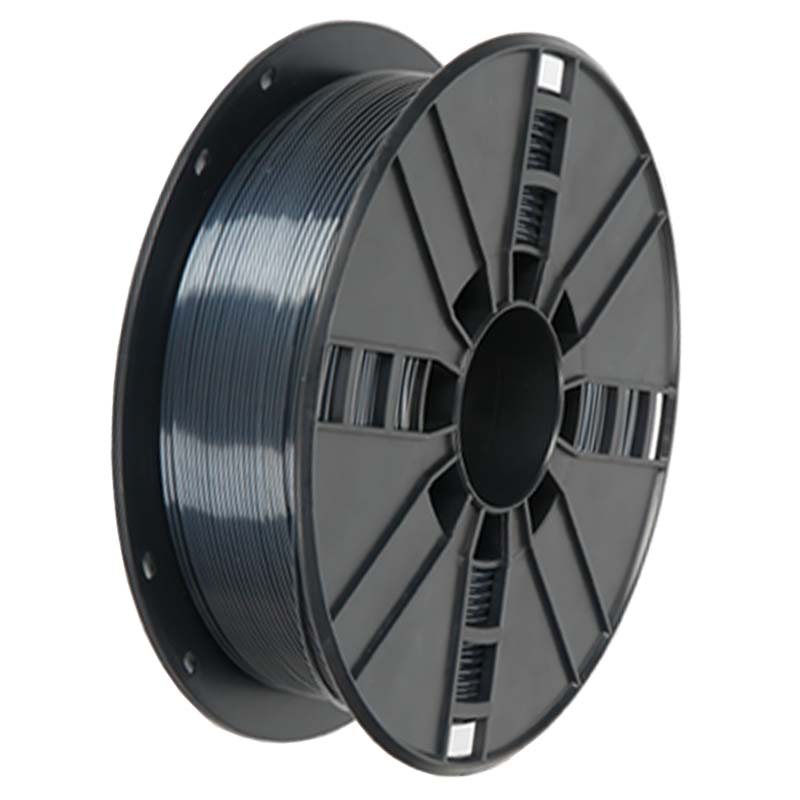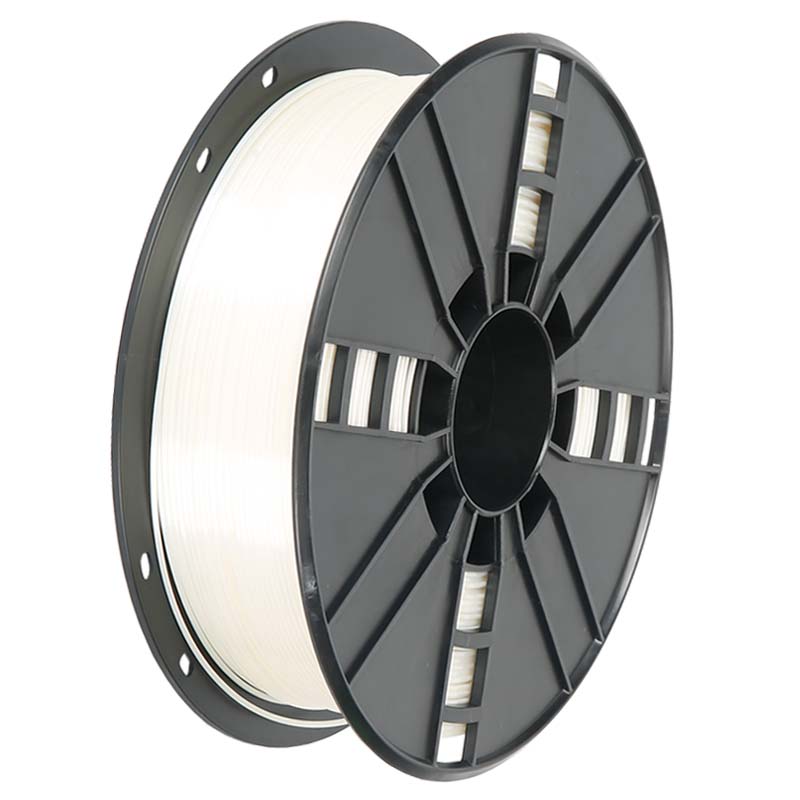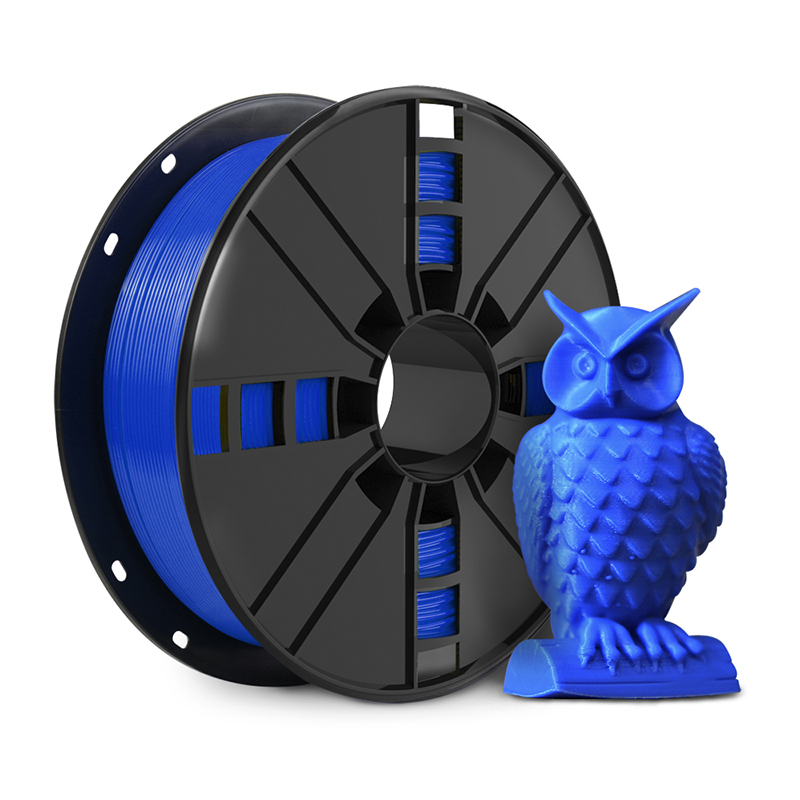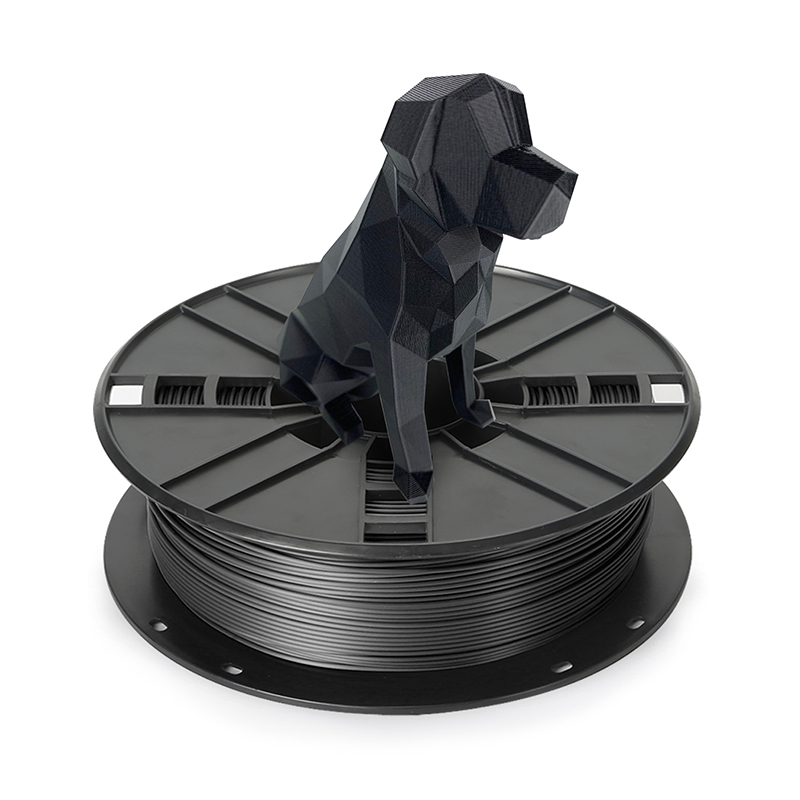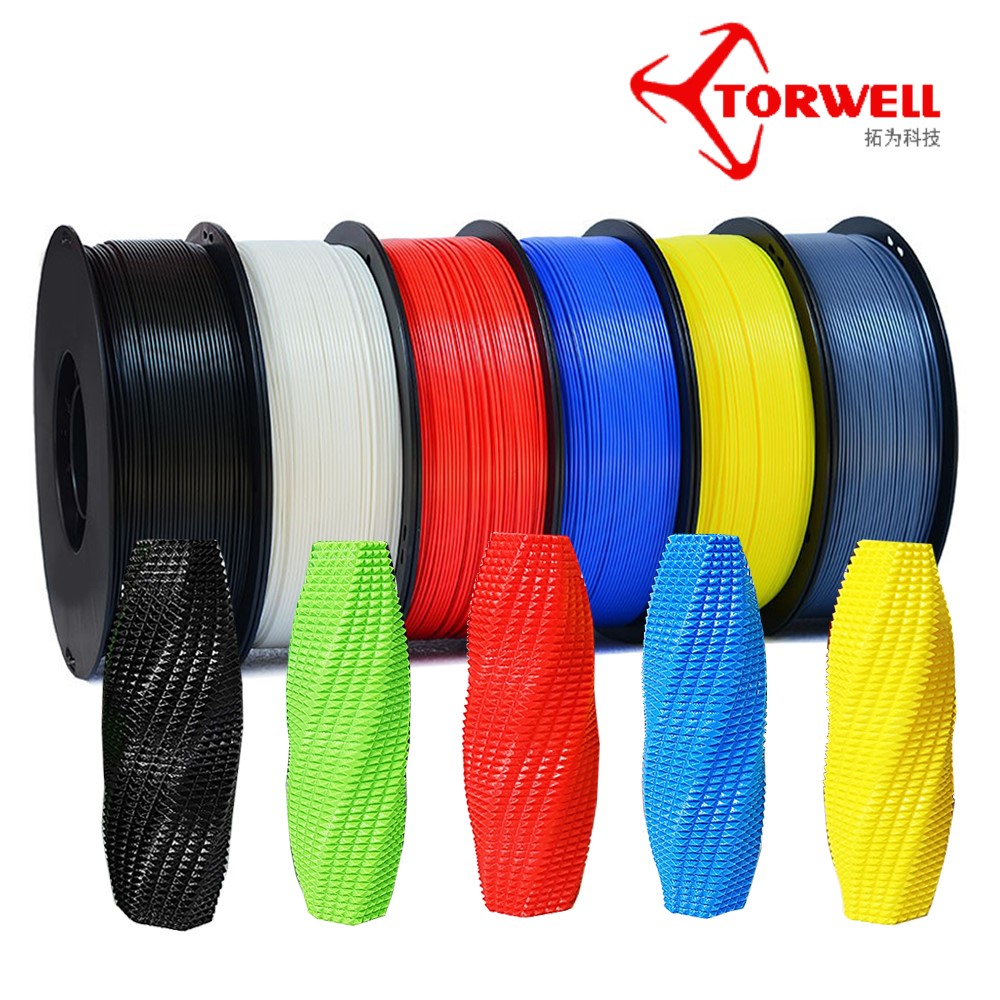
Featured Engineering Materials for Gasket Prototyping & Fixtures
Explore our specialized performance filaments utilized across industrial manufacturing lines for custom tooling, mold casting, and direct mechanical validation.
Industrial Dynamics: The Paradigm Shift in Custom Gasket Fabrication
How additive manufacturing with Carbon Fiber reinforced Glycol-modified Polyethylene Terephthalate (PETG) solves legacy engineering bottlenecks in fluidics, pneumatics, and automotive engineering.
Overcoming Traditional Subtractive & Die-Cut Bottlenecks
Traditional gasket fabrication relies predominantly on die cutting, CNC knife oscillating tables, or compression molding using vulcanized elastomers such as Nitrile Butadiene Rubber (NBR), Neoprene, or Ethylene Propylene Diene Monomer (EPDM). While these methods excel at high-volume runs of flat geometries, they present extreme cost barriers, lead-time penalties, and design constraints when custom multi-planar channels, integrated bolt locators, or rapid replacement parts are urgently required in modern industrial facilities.
With the acceleration of Industry 4.0 and decentralized on-demand digital inventory, engineers are rapidly adopting Fused Deposition Modeling (FDM / FFF) to manufacture functional mechanical seals. Carbon Fiber PETG (CF-PETG) stands at the pinnacle of this revolution, providing a unique intersection of elastic recovery, chemical inertness, high modulus stiffness along the fiber axis, and superior inter-layer bonding.
The Mechanical Synergy of PETG and Short Carbon Fibers
Base PETG polymer is widely celebrated in engineering circles for its remarkable balance of mechanical toughness, low moisture absorption relative to polyamides, and robust resistance to dilute acids, alkalis, oils, and greases. However, pure PETG can suffer from creep relaxation under sustained mechanical clamping pressure when subjected to continuous torque loads in bolted flange joints.
By compounding virgin medical/industrial-grade PETG with micro-dispersed high-aspect-ratio short carbon fibers (typically 10% to 20% by weight), the resulting composite achieves enhanced tensile modulus, near-zero isotropic shrinkage during cooling, and tremendous resistance to long-term compressive creep. This structural reinforcement prevents gasket extrusion under high internal fluid pressures while preserving sufficient flexural elasticity to conform to micro-irregularities on mating metal surfaces.
Technical Performance Analysis: CF-PETG vs Conventional Gasket Polymers
A detailed physical and chemical comparative breakdown assessing structural viability in harsh operating environments.
Selecting the ideal polymer for flexible mechanical gaskets requires balancing durometer hardness, tensile elongation at break, heat deflection temperature (HDT), and resistance to permanent compression set. Unlike purely elastomeric materials like Thermoplastic Polyurethane (TPU 95A/85A) which excel in ultra-soft low-pressure sealing but easily distort or extrude out of high-pressure retaining grooves, Carbon Fiber PETG functions as a semi-flexible, high-rigidity structural gasket material capable of serving dual roles as a sealing boundary and a rigid load-bearing spacer.
| Performance Metric | Carbon Fiber PETG (CF-PETG) | Flexible TPU (95A) | Carbon Fiber Nylon (CF-PA) | Standard Pure PETG |
|---|---|---|---|---|
| Tensile Modulus (MPa) | 4,800 – 6,200 High Rigidity | 120 – 250 (Hyper-elastic) | 5,500 – 7,800 | 2,100 – 2,400 |
| Resistance to Flange Creep | Excellent (Fiber interlocking) | Moderate to Low | High (Requires dry state) | Moderate |
| Moisture Absorption Sensitivity | Very Low (<0.3%) | Moderate (Hydrolytic risk) | High (>2.5% Equilibrium) | Low (<0.4%) |
| Chemical Resistance (Oils/Fuels) | Broad Resistance | Good for Oils / Poor for Acids | Resistant to Fuels | Good |
| Print Dimensional Accuracy | ±0.02 mm (Anti-Warping) | Challenging (Stringing prone) | Moderate (Chamber required) | Good (±0.05 mm) |
| Operating Temperature Range | -20°C to +80°C | -30°C to +75°C | -40°C to +130°C | -10°C to +70°C |
Dimensional Anti-Warp Stability
Carbon fibers significantly lower the coefficient of thermal expansion (CTE). Large-diameter flange gaskets print completely flat without perimeter curling, ensuring uniform surface contact across all sealing perimeters.
Hydrophobic Chemical Shielding
Unlike Polyamide (Nylon) based composites which swell and lose up to 40% of their mechanical modulus when exposed to humid ambient air or aqueous coolants, CF-PETG maintains complete geometric and mechanical stability.
Anti-Extrusion Shear Strength
Under high hydrostatic clamp pressures, soft gaskets experience lateral blowout or extrusion. CF-PETG’s internal fiber skeleton provides incredible shear resistance along layer lines, locking the gasket firmly inside retaining grooves.
Comprehensive Engineering Application Scenarios
Real-world deployment of Carbon Fiber PETG sealing components across mission-critical aerospace, automotive, marine, and industrial sectors.
1. Automotive Powertrain & Fluid Transfer Test Rigs
In automotive powertrain R&D, prototype engines and gearbox housings undergo rapid iterations where standard OEM gaskets are unavailable. CF-PETG is deployed to print custom intake manifold seals, transmission inspection port gaskets, and coolant redirect baffles. The composite resists exposure to synthetic motor lubricants, ethylene glycol coolant mixtures, and intermittent thermal spikes without softening or leaching plasticizers.
2. Marine & Underwater Robotic Enclosures (ROV / AUV)
Subsea robotics demand lightweight, pressure-rated watertight seals capable of enduring cyclic ocean depths. CF-PETG gaskets integrated with dual O-ring compression profiles provide high hydrostatic resistance against seawater ingress. The hydrophobic nature of PETG prevents salt crystallization inside micro-porosities, preserving structural integrity over prolonged deep-sea exposure.
3. Industrial Pneumatic Valve Manifolds & Blower Flanges
Factory automation uses compressed air distribution lines that vibrate continuously. Purely soft elastomer gaskets often degrade due to cyclic mechanical shear around fastener holes. CF-PETG provides a semi-rigid mechanical seat that dampens mechanical vibrations while maintaining a non-permeable air-tight barrier, reducing costly compressed-air energy loss across production floors.
4. Custom Chemical Storage Vessel Port Seals & Isolators
Process manufacturing facilities frequently handle non-polar chemical solutions, dilute agricultural fertilizers, and industrial washing agents. CF-PETG replacement gaskets printed on-demand eliminate weeks of downtime waiting for specialized tooling. The carbon fiber orientation prevents the seal from bulging outward when bolts are torqued to high clamping specifications.
Additive Processing Best Practices for Air & Fluid Tight Seals
Mastering slicer parameters, thermal profiles, and toolpath strategies to achieve 100% watertight and airtight FDM mechanical seals.
Extrusion Temperature & Tooling
Due to the abrasive nature of carbon fibers, a hardened steel, tungsten carbide, or ruby-tipped nozzle (0.4mm or 0.6mm diameter) is mandatory. Print at temperatures between 240°C and 260°C with a bed temperature of 75°C to 85°C to ensure optimal melt viscosity and maximum inter-layer molecular diffusion.
Perimeter & Infill Configuration
To eliminate internal micro-cavities where fluids could track via capillary action, configure the slicer to 100% concentric infill or increase the perimeter wall count so the entire gasket cross-section is solid continuous bead paths. Set flow rate (extrusion multiplier) slightly higher (+2% to +4%) to fill interstitial voids.
Surface Sealing & Hybrid Gasket Design
For demanding high-pressure fluid applications, engineers frequently design CF-PETG gaskets featuring integrated tongue-and-groove profiles or co-mold them with thin RTV silicone beads. The CF-PETG structural core absorbs compressive torque while the elastomeric top layer seals microscopic toolpath ridges.
Manufacturing Excellence & Stringent Quality Standards
Behind every high-performance spool is an internationally certified production infrastructure operating under rigorous quality control protocols.
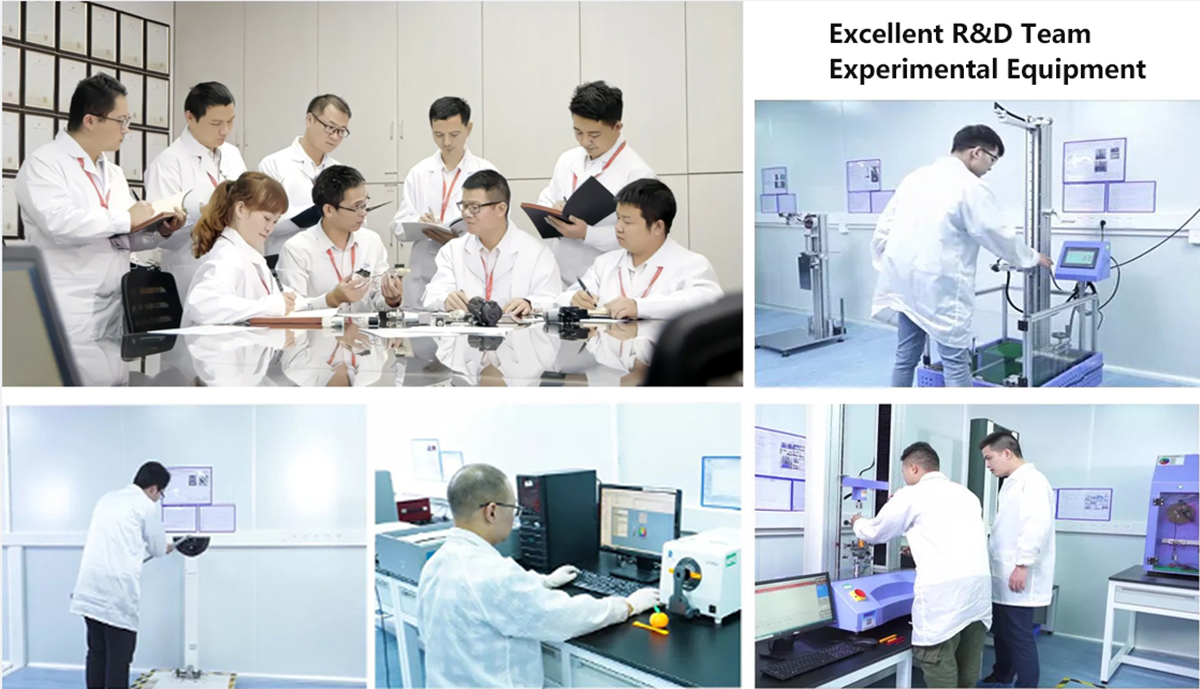
Quality Control
The factory area has passed ISO45001 occupational health and safety management system certification. Every new employee must be experienced one week of safety production knowledge teaching and two weeks of produce skills training, and master every course in the production process. Who is in the position will be responsible for its duty.
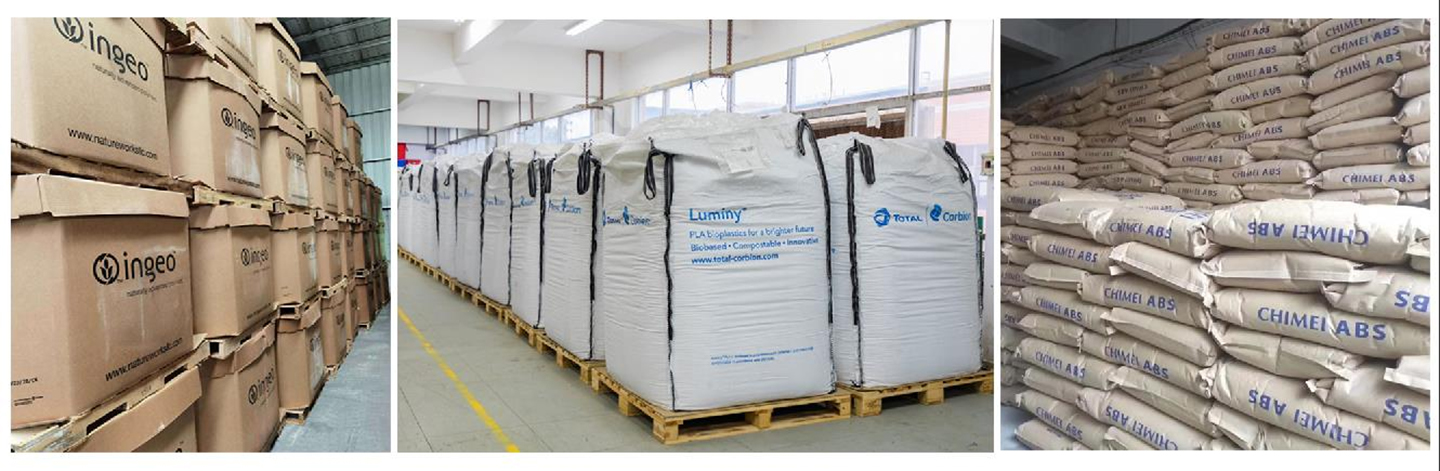
Raw Material
PLA is the most preferred material for 3D printing, Torwell firstly chooses PLA from US NatureWorks, and Total-Corbion is the alternative. ABS from TaiWan ChiMei, PETG from South Korea SK. Each batch of main raw materials comes from the partners who has cooperated more than 5 years to ensure the reliability of the products from the source. Each batch of raw materials will undergo parameters inspection before produce to ensure that raw materials are original and virginal.
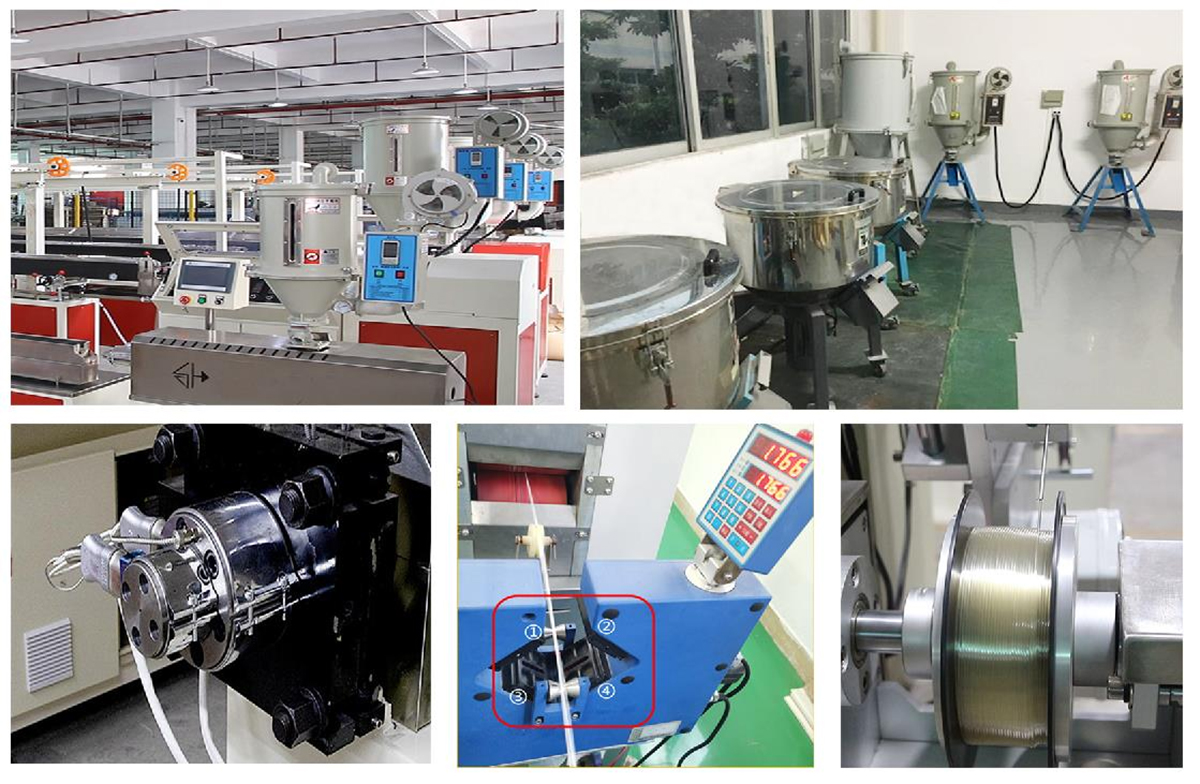
Equipment
The manufacturing workshop will make arrangements after the inspection of raw materials, at least two engineers cross-check the clearance of mixing tank, color mixed of material, humidity from hopper dryer, temperature of extruder, hot/cool tank, and trial-produce and debugging the produce line to make sure all of processes in the best condition. Maintain the filament Diameter tolerance +/- 0.02mm, Roundness tolerance +/- 0.02mm.
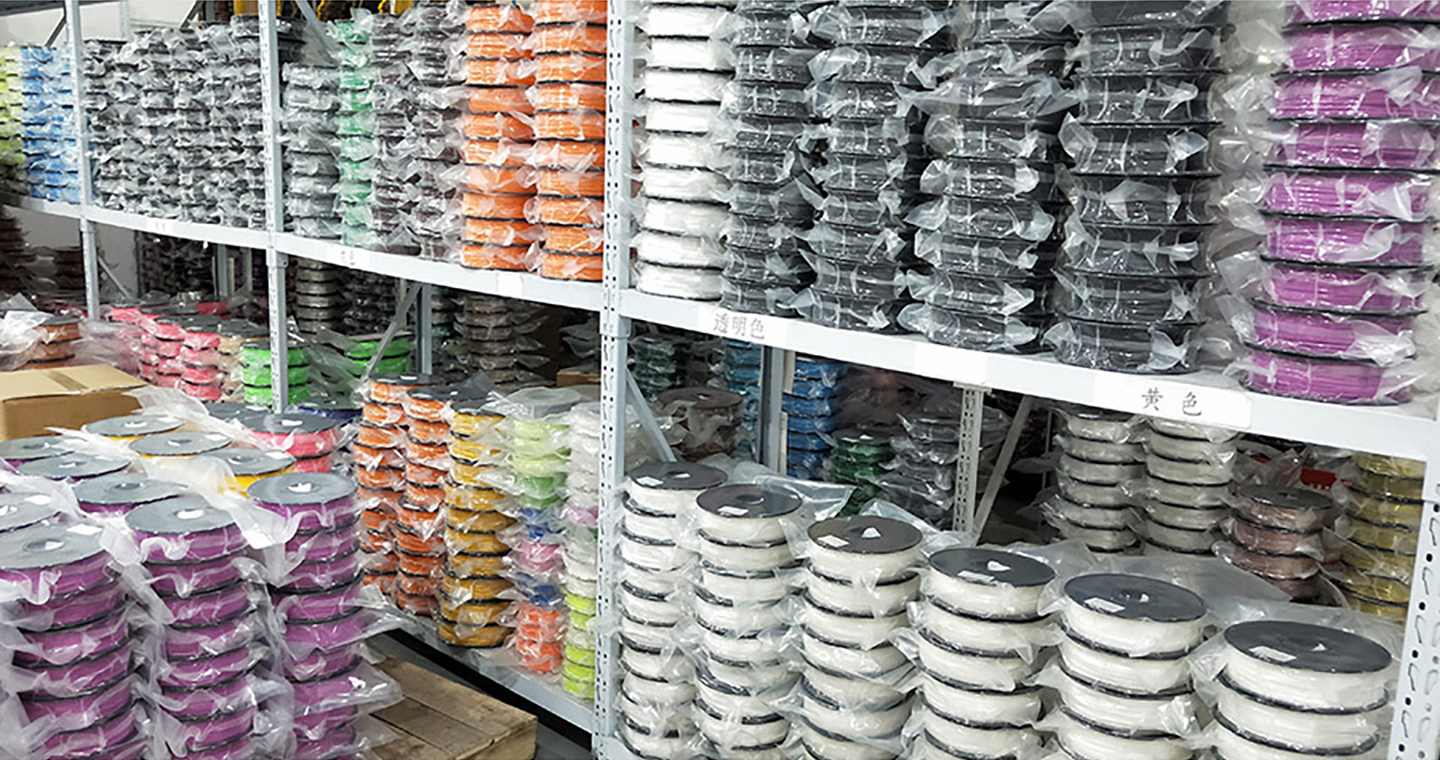
Final Inspection
After each batch of 3D filament is produced, two quality inspectors will conduct random inspections on each batch of finished products in accordance with the requirements of the standard, such as diameter tolerance, color consistency, strength and toughness and so on. After vacuuming the package, place them for 24 hours to check whether there is any leaking package, then label it and finish the package.
The Future of Additive Sealing: Continuous Fiber, AI & Multi-Material Co-Extrusion
Where cutting-edge material science meets generative digital engineering.
AI-Driven Generative Gasket Topology
The next frontier in mechanical gasket design involves artificial intelligence and finite element analysis (FEA) algorithms that automatically compute non-uniform thickness profiles across the gasket face. By placing localized carbon fiber reinforcement ribs directly along high-stress bolt-load vectors and flexible sealing channels in lower-pressure zones, generative gaskets minimize clamping torque distortion while ensuring a hermetic seal.
Multi-Material Dual-Extrusion Sealing
Dual-head additive systems are enabling the production of unified hybrid gaskets in a single print cycle. A rigid Carbon Fiber PETG backbone provides structural anti-warp geometry and fastener locator holes, while an elastic TPU or modified fluoroelastomer contact rib is co-extruded onto the sealing ridge. This eliminates the multi-stage assembly process, streamlining high-performance industrial MRO workflows.
Complete Precision Filament & Engineering Materials Portfolio
Explore our full line of industrial-grade 3D printing filaments manufactured to strict ±0.02 mm tolerances for prototyping, functional mechanics, and end-use manufacturing.