
Featured High-Performance Drone Fabrication Materials
Specially selected composite and functional polymer formulations engineered for rapid prototyping, aerodynamic airframe enclosures, and high-tensile structural UAV chassis components.
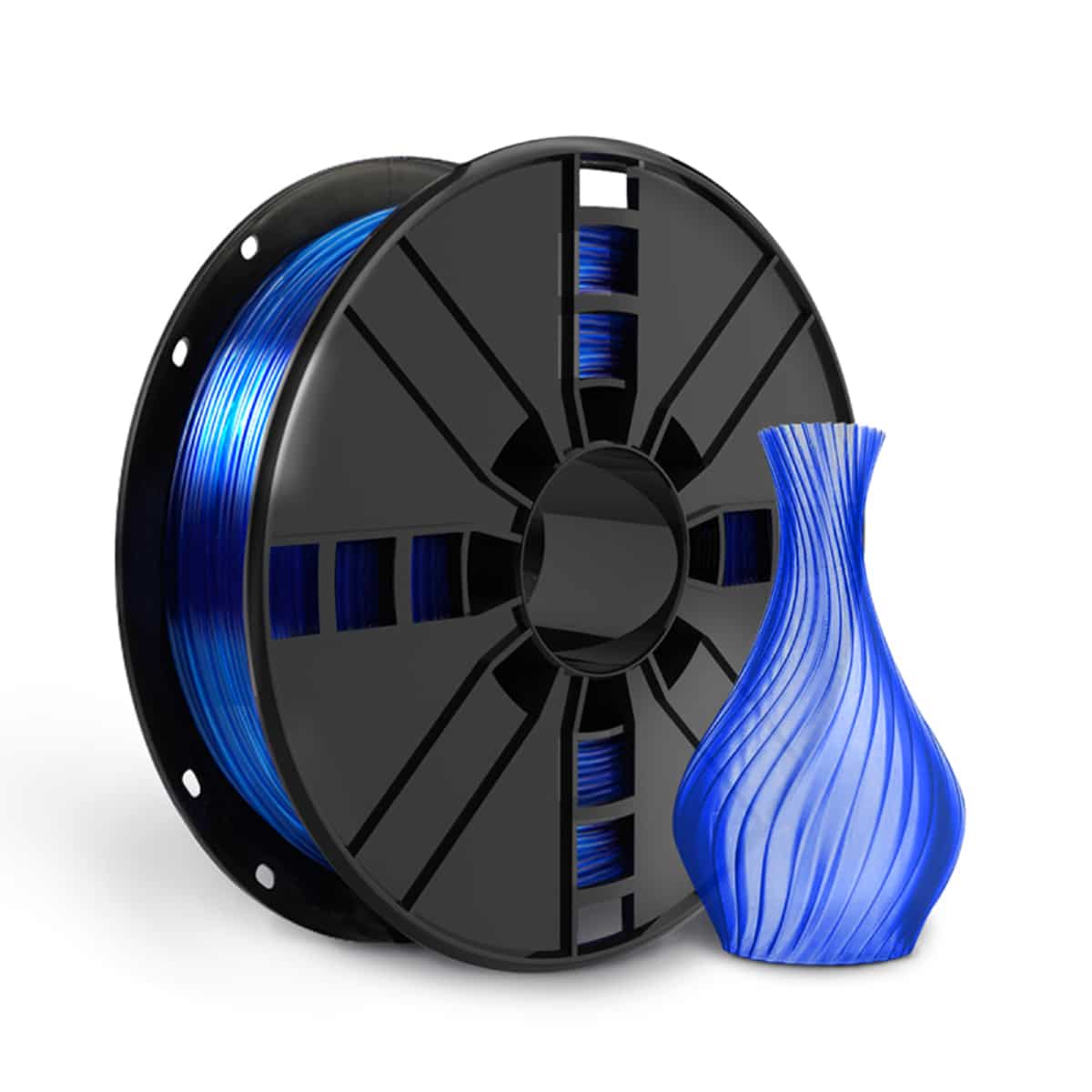
PETG filament 1.75 Blue for 3D printing (UAV Canopy & Duct Grade)
High Toughness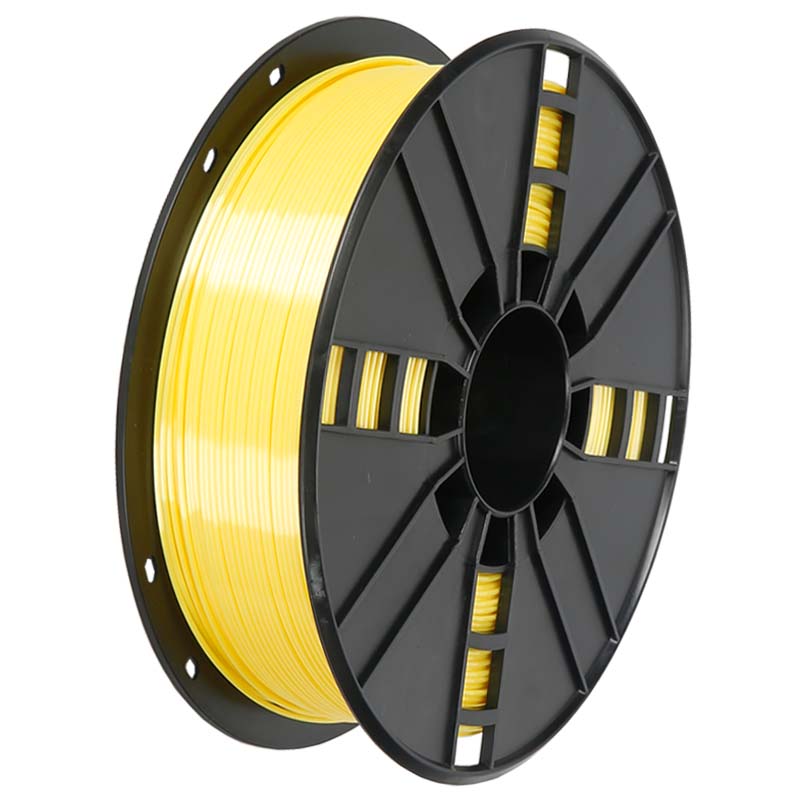
Silky Shiny PLA filament Yellow Color (Aero Visual Testing)
Visual Prototyping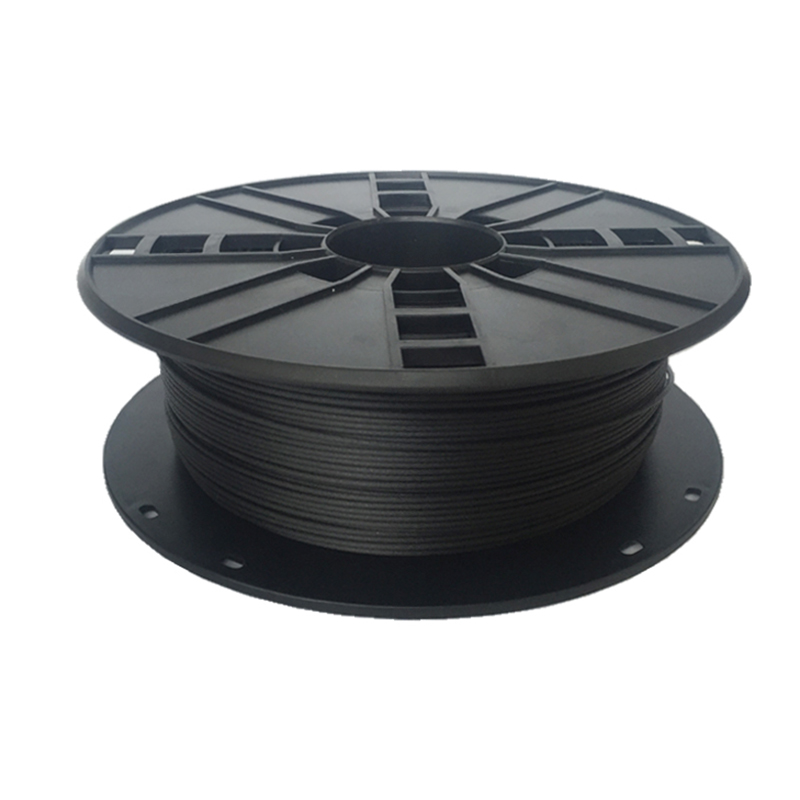
3D Printer Filament Carbon Fiber PLA Black Color (Rigid Spars)
High Modulus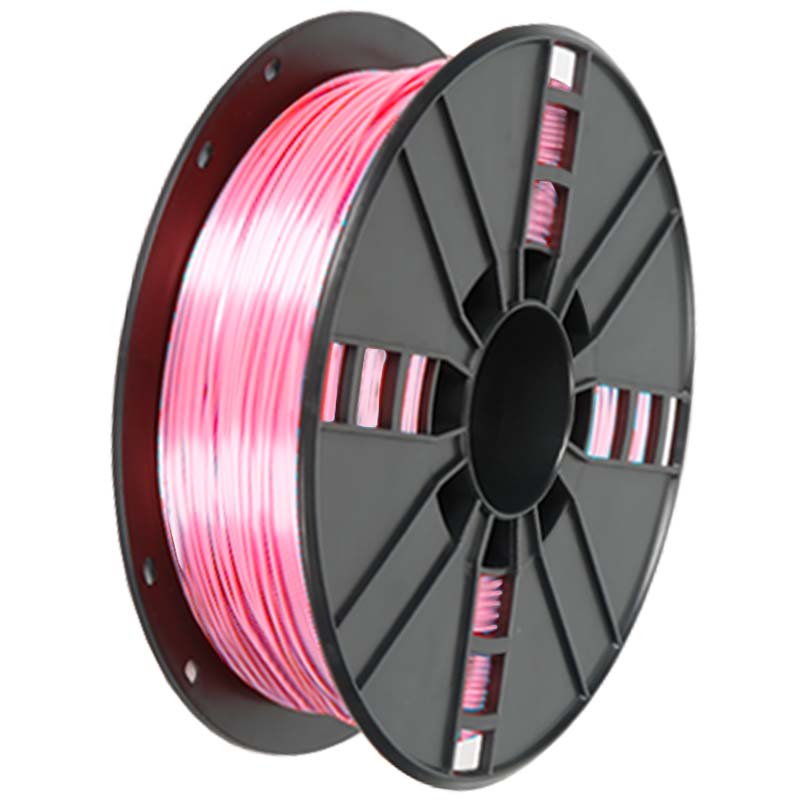
Silky Shiny 3D Printing Material for 3D Printer & Pen (Aero Mockups)
Design IterationThe Evolution of Lightweight Composite UAV Airframes
Bridging the gap between brittle standard polymers and prohibitively expensive subtractive carbon CNC machining for modern commercial unmanned aircraft.
Superior Stiffness-to-Weight Ratio
By blending precision-chopped high-modulus carbon fibers into an optimized glycol-modified polyethylene terephthalate (PETG) matrix, the material delivers structural stiffness comparable to lightweight alloys while decreasing overall takeoff mass.
Harmonic Damping & Motor Resonance
High-RPM drone propulsion motors generate continuous acoustic vibrations. Carbon Fiber PETG features an anisotropic internal microstructure that disperses resonant shockwaves, significantly improving gyro sensor telemetry and flight controller stability.
Hydrophobic & Thermal Resistance
Unlike polyamide-based composites (PA-CF) that suffer from atmospheric moisture absorption and dimensional softening, CF-PETG provides zero hygroscopic degradation during humid outdoor flight conditions and maintains high mechanical yield strength up to 75°C.
Commercial and Industrial Landscape of Additive Composite Drone Frames
The unmanned aerial vehicle (UAV) sector is undergoing an aggressive transition toward rapid deployment, mission-customized airframes, and distributed field repairability. Traditionally, high-strength industrial drones utilized laminated woven carbon fiber sheet plates paired with CNC-machined aluminum standoffs. While exceptionally stiff, subtractive plate machining creates immense material waste, high tooling overheads, and geometric limitations that hinder aerodynamic consolidation.
Carbon Fiber PETG (PETG-CF) additive manufacturing represents a groundbreaking paradigm shift for commercial drone OEMs, defense integrators, and agricultural monitoring platforms. By harnessing continuous FDM (Fused Deposition Modeling) extrusion with carbon fiber chopped strands, engineers can now produce unibody aerodynamic monocoques, internally webbed hollow arms, and modular payload bays in hours rather than weeks.
From an economic standpoint, the integration of Carbon Fiber PETG reduces the bill of materials (BOM) cost by up to 65% compared to multi-axis carbon plate milling and titanium hardware. Furthermore, the internal void patterns generated by slicer infill algorithms (such as gyroid or cubic lattices) achieve an optimized strength-to-weight distribution that cannot be replicated through traditional composite molding or subtractive CNC operations.
Comprehensive Engineering Application Analysis in UAV Design
Exploring critical airframe sub-assemblies where Carbon Fiber PETG exhibits optimal physical performance under operational dynamic loads.
1. High-Torque Motor Mounts and Arm Booms
Quadcopter, hexacopter, and octocopter arms endure immense cyclic cantilever bending loads during aggressive maneuvers and crosswind compensations. Standard thermoplastics suffer from creep deformation under the continuous thermal dissipation of brushless drone motors (often exceeding 60°C). Carbon Fiber PETG reinforces the amorphous PETG polymer chains, offering an elevated heat deflection temperature (HDT) and zero arm flex, ensuring instantaneous flight control response and crisp PID tuning loops.
2. Multi-Spectral Gimbal Mounts and Sensor Enclosures
Payload pods carrying LiDAR scanners, high-resolution thermal imaging cameras, and optical zoom gimbals demand maximum rigidity to eliminate optical blur (jello effect). The high flexural modulus of CF-PETG prevents high-frequency oscillation transmission from the central fuselage to the payload suspension plate. Its matte carbon finish also mitigates stray optical reflections during surveillance and aerial mapping missions.
3. Internal Avionics Structural Skeletons and Battery Trays
Heavy lithium polymer (LiPo) and solid-state battery packs subject central frame chassis to intense multi-axis g-forces during rapid decelerations and hard landings. CF-PETG frames engineered with reinforced structural gussets resist fracture impact loads, protecting mission-critical flight controllers, telemetry ESC units, and power distribution modules without imposing unnecessary weight penalties on maximum flight duration.
4. High-Stress Landing Gear & Quick-Release Mechanism Clamps
Agricultural and commercial delivery drones frequently operate on rough, uneven terrain. Landing assemblies printed with Carbon Fiber PETG exhibit superior toughness and strain-energy dissipation compared to pure PLA or resin prints, preventing catastrophic delamination during high-velocity vertical descents.
Mechanical Specification Benchmark: Carbon Fiber Composite Comparison
| Engineering Parameter | Standard PETG | Torwell CF-PETG Composite | PA6-CF (Nylon Carbon) | Aerospace PLA-CF |
|---|---|---|---|---|
| Tensile Modulus (MPa) | 2,100 | 4,850 - 5,400 | 5,800 (Dry) / 3,200 (Conditioned) | 4,200 |
| Tensile Strength (MPa) | 48 | 68 - 74 | 85 (Dry) / 55 (Conditioned) | 58 |
| Heat Deflection Temp (0.45 MPa) | 68°C | 78°C - 82°C | 155°C | 55°C |
| Moisture Absorption (24hr @ 23°C) | < 0.2% | < 0.15% (Extremely Stable) | > 2.5% (High Swelling Risk) | < 0.4% |
| Bed Adhesion & Warping Tendency | Low | Ultra-Low / Near Zero Shrinkage | High (Requires Heated Chamber) | Very Low |
| Vibration Damping Coeff. (Tan δ) | 0.035 | 0.068 (Superior Resonance Dissipation) | 0.052 | 0.028 |
FDM Slicing & Additive Parameter Optimization for Airframe Durability
Achieving maximum mechanical integrity in 3D-printed drone airframes requires precise thermal and geometric slicing configurations. When fabricating structural frames with Torwell Carbon Fiber PETG, consider the following critical printing parameters:
1. Tooling & Nozzle Selection: Due to the abrasive nature of chopped carbon fibers, hardened steel, tungsten carbide, or ruby-tipped nozzles (minimum 0.4mm or optimal 0.6mm diameter) are strictly recommended to prevent rapid bore erosion and extrusion under-metering.
2. Thermal Profile & Layer Bonding: Extrude at temperatures between 240°C and 260°C with a heated bed temperature of 75°C to 85°C. Minimizing the part cooling fan speed (between 20% and 40%) enhances interlayer polymer diffusion, preventing Z-axis delamination under dynamic flight shear stresses.
3. Wall Thickness & Infill Architecture: For motor arms and structural beams, utilize a minimum of 4 to 6 perimeter perimeters with a 35% to 50% 3D Gyroid infill. The continuous isotropic curvature of gyroid infill distributes multidirectional torsional forces evenly across the entire airframe shell.
Torwell Technologies Co., Ltd. – Enterprise Manufacturing Excellence
A pioneering high-tech enterprise dedicated to the R&D, precision manufacturing, and global distribution of advanced additive manufacturing polymer filaments.
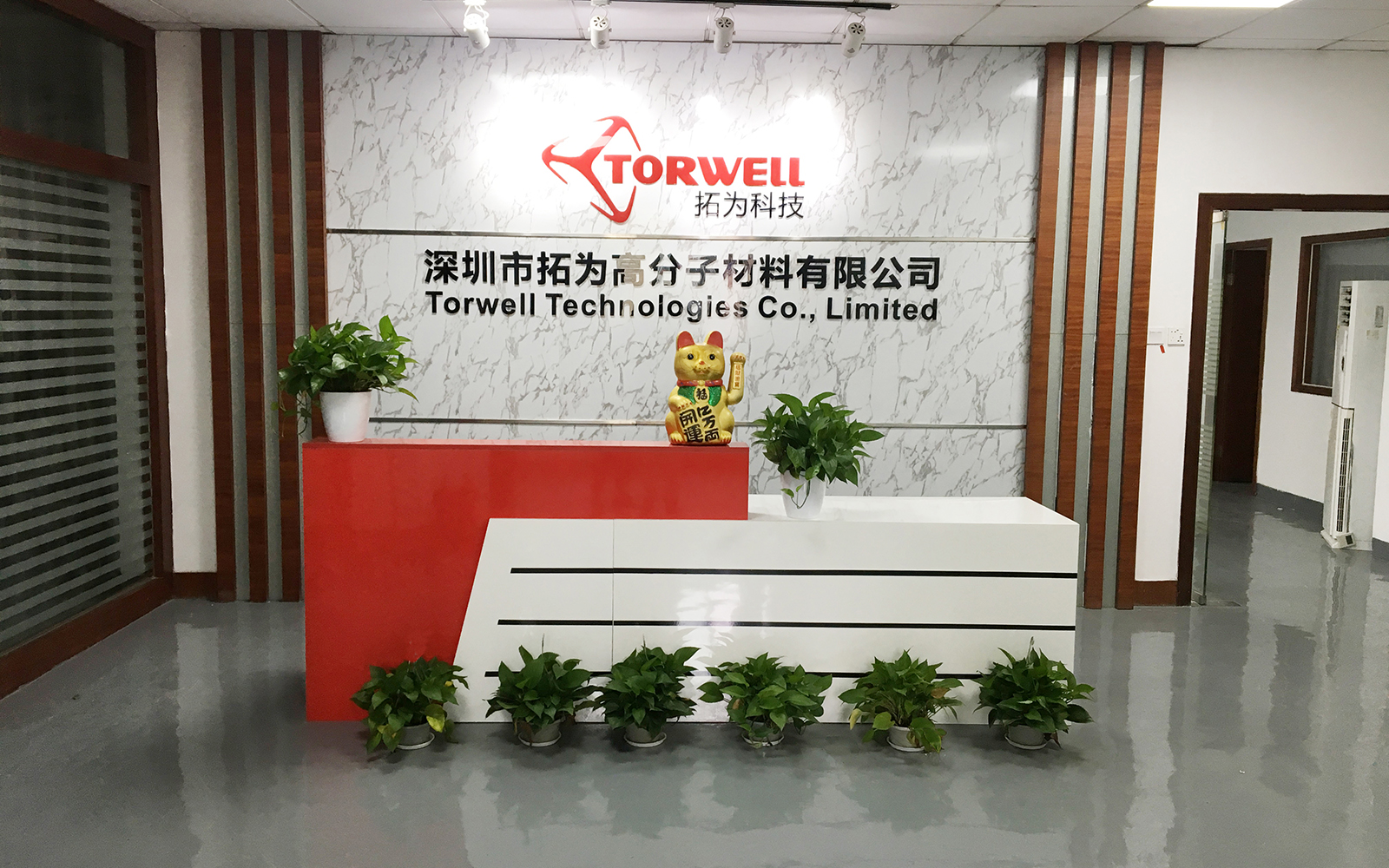
Founded in 2011, Torwell Technologies Co., Ltd. is one of the earliest high-tech enterprises which specializing in high-tech 3D printer filaments research, manufacture and sell, occupies 2,500 square meters modern factory with production capacity of 50,000kgs per month.
With more than 10 years experiences in 3D printing market exploration, cooperated with Institute for High Technology and New Materials in domestic famous universities, and engaging Polymer materials experts as technical adviser, Torwell becomes one of member of Chinese rapid prototyping association and leader enterprise with the most innovative products in 3D printing industry, owns independent intellectual property rights, patents and trademarks (Torwell US, Torwell EU, NovaMaker US, NovaMaker EU).
Torwell passed international quality management system ISO9001, international environment system ISO14001, the advanced manufacturing equipment, test devices and virgin raw materials available are introduced to produce and distribute 3D printer filament of unparalleled quality, to insure all the products of Torwell are compliant with RoHS standard, MSDS, Reach, TUV and SGS test certificated.
Be a reliable and professional 3D printing partner, Torwell has committed to expanding its products to America, Canada, UK, Germany, Netherlands, France, Spain, Sweden, Italy, Russia, Mexico, Australia, New Zealand, Brazil, Argentina, Japan, South Korea, Vietnam, Thailand, Malaysia, India, more than 80 countries and regions.
Torwell Complete Advanced 3D Filament Catalog
Explore our comprehensive lineup of engineering composites, aesthetic silks, and high-durability polymer filaments designed for industrial aerospace, functional robotics, and creative modeling.
PETG filament 1.75 Blue for 3D printing
Engineering Grade
Silky Shiny PLA filament Yellow Color
Ultra Gloss
3D Printer Filament Carbon Fiber PLA Black Color
Carbon Reinforced
Silky Shiny 3D Printing Material for 3D Printer and 3D Pen, 1kg 1 Spool
High Precision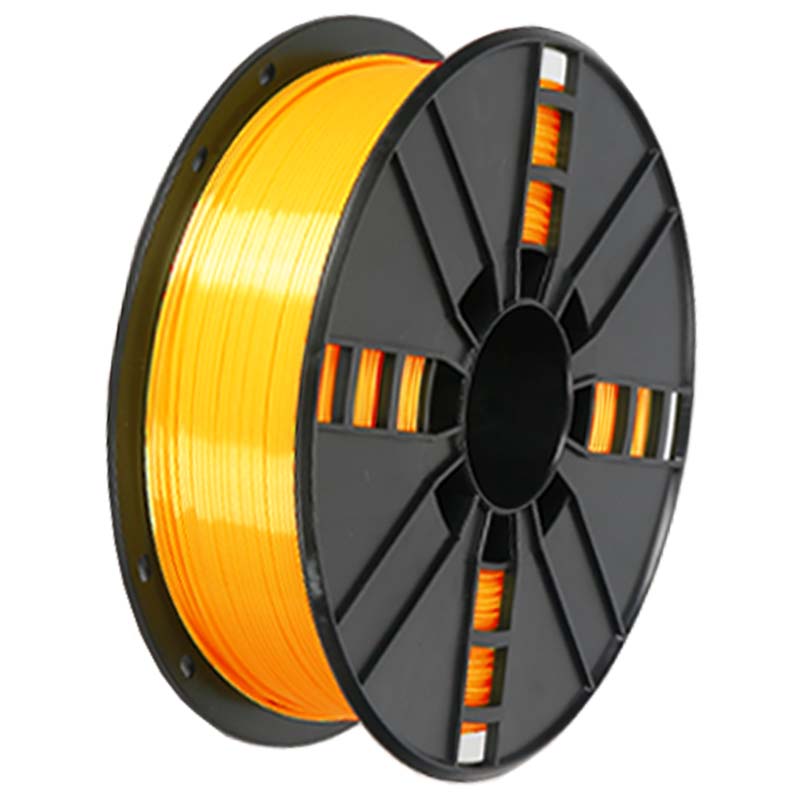
Silk filament yellow gold 3D Printing filament
Metallic Finish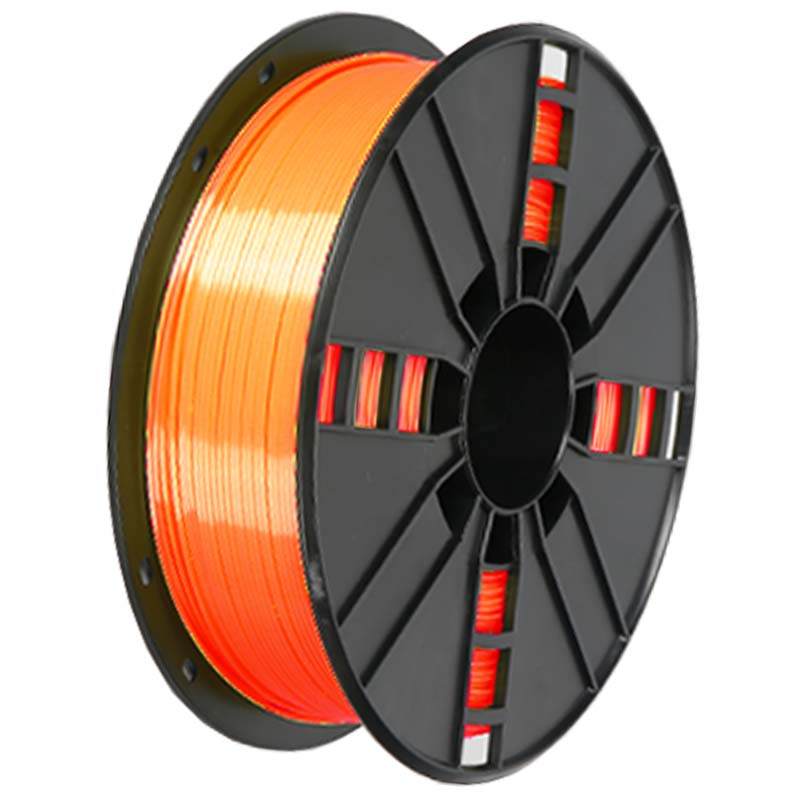
1.75mm Silk filament PLA 3D Filament Shiny Orange
High Visibility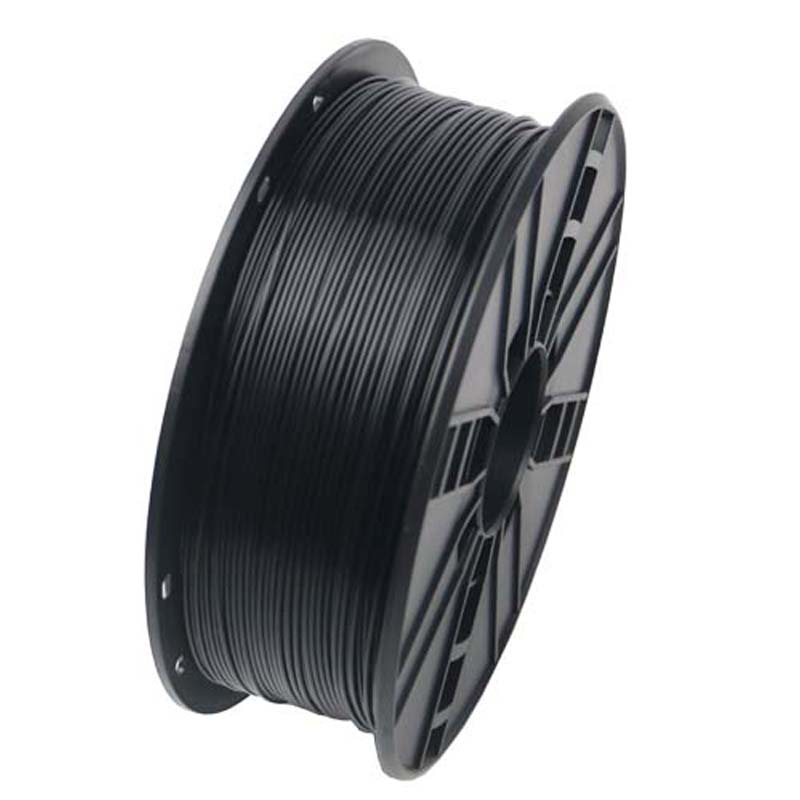
ASA filament for 3D printers UV stable filament
Outdoor UV Resistant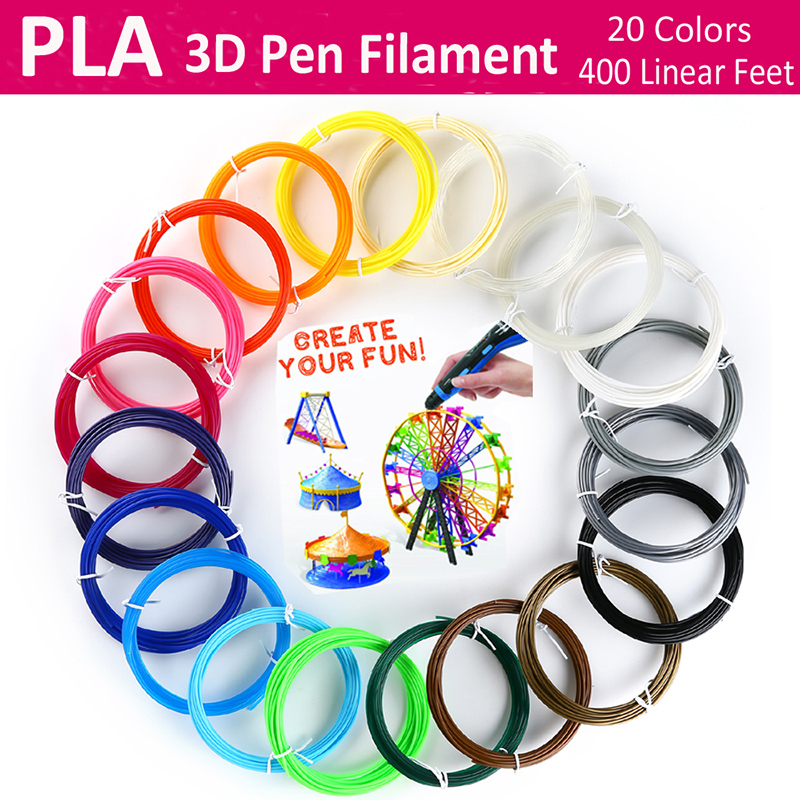
Torwell PLA 3D pen Filament for 3D printer and 3D pen
Multipurpose