
Featured High-Performance 3D Filaments
Engineered composite and technical thermoplastic solutions optimized for industrial FFF/FDM 3D printing systems.
The Carbon Fiber 3D Printing Revolution in France
Driving lightweight structural innovation across French aerospace corridors, motorsport engineering, and advanced manufacturing ecosystems.
France has positioned itself at the forefront of European additive manufacturing and advanced composite materials. Propelled by national industrial transformation initiatives such as "France 2030" and the active participation of technology clusters like Aerospace Valley in Toulouse and Nouvelle-Aquitaine, French enterprises are rapidly adopting carbon fiber reinforced polymer (CFRP) filaments. These cutting-edge composite materials combine high-grade thermoplastic matrices—such as Polylactic Acid (PLA), Polyethylene Terephthalate Glycol (PETG), and Polyamides (Nylon)—with chopped high-modulus micro carbon fibers. This hybrid composition yields parts with remarkable structural stiffness, elevated heat deflection temperatures, minimal thermal expansion, and unparalleled strength-to-weight ratios.
From the tier-1 aeronautic suppliers surrounding Toulouse and Bordeaux designing rapid assembly jigs to motorsport design studios in Magny-Cours and the Île-de-France automotive tech hub optimizing chassis components, the demand for precision carbon fiber 3D printer filament is surging. Industrial manufacturers require reliable, diameter-consistent spools that prevent nozzle abrasions, ensure seamless interlayer bonding, and maintain an impeccable matte black surface finish capable of directly replacing CNC-machined aluminum in non-critical structural applications.
Aerospace & Defense Jigs
High dimensional stability and rigidity allow rapid fabrication of lightweight assembly fixtures, inspection gauges, and tooling for aerospace subcontractors in Toulouse and Occitanie.
Automotive Lightweighting
Accelerating prototype cycles for EV battery housings, intake manifolds, and racing brackets across French automotive engineering clusters in Grand Est and Paris region.
Industrial Automation End-Effectors
Low mass combined with high tensile modulus minimizes robotic arm inertia, significantly increasing cycle speeds and reducing wear in automated packaging lines.
Material Engineering & Structural Superiority
How carbon fiber compounding enhances standard thermoplastic matrices into high-performance engineering filaments.
The incorporation of short, high-tensile carbon fibers into a thermoplastic matrix revolutionizes FDM/FFF additive manufacturing. In standard polymers, molecular chains tend to contract uniformly upon cooling, frequently leading to dimensional warpage, curled corners, and internal mechanical stresses. When micro carbon fibers are evenly dispersed throughout the polymer melt, they align along the extrusion path, creating an internal micro-skeletal structure. This alignment drastically reduces the coefficient of thermal expansion (CTE), enabling extreme dimensional accuracy even on extensive build plates.
Key Advantages of Carbon Fiber Composite Filaments:
- Exceptional Tensile Modulus: Up to 150% higher flexural stiffness compared to unreinforced PLA or PETG, making it ideal for load-bearing brackets and structural frames.
- Superior Dimensional Stability & Low Shrinkage: Near-zero warping characteristics allow for high-tolerance mechanical press-fits and intricate interlocking assemblies.
- Matte Industrial Aesthetic: The micro-fiber dispersion effectively conceals layer lines, producing an alluring matte textured finish that eliminates the need for labor-intensive post-processing.
- Enhanced Thermal & Creep Resistance: Elevates the Heat Deflection Temperature (HDT), preventing deformation in heated enclosures, automotive engine compartments, or continuous industrial usage.
| Technical Parameter | Standard PLA Filament | Carbon Fiber PLA (CF-PLA) | Industrial CF-PETG |
|---|---|---|---|
| Tensile Strength (MPa) | 45 - 55 MPa | 60 - 75 MPa | 58 - 72 MPa |
| Flexural Modulus (GPa) | 2.8 - 3.4 GPa | 4.8 - 6.2 GPa | 4.5 - 5.8 GPa |
| Heat Deflection Temp (0.45 MPa) | 52°C - 55°C | 60°C - 68°C | 75°C - 82°C |
| Layer Line Visibility | Moderate to High | Ultra-Low (Micro-texture) | Ultra-Low (Matte Finish) |
| Recommended Nozzle | Standard Brass (0.4mm) | Hardened Steel / Ruby (0.4-0.6mm) | Hardened Steel (0.4-0.6mm) |
Rigorous Manufacturing Standards & Quality Management
Strict European-compliant industrial protocols from raw polymer selection to laser-monitored extrusion and vacuum sealing.
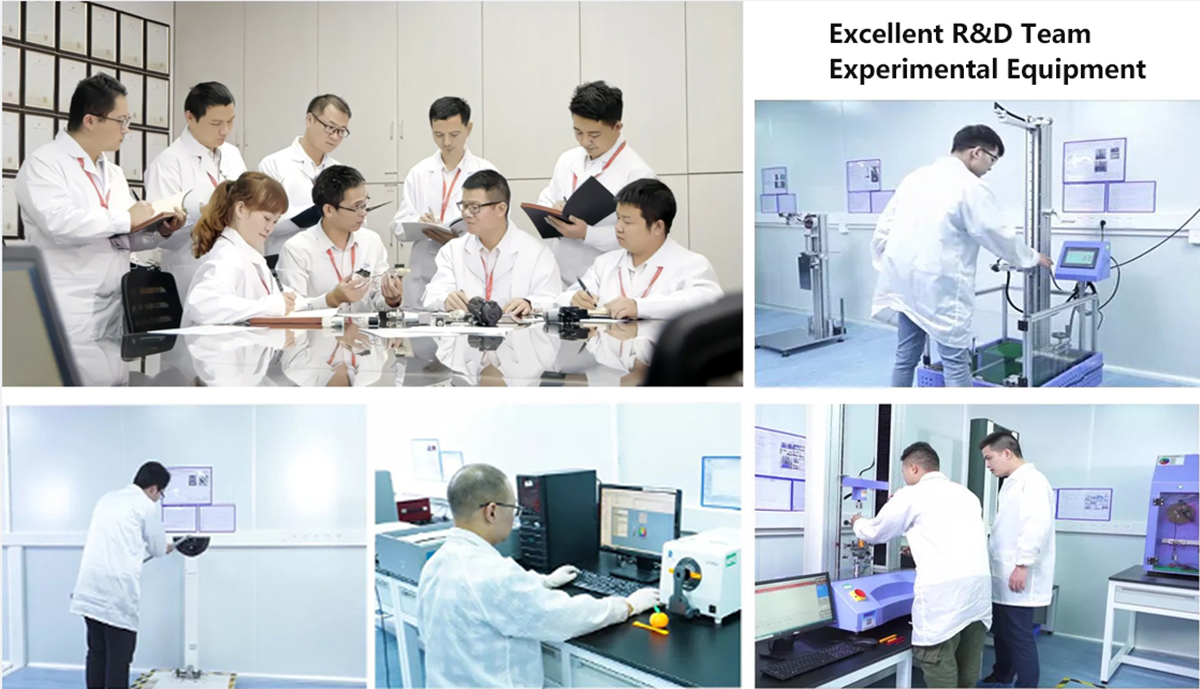
Quality Control
The factory area has passed ISO45001 occupational health and safety management system certification. Every new employee must be experienced one week of safety production knowledge teaching and two weeks of produce skills training, and master every course in the production process. Who is in the position will be responsible for its duty.
Our commitment to process traceability ensures that every spool shipped to French research labs, design studios, and industrial fabrication workshops adheres to international safety, ecological, and manufacturing compliance guidelines.
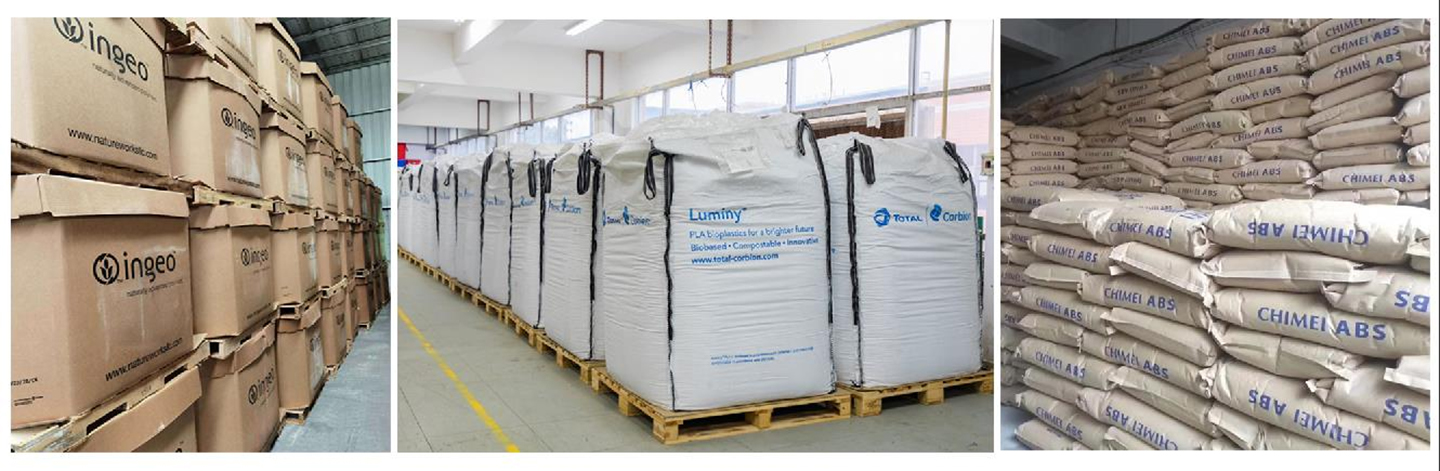
Raw Material
PLA is the most preferred material for 3D printing, Torwell firstly chooses PLA from US NatureWorks, and Total-Corbion is the alternative. ABS from TaiWan ChiMei, PETG from South Korea SK. Each batch of main raw materials comes from the partners who has cooperated more than 5 years to ensure the reliability of the products from the source. Each batch of raw materials will undergo parameters inspection before produce to ensure that raw materials are original and virginal.
Combined with premium-grade milled carbon fiber fibers sourced from leading composite producers, our compounded pellets ensure uniform fiber dispersion without clumping or premature nozzle clogging.
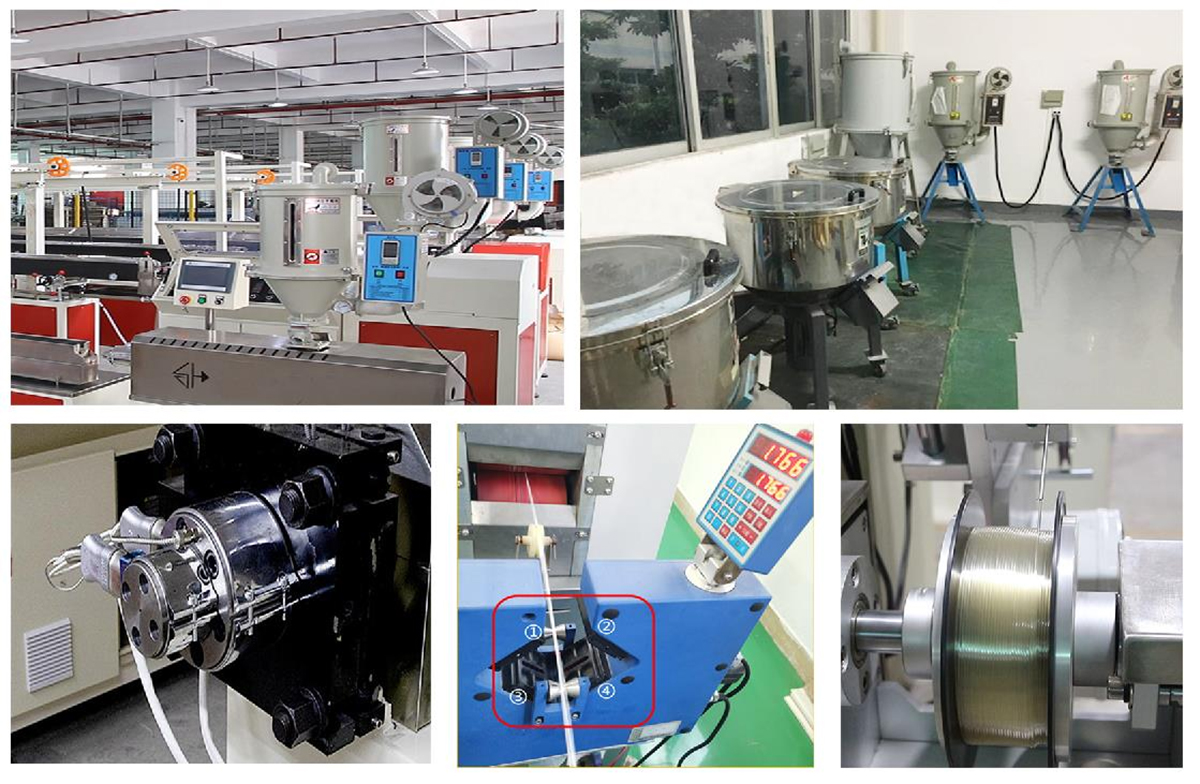
Equipment & Precision Extrusion
The manufacturing workshop will make arrangements after the inspection of raw materials, at least two engineers cross-check the clearance of mixing tank, color mixed of material, humidity from hopper dryer, temperature of extruder, hot/cool tank, and trial-produce and debugging the produce line to make sure all of processes in the best condition. Maintain the filament Diameter tolerance +/- 0.02mm, Roundness tolerance +/- 0.02mm.
Equipped with dual-axis laser diameter measurement systems operating at high frequency, any deviation beyond tolerance is instantly isolated and corrected automatically during high-speed production runs.
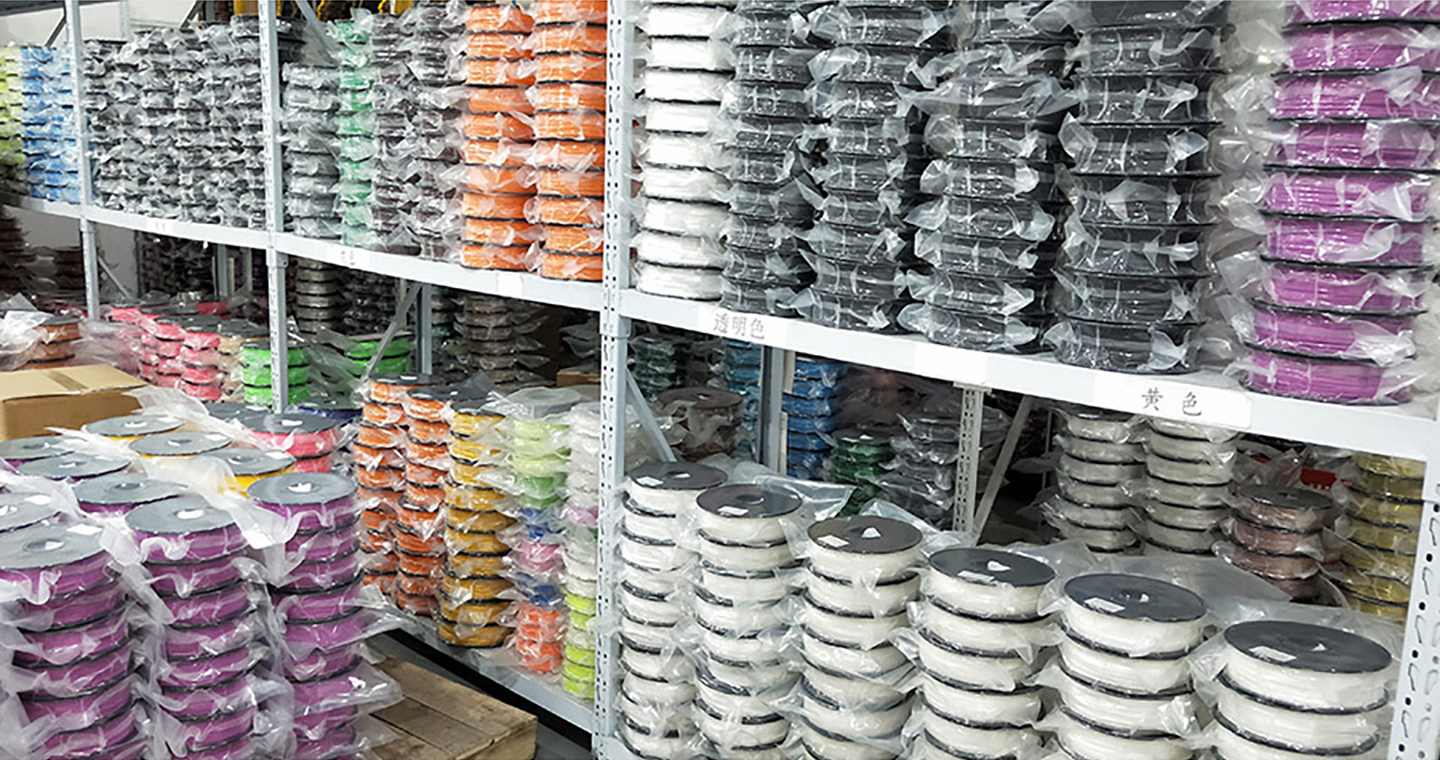
Final Inspection & Moisture-Proof Packaging
After each batch of 3D filament is produced, two quality inspectors will conduct random inspections on each batch of finished products in accordance with the requirements of the standard, such as diameter tolerance, color consistency, strength and toughness and so on. After vacuuming the package, place them for 24 hours to check whether there is any leaking package, then label it and finish the package.
Each spool includes high-adsorption desiccant sealed in double-layer aluminum barrier or heavy-gauge vacuum bags, ensuring prompt readiness for direct industrial printing upon arrival in France.
Future Trends: Sustainable & High-Performance Composites in Europe
Navigating circular economy mandates, advanced continuous carbon fiber integration, and next-generation engineering matrices.
The European additive manufacturing ecosystem is undergoing significant shifts toward environmental responsibility without sacrificing mechanical performance. Under the EU Green Deal and French circular economy directives (loi AGEC), industrial users increasingly demand sustainable, bio-derived composite matrices. Compounding recycled carbon fibers recovered from aerospace prepreg scraps with bio-polymers such as NatureWorks PLA and Total-Corbion Luminy creates a carbon-neutral footprint while preserving outstanding mechanical resilience.
Furthermore, the French medical technology and orthotics sectors in Lyon and Marseille are utilizing carbon fiber filaments to fabricate custom prosthetic sockets, orthotic braces, and dynamic rehabilitation aids. The combination of lightness, patient-specific geometry via 3D scanning, and rapid additive manufacturing saves weeks of artisanal molding while lowering patient discomfort. In the marine sector along the Brittany coastline, offshore racing teams leverage carbon fiber 3D printing to create custom hydrofoil sensor housings and aerodynamic mast attachments capable of enduring harsh Atlantic saltwater environments.
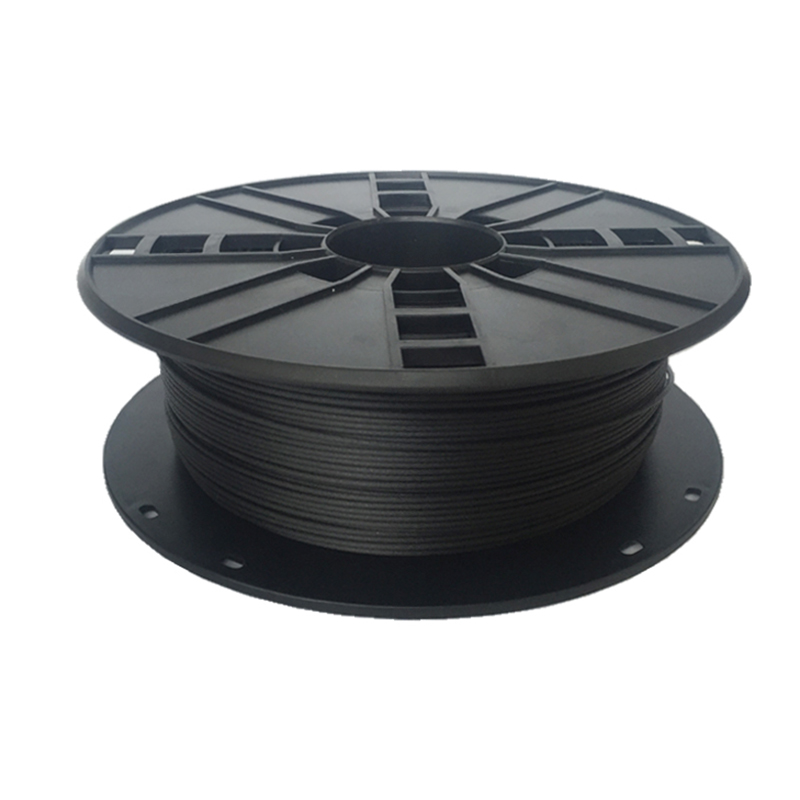
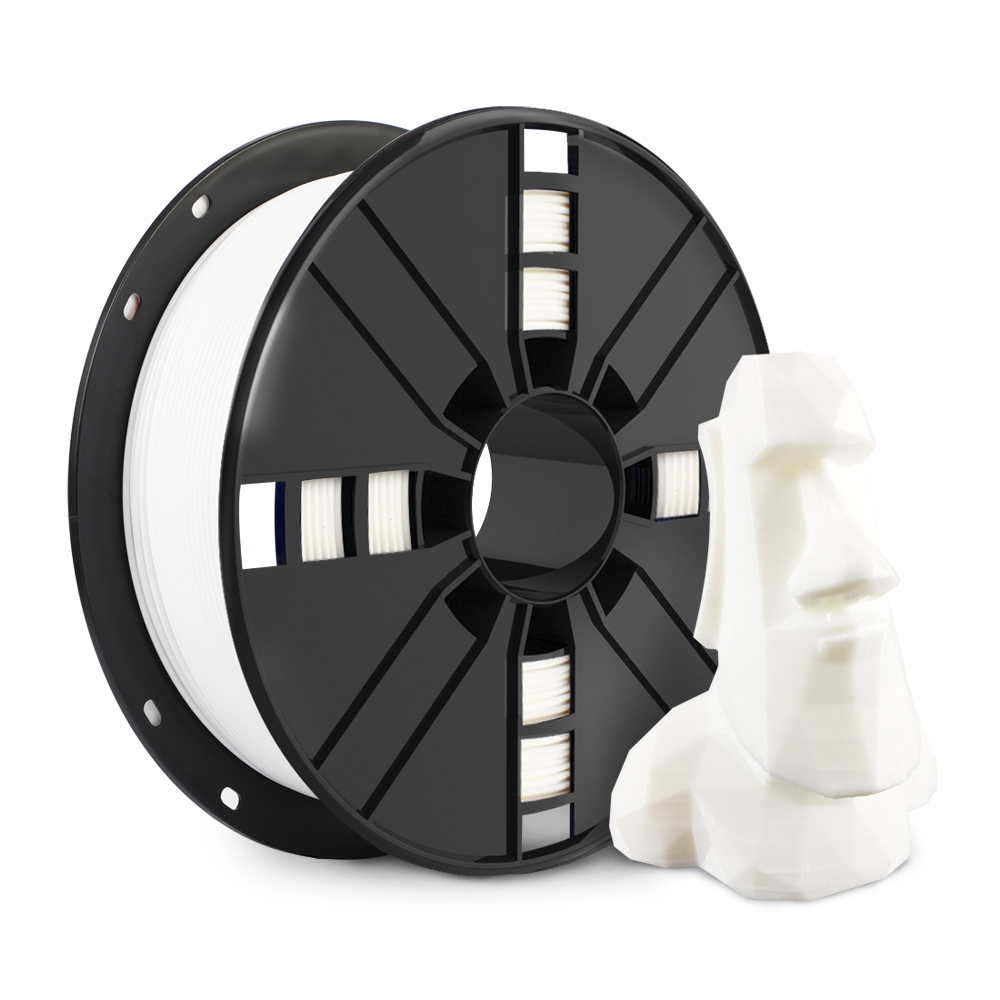
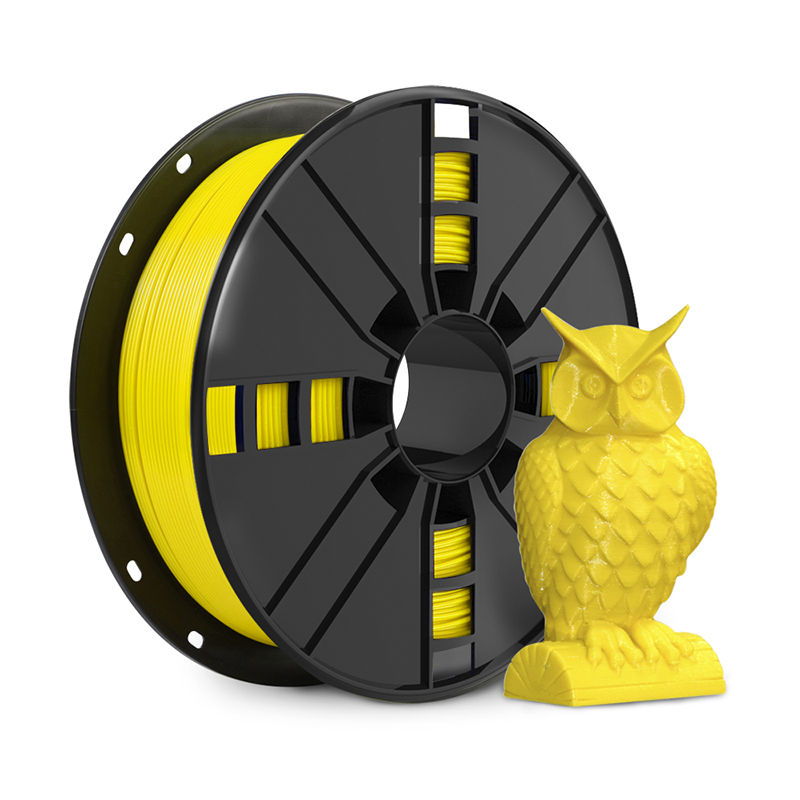
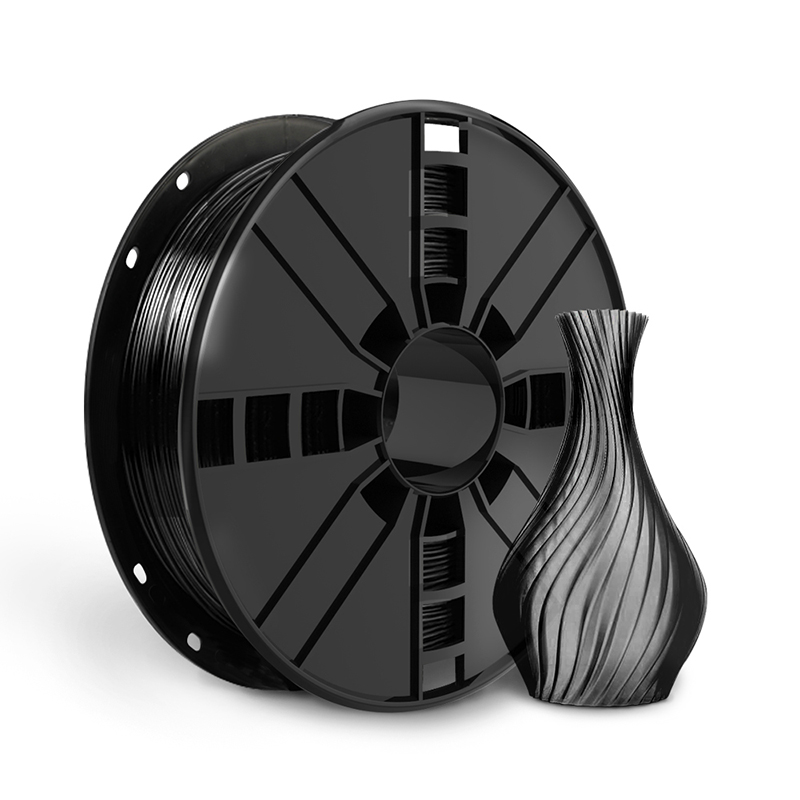
Comprehensive 3D Printing Filament Portfolio
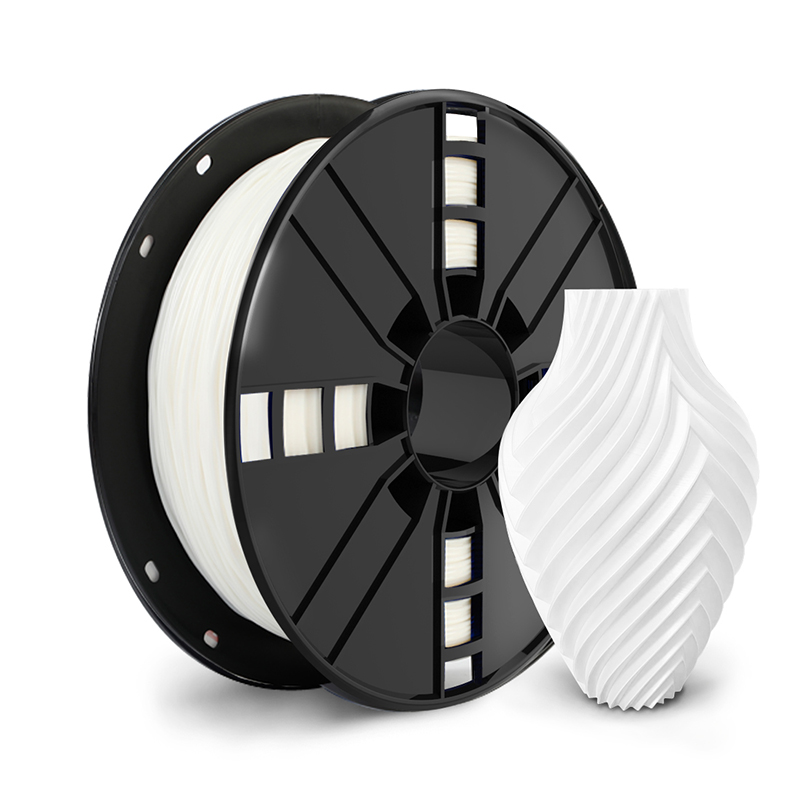
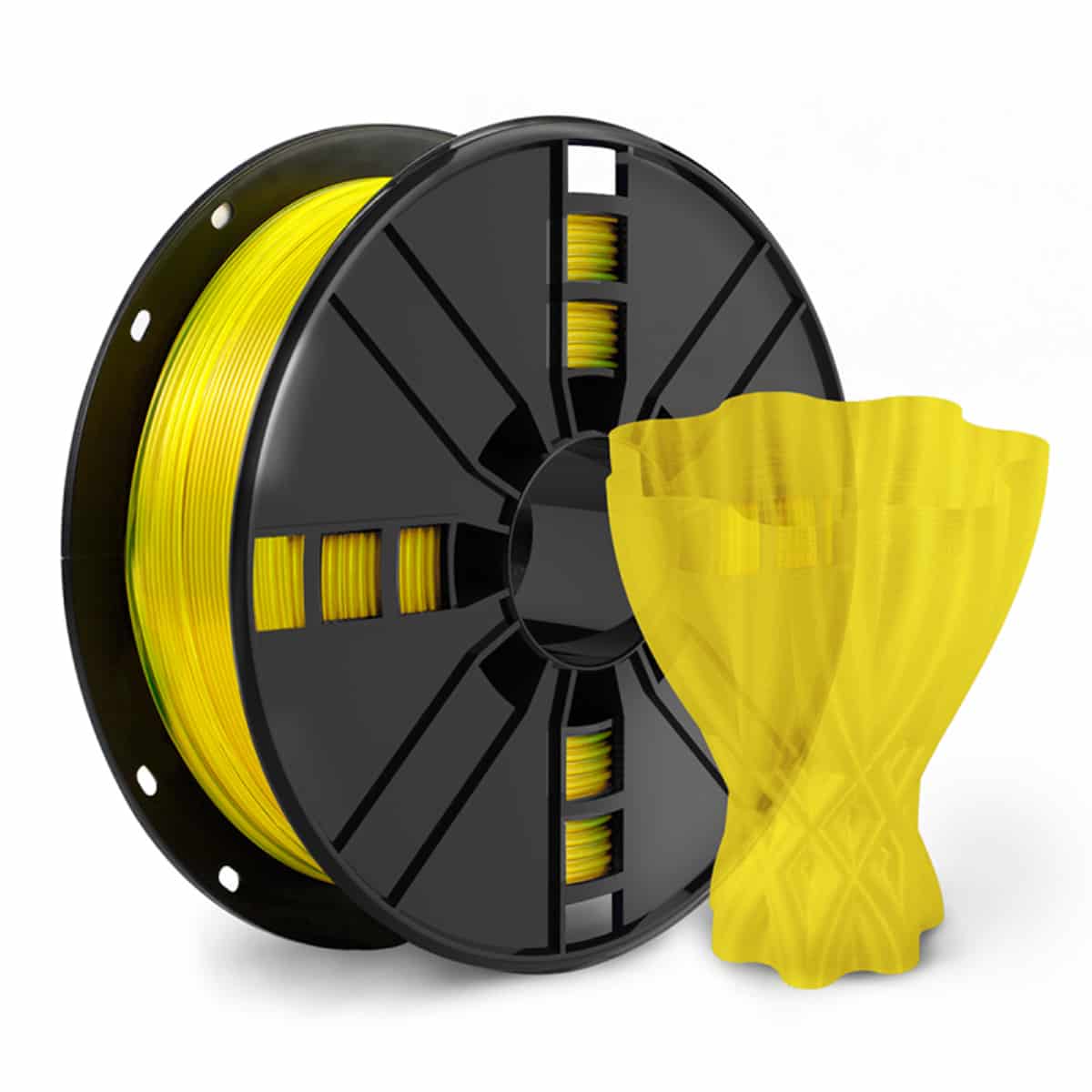
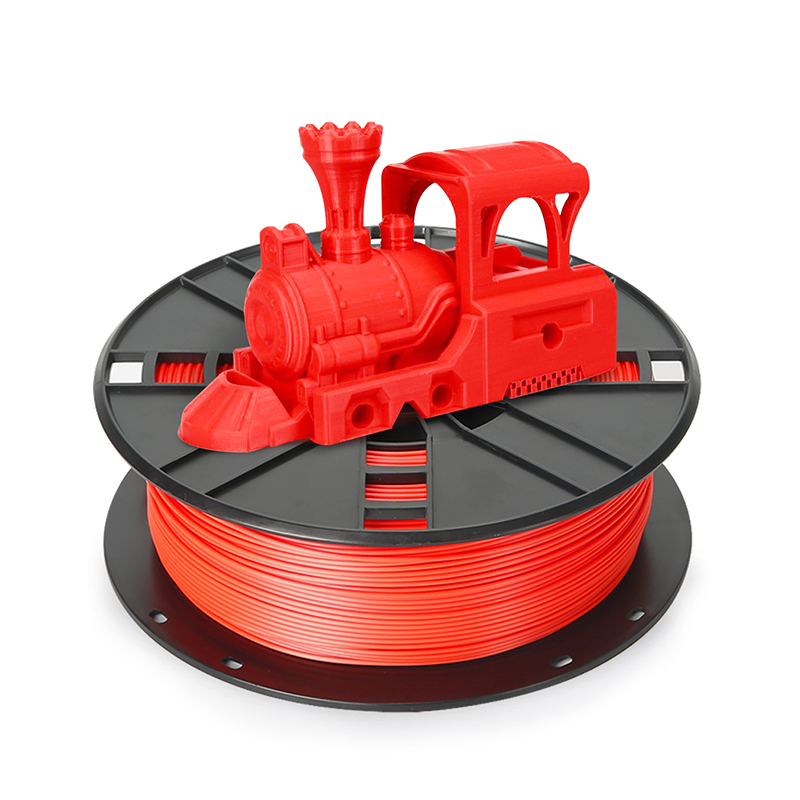
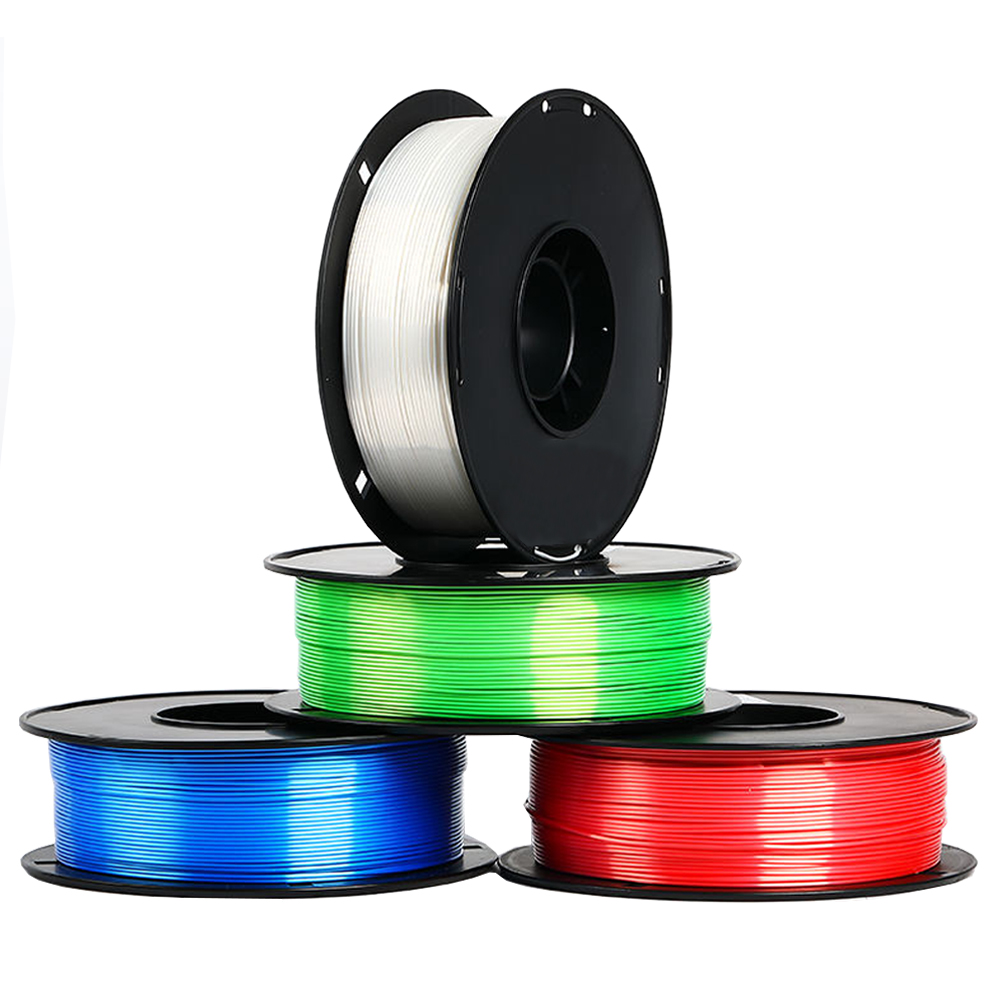
Explore our complete range of certified carbon fiber, PLA, PLA Plus, PETG, Silk PLA, and flexible TPU materials available for French and international distribution.
Frequently Asked Questions: Carbon Fiber 3D Printing
Essential printing recommendations, hardware parameters, and storage guidelines for industrial users.
What type of nozzle is required for Carbon Fiber filament?
Because micro carbon fibers are inherently abrasive, standard brass nozzles can wear down rapidly, enlarging the nozzle orifice. We strongly advise using hardened steel, tungsten carbide, or ruby-tipped nozzles (0.4mm to 0.6mm diameter) to ensure continuous printing accuracy over extensive production runs.
What are the optimal extrusion temperatures?
For Carbon Fiber PLA, we recommend a nozzle temperature of 200°C - 230°C and a heated bed temperature between 45°C - 60°C. For Carbon Fiber PETG, optimal nozzle extrusion is 230°C - 255°C with a bed temperature of 70°C - 85°C on PEI or textured build plates.
Do carbon fiber reinforced filaments absorb moisture?
While the carbon fibers themselves are hydrophobic, matrix polymers such as PETG and Polyamide (Nylon) absorb ambient humidity. We recommend drying composite filaments in a dedicated filament dryer at 50°C - 65°C for 4 to 6 hours prior to printing high-strength structural parts.
Can Torwell support wholesale OEM and custom compounding in France?
Yes. As a leading manufacturer and global supplier, Torwell provides full OEM spooling, customized spool sizing (from 1kg to 5kg master spools), private labeling, and custom polymer compounding for French distributors, additive manufacturing hubs, and enterprise clients.