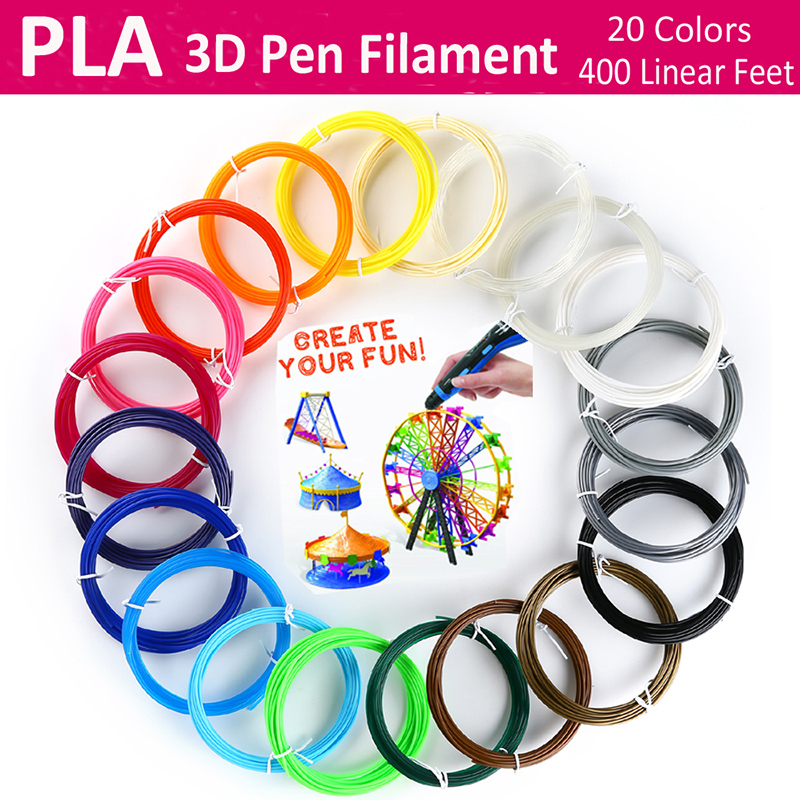
Featured Industrial Materials For Dynamic Damping Assemblies
Precision-engineered additive manufacturing filaments optimized for vibrational energy dissipation, robotic dampeners, and structural anti-shock mounts.
Mechanics of Carbon Fiber in Vibration Isolation Mounts
Exploring the physics of interfacial shear, anisotropic damping loss factors, and structural stability under intense cyclic loading.
In modern automated manufacturing, precision aerospace fixtures, and high-speed CNC machinery, mechanical vibrations present a continuous threat to equipment longevity, operational tolerances, and acoustic regulation. Traditional metallic isolators (such as coiled steel springs) effectively isolate low-frequency shocks but exhibit notoriously poor internal loss factors, frequently resulting in secondary resonance phenomena. Conversely, pure elastomeric dampers provide high viscoelastic damping yet suffer from creep deformation, low tensile modulus, and rapid degradation under elevated thermal or chemical stresses.
The introduction of carbon fiber reinforced filament (CF Filament) for additive manufacturing resolves this fundamental engineering trade-off. By incorporating chopped micro-carbon fibers into polymer matrices such as Polyamide (PA6, PA12), PETG, Polycarbonate (PC), or high-performance PEEK, material engineers create a synergistic composite structure. The short carbon fibers act as microscopic energy-scattering nodes. When kinetic vibration waves propagate through the polymer matrix, interfacial friction between the fiber-matrix boundary converts destructive harmonic energy into low-grade thermal dissipation.
Viscoelastic Energy Attenuation
The dual-phase composite system maximizes the loss factor (tan δ), effectively flattening resonant frequency peaks and eliminating hazardous harmonic amplification across variable RPM drive systems.
Dimensional Creep Resistance
Carbon fiber reinforcement enhances long-term compressive creep resistance by up to 320% compared to unfilled engineering polymers, ensuring precise geometric alignment under continuous static preloads.
High Strength-to-Weight Ratio
Enables topology-optimized, generative lattice designs that slash end-effector payload weight by up to 60% while maintaining equivalent torsional stiffness and dampening performance compared to aluminum.
Industrial Market Trends: The Rise of Additive Damping Systems
Market dynamics, digital warehouse inventory strategies, and on-demand spare part fabrication in heavy industrial ecosystems.
The global industrial vibration dampening market is experiencing a profound paradigm shift driven by digital manufacturing transformation and Industry 4.0 standards. Historically, plant operators relied on standardized off-the-shelf rubber-metal bonded bushings. However, customized modern machinery operating with fluctuating torque loads and high-acceleration linear actuators requires bespoke isolator geometries that traditional injection molding or subtractive machining cannot produce cost-effectively in small-to-medium batches.
As additive manufacturing transitions from rapid prototyping to functional production, CF composite filament is emerging as a preferred baseline for bespoke mounting brackets, sub-frame vibration isolators, and custom engine cradle bushings. The ability to print on-demand drastically reduces digital inventory carrying costs, mitigates supply chain disruptions, and enables parametric tuning of natural vibration frequencies directly within the CAD slicer.
| Material Parameter | Standard Aluminum 6061-T6 | Standard Neoprene / Nitrile Rubber | Industrial Carbon Fiber Reinforced PA/PETG |
|---|---|---|---|
| Density (g/cm³) | 2.70 | 1.25 - 1.40 | 1.15 - 1.28 (Ultra Lightweight) |
| Damping Ratio (ζ) | 0.0005 - 0.002 (Very Poor) | 0.05 - 0.15 (High) | 0.02 - 0.08 (Tunable with infill geometry) |
| Tensile Modulus (GPa) | 68.9 | 0.01 - 0.05 | 6.5 - 14.5 (High structural integrity) |
| Dynamic Creep at 80°C | Negligible | High (Rapid degradation) | Extremely Low (Thermally stable) |
| Custom Geometry Flexibility | Low (High CNC cost) | Low (Requires expensive molds) | Infinite (Direct 3D CAD to Final Part) |
In-Depth Application Scenarios for CF Vibration Mounts
From robotic pick-and-place end-effectors to sensitive optical metrology benches.
1. Automated Robotics & High-Speed Delta Pickers
Modern pick-and-place delta robots operate at accelerations exceeding 15G. Rapid decelerations trigger residual inertial vibrations that decrease sensor positioning accuracy and increase cycle times. Custom CF-composite dampening adapter plates absorb shock waves at the arm joint, eliminating end-effector jitter and allowing vision cameras to trigger instantaneously without settling delays.
2. Precision Metrology & Optical Lithography Mounts
Coordinate Measuring Machines (CMM) and laser measurement fixtures require complete isolation from ambient factory floor reverberations caused by forklifts and stamping presses. 3D-printed CF-PETG vibration isolators with internal triply periodic minimal surface (TPMS) gyroid lattices break continuous acoustic transmission paths, ensuring sub-micron inspection stability.
3. Aerospace Drone Gimbals & Avionics Shock Racks
Unmanned Aerial Vehicles (UAVs) equipped with thermal cameras, LiDAR sensors, and navigational gyroscopes suffer from high-frequency motor blade wash. CF filaments provide ultralightweight structural mounts that simultaneously suppress 100-500 Hz high-frequency motor harmonics while resisting severe outdoor thermal fluctuations (-40°C to +85°C).
4. CNC Spindle & High-Pressure Hydraulic Pump Enclosures
High-pressure fluid power units and milling spindles transfer structural resonance directly into machine chassis, leading to premature bearing failure and surface finish chatter marks. Custom-contoured CF-Nylon dampening footings decouple dynamic resonant loops, significantly extending motor spindle bearing lifecycle.
DFAM & Acoustic Wave Tuning: The Power of Infill Geometry
How internal lattice topology transforms CF filament into tailor-made frequency-selective mechanical filters.
One of the most revolutionary advantages of utilizing carbon fiber filament in vibration isolation mounts is the freedom of Design for Additive Manufacturing (DFAM). In conventional machining, parts are solid blocks of metal or monolithic molded rubber with fixed resonant profiles. With additive manufacturing, engineers can manipulate the internal cavity of the vibration mount to create acoustic metamaterials and phononic crystal structures.
By adjusting parameters such as gyroid lattice density, cross-hatch angles, and perimeter shell thicknesses, the natural frequency of the mount ($f_n$) can be precisely tuned away from the excitation frequency of the machinery ($f_e$). When $f_e / f_n > \sqrt{2}$, the isolation efficiency increases dramatically. The anisotropic carbon fiber strands align along the print extrusion paths, enabling engineers to create directionally selective damping: providing ultra-stiff rigidity along the primary load-bearing axis while maintaining high mechanical compliance and energy absorption along shear and torsional axes.
Corporate Manufacturing Standards & Rigorous Quality Assurance
Torwell's proven industrial pedigree: Strict quality controls, premium raw virgin polymers, cutting-edge extrusion lines, and comprehensive batch verification.
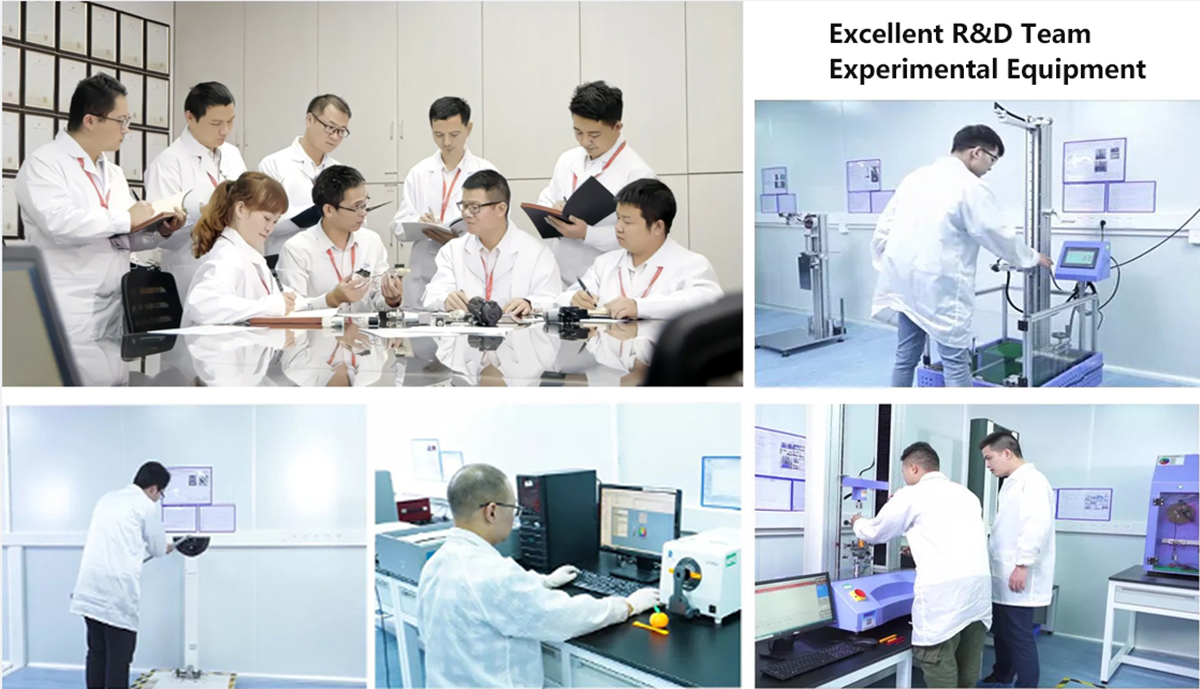
Quality Control
The factory area has passed ISO45001 occupational health and safety management system certification. Every new employee must be experienced one week of safety production knowledge teaching and two weeks of produce skills training, and master every course in the production process. Who is in the position will be responsible for its duty.
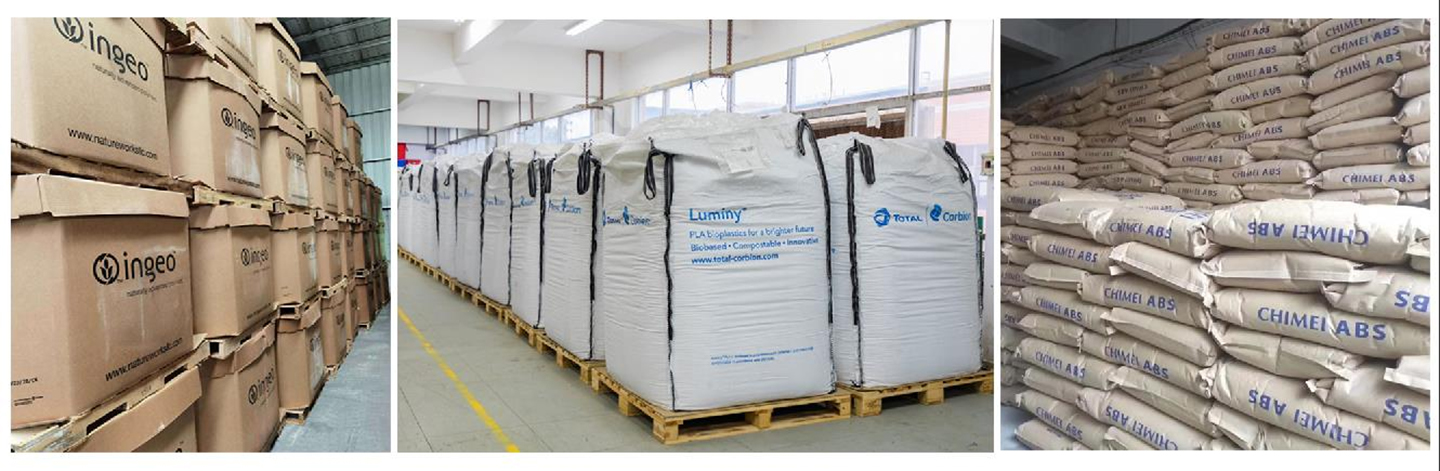
Raw Material
PLA is the most preferred material for 3D printing, Torwell firstly chooses PLA from US NatureWorks, and Total-Corbion is the alternative. ABS from TaiWan ChiMei, PETG from South Korea SK. Each batch of main raw materials comes from the partners who has cooperated more than 5 years to ensure the reliability of the products from the source. Each batch of raw materials will undergo parameters inspection before produce to ensure that raw materials are original and virginal.
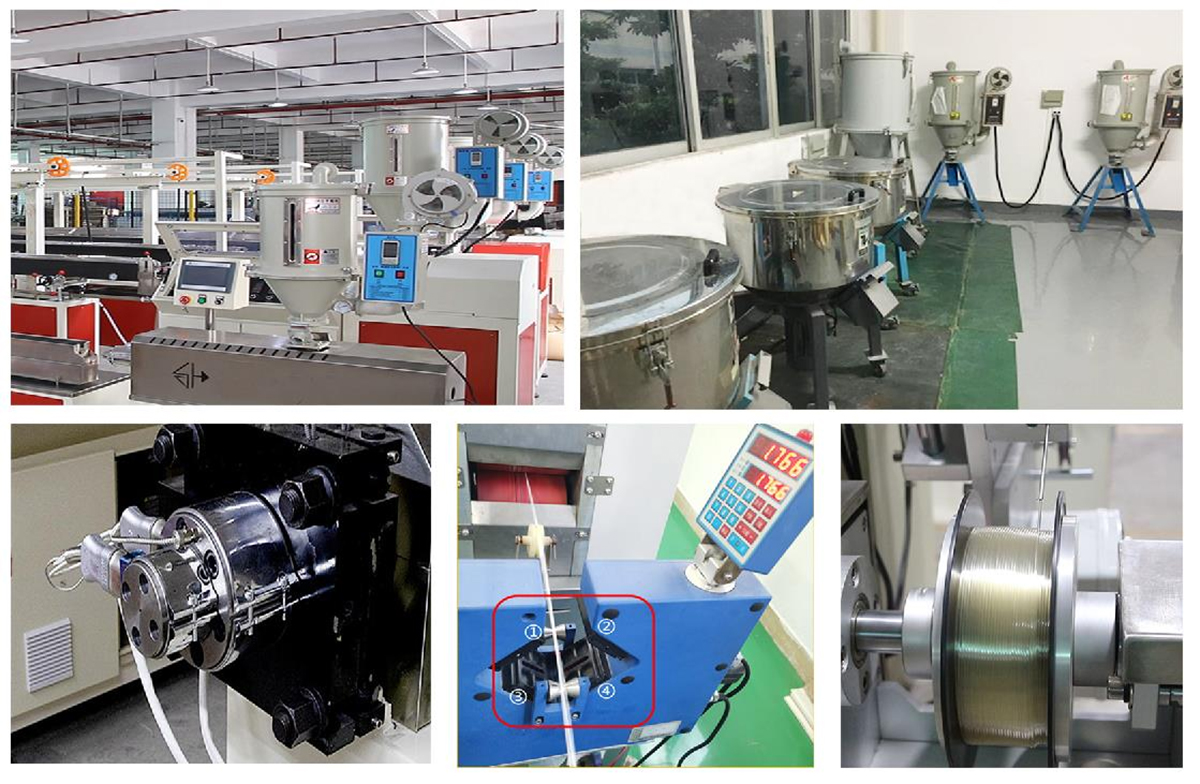
Equipment
The manufacturing workshop will make arrangements after the inspection of raw materials, at least two engineers cross-check the clearance of mixing tank, color mixed of material, humidity from hopper dryer, temperature of extruder, hot/cool tank, and trial-produce and debugging the produce line to make sure all of processes in the best condition. Maintain the filament Diameter tolerance +/- 0.02mm, Roundness tolerance +/- 0.02mm.
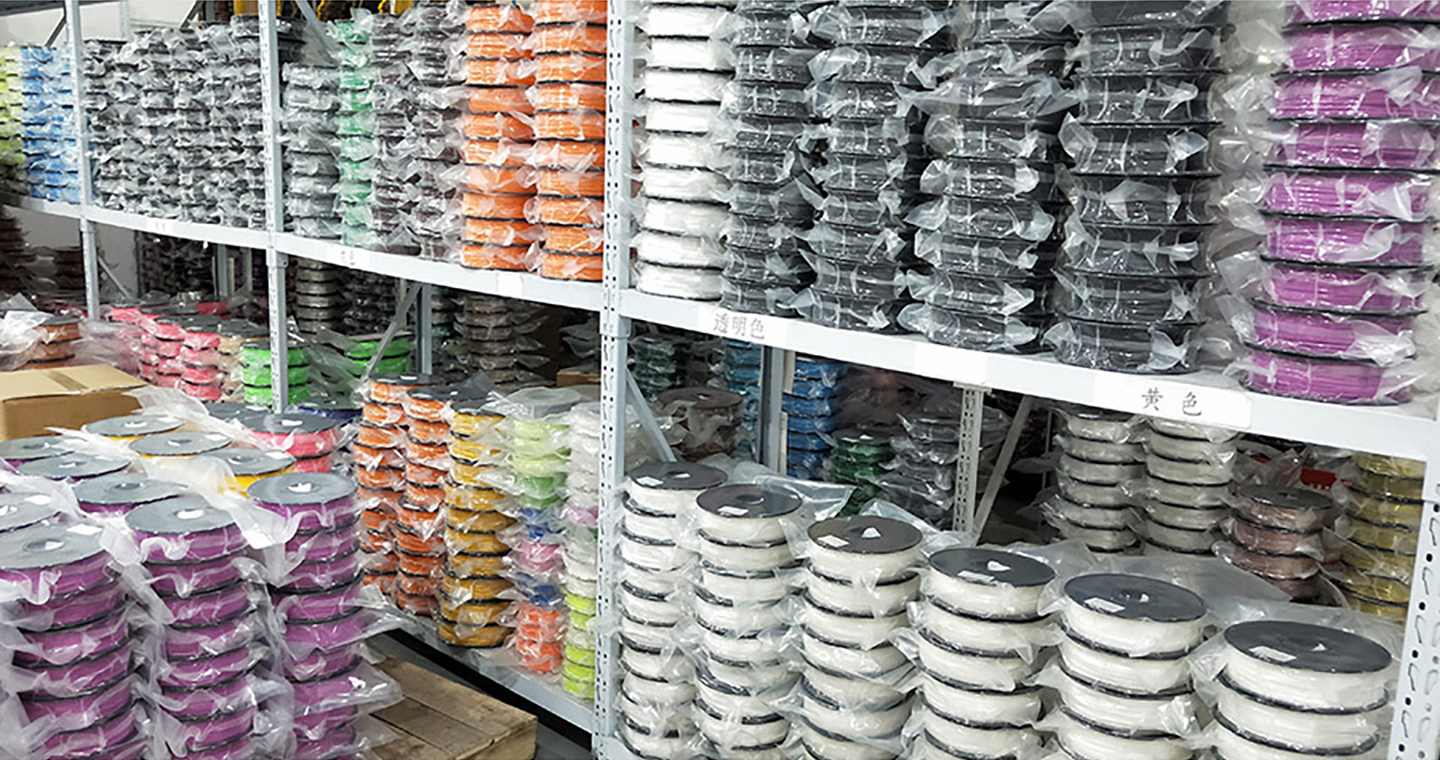
Final Inspection
After each batch of 3D filament is produced, two quality inspectors will conduct random inspections on each batch of finished products in accordance with the requirements of the standard, such as diameter tolerance, color consistency, strength and toughness and so on. After vacuuming the package, place them for 24 hours to check whether there is any leaking package, then label it and finish the package.
Long-Term Durability & Sustainable Industrial Lifecycle
Corrosion resistance, chemical inertness, and circular economy advantages of composite filament mounts.
Traditional rubber-bonded-to-metal vibration dampening mounts consistently fail in aggressive industrial operating environments due to ozone cracking, ultraviolet embrittlement, galvanic corrosion, and oil-induced elastomeric swelling. Carbon fiber reinforced thermoplastic filaments present intrinsic chemical resilience against lubricating greases, diesel fuels, cutting fluids, and common industrial solvents.
Furthermore, as global manufacturing accelerates toward decarbonization and closed-loop recycling, CF thermoplastics offer significant recyclability advantages over vulcanized rubbers and thermoset polyurethanes. Spent CF vibration mounts can be cleanly granulated, re-melted, and re-extruded into recycled grade filaments for secondary structural tooling, minimizing landfill overhead and contributing to a sustainable industrial ecosystem.
Full Industrial 3D Printing Filament Portfolio
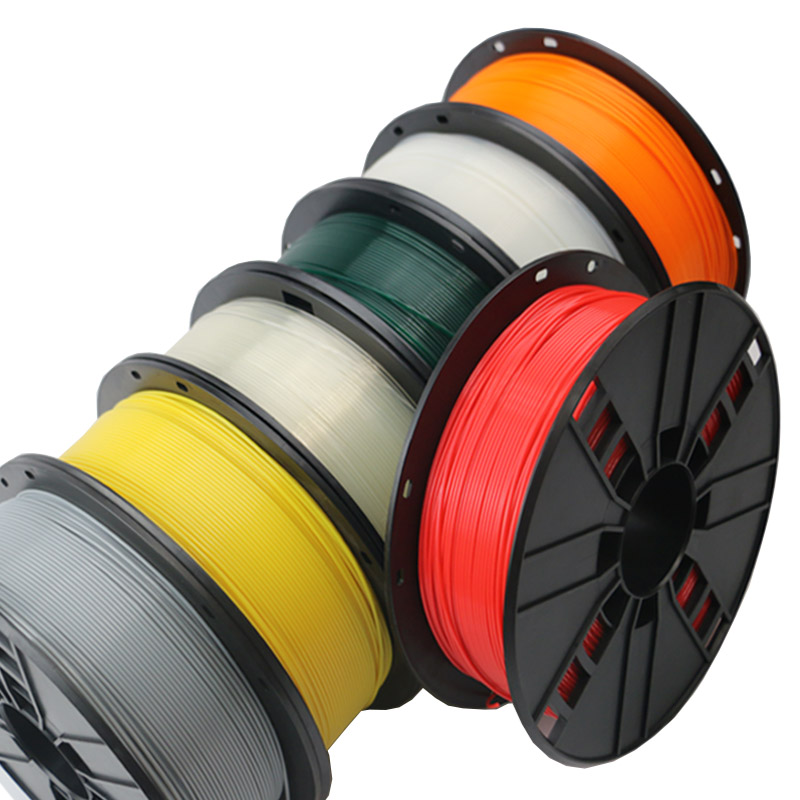
Explore our complete range of specialized high-performance materials for dampening mounts, structural jigs, flexible couplers, and precision mechanical prototypes.