Engineered Prototyping & Custom Phone Enclosure Materials
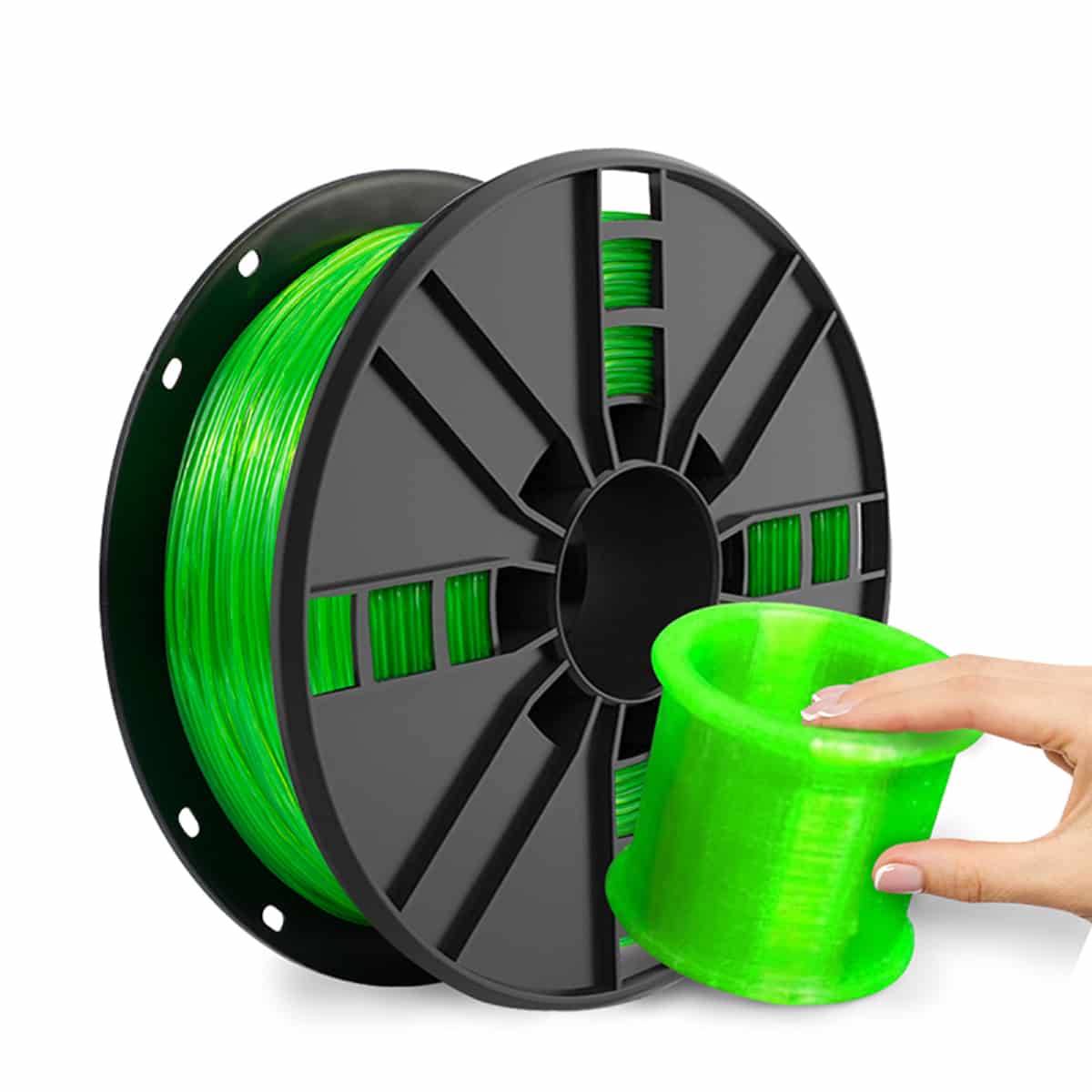
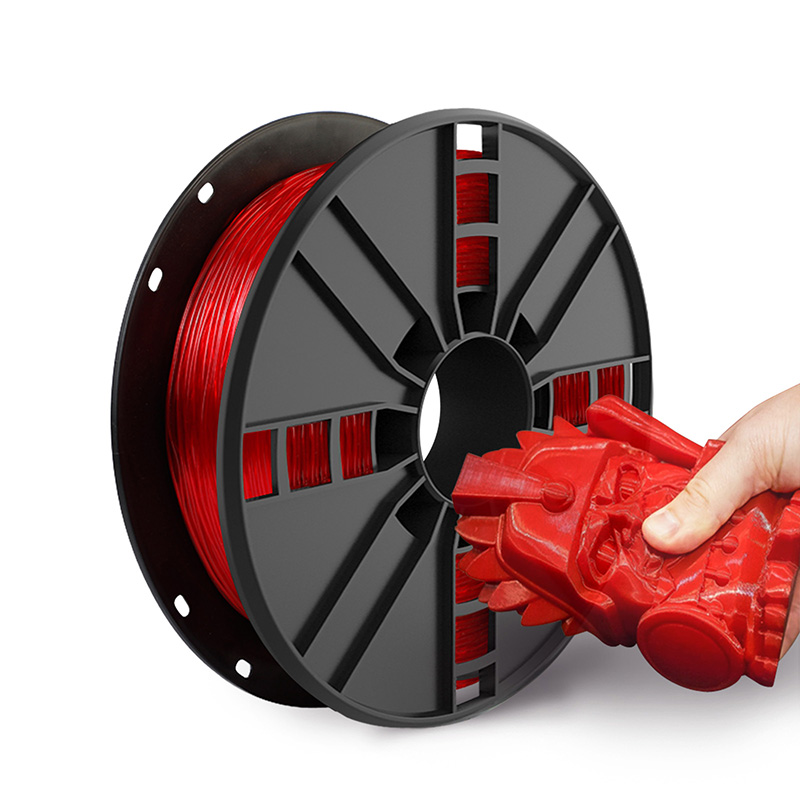
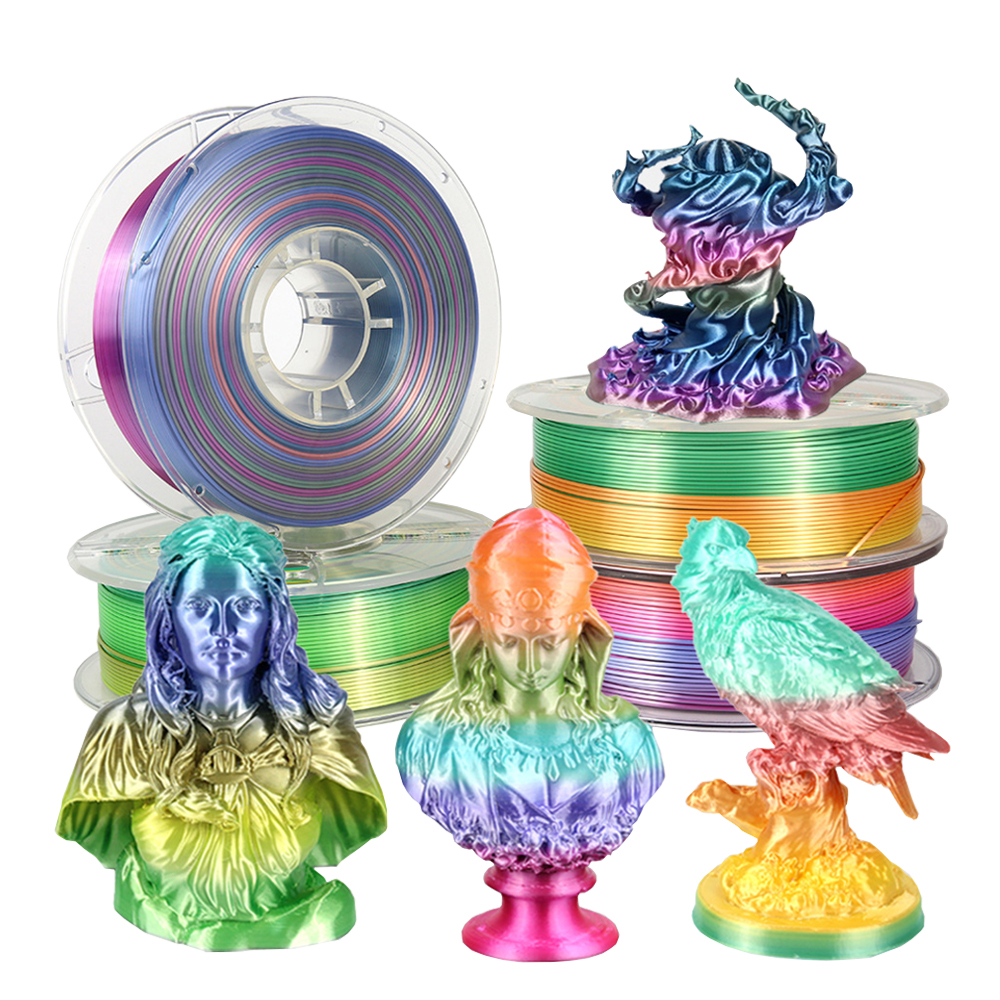
Explore our high-performance 3D printing filaments deployed across rapid prototyping, specialized flexible inner liners, and multi-gradient ergonomic designs for custom protective phone chassis.
Industrial Dynamics: The Evolution of PETG Carbon in Smart Device Defense
The contemporary consumer electronics accessory sector is undergoing a profound paradigm shift. As flagship smartphones integrate ultra-fragile ceramic shields, multi-lens periscope camera modules, and wireless fast-charging coils, the protective case has transformed from a trivial commodity into a critical precision enclosure. PETG Carbon (Polyethylene Terephthalate Glycol reinforced with high-aspect-ratio micro-carbon fibers) has emerged as the definitive material disrupting additive bespoke manufacturing.
Historically, custom smartphone protective cases relied upon standard thermoplastics such as injection-molded polycarbonate (PC), general acrylonitrile butadiene styrene (ABS), or basic thermoplastic polyurethane (TPU). While TPU provides adequate dampening, it lacks the torsional stiffness required to prevent high-velocity corner impacts from transmitting kinetic shock directly to the smartphone chassis. Unreinforced PETG offered chemical resilience and ease of extrusion, yet suffered from isotropic flexure and noticeable surface friction under intense thermal cycles. The incorporation of chopped carbon fibers (typically 15% to 20% by weight) into an optimized PETG polymer matrix fundamentally alters this equation.
Exceptional Stiffness-to-Weight Ratio
Micro-carbon fiber reinforcement drastically enhances flexural and tensile modulus without increasing mass. Custom cases achieve military-grade drop resistance while maintaining an ultra-slim 1.2mm wall profile.
Subtle Matte Finish & Texture
Dispersed carbon strands diffuse ambient light, concealing microscopic layer lines characteristic of fused filament fabrication (FFF), producing a premium, non-slip, anti-fingerprint tactical surface.
Thermal & RF Permittivity
Maintains dimensional stability up to 80°C under fast inductive charging loads while engineered fiber concentrations ensure zero interference with 5G mmWave, NFC, and MagSafe wireless magnetic arrays.
Material Science: Why PETG Carbon Outperforms Standard Polymers
In custom bespoke manufacturing, precision tolerance control is paramount. A smartphone protective case must hold snap-fit dimensional tolerances within ±0.15mm across delicate switch apertures, USB-C ports, and speaker grilles. Unreinforced polymers suffer from non-uniform volumetric shrinkage and anisotropic thermal contraction upon cooling from extrusion temperatures. The inclusion of carbon fiber micro-fibrils drastically lowers the Coefficient of Thermal Expansion (CTE), virtually eliminating warpage and bed-lift.
| Performance Metric | Standard PLA / Silk | Pure TPU (Shore 95A) | Virgin PETG | Torwell PETG Carbon Composite |
|---|---|---|---|---|
| Tensile Modulus (MPa) | 2,800 - 3,200 | 120 - 180 | 2,100 - 2,400 | 4,600 - 5,200 |
| Flexural Strength (MPa) | 65 - 80 | N/A (Elastomer) | 70 - 78 | 110 - 130 |
| Heat Deflection Temp (0.45 MPa) | 52°C - 55°C | 50°C - 60°C | 68°C - 72°C | 78°C - 84°C |
| Shrinkage & Warpage Tendency | Low | Very Low | Moderate | Ultra-Low (<0.2%) |
| Tactile Surface Friction | Slick / Glossy | Rubbery / High Grip | Smooth / Glossy | Velvety Matte / Anti-Slip |
| 5G / Qi Wireless Transparency | 100% Transparent | 100% Transparent | 100% Transparent | Optimized Low Loss |
Beyond raw strength, the failure mechanics of PETG Carbon under drop conditions are uniquely suited for phone case architectures. When a smartphone falls from pocket height (approximately 1.5 meters) onto concrete, unreinforced high-stiffness materials like standard PLA or acrylic tend to shatter, while soft TPU bends entirely, passing kinetic forces through to the tempered glass. PETG Carbon functions as a semi-rigid exoskeleton: the high-strength carbon fibers disperse the point-impact energy throughout the entire perimeter lattice, and the glycol-modified polyester matrix yields micro-plastically without catastrophic delamination.
Generative Design, Lattice Topologies & 3D Print Farm Scaling
The commercialization of on-demand, custom smartphone protective cases has accelerated due to algorithmic CAD workflows. Designers now utilize generative design to formulate Voronoi geometric cavities, gyroid energy-absorbing infills, and multi-thickness protective walls tailored to specific user lifestyles—ranging from extreme outdoor athletics to ultra-thin minimalist executive aesthetics.
PETG Carbon's exceptional bridging capabilities and low stringing indices enable complex internal overhangs and undercut button geometries without extensive support structures. In digital mass-customization factories, automated print farms running hardened steel or ruby nozzles (0.4mm to 0.6mm) can turn around personalized single-unit smartphone cases within 90 minutes of order placement. This eliminates tooling overheads, inventory write-offs, and shipping delays typical of overseas injection molds.
Torwell Enterprise Manufacturing & Quality Standards
Behind our advanced PETG Carbon and specialty filament portfolio lies a vertically integrated manufacturing infrastructure engineered for absolute batch consistency, tight dimensional tolerances, and high structural reliability.
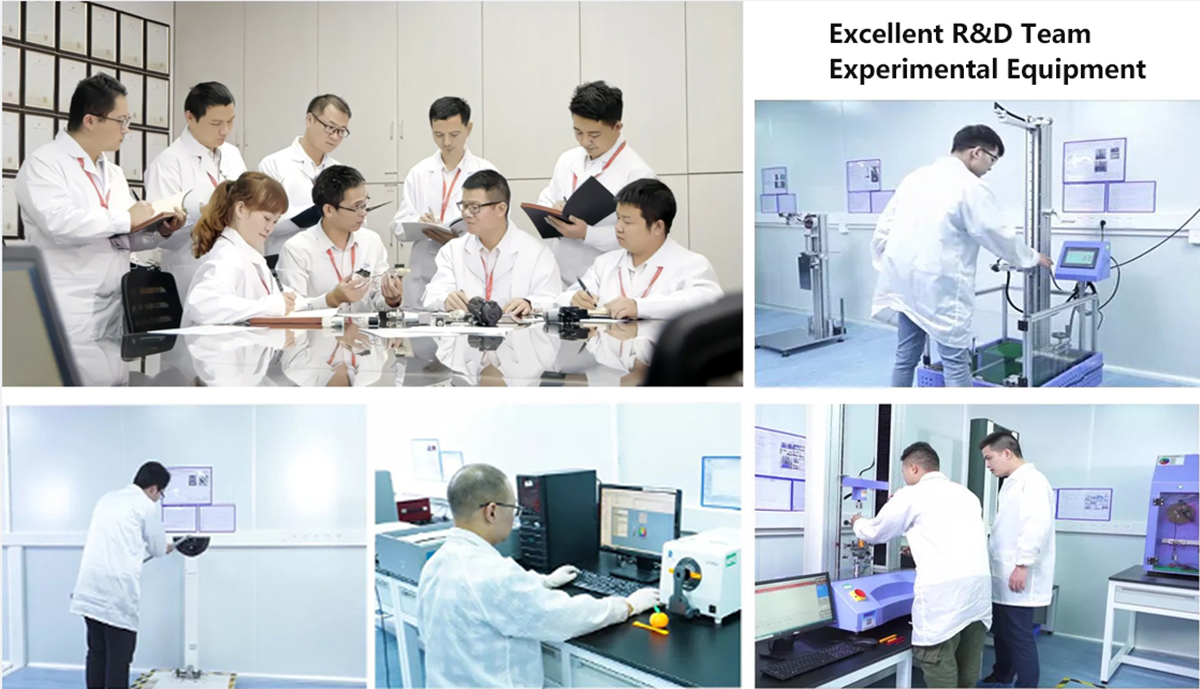
Quality Control
The factory area has passed ISO45001 occupational health and safety management system certification. Every new employee must be experienced one week of safety production knowledge teaching and two weeks of produce skills training, and master every course in the production process. Who is in the position will be responsible for its duty.
Our operational discipline ensures that every spool of PETG Carbon engineered for critical end-use applications like smart device protection adheres to stringent internal process governance, eliminating human variation and guaranteeing consistent thermal-mechanical characteristics.
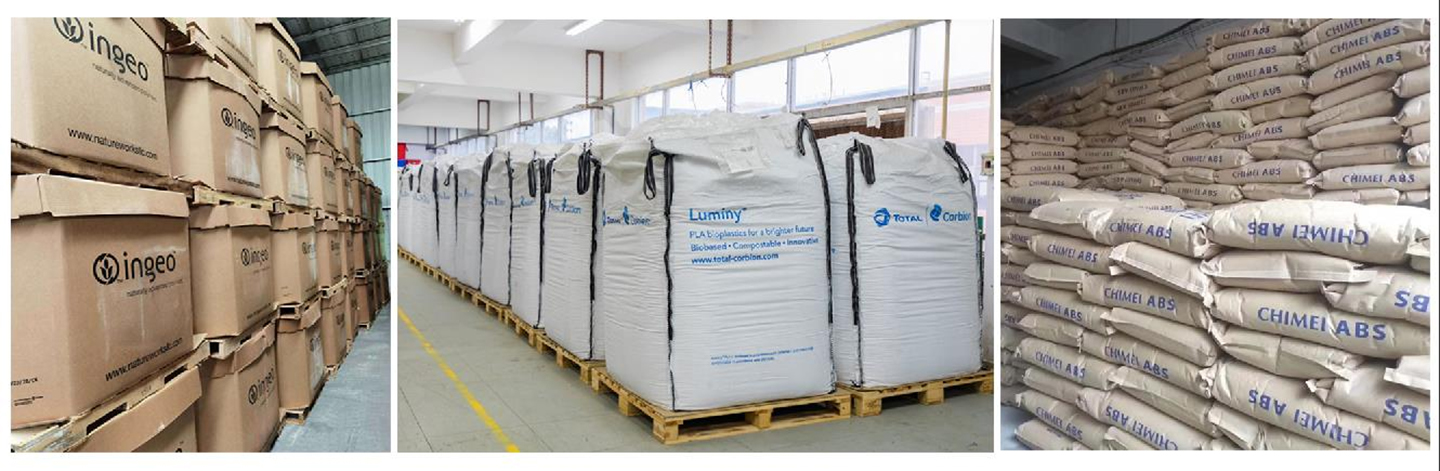
Raw Material
PLA is the most preferred material for 3D printing, Torwell firstly chooses PLA from US NatureWorks, and Total-Corbion is the alternative. ABS from TaiWan ChiMei, PETG from South Korea SK. Each batch of main raw materials comes from the partners who has cooperated more than 5 years to ensure the reliability of the products from the source. Each batch of raw materials will undergo parameters inspection before produce to ensure that raw materials are original and virginal.
By utilizing virgin South Korea SK PETG base resins combined with high-purity chopped carbon fiber strands, our composite filaments guarantee optimal molecular weight retention and superior interfacial bonding between the fibers and the polymer chain.
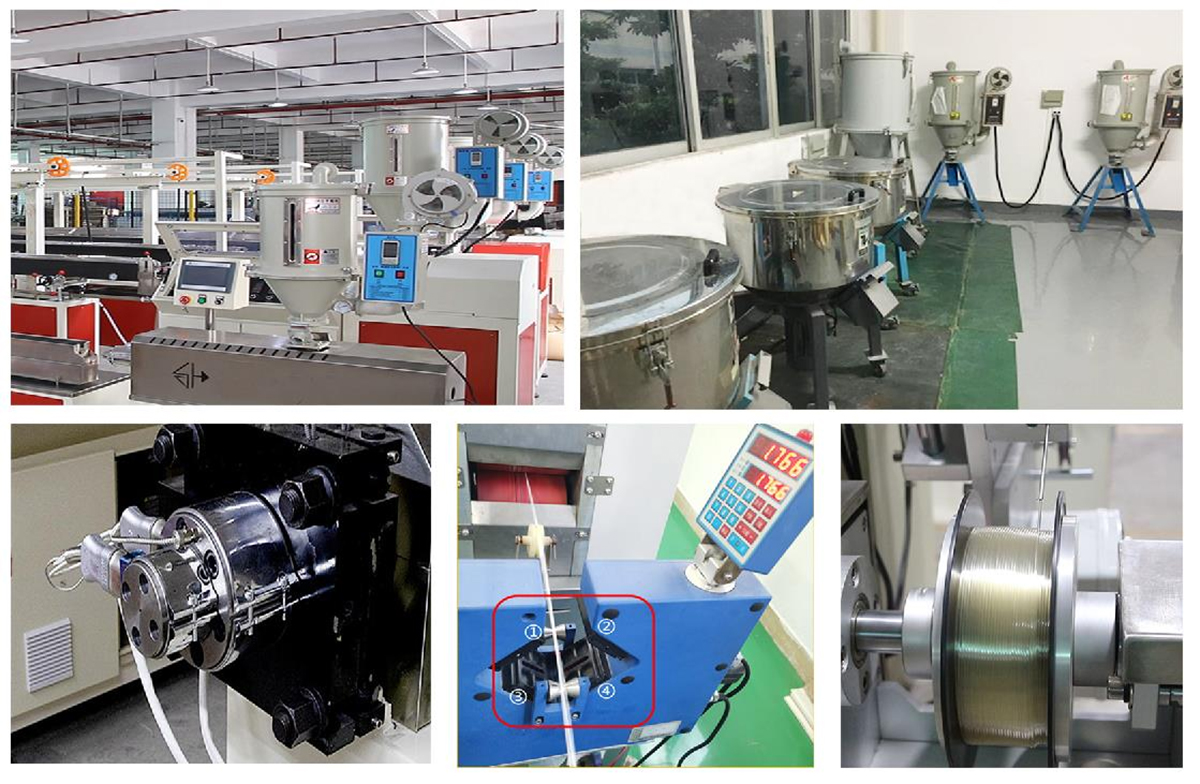
Equipment
The manufacturing workshop will make arrangements after the inspection of raw materials, at least two engineers cross-check the clearance of mixing tank, color mixed of material, humidity from hopper dryer, temperature of extruder, hot/cool tank, and trial-produce and debugging the produce line to make sure all of processes in the best condition. Maintain the filament Diameter tolerance +/- 0.02mm, Roundness tolerance +/- 0.02mm.
Precise filament diameter (±0.02mm) is critical for PETG Carbon. In phone case fabrication, even minute diameter variances cause under-extrusion or over-extrusion, risking brittle layer lines or dimensionally compromised snap-fit perimeters.
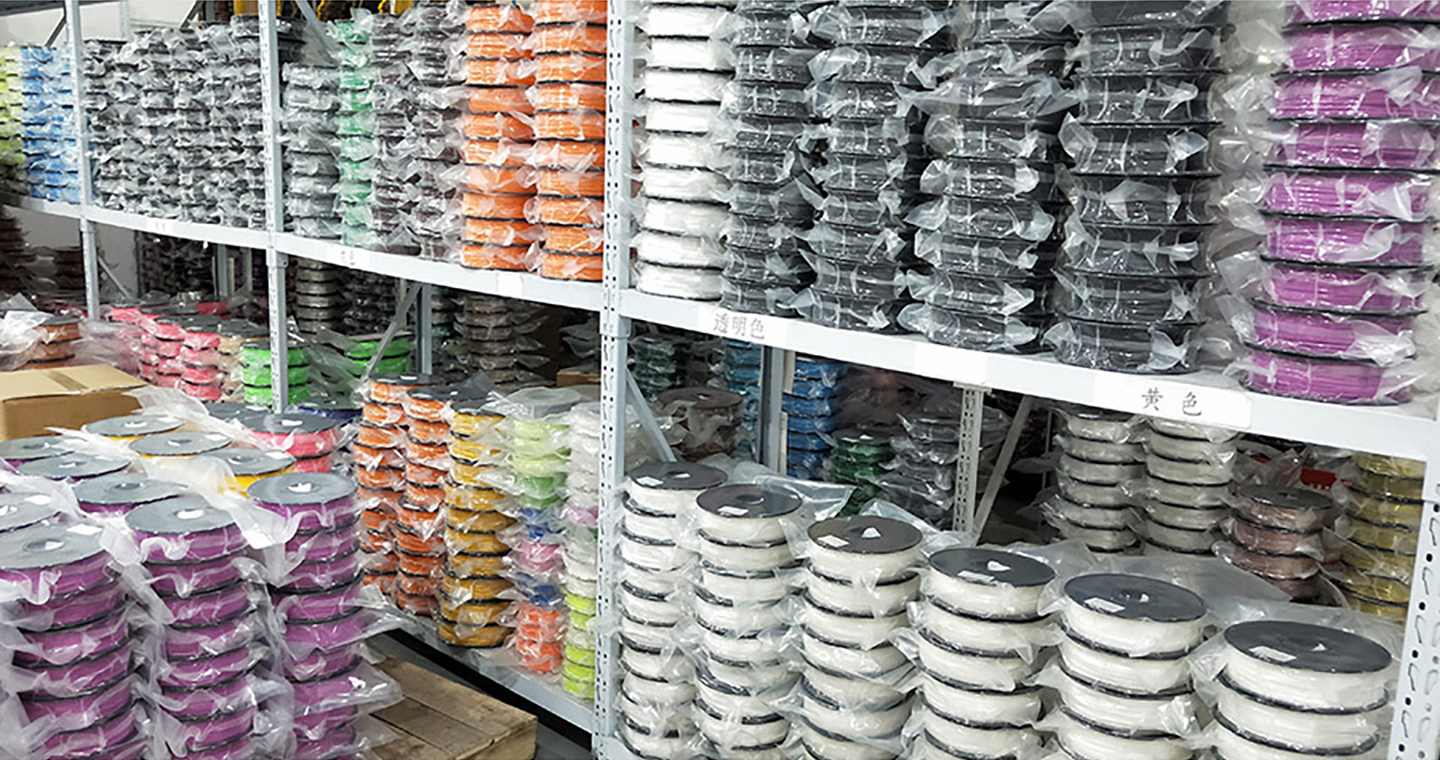
Final Inspection
After each batch of 3D filament is produced, two quality inspectors will conduct random inspections on each batch of finished products in accordance with the requirements of the standard, such as diameter tolerance, color consistency, strength and toughness and so on. After vacuuming the package, place them for 24 hours to check whether there is any leaking package, then label it and finish the package.
Because carbon fiber filaments are naturally hygroscopic, our mandatory 24-hour vacuum containment validation ensures that zero ambient moisture compromises interlayer adhesion when printing thin-walled custom phone enclosures.
Future Horizons: Circular Composites & AI-Driven Retail Customization
The intersection of machine learning, automated additive manufacturing, and carbon composite materials is establishing a new paradigm in consumer phone accessories. Emerging retail concepts feature in-store automated micro-factories where users scan their custom device configurations via smartphone LIDAR, personalize ergonomic contours with generative AI algorithms, and initiate localized printing using Torwell PETG Carbon filaments.
Furthermore, circular economy imperatives are driving advanced recycling techniques for composite polymers. Post-industrial PETG Carbon remnants can be granulated, chemically depolymerized, and re-extruded with minimal mechanical degradation. This closed-loop approach drastically lowers the carbon footprint compared to traditional high-volume injection tooling while empowering consumers with customized, high-performance protective gear tailored to the exact millimeter.
Complete Industrial & Bespoke Filament Catalog
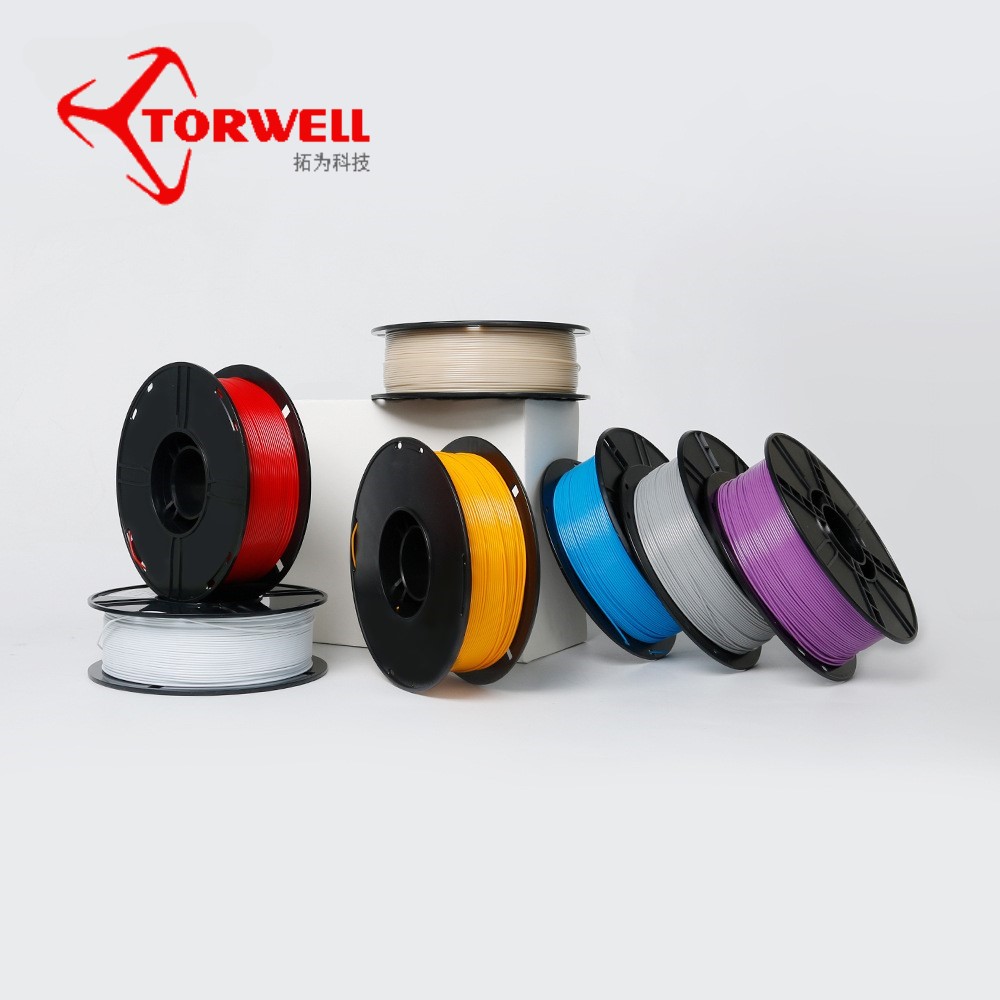
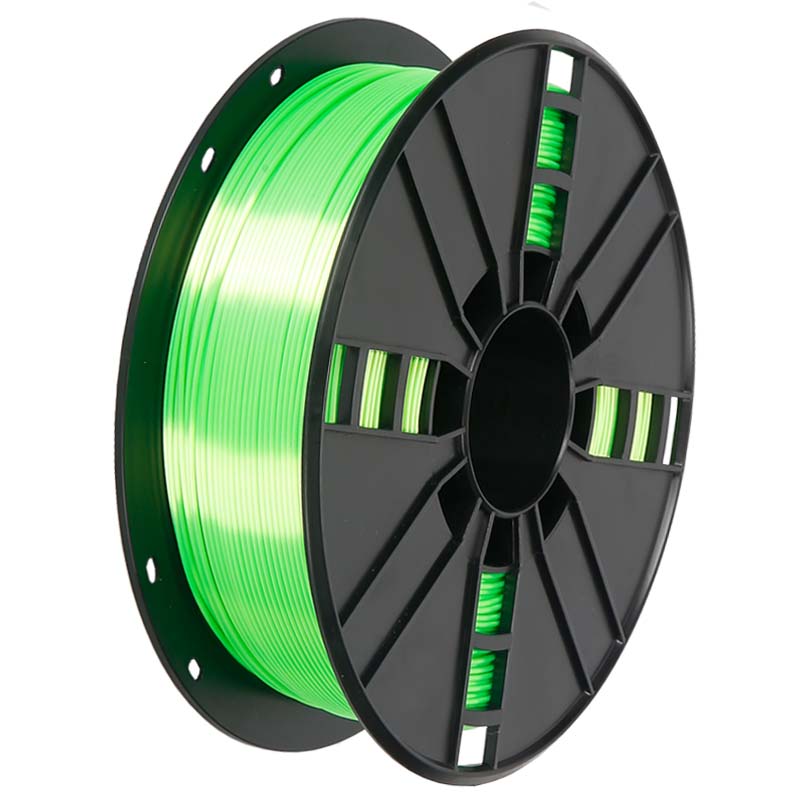
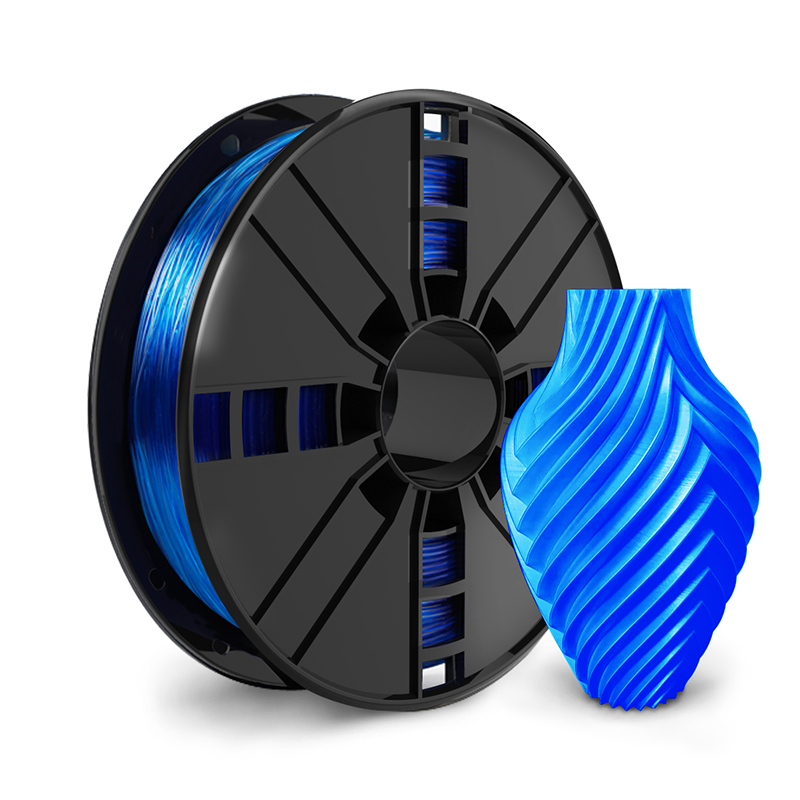
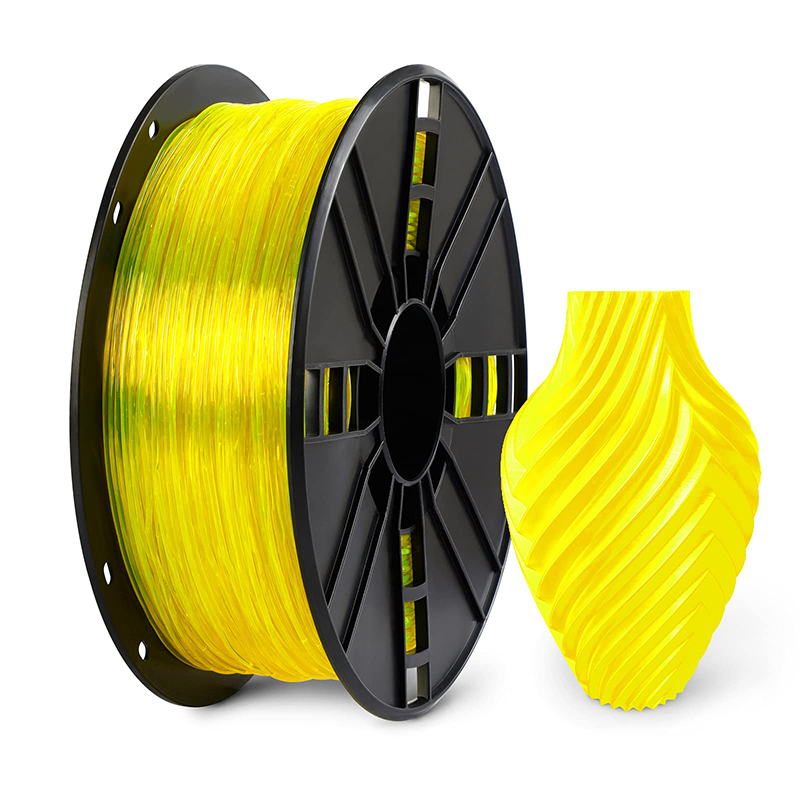
Comprehensive 3D printing filament solutions supporting custom phone case reinforcement, multi-durometer damping, precision fixtures, and rapid prototyping workflows.