
Featured Filament Systems for Insoles & Footwear Prototyping
High-damping polymers, elastomeric filaments, and engineering substrates engineered for transparent structural lattices.
Industrial Transformation: Additive Manufacturing in Footwear
The shift toward transparent, high-rebound elastomeric lattices for clinical orthotics, protective workwear, and athletic biomechanics.
Optical Clarity & Quality Inspection
Transparent TPU 3D printing filament allows non-destructive internal evaluation of critical lattice architectures. In protective footwear and high-impact workplace insoles, internal structural flaws, void spaces, or layer delaminations can immediately be detected under polarized optical screening before fielding.
Functionally Graded Viscoelasticity
By modulating the fill density and switching between gyroid, diamond, and voronoi geometries, modern TPU filaments allow localized hardness transitions ranging from Shore 70A to 95A across a single monolithic insole structure—cushioning heel strikes while firmly stabilizing the medial longitudinal arch.
Subtractive Tooling Elimination
Conventional EVA foam insoles require complex CNC milling or metal molds that yield significant microplastic waste and limit customization. 3D printed TPU insoles directly realize zero-scrap production, rapid on-demand customization from digital foot scans, and complete material circularity.
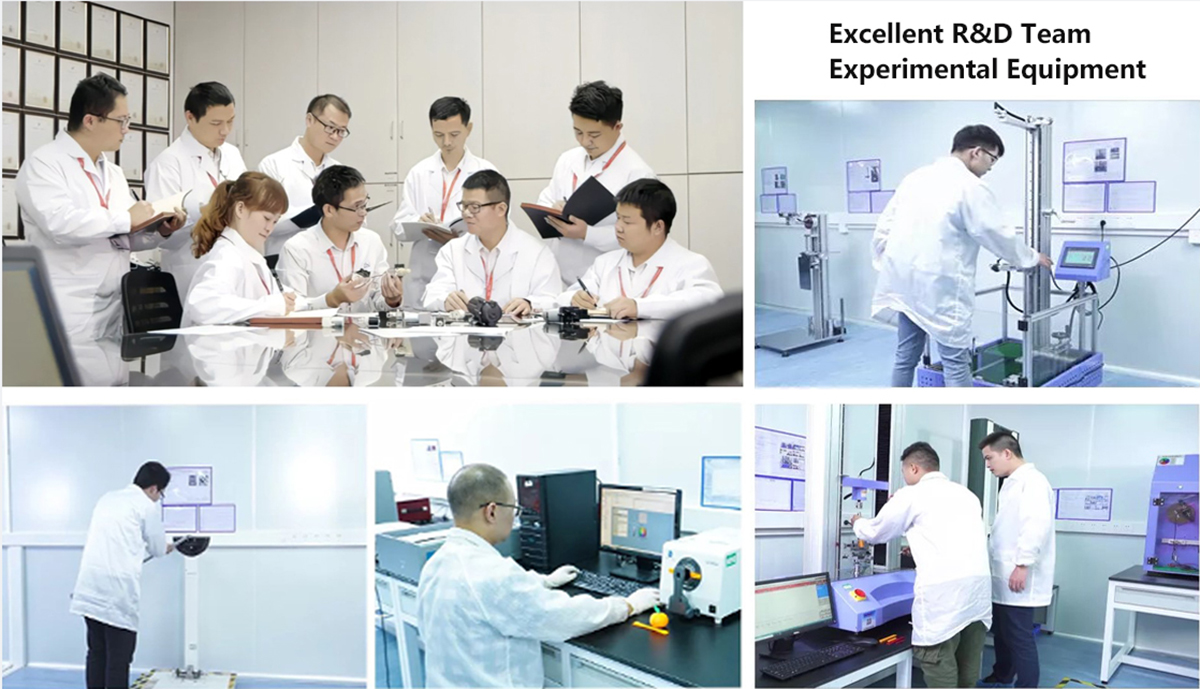
Strict Occupational & Process Standards
The factory area has passed ISO45001 occupational health and safety management system certification. Every new employee must be experienced one week of safety production knowledge teaching and two weeks of produce skills training, and master every course in the production process. Who is in the position will be responsible for its duty.
- Certified Manufacturing Environment: Fully compliant with international ISO45001 frameworks ensuring human and process safety.
- Standardized Extrusion Verification: Stringent multi-tier operator training designed to maintain high thermal and kinetic polymer discipline.
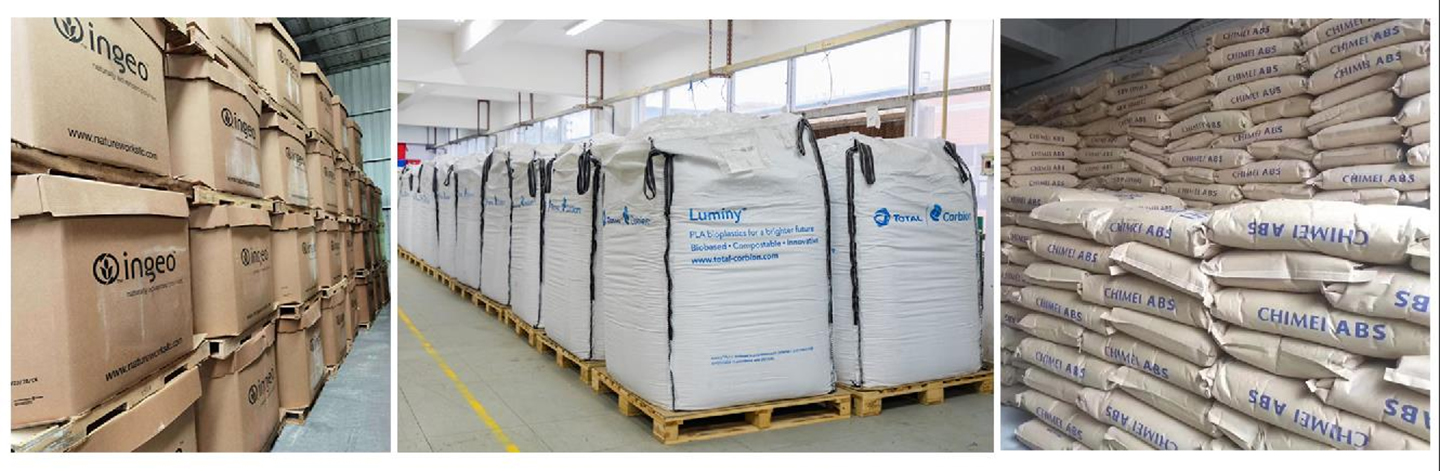
Engineering-Grade Raw Material Synthesis
PLA is the most preferred material for 3D printing, Torwell firstly chooses PLA from US NatureWorks, and Total-Corbion is the alternative. ABS from TaiWan ChiMei, PETG from South Korea SK. Each batch of main raw materials comes from the partners who has cooperated more than 5 years to ensure the reliability of the products from the source. Each batch of raw materials will undergo parameters inspection before produce to ensure that raw materials are original and virginal.
This stringent sourcing paradigm ensures that every spool of flexible polymer and TPU maintains high purity levels, preventing hydrolytic degradation, bubble creation, or crystalline cloudiness in transparent insole production.
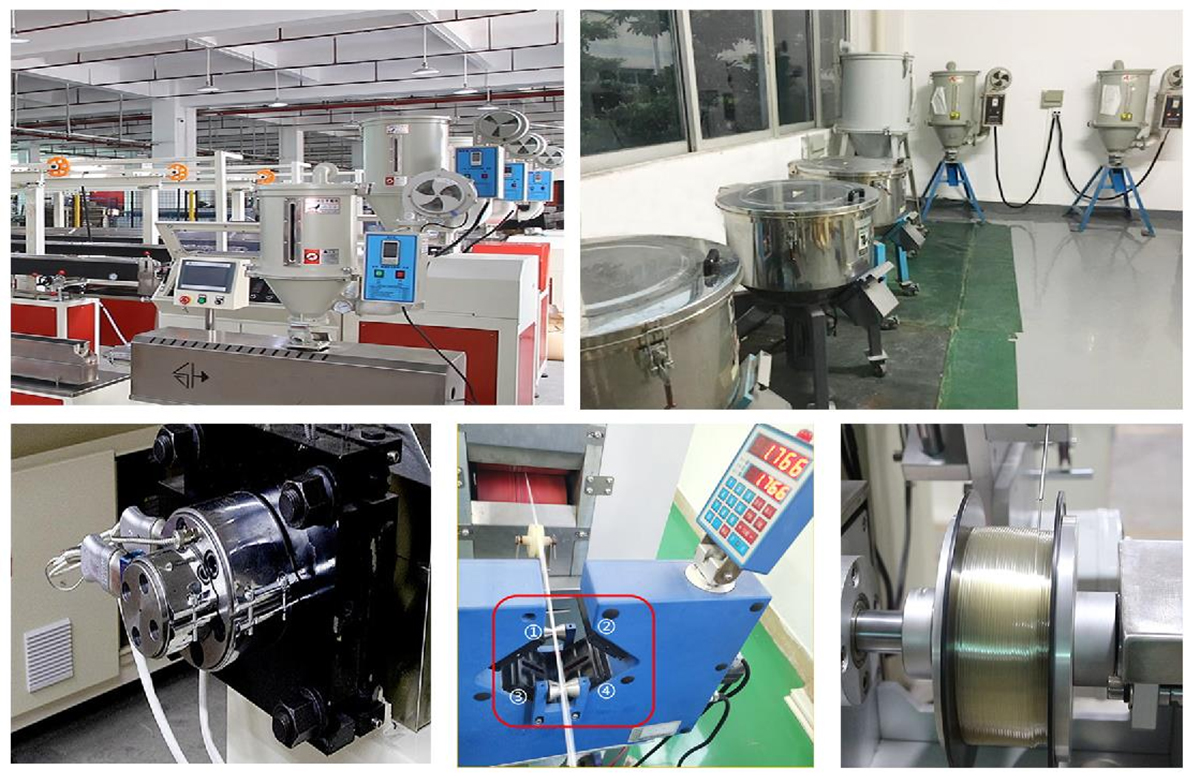
Automated High-Precision Processing Lines
The manufacturing workshop will make arrangements after the inspection of raw materials, at least two engineers cross-check the clearance of mixing tank, color mixed of material, humidity from hopper dryer, temperature of extruder, hot/cool tank, and trial-produce and debugging the produce line to make sure all of processes in the best condition. Maintain the filament Diameter tolerance +/- 0.02mm, Roundness tolerance +/- 0.02mm.
Consistent diameter control is critical for flexible elastomers; uniform feeding without buckling or slip guarantees flawless inter-layer fusion across high-speed insole printing runs.
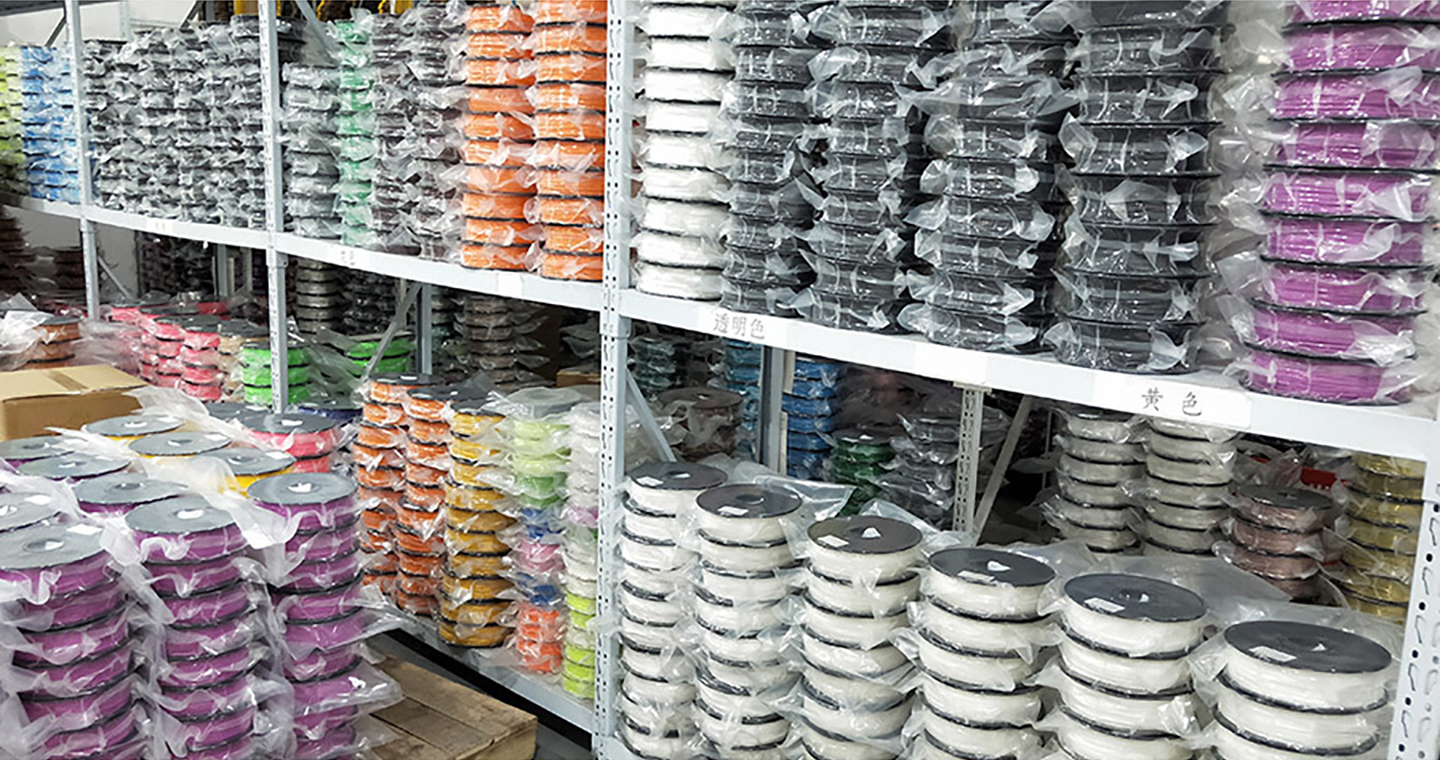
Exhaustive Metrology & Vacuum Sealing
After each batch of 3D filament is produced, two quality inspectors will conduct random inspections on each batch of finished products in accorce with the requirements of the standard, such as diameter tolerance, color consistency, strength and toughness and so on. After vacuuming the package, place them for 24 hours to check whether there is any leaking package, then label it and finish the package.
Moisture prevention is foundational to TPU printing integrity; dual-stage moisture evacuations safeguard high optical transparency and prevent bubble formation during extrusion.
Engineering Breakdown: Transparent TPU for Insole Geometries
Navigating performance metrics required by certified occupational and safety standards.
Dynamic Energy Return
In industrial footwear and safety boot applications, TPU provides continuous elastic recovery under dynamic fatigue. Unlike chemical foams that undergo severe compression set within months, 3D printed TPU lattices maintain over 92% rebound resilience under repetitive cyclical stress.
Thermal & Chemical Inertness
Protective work environments require insoles to resist degradation from industrial lubricants, sweat acids, and high ambient floor temperatures. High-grade TPU formulations withstand continuous hydrocarbon contact while retaining mechanical flexibility.
Micro-Climate Breathability
Traditional insoles trap moisture and encourage bacterial colonization. 3D printed transparent lattice structures present fully interconnected open cells that promote bidirectional air circulation, venting sweat during heavy industrial and military shifts.
Comprehensive Industrial 3D Printing Material Line
Complete additive manufacturing portfolio engineered for advanced consumer, clinical, and industrial prototyping.
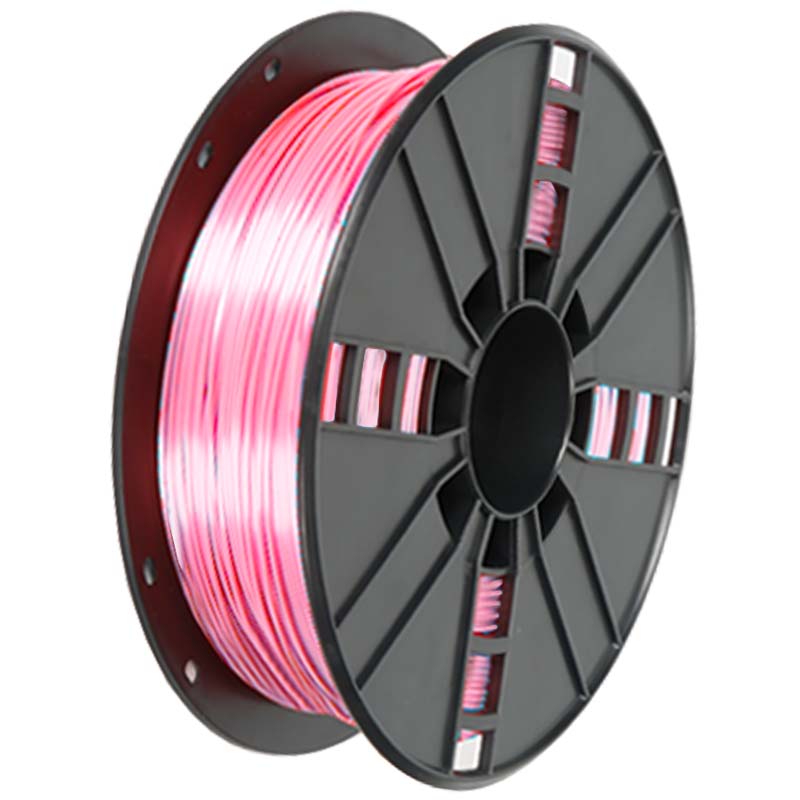 Silky Shiny 3D Printing Material for 3D Printer and 3D Pen, 1kg 1 Spool
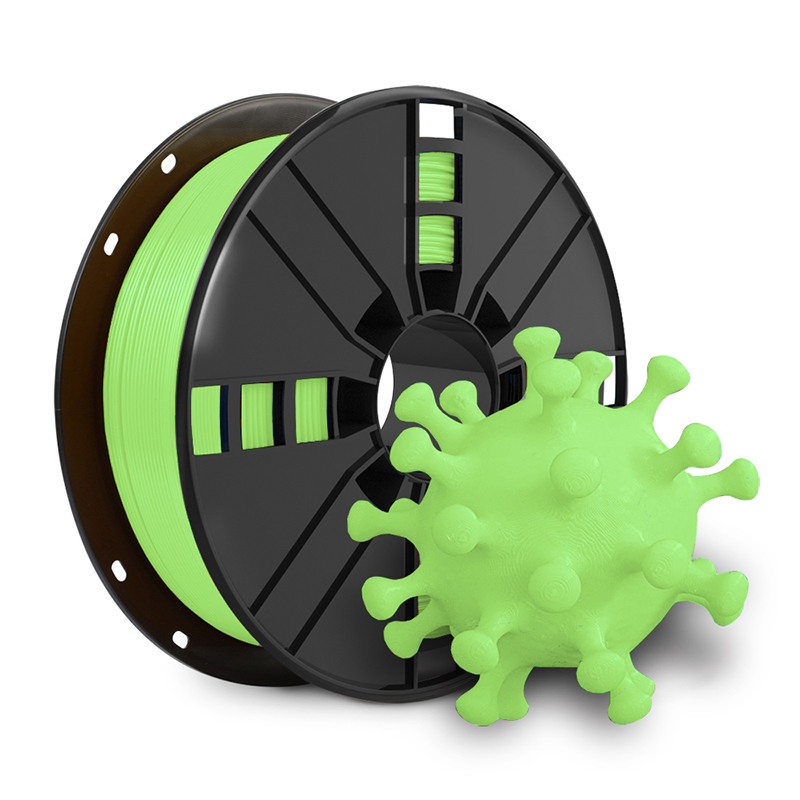 PLA filament Fluorescent Green
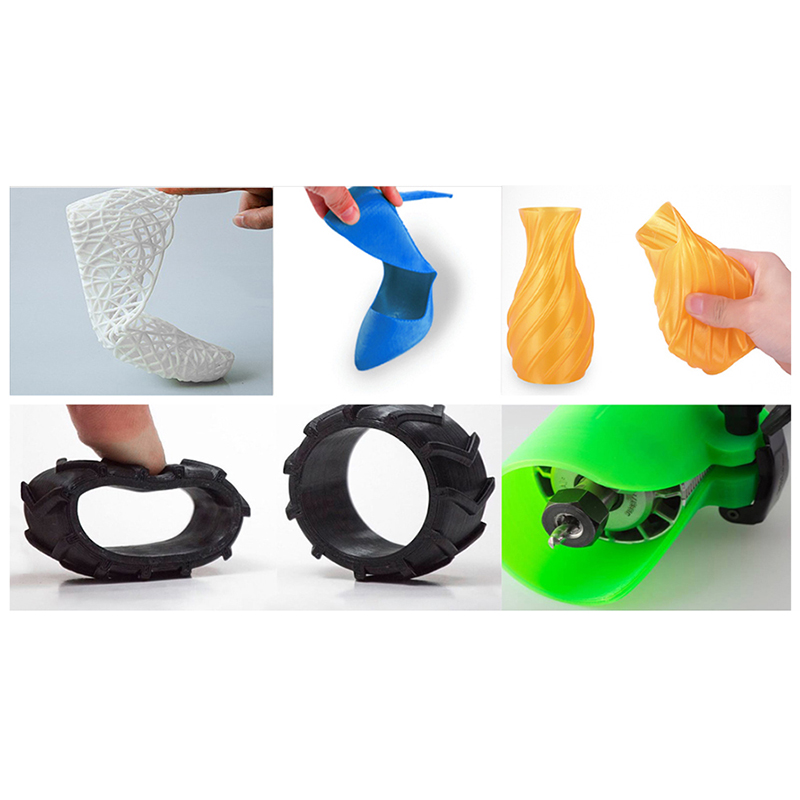 Flexible TPU filament for 3D printing soft material
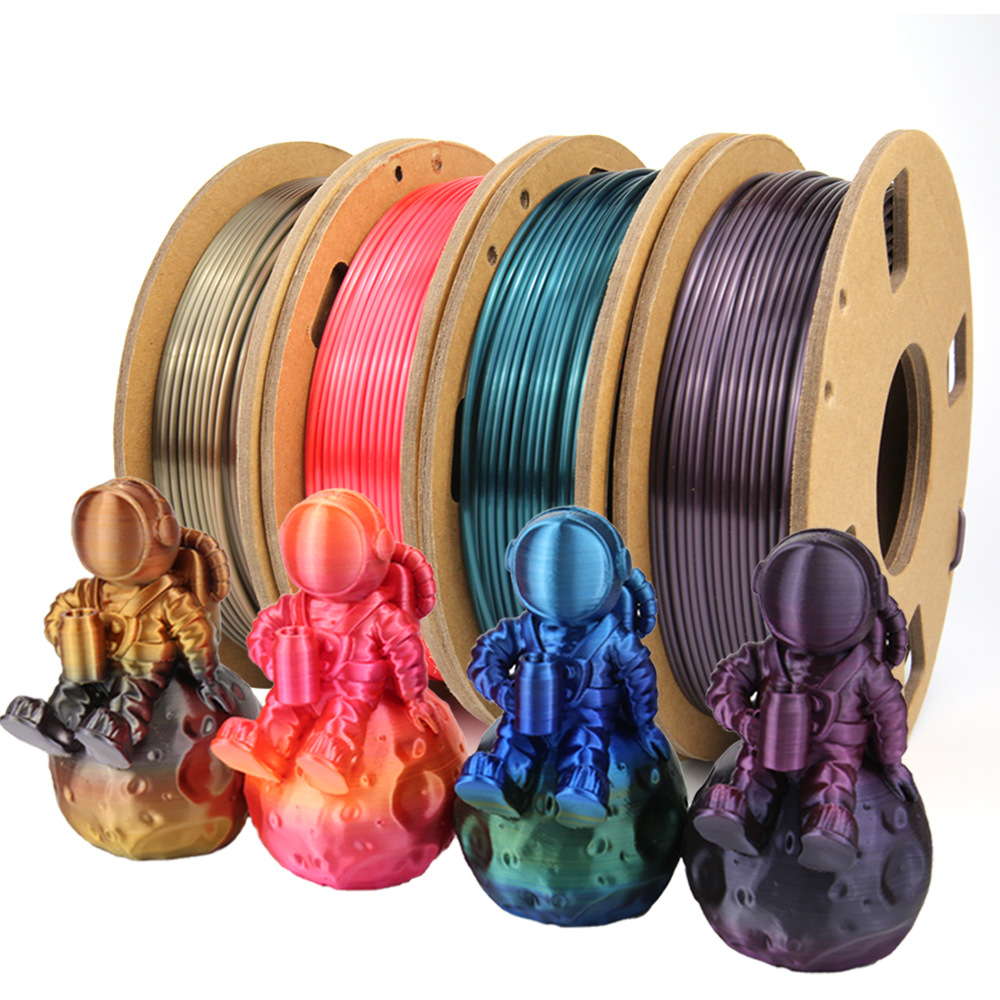 Dual Color Silk PLA 3D Filament, Pearlescent 1.75mm, Coextrusion Rainbow
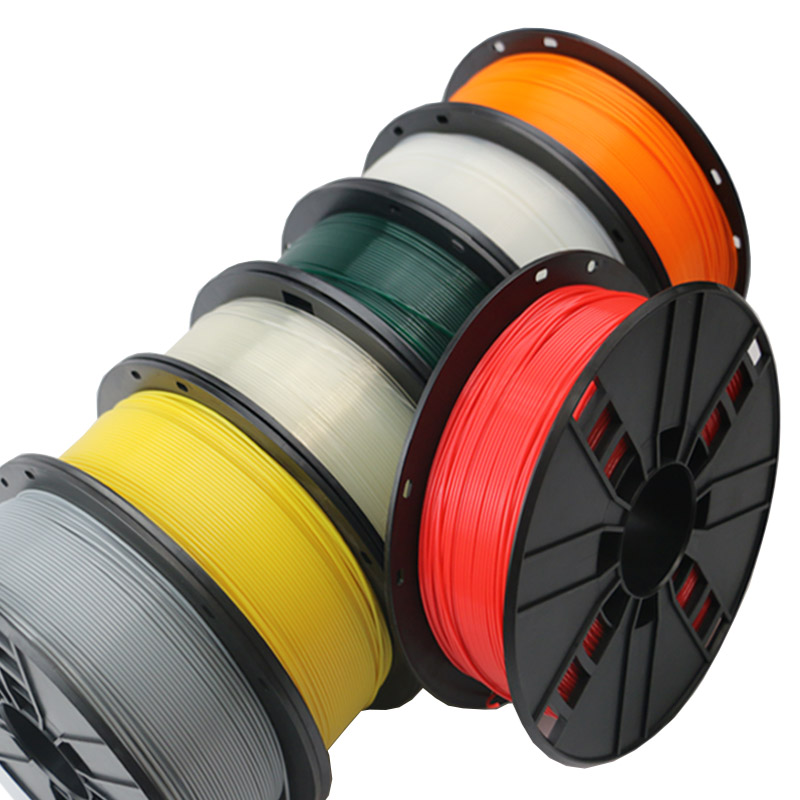 Torwell PLA 3D Filament with high strength, Tangle Free, 1.75mm 2.85mm 1kg
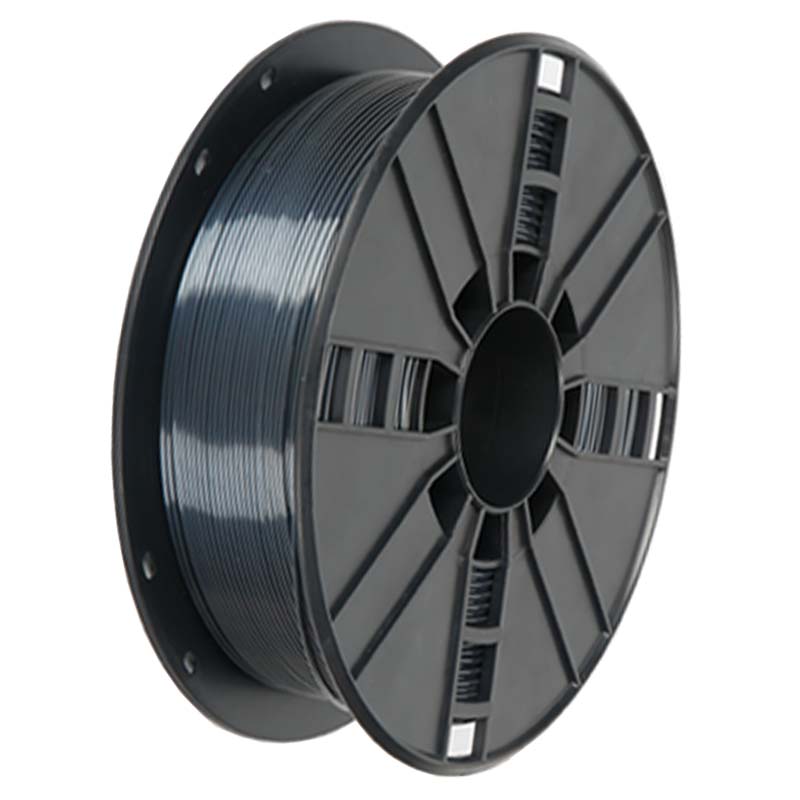 Silk Black PLA Filament 1.75mm 3D Printing Filament
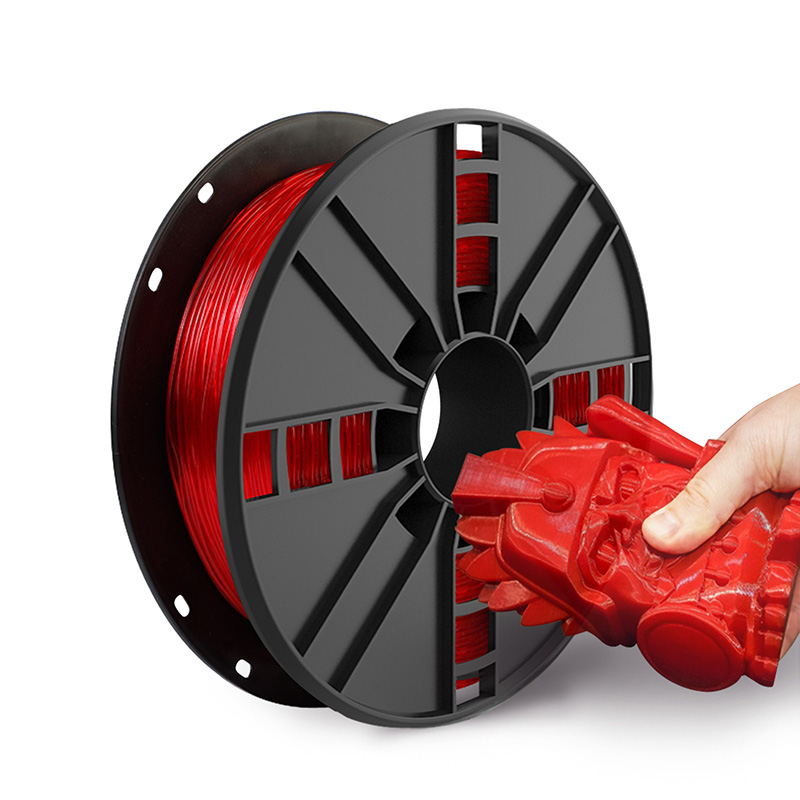 Printing Filaments TPU Flexible Plastic for 3D Printer 1.75mm Materials
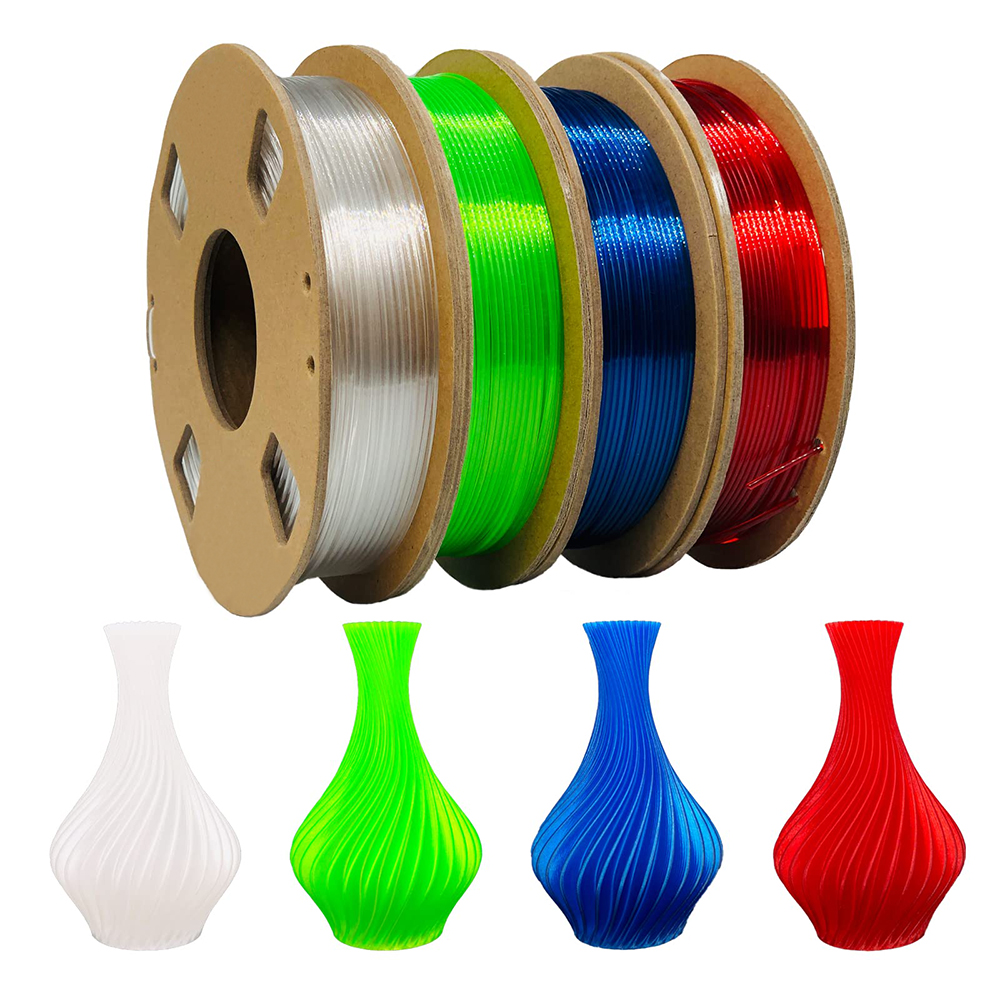 PETG Filament with multi-color for 3D printing, 1.75mm, 1kg