
Featured Industrial 3D Printing Filaments for Bracket Prototyping
High-performance technical filaments designed for rapid iterative engineering, custom tooling fixtures, and durable mechanical brackets.
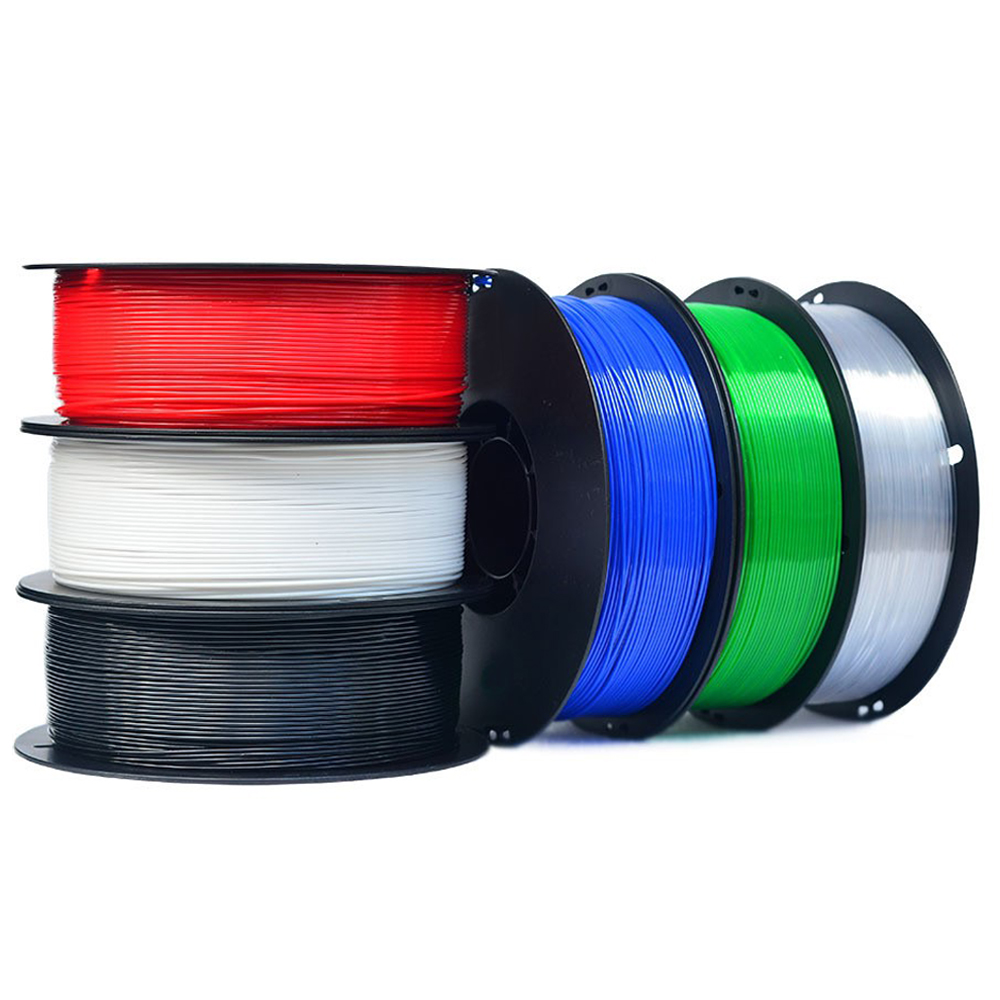
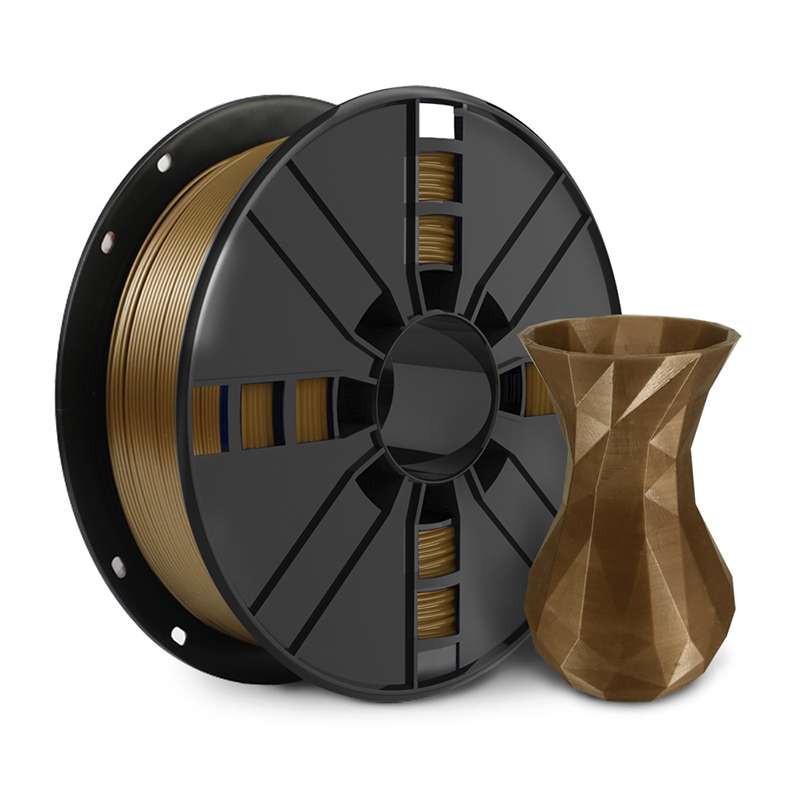
PETG 3D Printer Filament 1.75mm/2.85mm, 1kg
Rigid Structural Mounts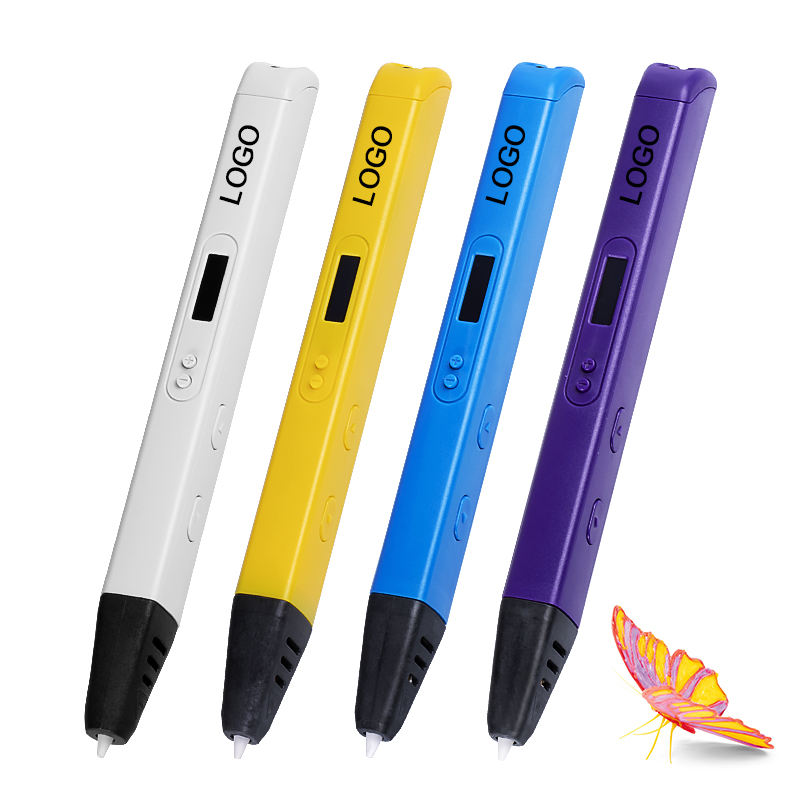
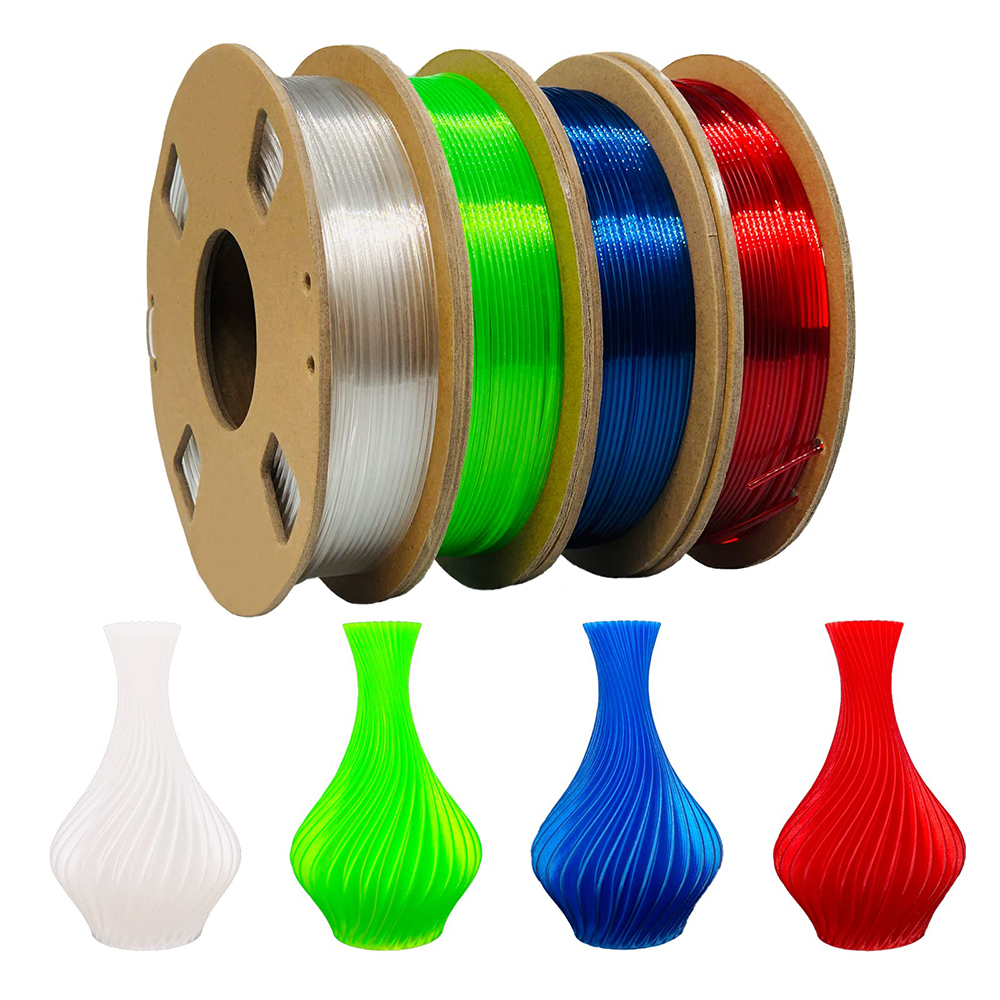
3D Printing Pen with Display - Includes 3D Pen, 3 Colors PLA Filament
Precision Manual Prototyping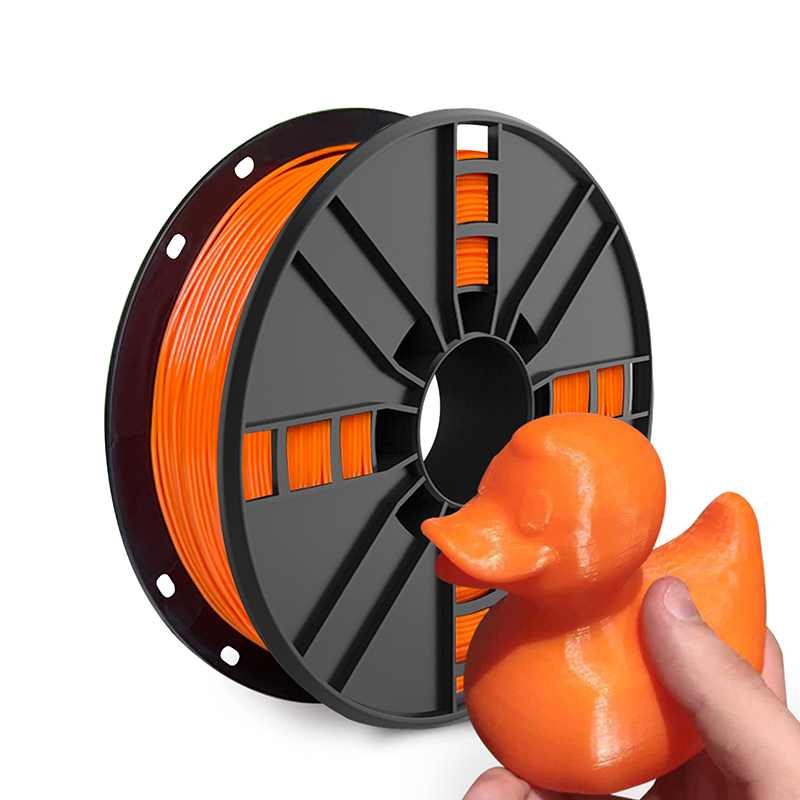
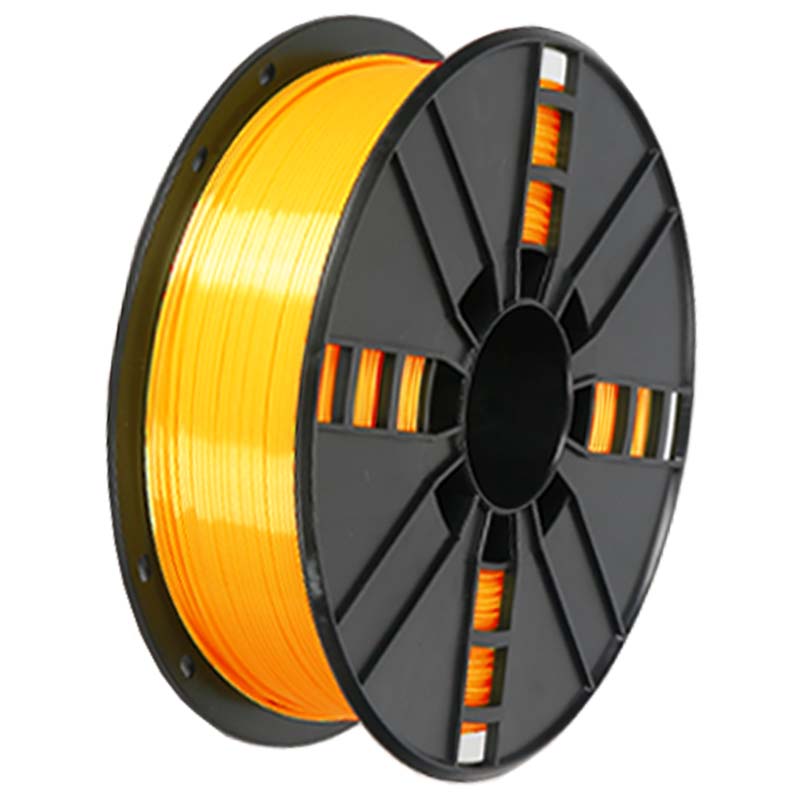
Orange TPU Filament 3D printing materials
Impact & Vibration Absorption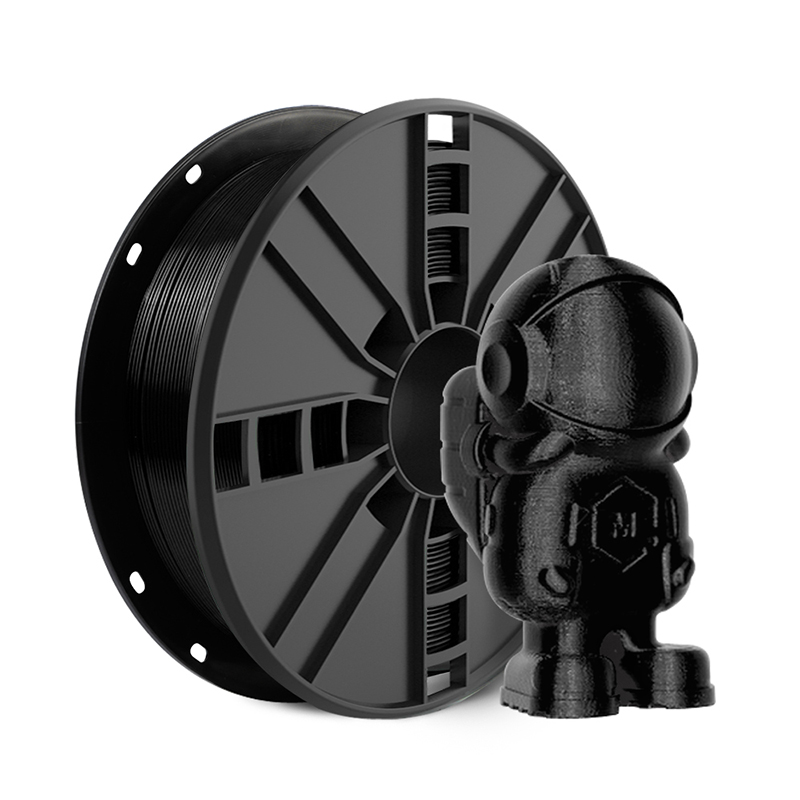
Torwell ABS Filament 1.75mm, Black, ABS 1kg Spool, Fit Most FDM 3D Printer
Thermal Resistant EnclosuresIndustrial Status & The Paradigm Shift in Mechanical Bracket Fabrication
Transitioning from rigid aluminum CNC machining to additive thermoplastic elastomer engineering.
Overcoming Mechanical Fatigue in High-Frequency Dynamic Systems
In conventional automated assembly lines, robotic arms, and automated guided vehicles (AGVs), mechanical mounting brackets have historically been manufactured from CNC-machined 6061-T6 aluminum or injection-molded polyoxymethylene (POM). While these rigid substrates provide exceptional dimensional stability, they suffer from a fatal structural vulnerability: continuous vibration transmission and cyclic micro-shock fatigue.
When rigid brackets endure perpetual harmonic oscillation from high-torque servo motors or pneumatic pistons, stress concentrators develop near fastening apertures. Over prolonged operational cycles, this induces micro-fissures, fastener self-loosening, and catastrophic bracket shear. Thermoplastic Polyurethane (TPU) 3D printing material eliminates this failure mode by integrating dynamic viscoelastic energy absorption directly into the structural bracket matrix.
- Kinetic Shock Dissipation: TPU brackets dissipate dynamic kinetic pulses, protecting sensitive optical LiDAR, sensors, and encoders.
- Zero Catastrophic Fracture: High elongation-at-break (up to 550%) guarantees failure occurs via elastic deformation rather than sudden brittle fracture.
- Harmonic Decoupling: Mitigates acoustic resonance and vibrational wear across machine structural assemblies.
Polymer Chemistry: Shore Hardness & Tribological Performance
Selecting optimal TPU formulations for industrial mechanical load-bearing applications.
Semi-Rigid Shore 95A / 98A
The gold standard for mechanical brackets. Shore 95A-98A TPU delivers the necessary structural rigidity to maintain geometric alignment under load while retaining superior shock dampening and exceptional layer lamination.
Tribological Abrasion Resistance
Unlike standard PLA or PETG, TPU displays extreme resistance to sliding friction, abrasive dust, and direct mechanical scrubbing. This property prevents bracket degradation in dirty pneumatic conveyor enclosures.
Chemical & Grease Immunity
Ester and ether-based TPU formulations withstand continuous exposure to industrial cutting fluids, synthetic gear greases, motor oils, and cleaning solvents without chemical stress cracking or plasticizer leaching.
| Material Specification | Industrial TPU (Shore 95A) | Aluminum 6061-T6 | Standard PETG | Carbon Fiber PA12 |
|---|---|---|---|---|
| Vibration Damping Index | Extreme (> 0.28 loss factor) | Negligible ( | Low (0.02) | Moderate (0.06) |
| Tensile Elongation at Break | 450% - 580% | 12% - 17% | 18% - 30% | 8% - 15% |
| Abrasion Wear Volume Loss (mm³) | 25 - 35 (ISO 4649) | 120 - 150 | 180 - 210 | 70 - 90 |
| Chemical / Oil Resistance | Exceptional (Hydrocarbon inert) | Prone to galvanic corrosion | Moderate | High (Sensitive to moisture) |
| Manufacturing Agility | Rapid Additive (No Tooling) | CNC Machining (High scrap) | Rapid Additive | High-temp Additive |
Industrial Application Scenarios for TPU Mechanical Brackets
Empowering automation, robotics, aerospace, and factory machinery with custom resilient mounting fixtures.
1. End-of-Arm Tooling (EOAT) & Robotic Gripper Flanges
In six-axis industrial pick-and-place robots, rapid acceleration and deceleration cycles (up to 4G) generate intense inertial loads on end-effector mounts. Rigid mounts amplify torque back into the gearboxes, shortening servomotor lifespans. TPU mechanical brackets act as integrated structural snubbers. They securely hold pneumatic suction manifolds, sensors, and vacuum channels while absorbing instantaneous stopping momentum, drastically reducing robotic joint fatigue.
2. Heavy Conveyor Pneumatic & Hydraulic Line Clamps
Fluid lines in industrial facilities pulsate continuously at pressures exceeding 200 bar. Metal clamps clamp rigidly, often cutting into elastomer hoses or loosening their own mounting bolts over time. Additive TPU brackets allow engineers to 3D print conformal, dual-hardness clamping blocks that firmly locate hydraulic lines without surface scarring, providing continuous damping that absorbs fluid pressure surges.
3. Autonomous Mobile Robots (AMR) & AGV Sensor Isolators
Factory floor AGVs navigate across concrete expansion joints, debris, and metal thresholds. Floor-induced shocks translate directly to the vehicle chassis, knocking optical cameras and 3D LiDAR sensors out of calibration. Printing multi-point kinematic TPU brackets isolates high-frequency terrain vibration, ensuring consistent sensor telemetry, preventing navigation drifts, and eliminating costly line-stoppage recalibrations.
Engineering Slicing Strategies for Heavy-Duty TPU Brackets
Optimizing toolpaths, perimeter densities, and volumetric extrusion for isotropic bracket strength.
Triply Periodic Gyroid Infill
For dynamic mechanical brackets subject to multi-axial torsional and compressive forces, 3D Gyroid infill (45% to 75% density) ensures uniform isotropic load distribution with zero internal shearing planes.
Perimeter Overlap & Thermal Fusion
Setting wall counts to 4-6 perimeters with a 35% infill overlap and slight extrusion multiplier increase (1.03 - 1.05) forces molten polymer fusion, virtually eliminating inter-layer delamination under tensile strain.
Integrated Metallic Bushing Inserts
To prevent fastener creep over time, brackets printed in TPU can be sliced with interference-fit apertures for brass or stainless steel bushings, distributing bolted pre-load evenly without crushing the elastomeric body.
Industrial Quality Control & Advanced Filament Manufacturing
Rigorous standard operating procedures and world-class raw material governance for additive reliability.
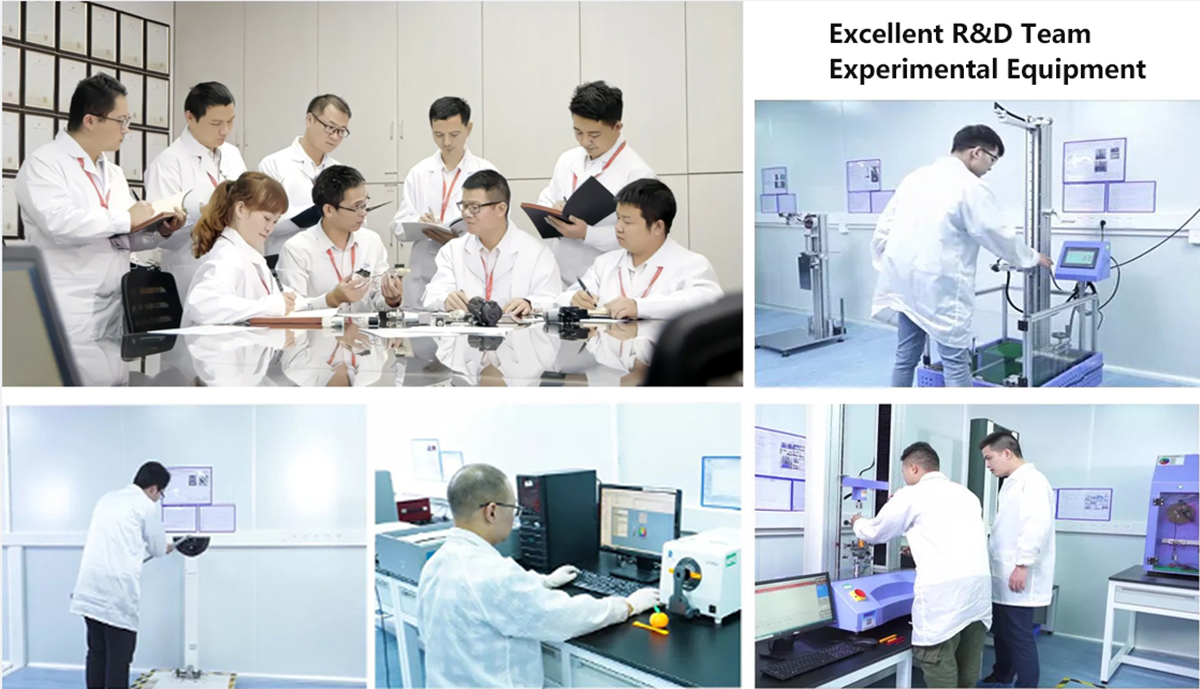
Quality Control
The factory area has passed ISO45001 occupational health and safety management system certification. Every new employee must be experienced one week of safety production knowledge teaching and two weeks of produce skills training, and master every course in the production process. Who is in the position will be responsible for its duty.
Raw Material
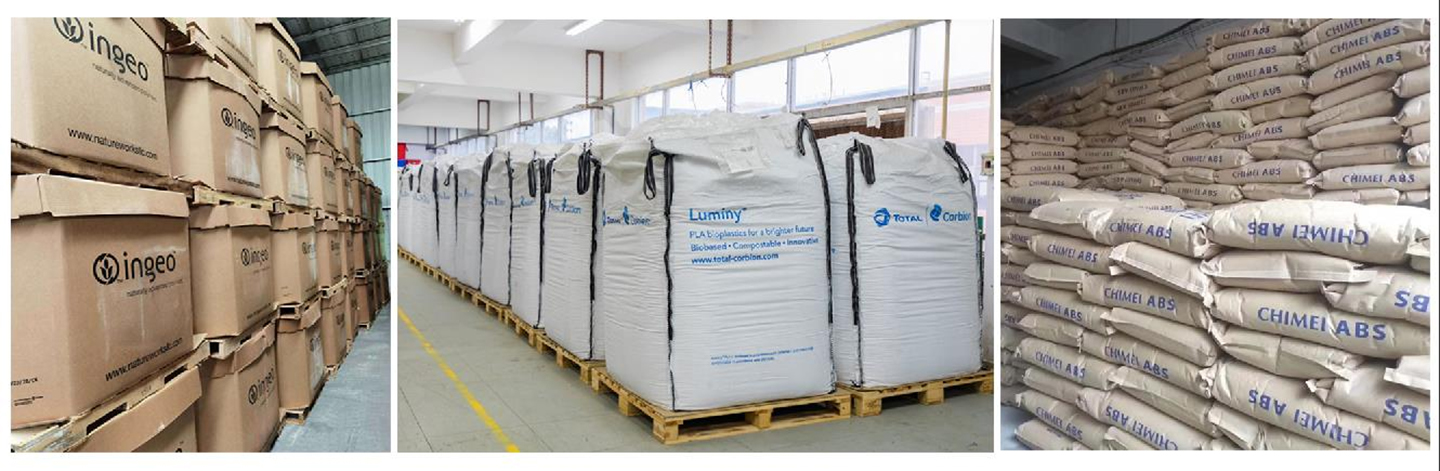
PLA is the most preferred material for 3D printing, Torwell firstly chooses PLA from US NatureWorks, and Total-Corbion is the alternative. ABS from TaiWan ChiMei, PETG from South Korea SK. Each batch of main raw materials comes from the partners who has cooperated more than 5 years to ensure the reliability of the products from the source. Each batch of raw materials will undergo parameters inspection before produce to ensure that raw materials are original and virginal.
Equipment
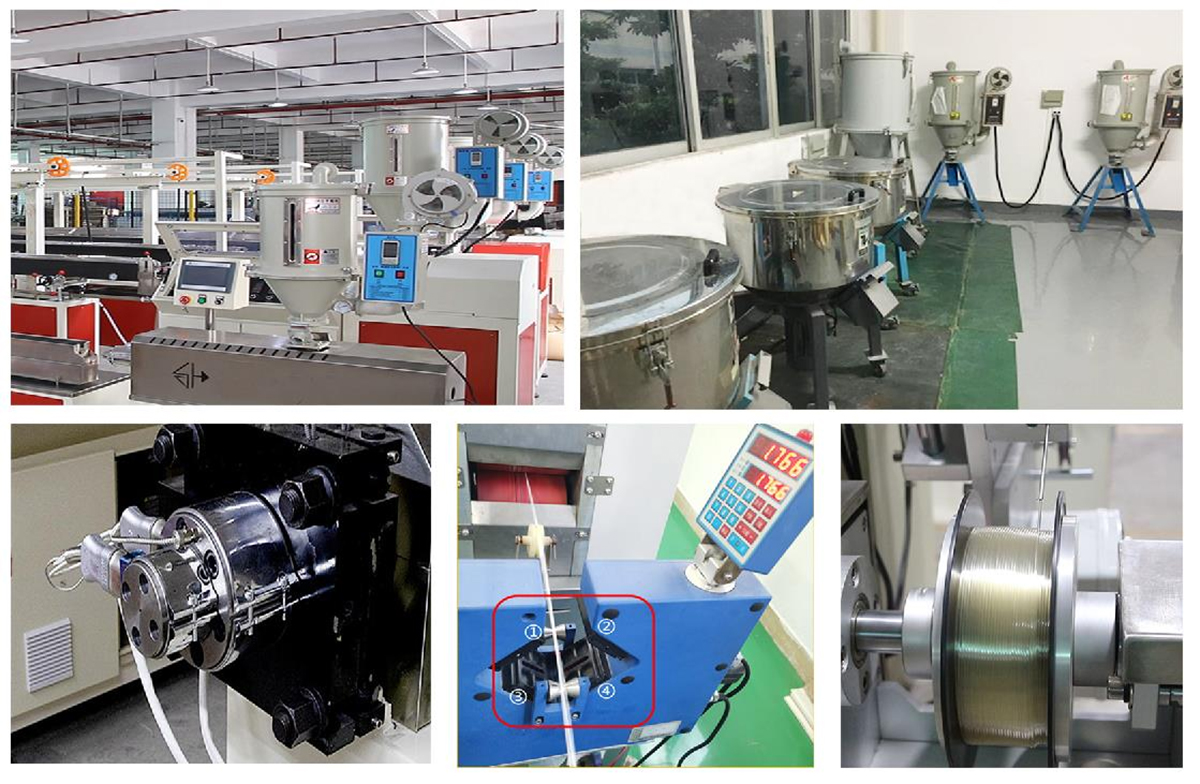
The manufacturing workshop will make arrangements after the inspection of raw materials, at least two engineers cross-check the clearance of mixing tank, color mixed of material, humidity from hopper dryer, temperature of extruder, hot/cool tank, and trial-produce and debugging the produce line to make sure all of processes in the best condition. Maintain the filament Diameter tolerance +/- 0.02mm, Roundness tolerance +/- 0.02mm.
Final Inspection
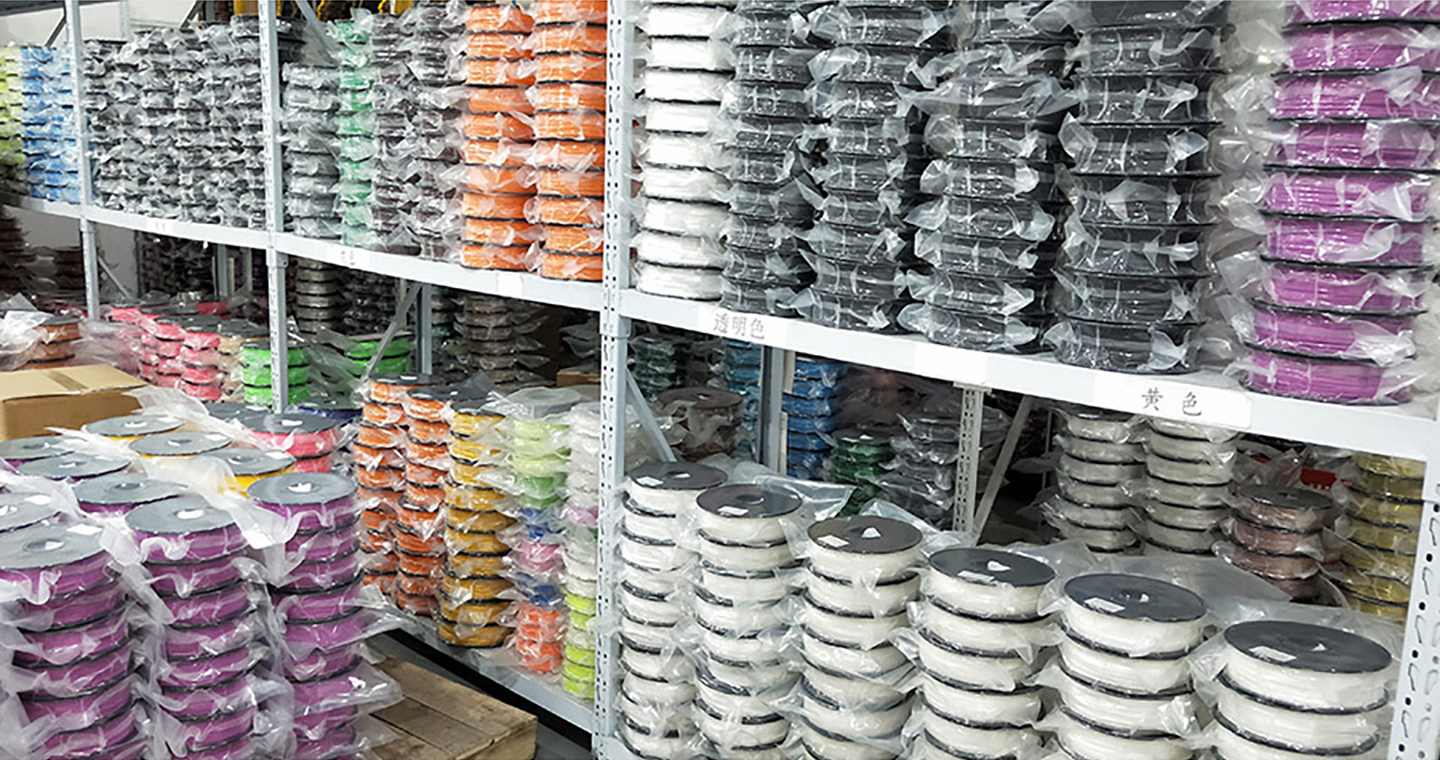
After each batch of 3D filament is produced, two quality inspectors will conduct random inspections on each batch of finished products in accordance with the requirements of the standard, such as diameter tolerance, color consistency, strength and toughness and so on. After vacuuming the package, place them for 24 hours to check whether there is any leaking package, then label it and finish the package.
Comprehensive 3D Printing Material Catalog for Industrial Brackets
Explore our full line of industrial-grade engineering filaments, functional prototypes, and aesthetic production materials.
PETG 3D Printer Filament 1.75mm/2.85mm, 1kg
Mechanical Toughness
3D Printing Pen with Display - Includes 3D Pen, 3 Colors PLA Filament
On-Site Touchup & Repair
Orange TPU Filament 3D printing materials
Elastic Heavy-Duty Bracket
Torwell ABS Filament 1.75mm, Black, ABS 1kg Spool, Fit Most FDM 3D Printer
High-Temp Stability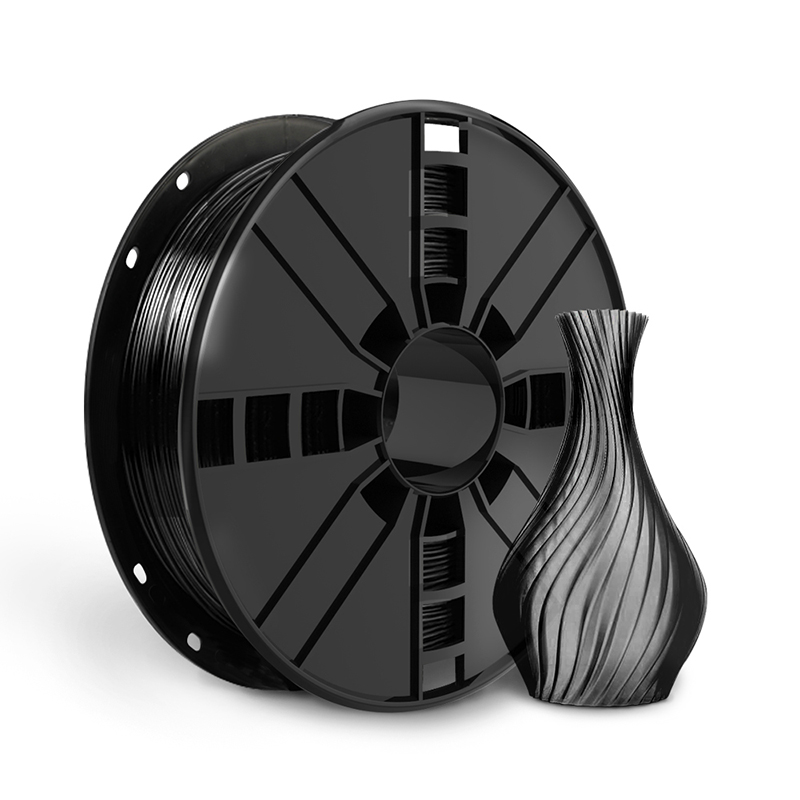
Future Trends: Generative AI & Digital Inventories in Elastomeric Bracket Manufacturing
How intelligent additive manufacturing is reshaping industrial supply chains worldwide.
The emergence of Generative AI topology optimization is fundamentally revolutionizing industrial mechanical bracket design. Instead of relying on conventional prismatic geometry, algorithmic solvers simulate dynamic multi-point stresses and generate organically sculpted TPU bracket architectures. These biomimetic structures place elastomer density precisely where shock waves travel, simultaneously reducing filament consumption by 40% and augmenting shock dissipation efficiency by over 200%.
Furthermore, digital spare-part inventories are replacing physical overseas warehousing. Manufacturing plants maintain secure cloud repositories of bracket CAD models. When a mechanical support wears or a custom bracket is needed on an assembly line, the part is dispatched directly to an on-site FDM printer running premium Torwell TPU filament, producing an operational, high-performance bracket within hours and driving near-zero downtime across modern automated factories.