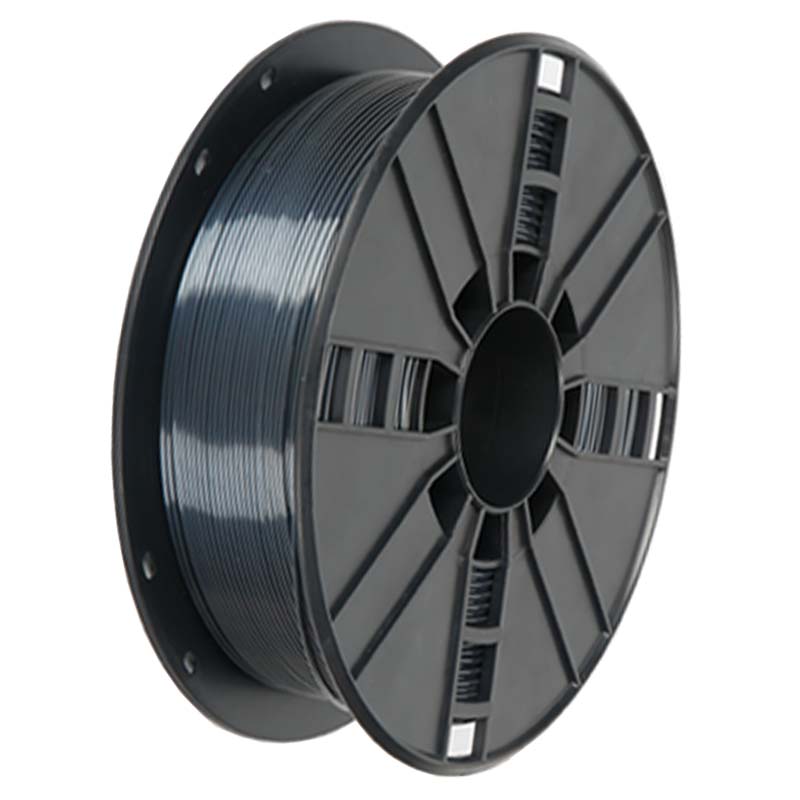
Featured Performance Polymers
Industrial-grade 3D printing filaments formulated with tight diameter tolerances and optimized mechanical integrity.
U.S. Industrial Dynamics: The Rise of Black ASA Filament
An indispensable engineering thermoplastic bridging functional prototyping and end-use outdoor manufacturing across American industries.
Superior UV Weatherability & Thermal Performance
Acrylonitrile Styrene Acrylate (ASA), particularly in high-demand black colorways, has surged across the United States industrial additive manufacturing landscape. Historically, engineers turned to ABS for impact resistance and mechanical toughness; however, ABS degrades rapidly under direct sunlight, suffering embrittlement, yellowing, and surface micro-cracking when exposed to outdoor ultraviolet radiation.
Black ASA filament solves this critical flaw by substituting polybutadiene with an acrylate rubber elastomer. The addition of specialized carbon black pigments yields exceptional UV absorption, preventing photo-oxidative degradation. For U.S. manufacturers operating in harsh environmental conditions—ranging from the high-heat, high-UV climates of Arizona and Texas to sub-zero Midwestern winters—black ASA provides unchanged mechanical tensile strength and a pristine matte finish over years of outdoor exposure.
Localized US Applications & Commercial Adoption
The transition toward localized, on-demand additive manufacturing within the United States has positioned black ASA as an essential material across high-value sectors:
Automotive & Commercial Fleet: From Michigan tier-one suppliers to California EV innovators, black ASA is selected for exterior side-mirror housings, bespoke aerodynamic cowl covers, sensor mounting brackets, and customized tailgate emblems requiring OEM-grade finishes straight off the build plate.
Telecom & Smart Infrastructure: Telecommunication installers leverage black ASA to produce weather-sealed 5G antenna enclosures, outdoor junction covers, and IoT sensor housings that endure continuous solar irradiation, moisture, and acid rain without structural compromise.
Marine & Agricultural Machinery: Navigational console panels, spray nozzles, tractor cab mounts, and maritime brackets benefit from ASA's natural resistance to salt mist, environmental stress cracking, and industrial chemicals.
Supply Chain Architecture & Global Reliability
Ensuring domestic availability, bulk capacity, and consistent batch quality for high-output manufacturing hubs.
Nearshore Warehousing & Speed
US enterprise clients require rapid replenishment cycles. Maintaining dedicated regional inventory hubs enables short lead times and smooth logistics across standard 1kg spools up to 5kg and 10kg production reels for continuous manufacturing farms.
Thermal Processing Stability
Unlike standard generic styrene blends, our black ASA formulation mitigates high-shrinkage warping tendencies through controlled melt-flow indexes, enabling reliable layer adhesion on enclosed chamber 3D printers and large-format machines.
Regulatory & Material Traceability
Every spool complies with RoHS and REACH regulations. Our continuous multi-axis laser measuring tracks roundness and diameter per meter, keeping your enterprise print farm automated, unattended, and free of jamming.
Manufacturing Process & Quality Control Infrastructure
Rigorous multi-stage calibration ensuring exceptional precision, mechanical performance, and absolute spool consistency.
Precision Equipment & Process Control
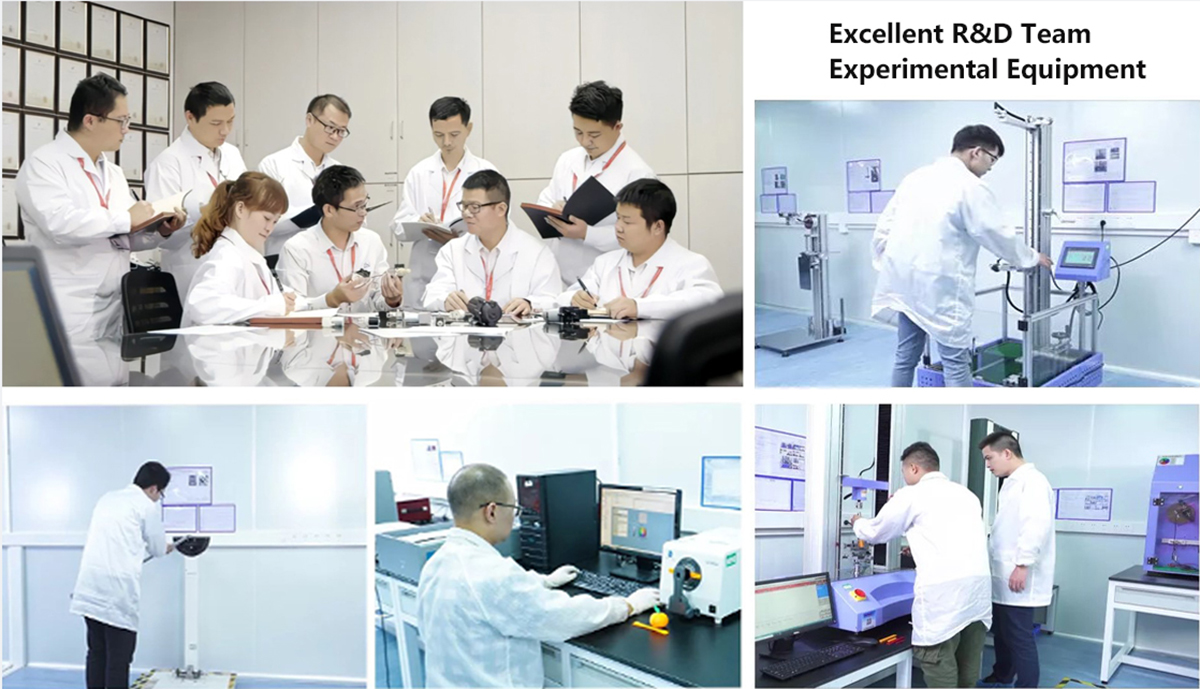
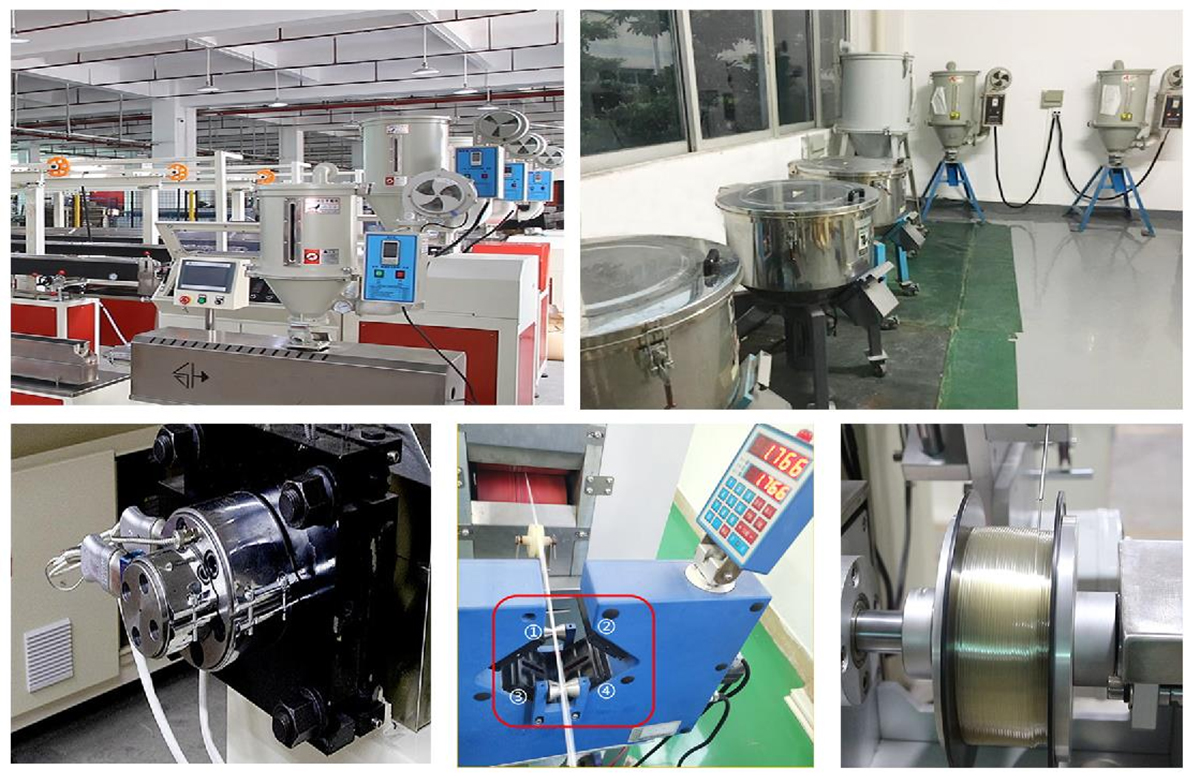
The manufacturing workshop will make arrangements after the inspection of raw materials, at least two engineers cross-check the clearance of mixing tank, color mixed of material, humidity from hopper dryer, temperature of extruder, hot/cool tank, and trial-produce and debugging the produce line to make sure all of processes in the best condition. Maintain the filament Diameter tolerance +/- 0.02mm, Roundness tolerance +/- 0.02mm.
Each production run utilizes closed-loop PID thermal regulation along the extruder barrel. The cooling stages utilize progressive dual water paths, eliminating internal core stresses and preventing ovality deformities during high-speed spooling.
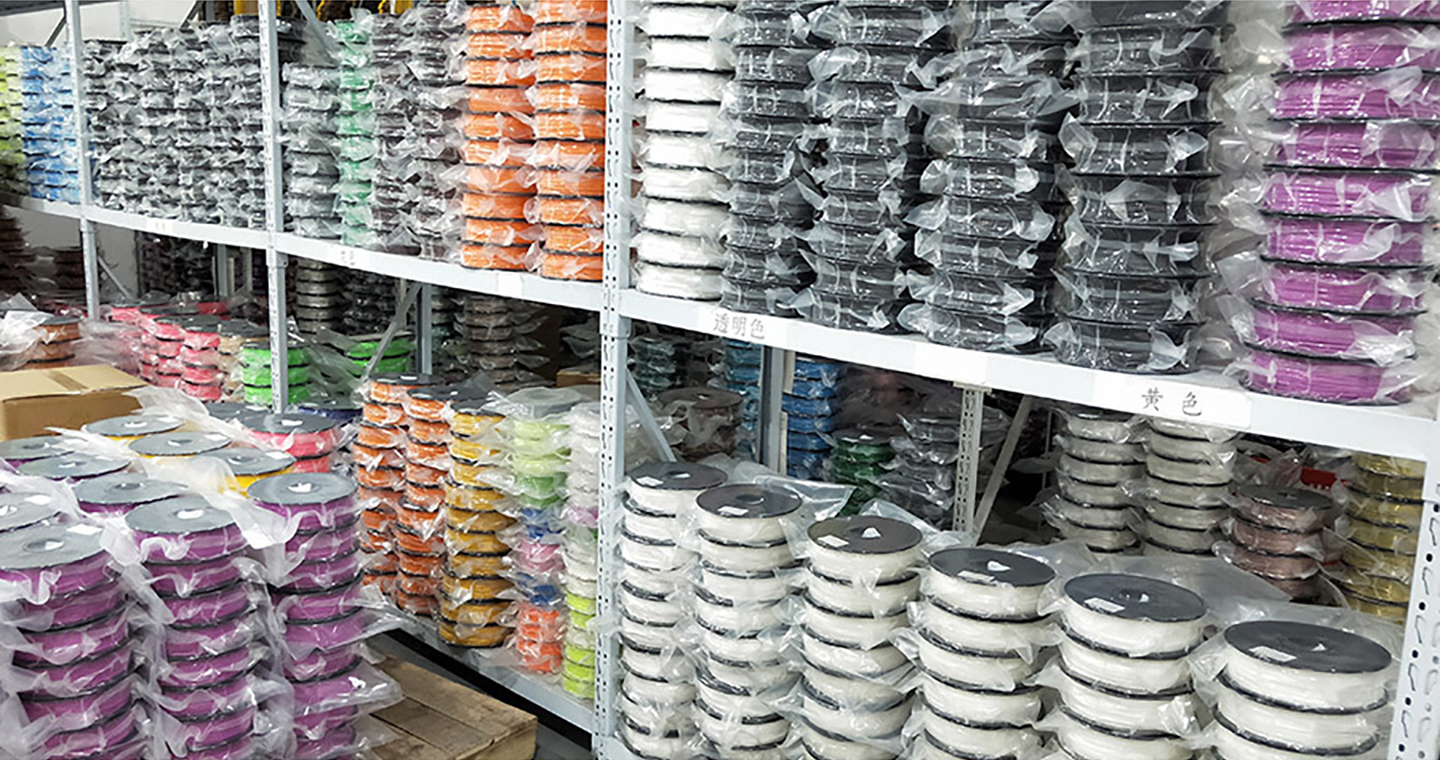
Final Inspection & Vacuum Preservation
After each batch of 3D filament is produced, two quality inspectors will conduct random inspections on each batch of finished products in accorce with the requirements of the standard, such as diameter tolerance, color consistency, strength and toughness and so on. After vacuuming the package, place them for 24 hours to check whether there is any leaking package, then label it and finish the package.
Because ASA polymers are hygroscopic, packaging integrity is critical. Our zero-leakage protocol combines high-barrier aluminum-plastic foil bags with premium desiccant packets, preventing moisture uptake during overseas transit and long-term facility storage across the United States.
Raw Material Integrity
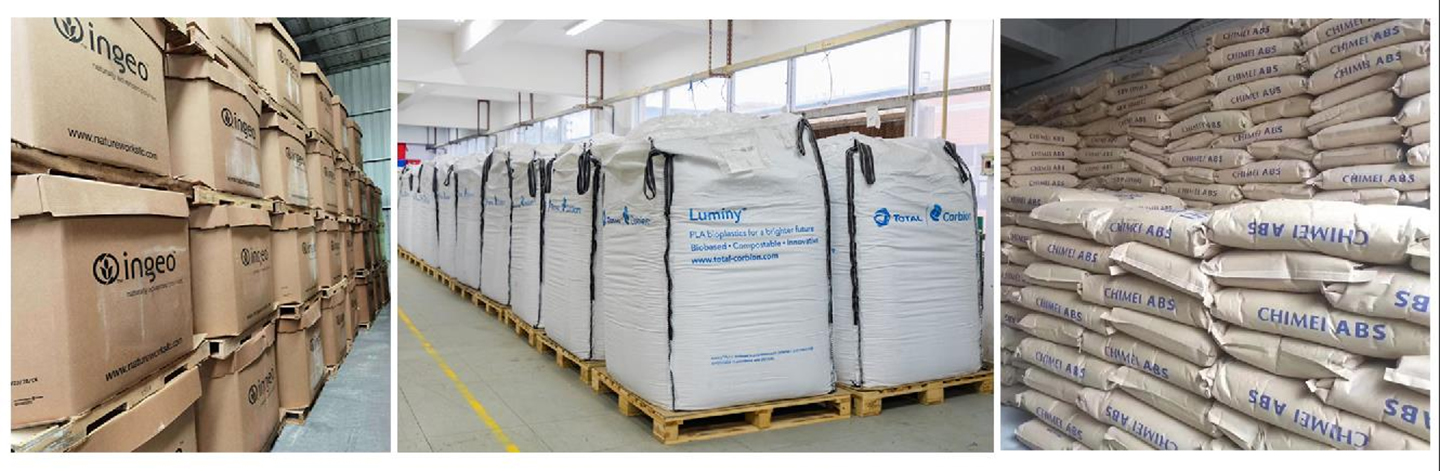
PLA is the most preferred material for 3D printing, Torwell firstly chooses PLA from US NatureWorks, and Total-Corbion is the alternative. ABS from TaiWan ChiMei, PETG from South Korea SK. Each batch of main raw materials comes from the partners who has cooperated more than 5 years to ensure the reliability of the products from the source. Each batch of raw materials will undergo parameters inspection before produce to ensure that raw materials are original and virginal.
Our black ASA compounds are synthesized using premium weather-grade base copolymers integrated with high-dispersion carbon black concentrates, eliminating clumping and nozzle clogging during prolonged 240°C - 260°C printing cycles.
Quality Control & Certified Standards
The factory area has passed ISO45001 occupational health and safety management system certification. Every new employee must be experienced one week of safety production knowledge teaching and two weeks of produce skills training, and master every course in the production process. Who is in the position will be responsible for its duty.
Traceability extends from pellet lot testing to mechanical tensile bars printed from each batch. This strict operational framework ensures high repeatability for our commercial printing partners throughout North America.
Complete Industrial Material Portfolio
Explore our diverse catalog of high-performance, engineering-grade filaments available for distribution and OEM supply across the United States.
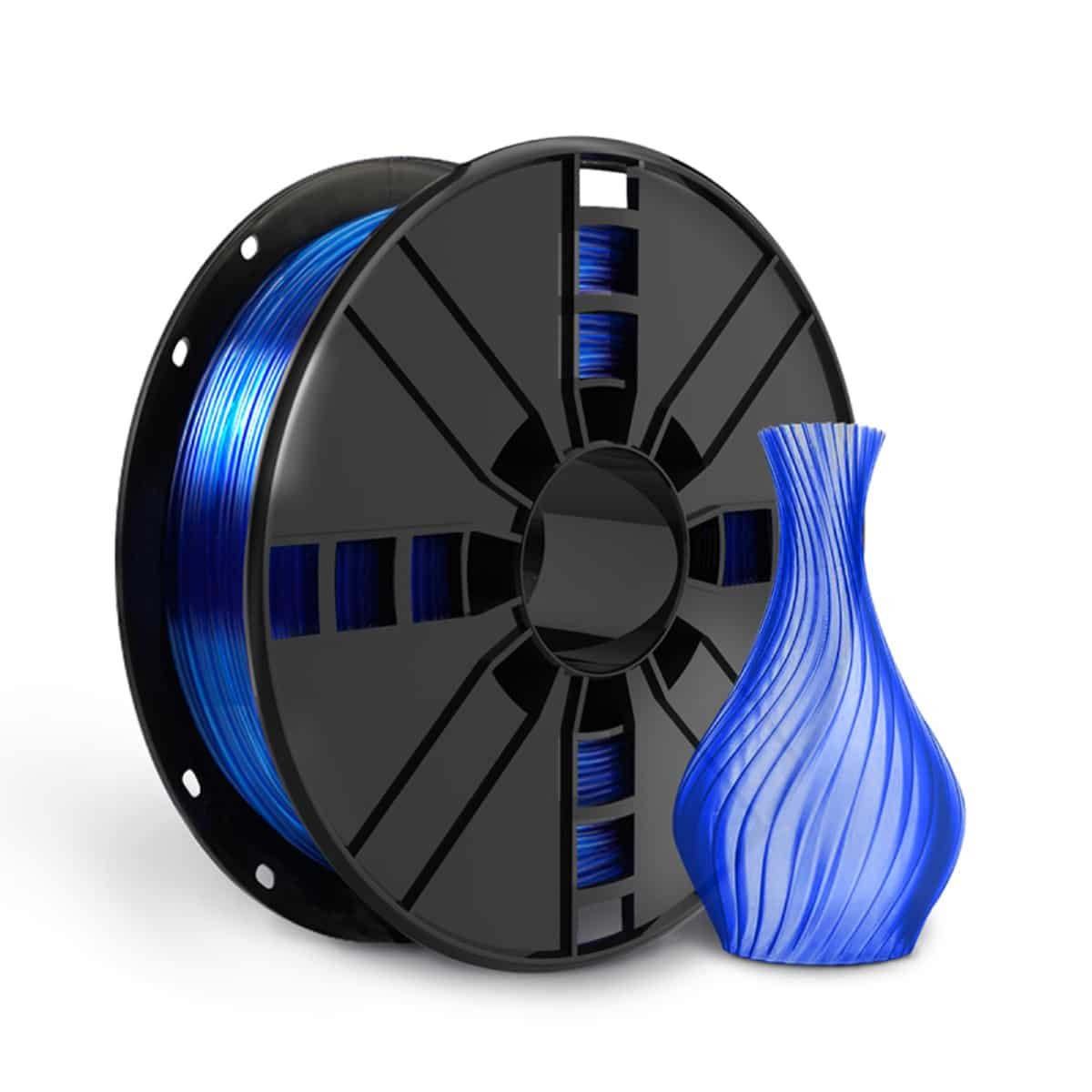
PETG filament 1.75 Blue for 3D printing
Engineering PETG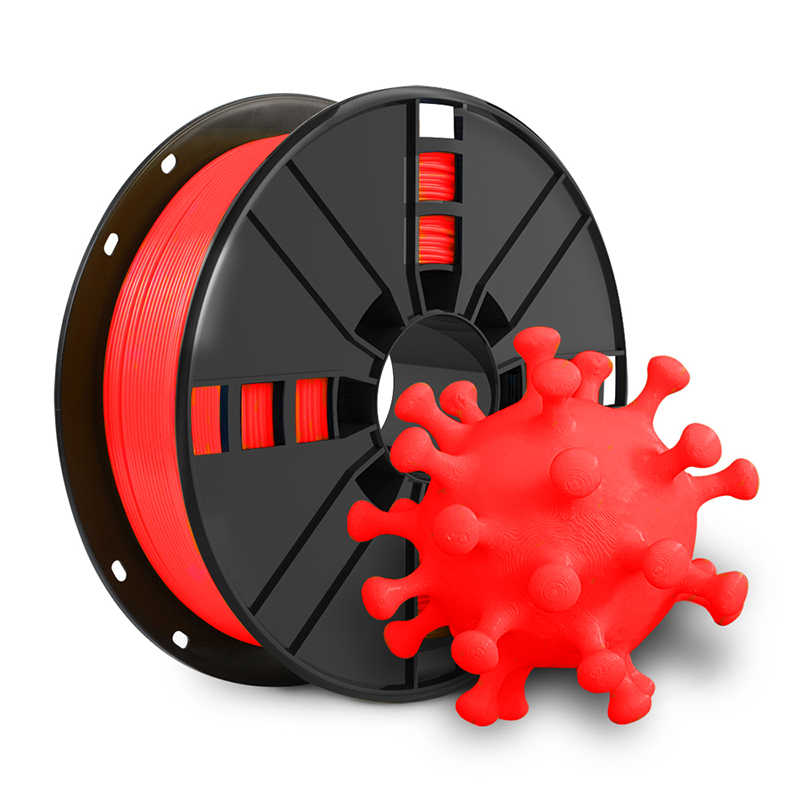
PLA 3D printer filament red color
Industrial PLA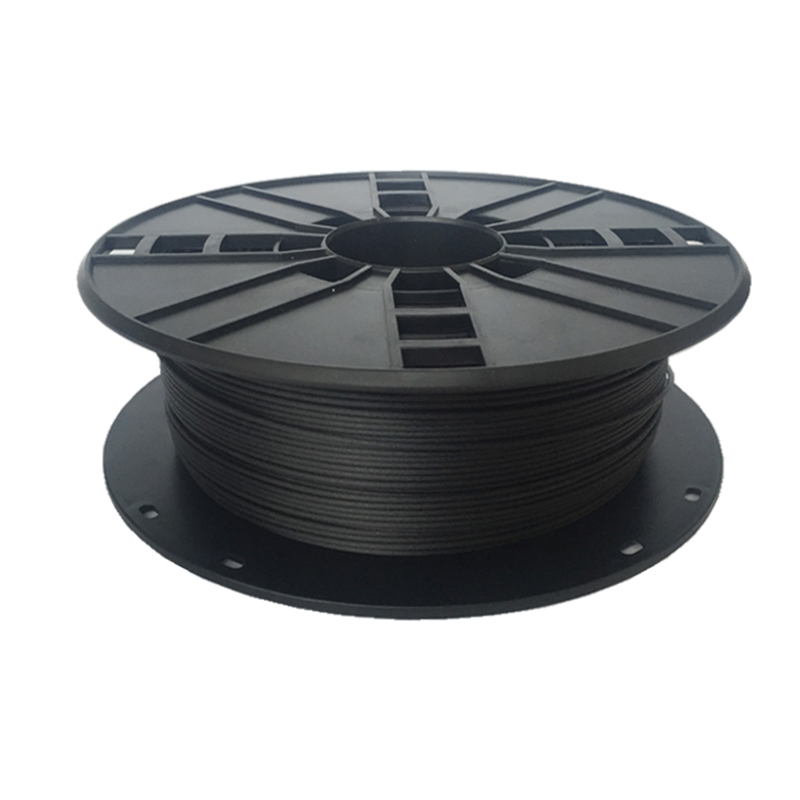
3D Printer Filament Carbon Fiber PLA Black Color
Carbon Composite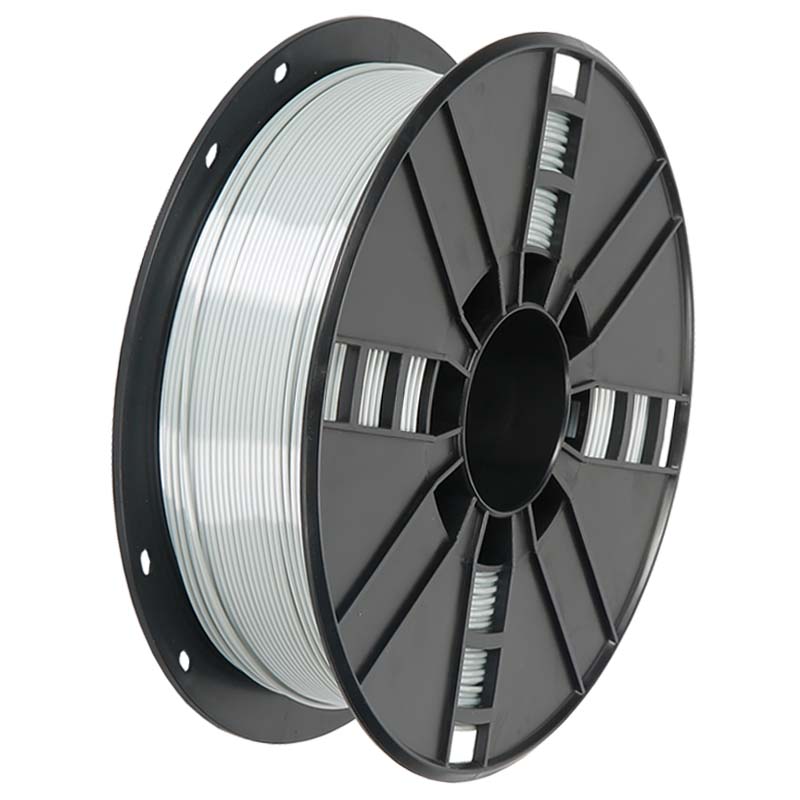
Silk Like Grey PLA filament 3D printer filament
Silk Formula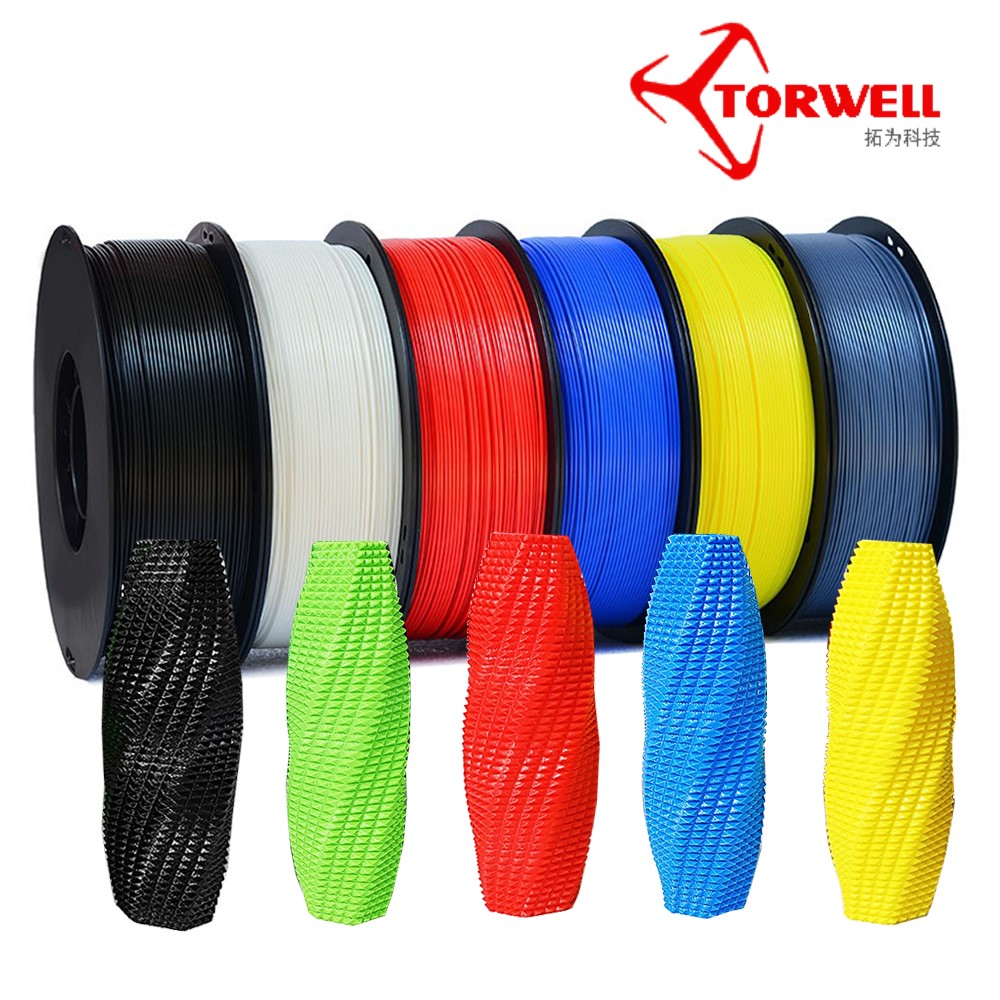
Torwell ABS Filament 1.75mm1kg Spool
High Impact ABS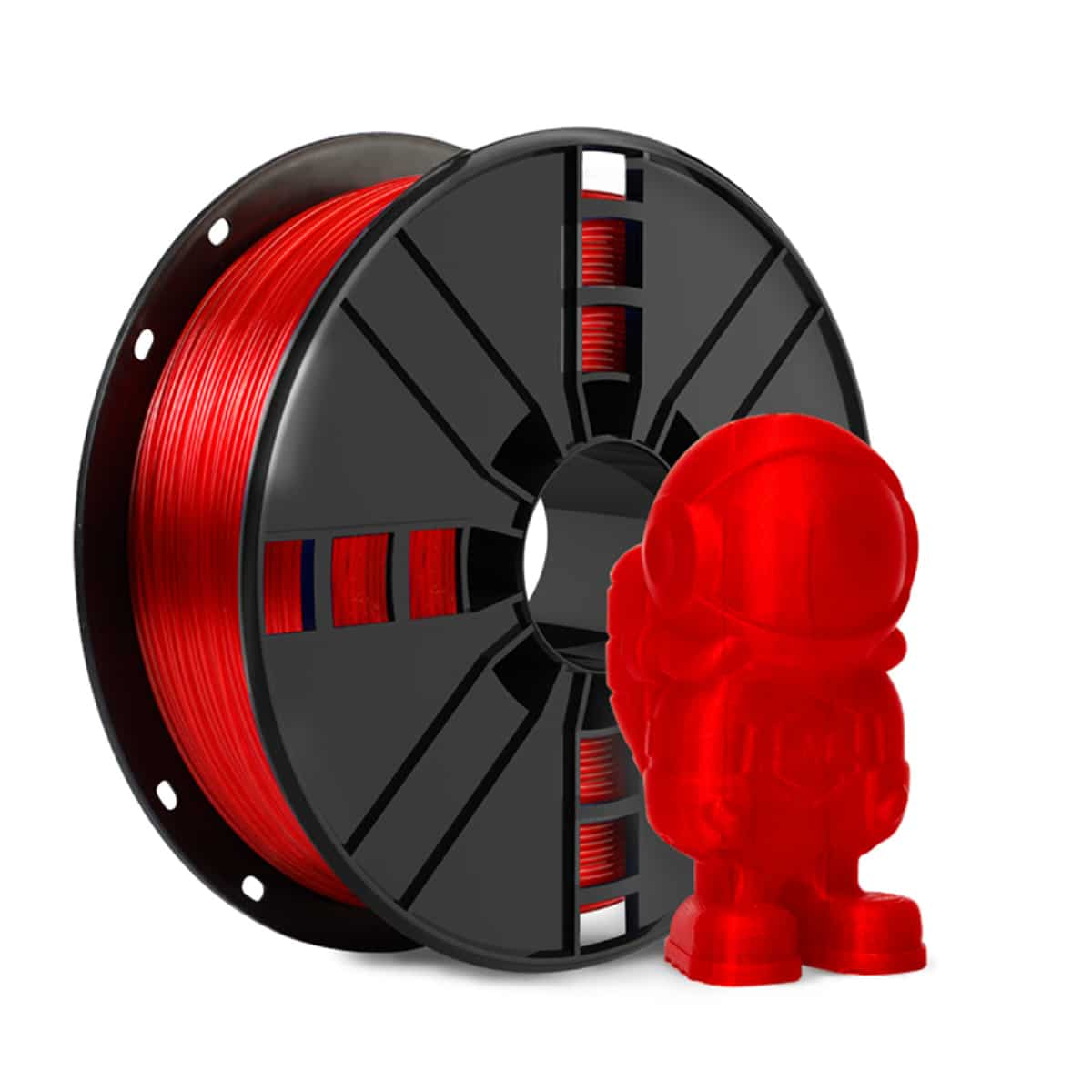
Red 3D filament PETG for 3D printing
Durable PETG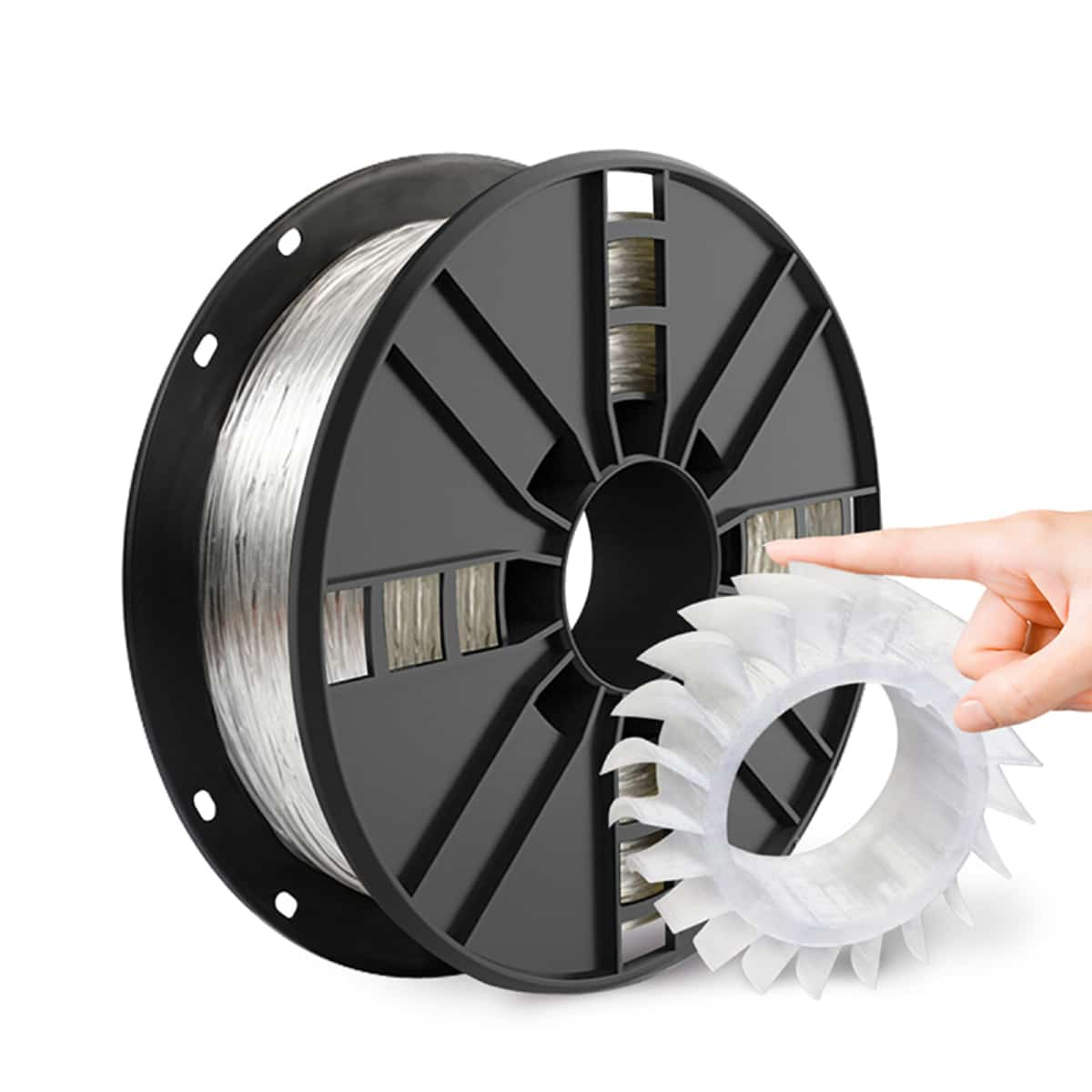
TPU filament 1.75mm clear Transparent TPU
Flexible Elastomer