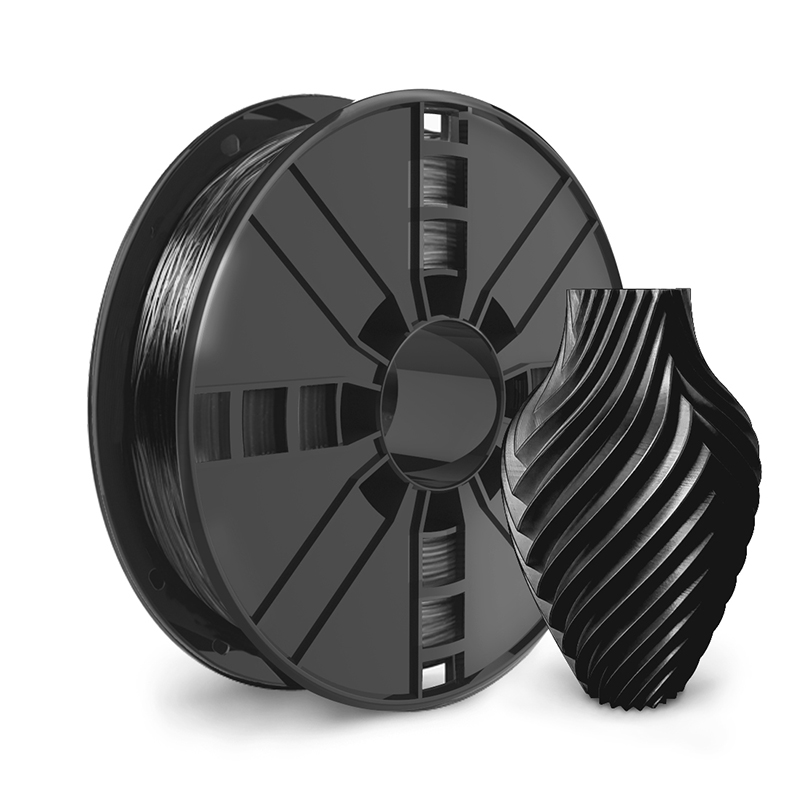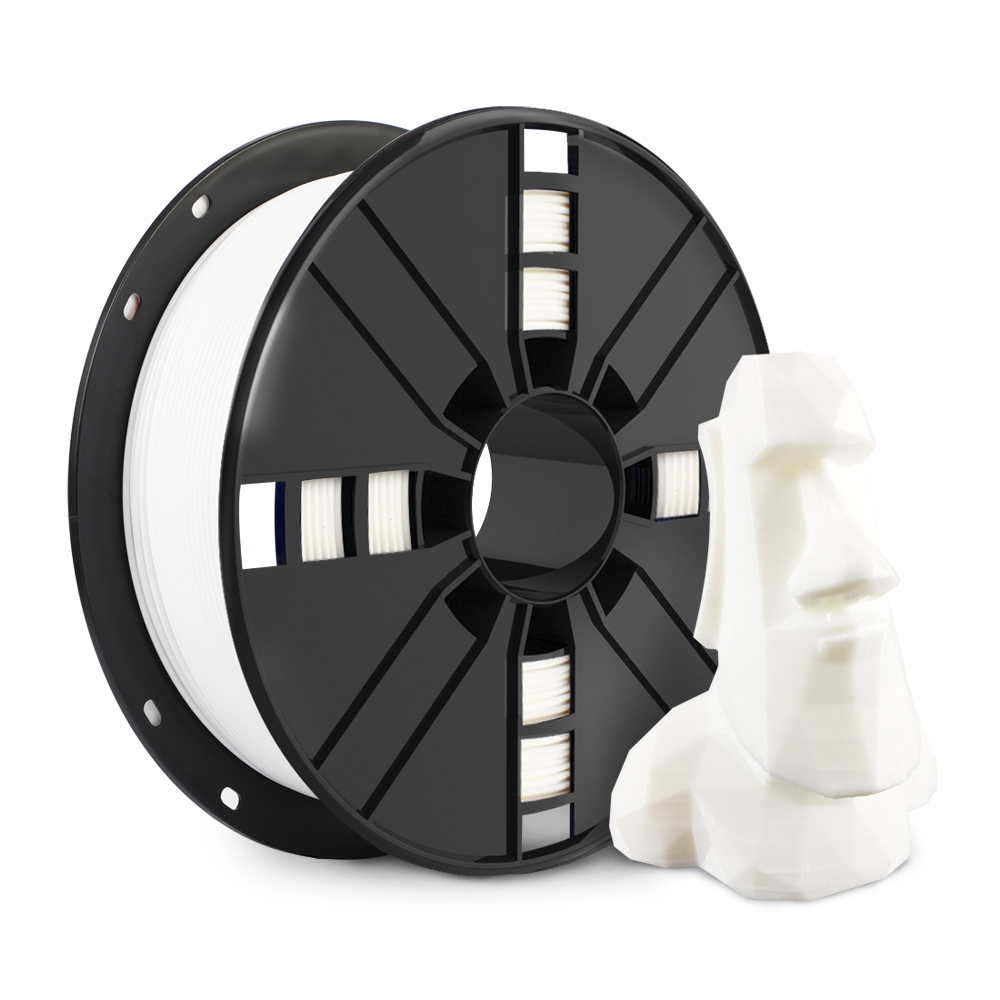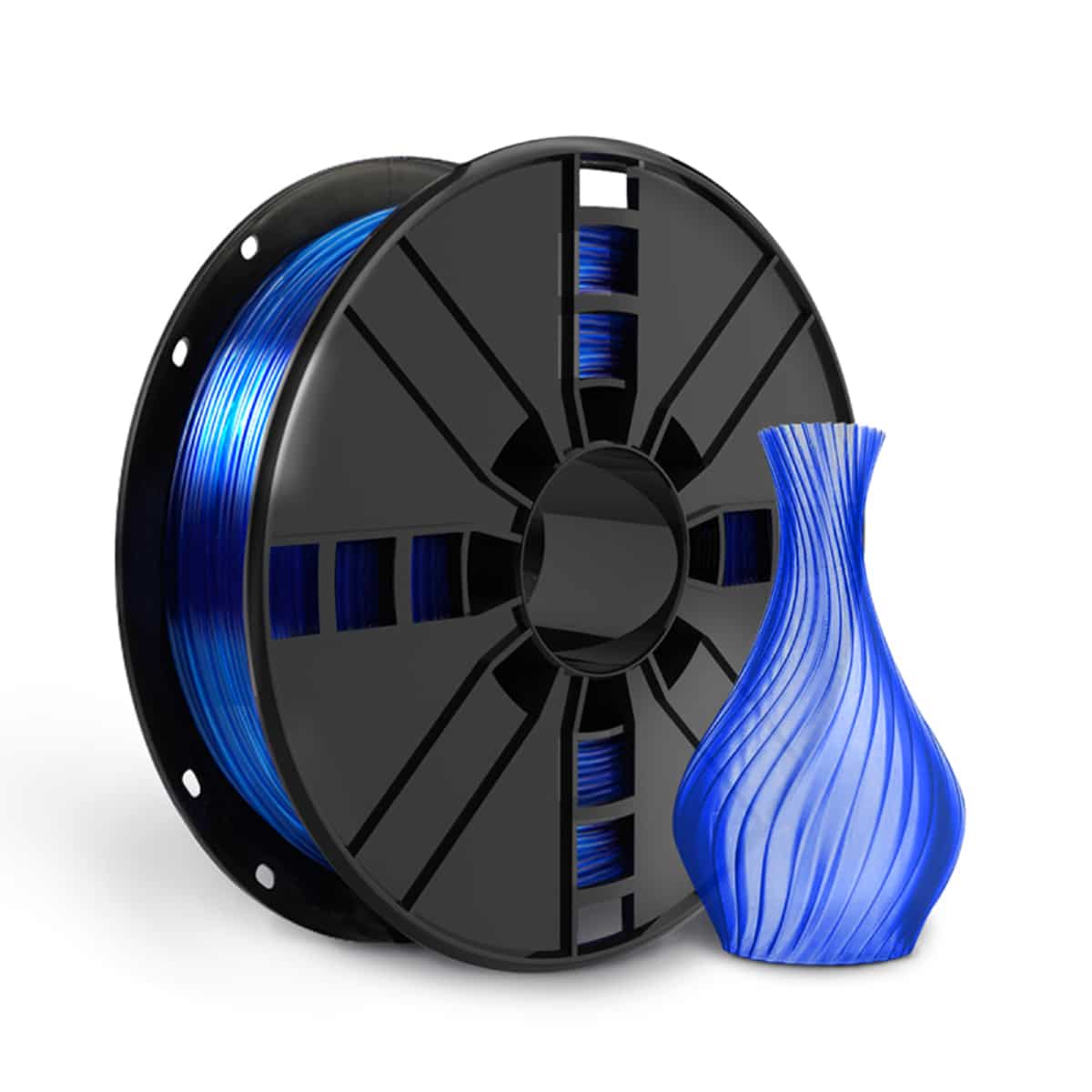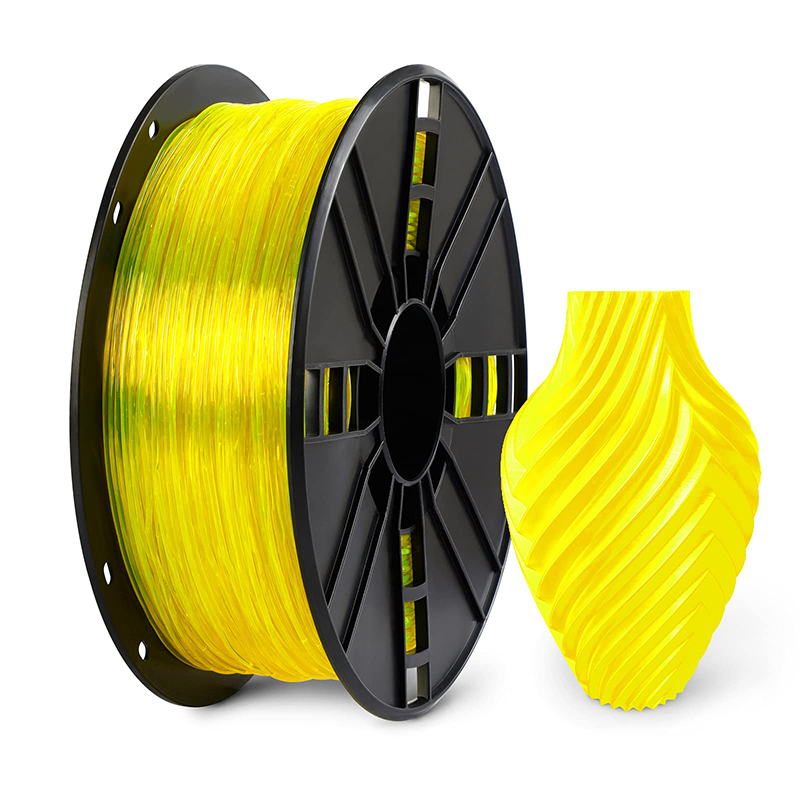
Premium Materials for Designer Toy Prototyping & Production
Explore our flagship high-precision thermoplastic formulations customized for concept modeling, flexible articulation, and high-detail aesthetic collectible fabrication.
The Aesthetic Paradigm Shift: Why Carbon Fiber Composites are Dominating Designer Toys
The contemporary art toy and designer collectible industry has undergone an unprecedented transformation. Moving away from the capital-intensive constraints of traditional vinyl rotation and high-tonnage steel injection tooling, independent artists, sculptors, and boutique production houses are leveraging advanced Fused Deposition Modeling (FDM) with carbon fiber-reinforced composites.
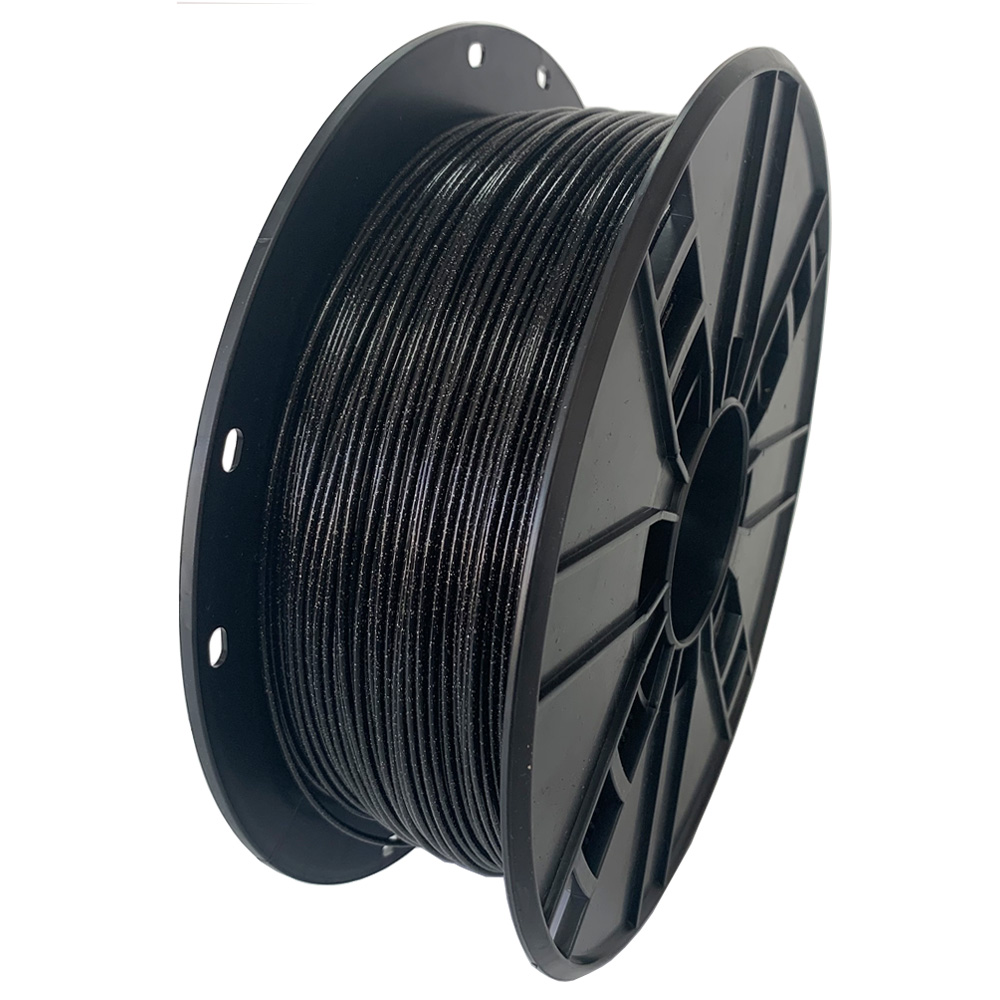
When short, microscopic chopped carbon fibers are compounded into base polymers such as PLA, PETG, or Polyamide (Nylon), the material achieves something conventional plastics cannot: a distinctive, non-reflective, satin-matte architectural finish. In high-end art toys, urban vinyl replicas, and intricate mecha figurines, visual quality is paramount. Carbon fiber composite filaments effectively diffuse ambient light, hiding FDM layer lines and surface artifacts that typically plague standard glossy filaments.
Stealth Matte Surface
Eliminates the plastic gloss sheen, providing an upscale, ceramic-like tactile feel straight off the build plate.
Zero-Warp Dimensionality
Micro-fibers reduce thermal contraction rates, allowing complex multi-part toy assemblies to snap together effortlessly.
Overcoming Industrial Challenges in Modern Collectible Prototyping
In traditional designer toy workflows, transitioning a digital ZBrush or CAD sculpt to a tangible limited-edition drop requires weeks of silicone mold casting or massive upfront minimum order quantities (MOQs). Carbon fiber 3D printing bridges this gap by enabling high-mix, low-volume direct-to-market runs.
Beyond cosmetic elegance, carbon fiber filament provides superior structural rigidity and tensile modulus. Collectible designer models often feature extreme proportions—slender mechanical limbs, towering antennas, cantilevered wings, and intricate floating geometries. Standard filaments suffer from creep, thermal sagging, or brittle snapping under structural stress. Carbon fiber reinforcement imparts structural integrity, ensuring that delicate figurative joints, kinetic ball-sockets, and magnetic armature points maintain their dimensional geometry over decades of display.
Furthermore, the abrasive, textured micro-surface of carbon fiber prints acts as an optimal substrate for post-processing. Acrylic washes, panel-lining enamels, primer coatings, and metallic dry-brush techniques adhere with exceptional chemical and mechanical grip compared to standard glossy PLA or ABS.
Commercial Evolution & Market Trends in High-End 3D Printed Collectibles
An in-depth analysis of how advanced composite manufacturing is restructuring the $30+ Billion global designer toy and pop-culture collectible landscape.
Micro-Factory Production Runs
Creator studios are shifting toward localized desktop and industrial 3D print farms. Rather than risking excess inventory, studios release numbered, bespoke runs (50 to 500 units) directly to collectors with carbon fiber materials that command luxury retail prices.
Hyper-Complex Articulated Mecha
The craze for transformable, fully articulated designer figures requires rigid internal skeletons with zero flex. Carbon fiber reinforced filaments prevent joint loosening and arm sagging in multi-tiered poses over long exhibition cycles.
Eco-Conscious Bio-Composites
Integrating renewable PLA matrix resins with reclaimed carbon fibers enables sustainable collectible production. High-end art buyers increasingly favor sustainable craftsmanship over petroleum-heavy, non-recyclable soft vinyls.
Engineering Best Practices: Slicing & Extrusion Optimization for Aesthetic Figures
Printing with carbon fiber filled filaments requires specialized hardware considerations and slicer calibrations to maximize both mechanical toughness and surface beauty. Below is an engineering overview designed to assist toy designers, rapid prototypers, and 3D printing service bureaus in optimizing their additive workflows.
| Process Parameter | Recommended Setting | Technical Objective & Aesthetic Impact |
|---|---|---|
| Nozzle Material | Hardened Steel, Tungsten Carbide, or Ruby | Prevents premature nozzle orifice erosion caused by abrasive chopped carbon micro-strands. |
| Nozzle Diameter | 0.4mm to 0.6mm | 0.6mm ensures zero-clog reliability while 0.4mm preserves high-resolution micro-details on facial features and seams. |
| Extrusion Temperature | 210°C - 230°C (PLA-CF) / 240°C - 260°C (PETG-CF) | Ensures complete polymer melt viscosity and optimal fiber orientation across toolpaths. |
| Bed Temperature & Surface | 50°C - 60°C (Textured PEI Sheet) | Provides flawless first-layer adhesion with effortless part release upon cooling. |
| Layer Height Strategy | 0.12mm - 0.20mm (Adaptive Layering) | Adaptive layer height smooths organic curves on busts while speeding up base and torso printing. |
| Retraction Configuration | Direct Drive: 0.8mm - 1.2mm / Bowden: 2.5mm - 4.0mm | Eliminates micro-stringing across open cavities and intricate decorative accessories. |
Advanced Surface Finishing and Post-Processing Insights
While carbon fiber composite prints offer an out-of-the-box stealth finish, specialized artistic techniques can elevate the final sculpture into gallery-grade masterpieces:
1. Micro-Media Vapor or Sandblasting: Lightly blasting the model with fine glass beads or aluminum oxide removes microscopic travel marks and creates a velvety, stone-like aesthetic texture that mimics cast resin.
2. Selective Electroplating and Metal Leafing: By applying conductive paints to specific regions of the carbon fiber model, artists can electroplate pure copper, nickel, or gold onto cybernetic details, creating a stunning visual contrast between raw matte carbon and mirror-polished metals.
3. UV-Resistant Ceramic Clear Coats: Applying a satin or ultra-matte poly-urethane sealant protects decorative airbrushed pigments against UV degradation and environmental humidity, ensuring long-term value for art toy collectors.
Deep Application Scenarios in Creative Modeling & Collectibles
Discover how leading studios deploy composite filaments across diverse collectible and decorative product categories.
Articulated Cyberpunk Figurines
Heavy mecha models demand joints that do not slip or fatigue. Carbon fiber filaments maintain tight tolerances on friction ball joints and gear mechanisms, supporting massive weapons and dynamic posing without external acrylic stands.
Monumental Gallery Sculptures
For oversized gallery installations (50cm to 2 meters tall), standard plastics become too heavy or warp during extended printing. Carbon fiber filaments yield immense structural strength at a fraction of the weight, eliminating internal metal armatures.
Designer Blind-Box Prototypes
Before launching mass production, toy brands produce 1:1 master samples for photography, influencer unboxing, and retail buyer preview. Carbon fiber prints offer tactile heft and crisp detail, mimicking the weight and feel of luxury art pieces.
Industrial Quality Control & Manufacturing Excellence
Behind every spool of high-performance filament is an uncompromised commitment to strict international standards, premium virgin raw materials, and automated extrusion inspection.
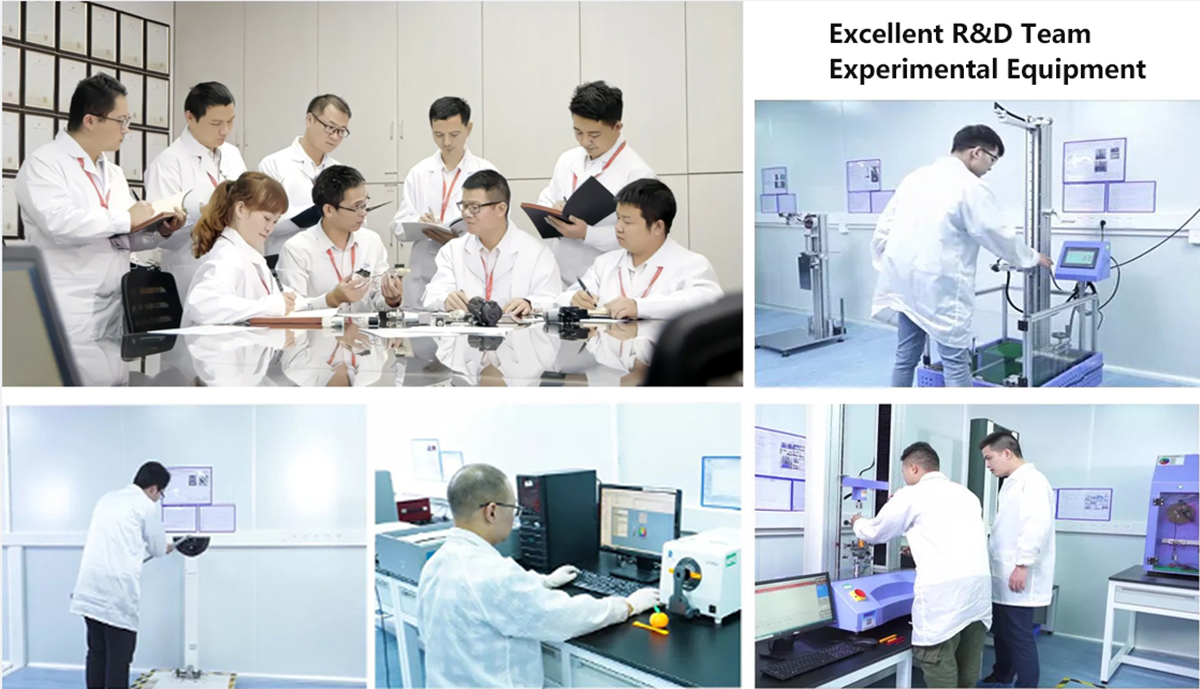
Quality Control
The factory area has passed ISO45001 occupational health and safety management system certification. Every new employee must be experienced one week of safety production knowledge teaching and two weeks of produce skills training, and master every course in the production process. Who is in the position will be responsible for its duty.
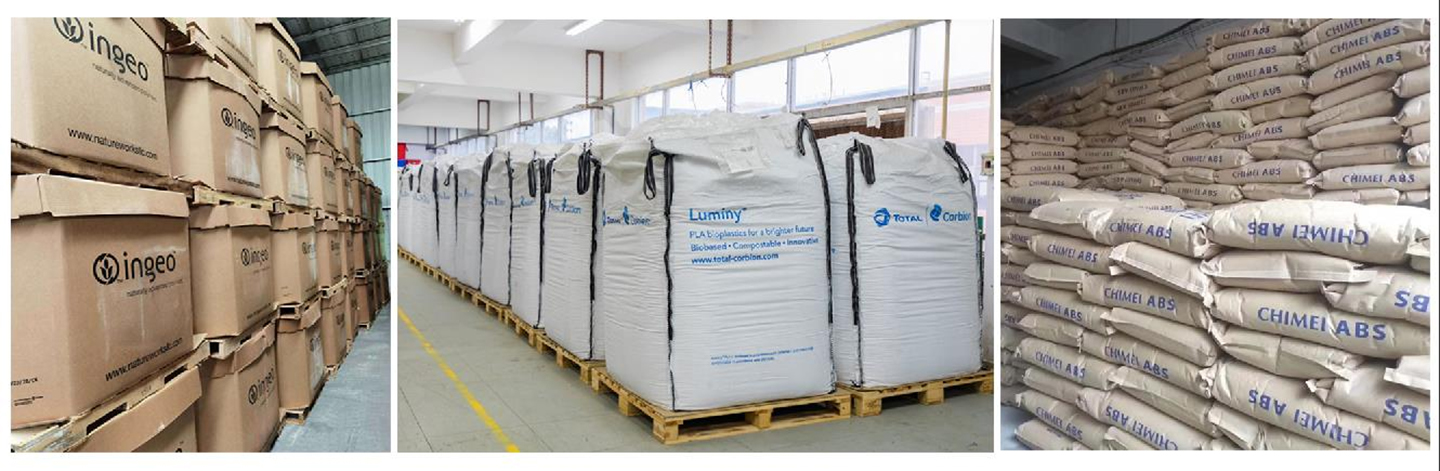
Raw Material
PLA is the most preferred material for 3D printing, Torwell firstly chooses PLA from US NatureWorks, and Total-Corbion is the alternative. ABS from TaiWan ChiMei, PETG from South Korea SK. Each batch of main raw materials comes from the partners who has cooperated more than 5 years to ensure the reliability of the products from the source. Each batch of raw materials will undergo parameters inspection before produce to ensure that raw materials are original and virginal.
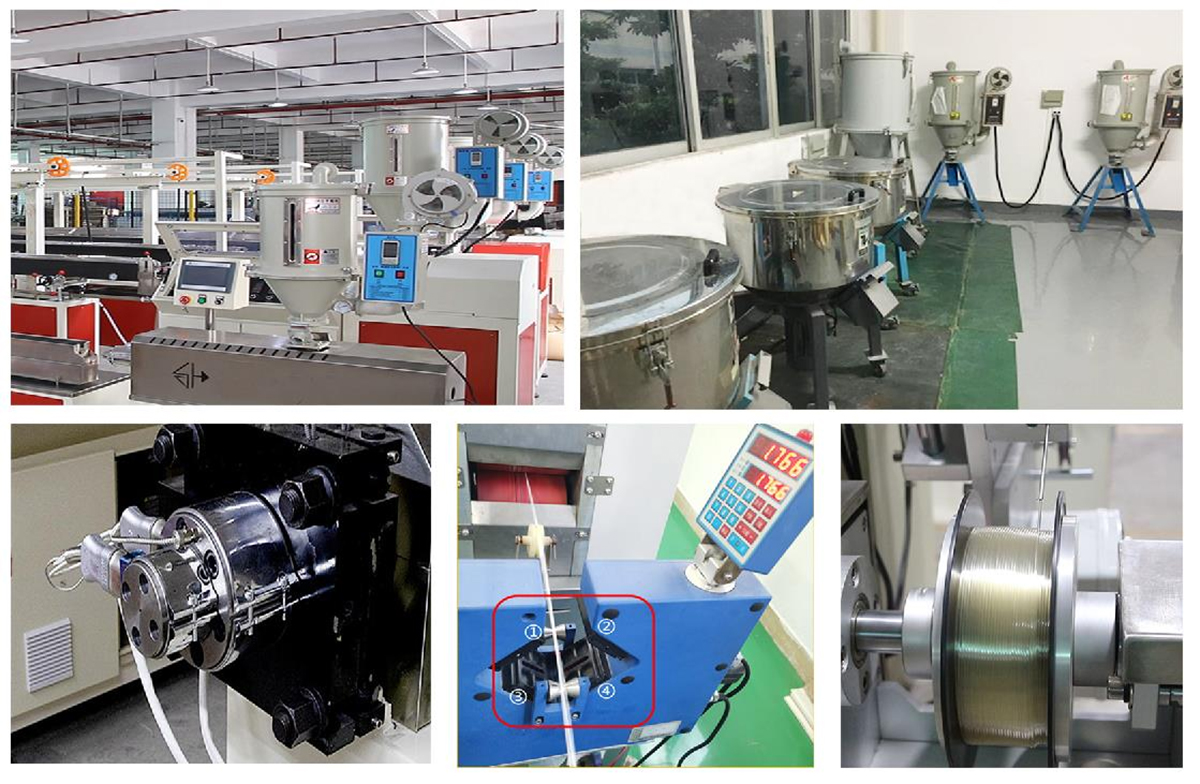
Equipment
The manufacturing workshop will make arrangements after the inspection of raw materials, at least two engineers cross-check the clearance of mixing tank, color mixed of material, humidity from hopper dryer, temperature of extruder, hot/cool tank, and trial-produce and debugging the produce line to make sure all of processes in the best condition. Maintain the filament Diameter tolerance +/- 0.02mm, Roundness tolerance +/- 0.02mm.
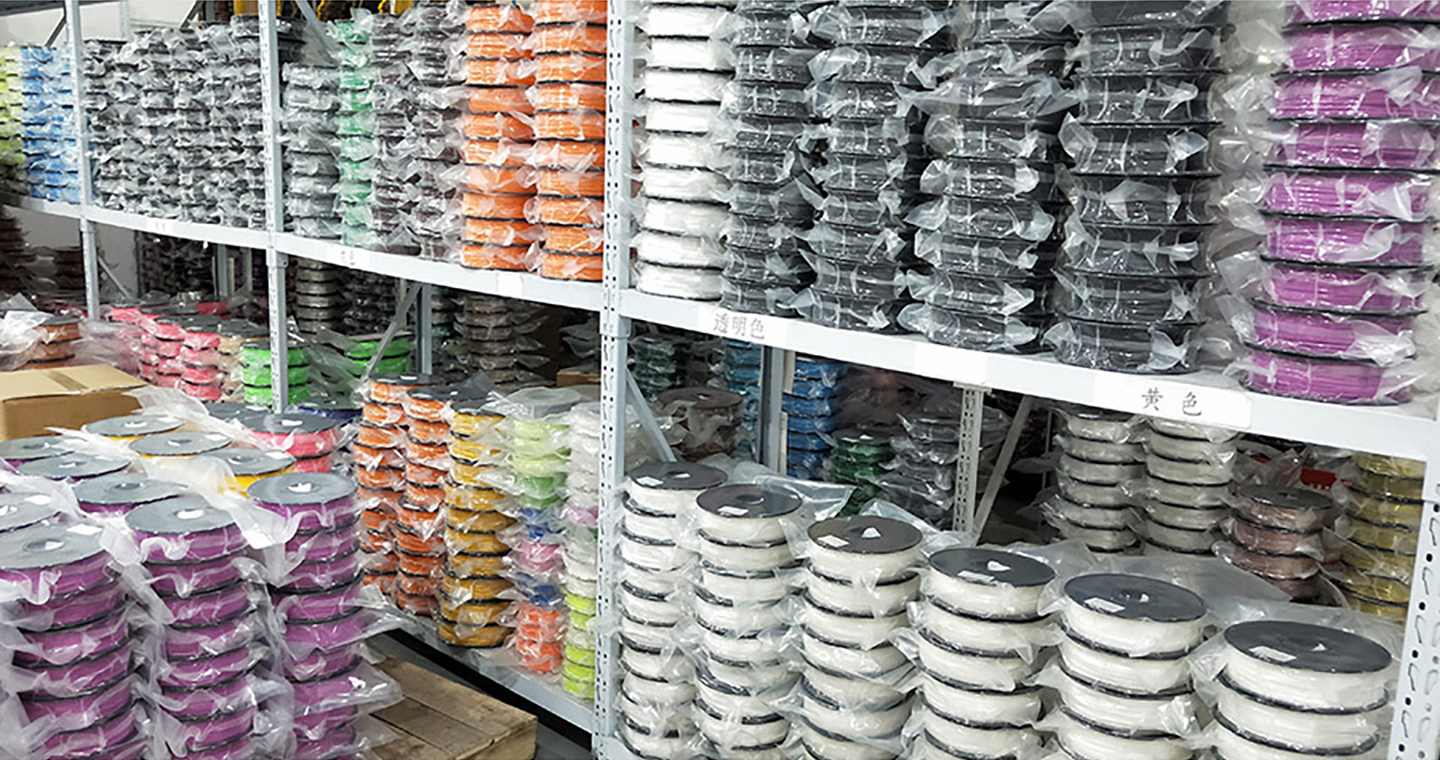
Final Inspection
After each batch of 3D filament is produced, two quality inspectors will conduct random inspections on each batch of finished products in accordance with the requirements of the standard, such as diameter tolerance, color consistency, strength and toughness and so on. After vacuuming the package, place them for 24 hours to check whether there is any leaking package, then label it and finish the package.
Comprehensive Material Portfolio for Designer Toys & Prototyping
Select from our complete range of precision 3D filaments—ranging from high-elasticity flexible elastomers to sparkling aesthetic PLA and robust PETG formulations.