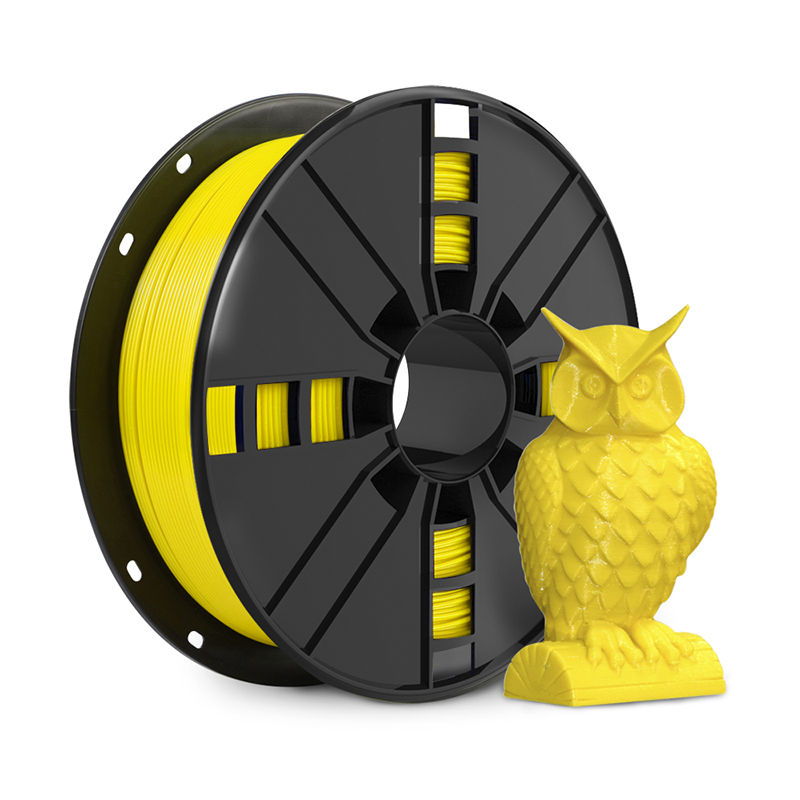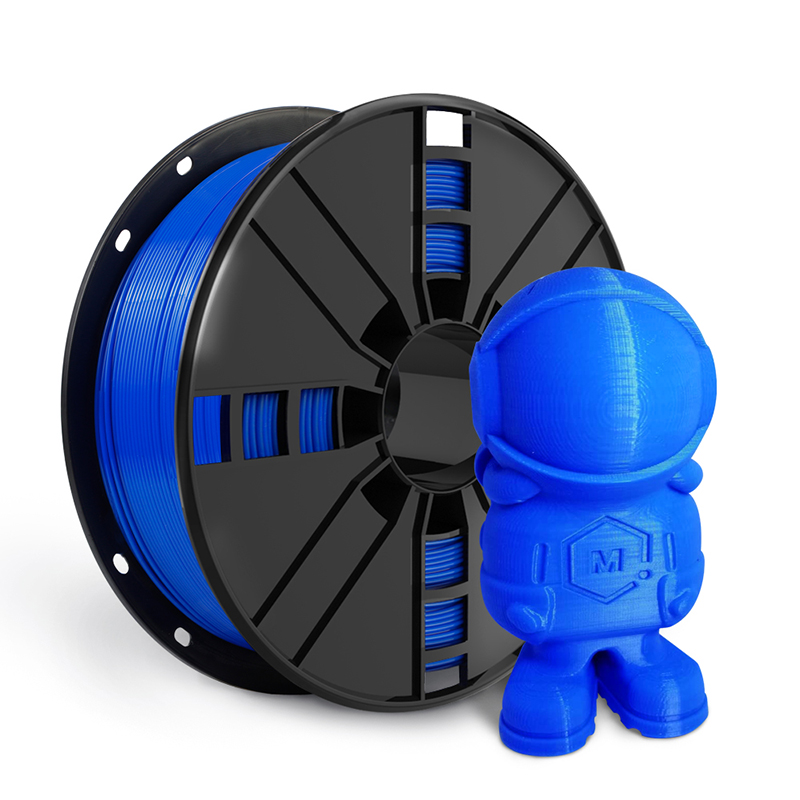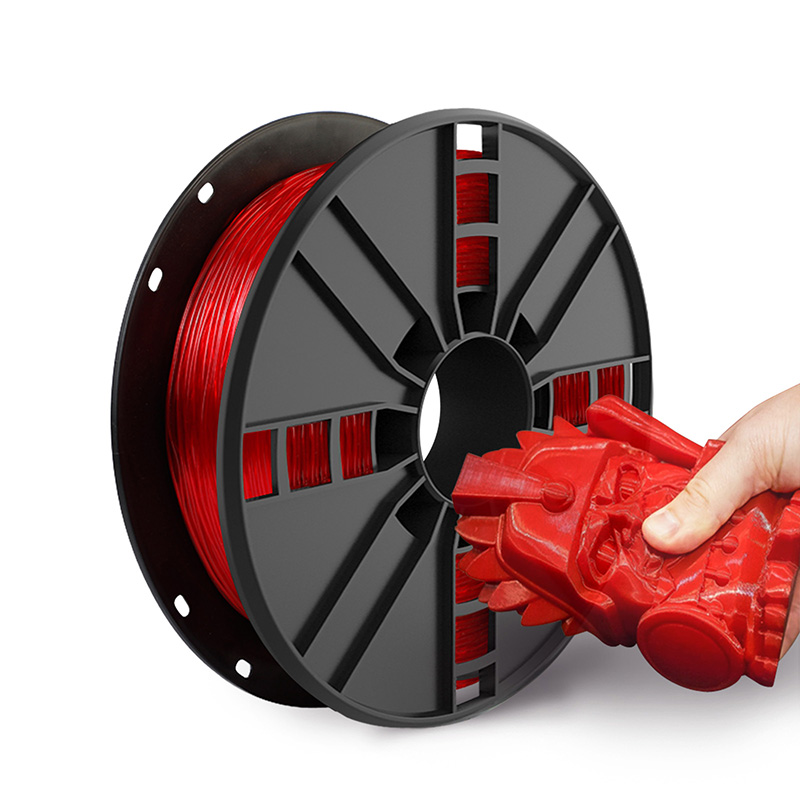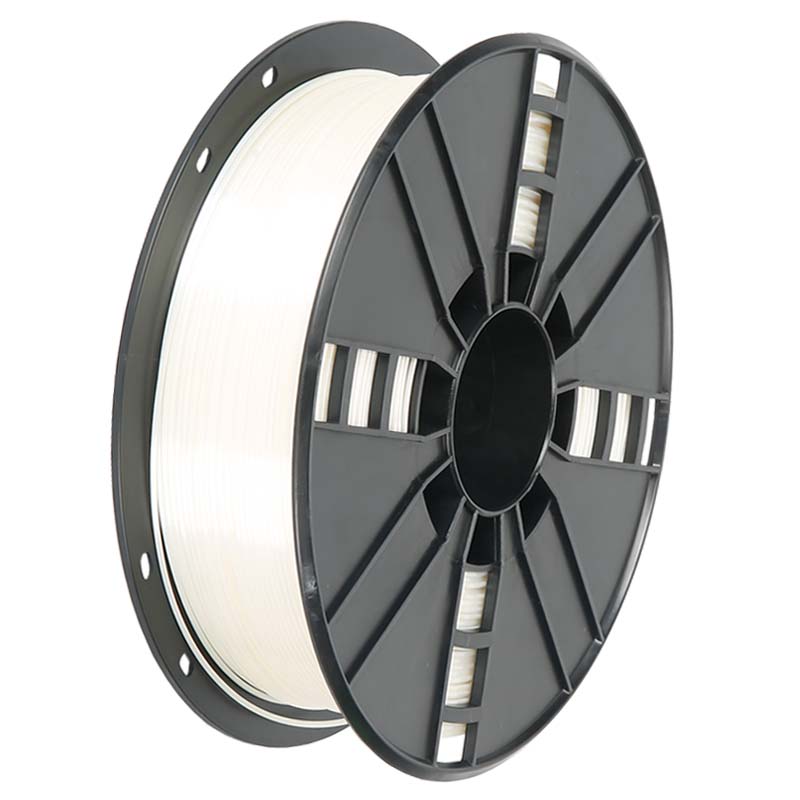
Engineered Automotive Exterior Polymers
Explore precision 3D printing filaments formulated for exterior structural validation, aerodynamic tooling, and functional automotive body parts.
1. The Automotive Exterior Challenge and the Material Revolution of ASA
Automotive exterior body components operate in one of the most demanding engineering environments across modern transportation industries. Exterior body panels, aerodynamic splitters, side mirror assemblies, lighting bezels, and front grilles are continuously exposed to intense solar ultraviolet (UV) radiation, severe temperature swings ranging from sub-zero winter chills (-40°C) to scorching desert pavement heats (+85°C), environmental ozone, acid rain, stone-chipping impacts, and aggressive car-wash chemicals. For decades, traditional Acrylonitrile Butadiene Styrene (ABS) served as the workhorse thermoplastic for automotive interior and concept applications. However, standard ABS suffers from severe photo-oxidation when subjected to sunlight, causing the butadiene rubber chains to degrade, turn brittle, lose structural toughness, and exhibit noticeable surface yellowing within months of outdoor deployment.
To overcome these environmental vulnerabilities without compromising mechanical rigidity, chemical engineers synthesized ASA (Acrylonitrile Styrene Acrylate). In ASA formulation, the vulnerable polybutadiene rubber phase is replaced with an acrylic ester elastomer (polybutyl acrylate). This saturated acrylic backbone does not contain double bonds vulnerable to UV cleavage. Consequently, ASA 3D printing material retains superior mechanical impact strength, high gloss retention, color stability, and outstanding thermal endurance under years of direct solar exposure. As global original equipment manufacturers (OEMs), hypercar designers, commercial fleet developers, and aftermarket tuning specialists migrate toward decentralized digital manufacturing, ASA has emerged as the benchmark additive manufacturing material for functional exterior body components.
Exceptional UV & Weather Immunity
Saturated acrylate elastomer eliminates photo-oxidative degradation, preventing chalking, embrittlement, and color fading under persistent sunlight.
High Thermal & Mechanical Stability
Heat Deflection Temperature (HDT) up to 95°C prevents thermal sagging on sun-drenched body panels, maintaining tight dimensional tolerances.
OEM-Grade Post-Processing
Compatible with vapor acetone smoothing, primerless automotive urethane painting, and standard sand-blasting for class-A exterior finishes.
2. Commercial and Industrial Landscape in Automotive Manufacturing
The commercial integration of ASA 3D printing filament is shifting from initial styling prototypes into bridge-production and direct end-use components. The automotive manufacturing landscape is driven by aggressive light-weighting targets, electrification architecture, and increasing consumer demand for model personalization. In traditional automotive workflows, manufacturing a steel or aluminum injection mold for an exterior bumper vent or side skirt can cost between $50,000 and $250,000, demanding a 14 to 26-week lead time. For specialty sports vehicles, limited-edition hypercars, emergency vehicle modifications, or bus and coach fleets producing fewer than 5,000 units annually, high-pressure injection tooling represents an insurmountable capital barrier.
Industrial Fused Deposition Modeling (FDM) and Large Format Additive Manufacturing (LFAM) utilizing high-grade ASA filament remove hard-tooling amortizations completely. Automotive Tier-1 suppliers can produce fully functional, production-ready body kits directly from CAD data in less than 48 hours. Furthermore, ASA provides high chemical resistance against common automotive fluids such as hydrocarbons, oils, weak acids, windshield washer solvents, and road salts. This resilience ensures that components fabricated on additive systems withstand rigorous road-testing validations, wind tunnel simulations, and automated car wash pressures without structural fatigue.
3. Deep-Dive Application Scenarios for Exterior Body Components
ASA filament empowers engineers across specialized automotive exterior subsystems. The versatility of modern additive manufacturing allows complex internal geometries, lattice light-weighting cores, and integrated snap-fit fastenings that are impossible to mold via conventional tooling:
- Aerodynamic Diffusers, Splitters, and Rear Spoilers: Aerodynamic add-ons require high stiffness-to-weight ratios and resilience against high-speed aerodynamic lift forces. 3D printed ASA splitters resist stone chipping and road grime while remaining dimensionally intact under high thermal radiation reflecting from asphalt.
- Side Mirror Housings and B-Pillar Appliqués: Mirror cowls and pillar covers require continuous solar resilience and Class-A surface aesthetics. ASA printed components can undergo acetone vapor polishing to achieve injection-molded surface shine or receive direct UV-cured automotive clear coats.
- Radar, LiDAR, and Camera Sensor Bezels: Autonomous driving systems and Advanced Driver Assistance Systems (ADAS) demand precise sensor housings embedded into vehicle front bumpers and roof rails. ASA offers transparent dielectric properties across automotive radar and RF wavelengths, ensuring zero signal distortion while safeguarding fragile optical sensors from rain, ice, and thermal degradation.
- Commercial Truck Cab Deflectors and Specialty Utility Enclosures: Heavy-duty commercial trucks and agricultural machinery operate in severe outdoor conditions where customized cab roofs, air intake louvers, and auxiliary lamp brackets are produced on demand via large-format ASA extrusion.
- Vintage Restoration and Legacy Replacement Components: Classic car restorations frequently suffer from extinct OEM parts. High-precision laser scanning combined with ASA 3D printing enables the fabrication of obsolete exterior tail-light trim, fender emblems, and windshield cowl vents that outperform original vintage plastics in outdoor longevity.
4. Engineering Material Performance Matrix
When engineering exterior body structures, material selection requires balancing mechanical strength, UV stability, heat deflection, and manufacturing ease. The following comparison highlights why ASA stands superior for automotive exterior environments compared to other common 3D printing polymers:
| Polymer Property | ASA (Automotive Grade) | Standard ABS | PETG | Engineering Polycarbonate (PC) |
|---|---|---|---|---|
| UV & Sunlight Aging Resistance | Exceptional (No Degradation) | Poor (Yellows & Embrittles) | Moderate (Slow Yellowing) | Moderate (Requires UV Coating) |
| Heat Deflection Temp (HDT @ 0.45 MPa) | 95°C – 102°C | 88°C – 96°C | 70°C – 74°C | 135°C – 142°C |
| Notched Izod Impact Strength | 18 – 24 kJ/m² | 15 – 22 kJ/m² | 6 – 10 kJ/m² | 30 – 50 kJ/m² |
| Outdoor Weatherability Rating | Class-A Exterior Approved | Interior Only | Short-Term Exterior | Medium Exterior |
| Vapor Acetone Smoothing Capable | Yes (High Gloss Finish) | Yes | No | No |
5. Advanced Post-Processing and Surface Finishing for Exterior Panels
Achieving OEM Class-A surface aesthetics on 3D printed ASA components is straightforward due to its chemical solubility. ASA parts can be smoothed using controlled solvent vapor smoothing chambers. In this process, vaporized acetone interacts with the outer polymer shell, melting the microscopic layer steps into a continuous, mirror-like glossy finish with zero manual sanding. This not only elevates the visual appearance to automotive showroom standards but also seals inter-layer boundaries, boosting the tensile isotropy and water impermeability of exterior shells.
For components requiring bespoke OEM color matching, ASA exhibits superior chemical compatibility with multi-stage polyurethane automotive paint systems. Unlike polypropylene (PP) or polyethylene (PE), which require specialized plasma etching or aggressive adhesion promoters, ASA accepts primers and base coats with exceptional bonding strength. Parts can be clear-coated with scratch-resistant finishes, wrapped in vinyl film, or electroplated for metallic accents.
6. Future Trends: Carbon-Fiber ASA and Circular Additive Systems
As the automotive sector accelerates toward sustainable practices and lightweight composite structures, material science is evolving rapidly. The emergence of Carbon-Fiber Reinforced ASA (CF-ASA) introduces micro-carbon fibers into the acrylate polymer matrix. CF-ASA increases tensile modulus, reduces thermal expansion (CTE) to near zero, and practically eliminates warping during large-bed 3D printing. This enables the direct printing of full-scale front bumpers, race splitters, and roof-top storage capsules without structural distortion under summer sun exposure.
Simultaneously, closed-loop recycling systems are being developed to repurpose scrap ASA prints, support structures, and automotive factory trimmings back into certified additive manufacturing pellets and filaments. This cradle-to-cradle material circularity complies with stringent European end-of-life vehicle (ELV) directives, cementing ASA additive manufacturing as a cornerstone of sustainable, on-demand automotive manufacturing.
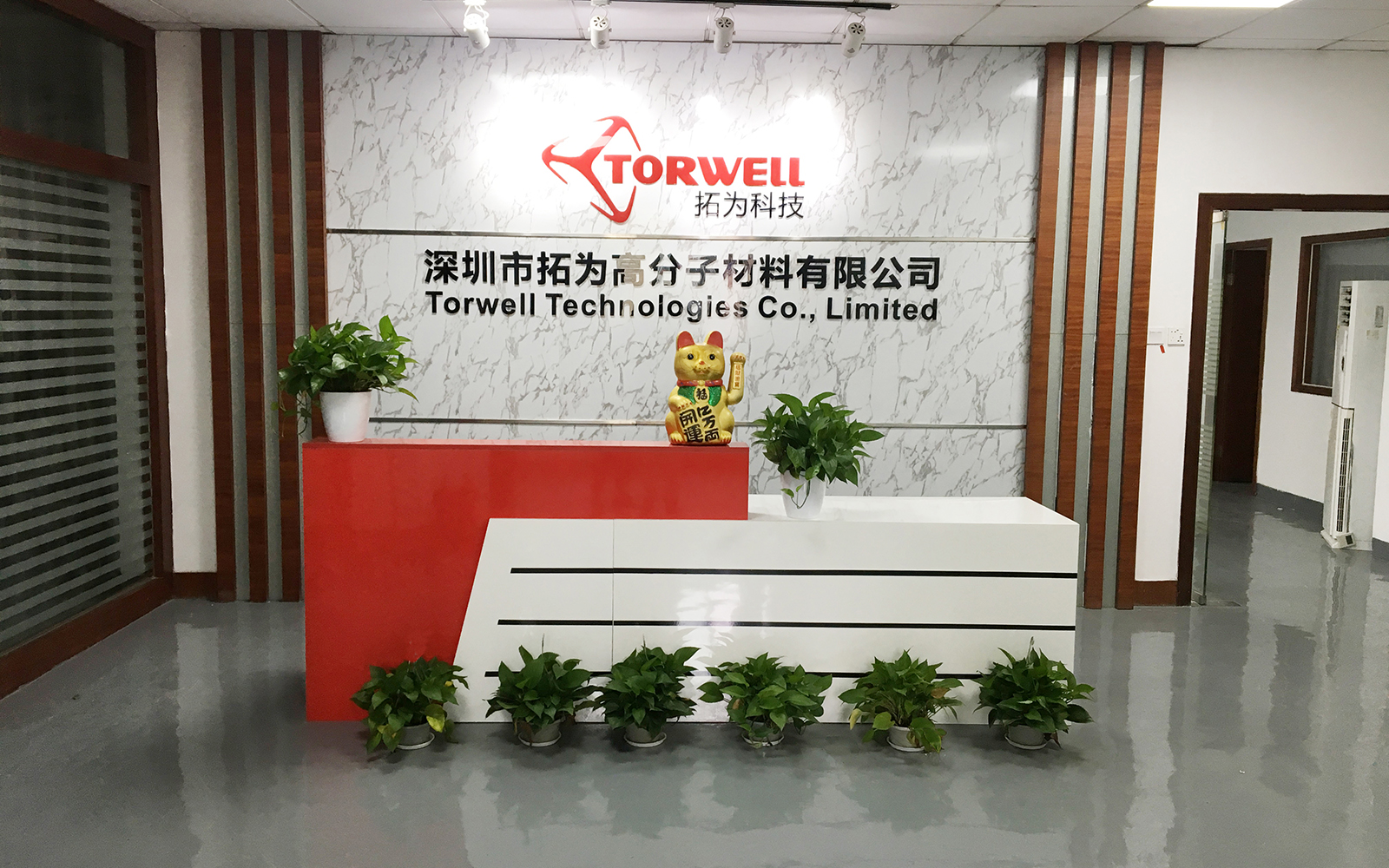
Company Profile: Torwell Technologies Co., Ltd.
Founded in 2011, Torwell Technologies Co., Ltd. is one of the earliest high-tech enterprises which specializing in high-tech 3D printer filaments research, manufacture and sell, occupies 2,500 square meters modern factory with production capacity of 50,000kgs per month.
With more than 10years experiences in 3D printing market exploration, cooperated with Institute for High Technology and New Materials in domestic famous universities, and engaging Polymer materials experts as technical adviser, Torwell becomes one of member of Chinese rapid prototyping association and leader enterprise with the most innovative products in 3D printing industry, owns independent intellectual property rights, patents and trademarks (Torwell US, Torwell EU, NovaMaker US, NovaMaker EU).
Torwell passed international quality management system ISO9001, international environment system ISO14001, the advanced manufacturing equipment, test devices and virgin raw materials available are introduced to produce and distribute 3D printer filament of unparalleled quality, to insure all the products of Torwell are compliant with RoHS standard, MSDS, Reach, TUV and SGS test certificated.
Be a reliable and professional 3D printing partner, Torwell has committed to expanding its products to America, Canada, UK, Germany, Netherlands, France, Spain, Sweden, Italy, Russia, Mexico, Australia, New Zealand, Brazil, Argentina, Japan, South Korea, Vietnam, Thailand, Malaysia, India, more than 80 countries and regions.
Complete Industrial 3D Filament Portfolio
Discover our comprehensive range of high-performance polymer filaments engineered for rapid prototyping, concept models, and rigorous automotive production requirements.