
High-Performance Mechanical Bracket Printing Materials
Explore our curated selection of thermoplastic filaments optimized for high-strength mechanical jigs, structural brackets, and engineering prototypes.
1. The Industrial Shift to Additive Mechanical Brackets
In modern heavy industry, automation, aerospace, and energy infrastructure, mechanical brackets serve as the indispensable backbone holding critical sensors, cables, actuators, and structural panels in place. For decades, industrial engineers relied almost exclusively on CNC-milled aluminum, cast iron, or stamped sheet metal for bracket fabrication. However, the rise of advanced additive manufacturing (AM) has fundamentally disrupted this paradigm.
Metal fabrication workflows often suffer from long lead times, substantial material waste, heavy component weight, and prohibitive setup costs for low-to-medium batch volumes. When prototyping or deploying custom mounting solutions for dynamic automated assembly lines, engineers require agile, high-strength alternatives. While standard consumer 3D printing polymers like standard PLA or basic ABS have been tested, they frequently fail under real-world industrial stress: standard PLA suffers from severe thermal deformation above 55°C and brittle fractures, while standard ABS degrades rapidly under outdoor solar ultraviolet radiation and environmental weathering.
This is where Acrylonitrile Styrene Acrylate (ASA) emerges as the premier engineering thermoplastic. Specifically formulated to overcome the chemical vulnerabilities of conventional polymers, ASA combines mechanical toughness, elevated heat deflection temperatures, superior UV resilience, and robust chemical resistance. In the context of industrial mechanical brackets, ASA delivers an unprecedented balance of structural integrity, operational longevity, and economic efficiency.
2. Chemical Architecture & Engineering Material Science of ASA
To understand why ASA excels in mechanical bracket fabrication, one must analyze its chemical backbone compared to other industrial polymers like ABS, PETG, and Carbon Fiber Nylon.
ABS (Acrylonitrile Butadiene Styrene) derives its impact toughness from polybutadiene rubber. However, polybutadiene contains double bonds within its polymer chains that are inherently susceptible to oxidation and UV photo-oxidation. When subjected to outdoor sunlight and atmospheric oxygen, ABS experiences rapid embrittlement, micro-cracking, and dramatic loss of impact resistance. ASA solves this critical failure mode by replacing the polybutadiene rubber with a saturated acrylic ester elastomer (grafted alkyl acrylate). Because the acrylic rubber matrix is entirely free from unsaturated double bonds, ASA provides virtually permanent weatherability, gloss retention, and mechanical retention even after thousands of hours of accelerated xenon arc weathering.
Quantitative Comparison: Engineering Materials for Mechanical Brackets
The table below provides a comprehensive physical and operational comparison between mainstream FFF/FDM 3D printing filaments used in industrial bracket manufacturing:
| Performance Metric | ASA (Acrylonitrile Styrene Acrylate) | Industrial ABS | Engineering PETG | PA6 / PA12 (Nylon) |
|---|---|---|---|---|
| UV & Weathering Longevity | Exceptional (>5+ Years Outdoor No Degradation) | Poor (Embrittles & Yellows rapidly) | Moderate (Acceptable UV, lower thermal) | Moderate to Poor (Requires UV stabilizers) |
| Glass Transition Temp (Tg) | 100°C – 105°C | 105°C | 75°C – 80°C | 50°C – 65°C (Drops with moisture) |
| Tensile Strength (MPa) | 42 – 55 MPa | 40 – 50 MPa | 45 – 53 MPa | 60 – 85 MPa |
| Impact Strength (Charpy/Izod) | High (Ductile fracture resistance) | High | Moderate - High | Very High (When conditioned) |
| Moisture Sensitivity & Hydrolysis | Extremely Low (<0.3% water uptake) | Low (<0.4%) | Low (<0.2%) | High (Absorbs up to 8% RH, loses stiffness) |
| Post-Processing & Acetone Smoothing | Excellent (Vapor smoothing for hermetic seals) | Excellent | None (Chemical inertness to acetone) | Difficult |
| Ideal Mechanical Use Cases | Outdoor solar brackets, automotive mounts, sensor arms | Indoor dynamic enclosures, tooling jigs | Chemical fluid brackets, splashguards | Gears, high-friction sliding brackets |
3. In-Depth Industrial Application Scenarios for ASA Brackets
Industrial mechanical brackets are subjected to multidirectional stresses, constant vibration, thermal expansion cycling, and chemical contaminants. Below is a deep-dive analysis of real-world scenarios where ASA 3D printing material is replacing traditional metal and inferior plastics.
A. Solar Photovoltaic (PV) Tracker & Inverter Brackets
Utility-scale solar farms operate under punishing solar radiation, high diurnal temperature swings (-20°C to +50°C ambient), and moisture. ASA brackets are deployed to hold junction boxes, pyranometers, wind sensors, and wire harnessing conduits onto tracker torque tubes. ASA ensures no brittleness over 10+ years of direct UV irradiation, preventing electrical shorts and catastrophic tracker downtime.
B. Automotive Exterior Camera & LiDAR Brackets
Autonomous commercial vehicles, agricultural tractors, and delivery bots require custom sensor mounting brackets fitted to curved body panels. ASA allows rapid aerodynamic bracket design with integrated vibration-dampening geometry. It withstands road salt, high-pressure car washes, engine bay heat, and continuous stone impacts without fatigue failure.
C. Robotic End-of-Arm Tooling (EOAT) & Automation Jigs
In high-speed pick-and-place packaging lines, reducing the weight of robotic arm brackets directly increases acceleration speed and reduces motor wear. 3D printed ASA structural brackets provide a 65% weight reduction compared to aluminum while maintaining the rigidity necessary to prevent positional deflection during 3G robotic acceleration moves.
D. 5G Telecommunications Pole Mounts & Enclosure Braces
Outdoor 5G micro-cell stations and IoT gateways require dielectric, weather-sealed brackets that do not interfere with RF signals. ASA is radio-frequency transparent, flame-resistant under specialized ratings, and completely immune to rain-induced rust, making it the ideal choice for smart city structural brackets mounted high on lamp poles.
E. Marine Navigation & Offshore Structural Fixtures
Saltwater spray causes rapid galvanic and pitting corrosion on aluminum and steel brackets. Marine engineers utilize ASA 3D printed brackets for sonar transducers, radar mast fixtures, and navigation lights. ASA’s hydrophobic molecular surface prevents bio-fouling adhesion and provides indefinite saltwater resistance.
F. HVAC Vibration Isolation & Duct Suspension Brackets
Industrial heating and ventilation units produce continuous harmonic vibrations and condensation. ASA ducting brackets absorb acoustic resonance, prevent thermal bridging, and withstand continuous warm airflow without creeping or sagging over decades of continuous facility operation.
4. Commercial Trends & Market Growth in Additive Bracket Manufacturing
The global market for industrial additive manufacturing materials is expanding at a Compound Annual Growth Rate (CAGR) of over 21.5%, with engineering thermoplastics like ASA, PA-CF, and PC leading the demand in functional end-use parts rather than merely rapid visual prototyping.
Several commercial dynamics are propelling ASA 3D printing materials to the forefront of the industrial bracket sector:
5. Design Guidelines & Process Parameter Optimization for High-Load ASA Brackets
While ASA boasts superior raw material properties, achieving maximum isotropic mechanical strength in industrial brackets requires strict adherence to additive design and thermal process controls.
A. Mitigating Interlayer Delamination & Thermal Warpage
Due to ASA’s moderate thermal shrinkage coefficient (similar to ABS), printing large, thick-walled mechanical brackets requires an enclosed build chamber maintained between 60°C and 80°C. An active heated enclosure prevents draft-induced internal stress accumulation, eliminating layer delamination when brackets are subjected to perpendicular pulling or twisting forces.
B. Optimizing Extrusion Temperatures & Thermal Weld Depth
To ensure full polymer chain diffusion across layer boundaries, nozzle temperatures should be calibrated between 240°C and 265°C with a heated build plate temperature of 90°C to 110°C. Cooling fans should be kept off (0%) for standard structural infill and set to a maximum of 15%–25% only for sharp bridging and steep overhangs to preserve maximum interlaminar shear strength.
C. Load Orientation & Threaded Insert Integration
When slicing mechanical brackets, print orientation should align the continuous XY toolpaths with the primary tensile stress vectors. For bolting mechanical brackets to steel chassis, direct self-tapping screws can cause localized stress cracking; instead, engineers should design tapered holes for ultrasonic or heat-set brass threaded inserts, which distribute clamping torque evenly across the ASA polymer matrix.
D. Acetone Vapor Smoothing for Hermetic & Aesthetic Finish
Like ABS, ASA dissolves cleanly in acetone vapor. Exposing the finished mechanical bracket to a controlled acetone vapor cycle melts the micro-ridges of layer lines, creating an ultra-smooth, glossy exterior shell. This process not only yields injection-molded surface quality but also increases the part's hermetic sealing and micro-crack resistance under cyclic fatigue loading.
Manufacturing Excellence, Strict Quality Control & Supply Chain Rigor
Behind every high-performance spool of engineering filament is a deeply engineered manufacturing workflow. Torwell enforces ISO-certified protocols, world-class raw polymer sourcing, and multi-stage precision testing to guarantee industrial reliability.
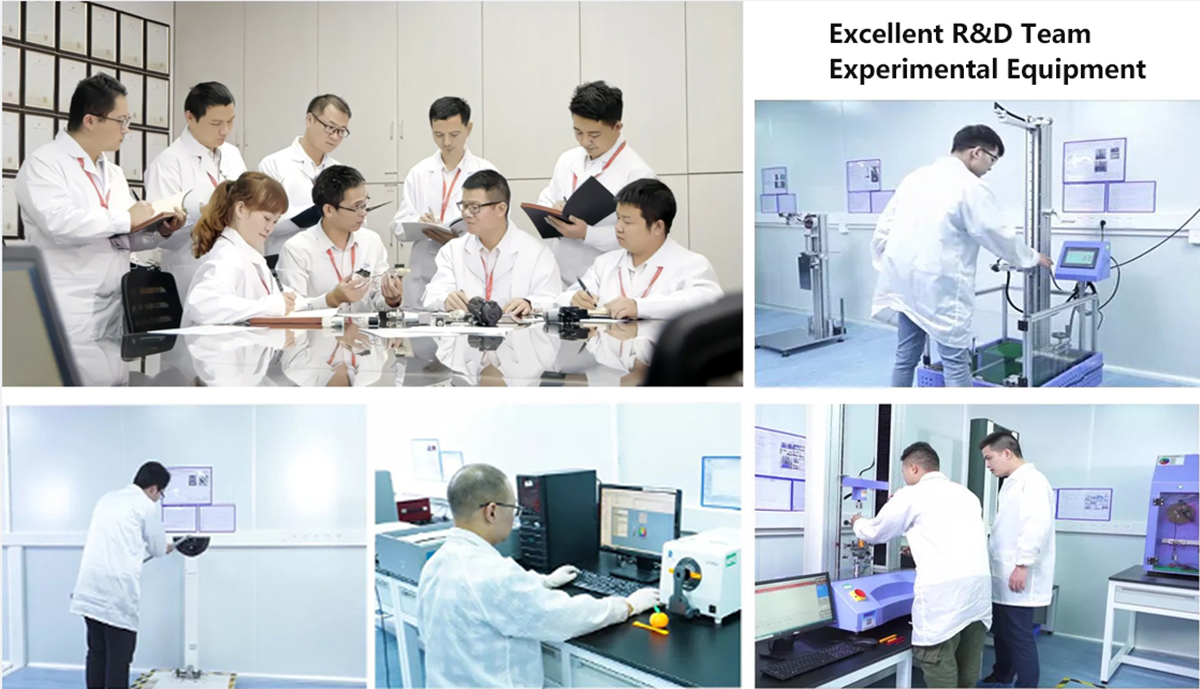
The factory area has passed ISO45001 occupational health and safety management system certification. Every new employee must be experienced one week of safety production knowledge teaching and two weeks of produce skills training, and master every course in the production process. Who is in the position will be responsible for its duty.
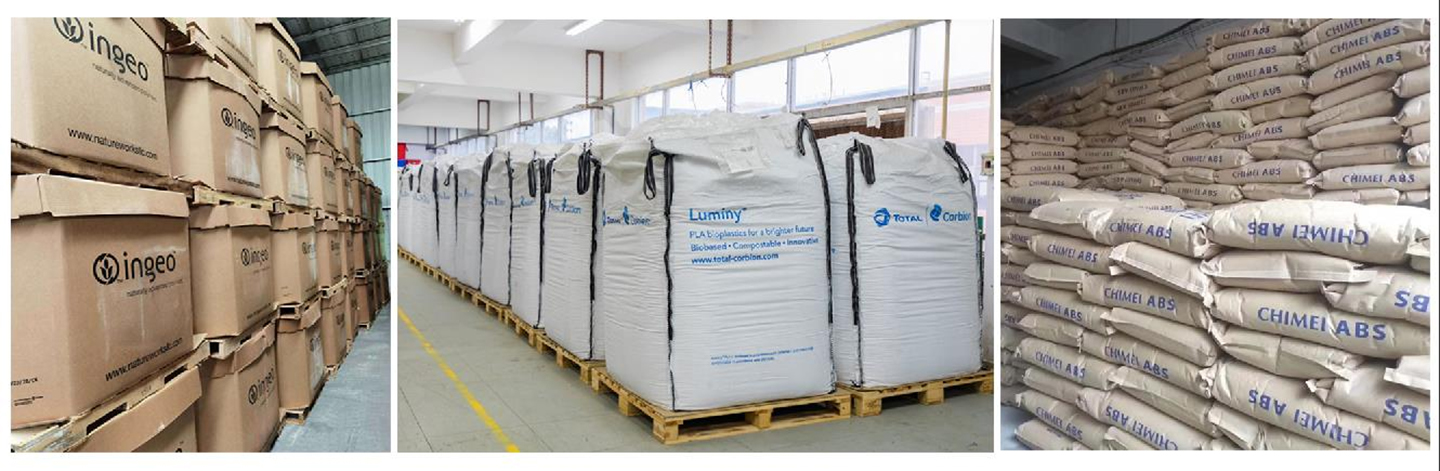
PLA is the most preferred material for 3D printing, Torwell firstly chooses PLA from US NatureWorks, and Total-Corbion is the alternative. ABS from TaiWan ChiMei, PETG from South Korea SK. Each batch of main raw materials comes from the partners who has cooperated more than 5 years to ensure the reliability of the products from the source. Each batch of raw materials will undergo parameters inspection before produce to ensure that raw materials are original and virginal.
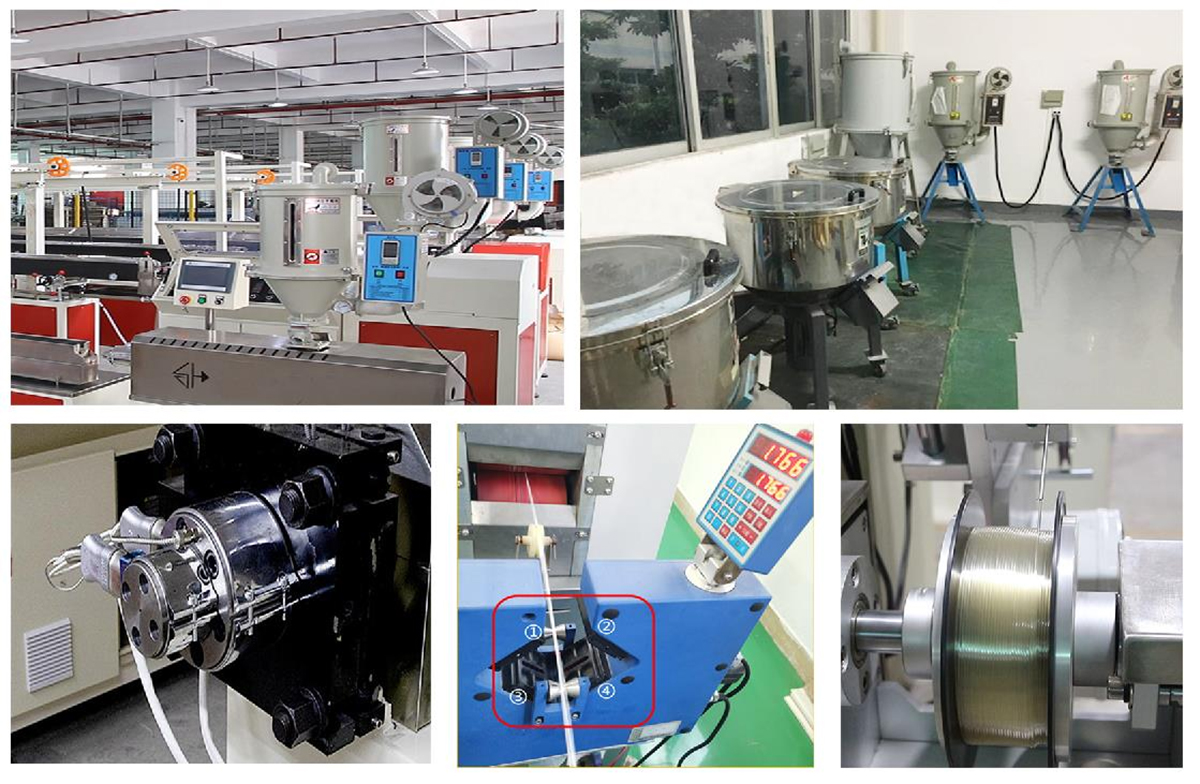
The manufacturing workshop will make arrangements after the inspection of raw materials, at least two engineers cross-check the clearance of mixing tank, color mixed of material, humidity from hopper dryer, temperature of extruder, hot/cool tank, and trial-produce and debugging the produce line to make sure all of processes in the best condition. Maintain the filament Diameter tolerance +/- 0.02mm, Roundness tolerance +/- 0.02mm.
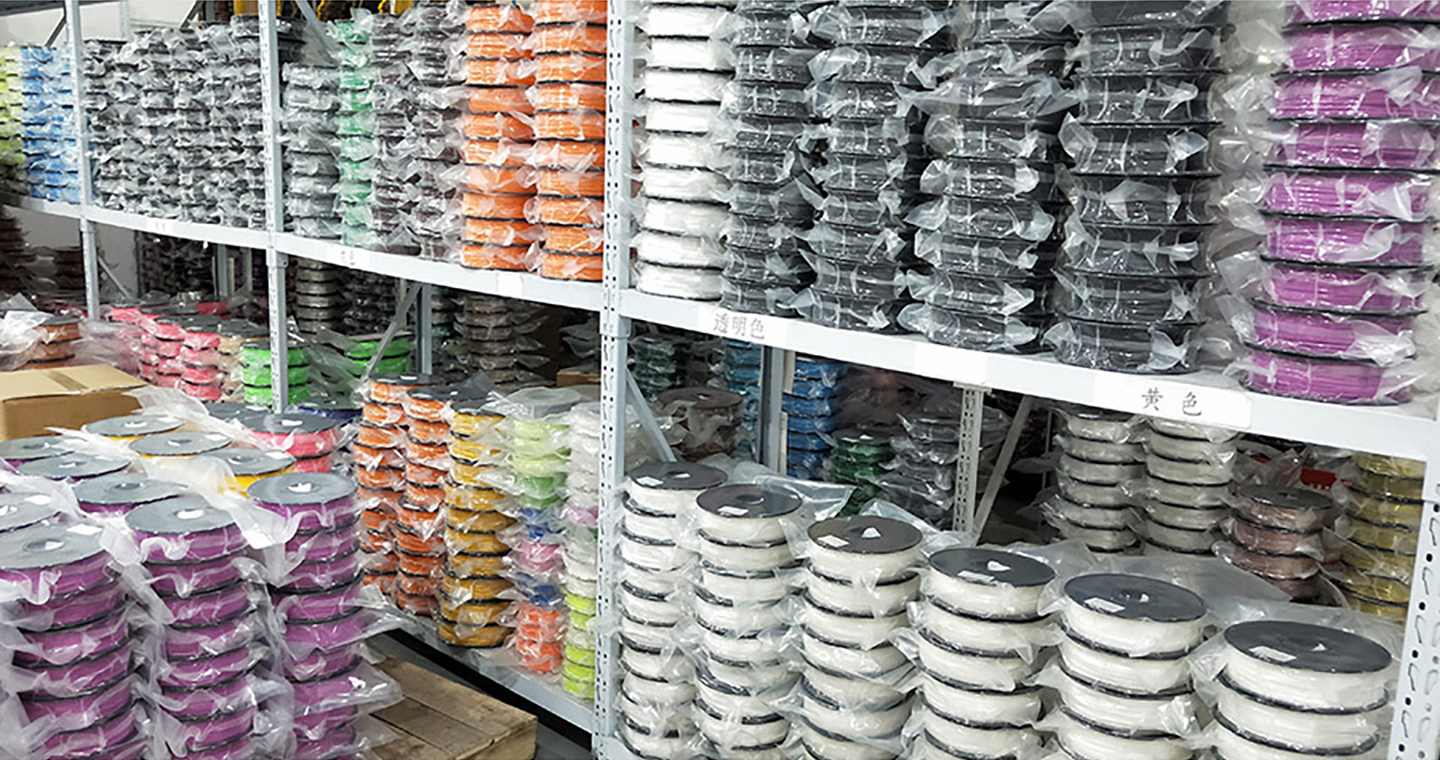
After each batch of 3D filament is produced, two quality inspectors will conduct random inspections on each batch of finished products in accordance with the requirements of the standard, such as diameter tolerance, color consistency, strength and toughness and so on. After vacuuming the package, place them for 24 hours to check whether there is any leaking package, then label it and finish the package.
Comprehensive Industrial Polymer Filament Catalog
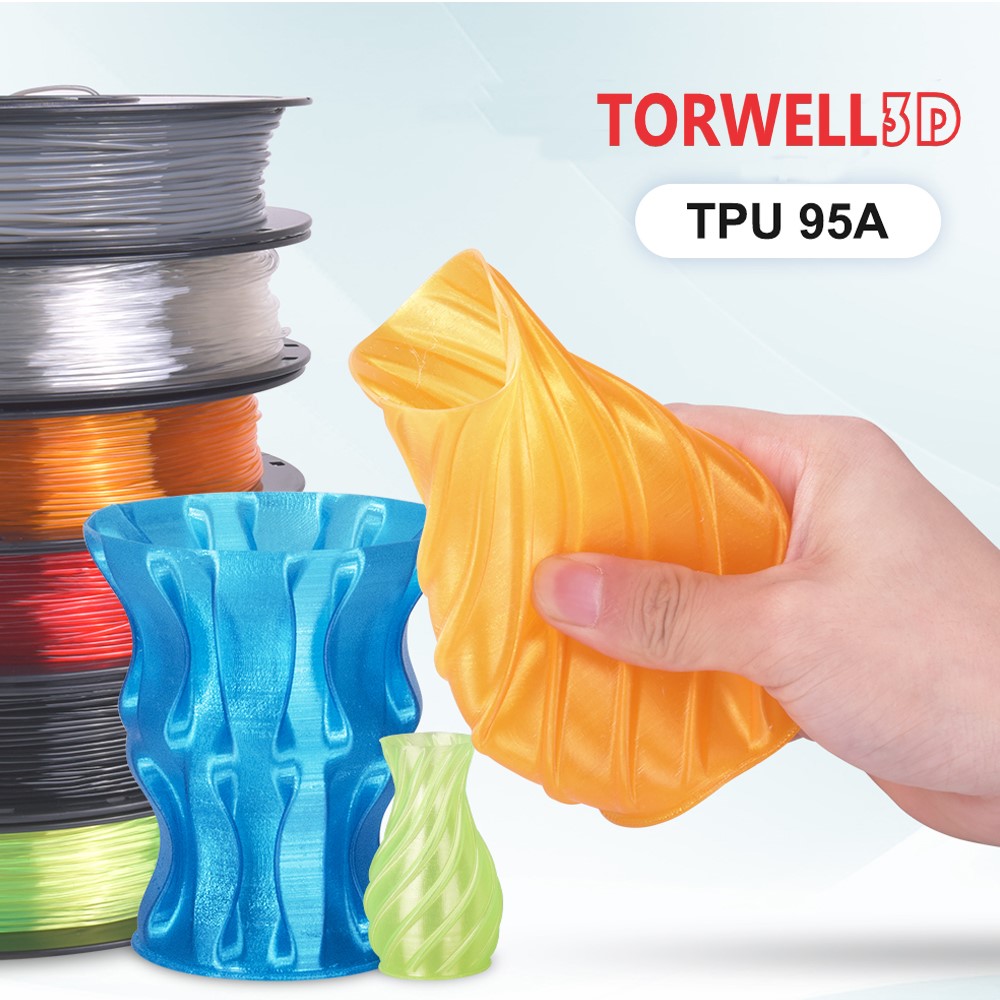
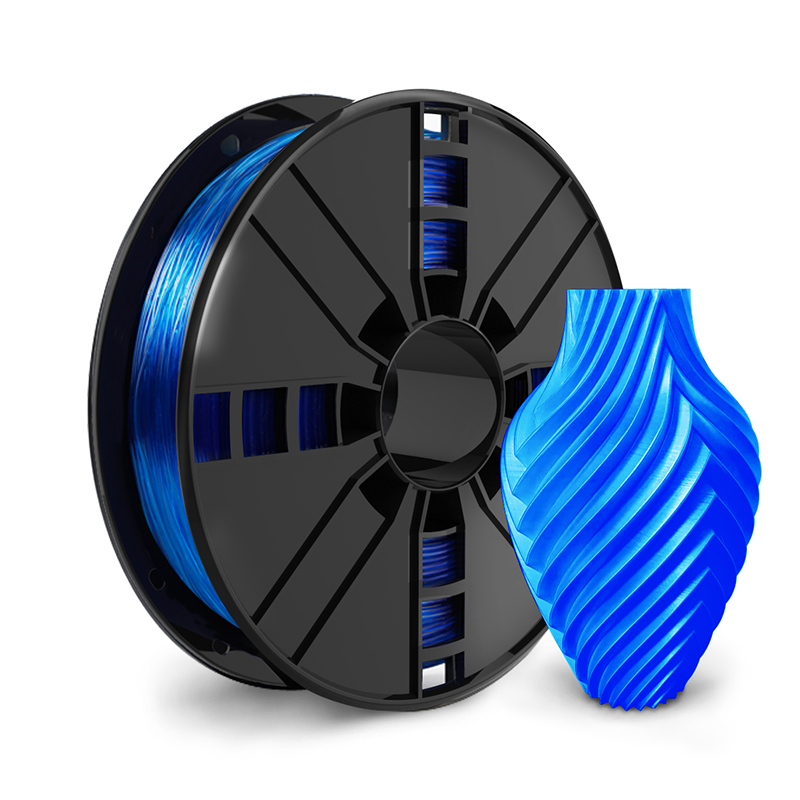
From ultra-durable ASA/ABS structural brackets to flexible vibration-dampening TPU bushings, explore Torwell's complete portfolio of additive manufacturing filaments.
6. Frequently Asked Questions: ASA in Mechanical Bracket Engineering
While both materials offer comparable mechanical strength and thermal resistance (Tg ~105°C), standard ABS relies on polybutadiene rubber which degrades, turns brittle, and chalks under solar UV radiation within months. ASA replaces polybutadiene with a saturated acrylic ester rubber that is inherently impervious to UV degradation, ensuring brackets remain ductile and load-bearing for years in outdoor environments.
PETG exhibits good chemical resistance and low shrinkage, but it is more notch-sensitive and prone to brittle fatigue failure under continuous high-frequency vibration. ASA features an elastomer-modified matrix that absorbs mechanical shock and cyclic stresses more effectively, making it superior for automotive engine bays and high-speed robotic end-effectors.
For small brackets (under 50mm), an open-frame printer with draft shielding may suffice. However, for robust industrial mechanical brackets with thick infills and large footprints, an enclosed chamber heated to 60°C–80°C is strongly recommended. Maintaining a uniform thermal environment prevents differential shrinkage, internal residual stress, and layer separation.
While ASA can be direct-tapped with coarse machine screws for low-load applications, best engineering practice for high-torque mechanical brackets requires ultrasonic or heat-set brass threaded inserts. The brass inserts provide high pull-out resistance and prevent thread stripping during repeated assembly and maintenance cycles.