
Featured 3D Printing Materials & Technical Filaments
Precision-formulated polymer filaments engineered for demanding Spanish automotive, aerospace, and outdoor industrial engineering sectors.
The Commercial & Industrial Landscape of ASA in Spain
Spain has rapidly established itself as one of the most dynamic additive manufacturing powerhouses in Southern Europe. Driven by extensive industrial clusters across Catalonia (Barcelona), the Basque Country (Bilbao, Vitoria-Gasteiz), the Community of Madrid, and the Valencian Community, the adoption of engineering-grade thermoplastics has surged exponentially. Among these advanced materials, Acrylonitrile Styrene Acrylate (ASA) has emerged as the definitive polymer of choice for end-use functional parts subjected to rigorous outdoor weathering and mechanical stresses.
Unlike standard ABS which degrades and turns brittle under prolonged ultraviolet (UV) exposure, ASA utilizes an acrylate elastomer that provides exceptional weather resistance, thermal stability up to 100°C, and superior matte surface aesthetics. Spanish industrial leaders in automotive design, maritime navigation, renewable energy grids, and architectural façade fabrication increasingly rely on ASA 3D printing material manufacturers and high-precision production factories to supply consistent, industrial-tolerance filaments for rapid tooling and direct additive production.
Why Engineering Teams in Spain Prefer ASA Over Traditional Polymers
Balancing mechanical strength, long-term UV resistance, and chemical resilience for critical Iberian infrastructure.
Extreme UV & Weather Resistance
Equipped with saturated acrylate rubber chains, ASA maintains its tensile strength, impact integrity, and color vibrancy under the intense solar radiation of Southern Spain without yellowing or cracking.
High Thermal Deflection (HDT)
With a heat deflection temperature reaching 95°C–105°C, ASA components effortlessly withstand under-the-hood automotive temperatures and severe enclosed environmental housings without creep deformation.
Chemical & Environmental Shield
Outstanding chemical stability against dilute acids, saturated hydrocarbons, industrial lubricants, and saline sea breezes prevalent across the Mediterranean coastal industries.
| Material Property | Industrial Grade ASA | Standard ABS | Technical PETG | Standard PLA |
|---|---|---|---|---|
| UV Degradation Resistance | Exceptional (> 5,000 hrs) | Poor (Yellows / Embrittles) | Moderate | Low |
| Heat Deflection Temp (0.45 MPa) | 98°C - 105°C | 90°C - 98°C | 70°C - 75°C | 52°C - 58°C |
| Charpy Impact Strength (kJ/m²) | 18 - 25 kJ/m² | 15 - 22 kJ/m² | 8 - 12 kJ/m² | 3 - 6 kJ/m² |
| Outdoor Weatherability Rating | Grade A (Direct Sun/Rain) | Grade C (Indoor Only) | Grade B (Short Outdoor) | Grade D (Biodegradable) |
| Target Industrial Sector | Automotive, Solar, Marine | Internal Mechanical Jigs | Enclosures, Food Tech | Prototyping, Display |
Localized Application Scenarios of ASA 3D Printing in Spain
From Tier-1 automotive assembly lines in Valencia and Martorell to renewable solar plants in Andalusia, ASA provides dependable manufacturing agility.
1. Automotive & Transportation (Martorell, Vigo, Valladolid, Valencia)
Spain is the second-largest vehicle manufacturer in Europe. Automotive plants in Catalonia, Galicia, and Valencia utilize high-grade ASA filament to fabricate customized exterior mirror housings, intake grilles, bumper sensors, bracket fittings, and heavy-duty assembly line jigs. ASA's high dimensional accuracy (±0.02mm) ensures perfect mating tolerances, eliminating traditional tooling lead times from months down to hours.
2. Solar Energy & Smart Grid Infrastructure (Andalusia & Extremadura)
With some of the highest solar irradiance in Europe, Spain leads the photovoltaic revolution. ASA 3D printing materials are extensively utilized to produce customized junction box enclosures, sensor brackets, solar tracking gear housings, and cable routing hardware that operate continuously under unrelenting ultraviolet rays and high ambient desert-like temperatures.
3. Naval, Marine & Port Logistics (Galicia, Basque Country, Barcelona)
Maritime vessels and coastal radar installations require materials impervious to salty spray and moisture. ASA replaces heavy metal components in custom instrument panels, marine drone hulls, watertight sonar housings, and ventilation diffusers, drastically reducing weight and cutting maintenance costs.
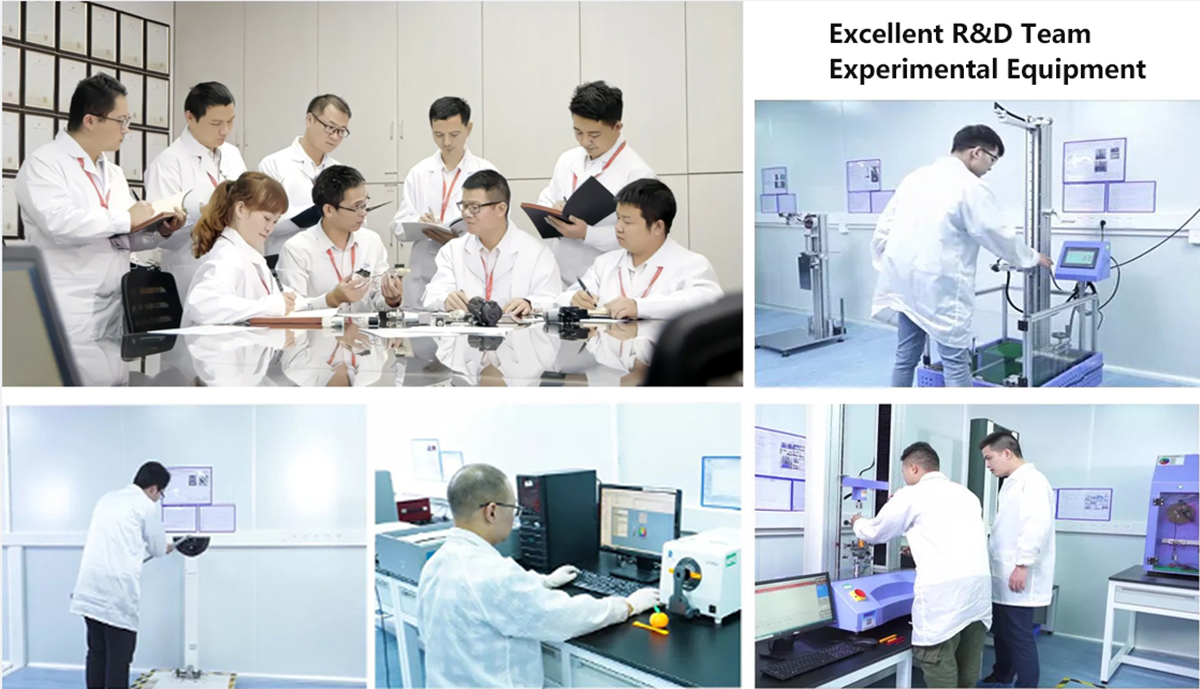
State-of-the-Art Factory Infrastructure & Rigorous Quality Control
Certified under international quality protocols to guarantee unmatched batch-to-batch consistency and diameter reliability.
Quality Control
The factory area has passed ISO45001 occupational health and safety management system certification. Every new employee must be experienced one week of safety production knowledge teaching and two weeks of produce skills training, and master every course in the production process. Who is in the position will be responsible for its duty.
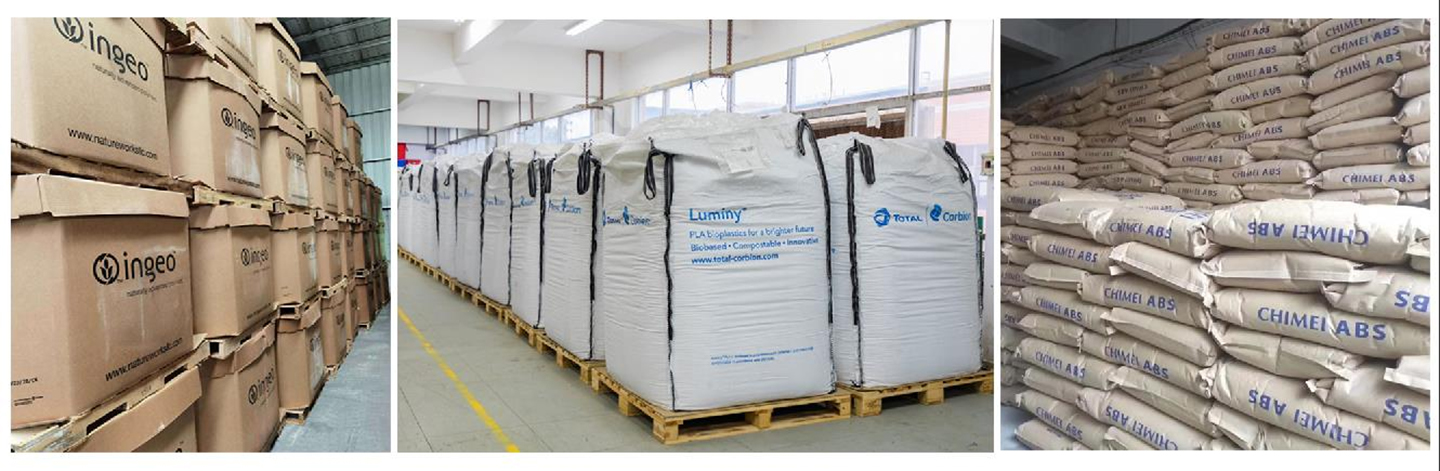
Raw Material
PLA is the most preferred material for 3D printing, Torwell firstly chooses PLA from US NatureWorks, and Total-Corbion is the alternative. ABS from TaiWan ChiMei, PETG from South Korea SK. Each batch of main raw materials comes from the partners who has cooperated more than 5 years to ensure the reliability of the products from the source. Each batch of raw materials will undergo parameters inspection before produce to ensure that raw materials are original and virginal.
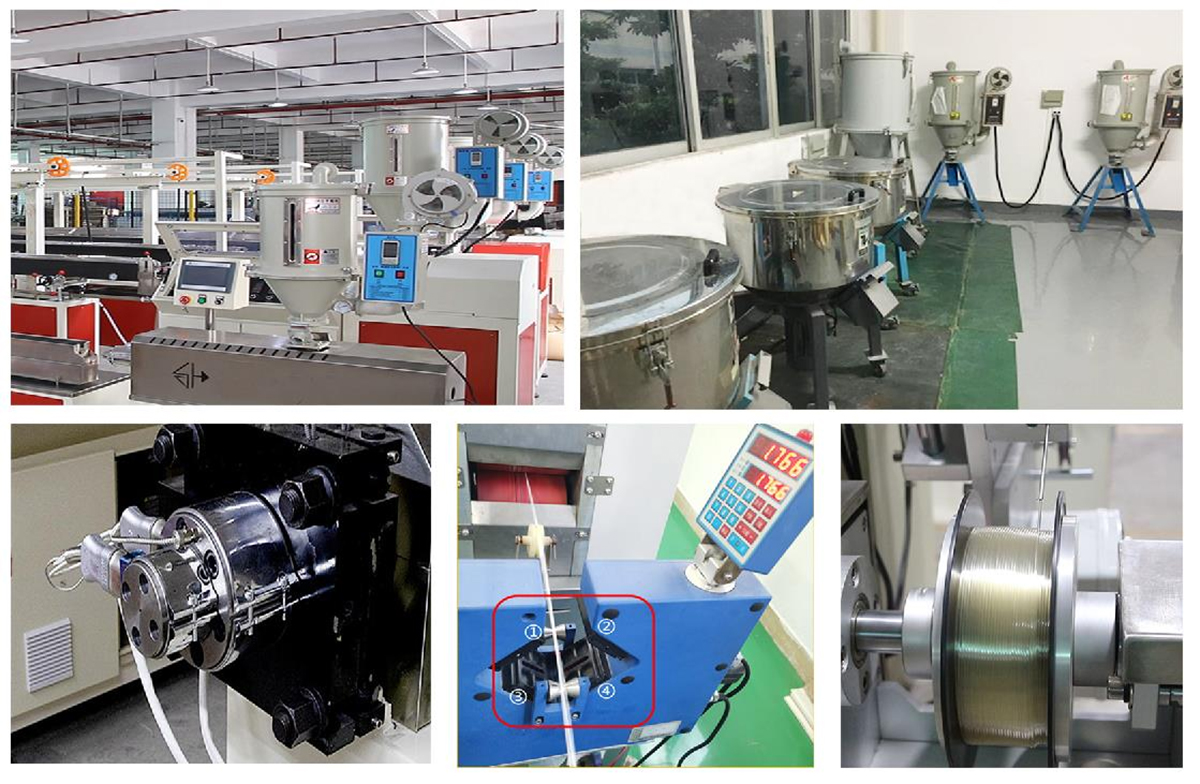
Equipment
The manufacturing workshop will make arrangements after the inspection of raw materials, at least two engineers cross-check the clearance of mixing tank, color mixed of material, humidity from hopper dryer, temperature of extruder, hot/cool tank, and trial-produce and debugging the produce line to make sure all of processes in the best condition. Maintain the filament Diameter tolerance +/- 0.02mm, Roundness tolerance +/- 0.02mm.
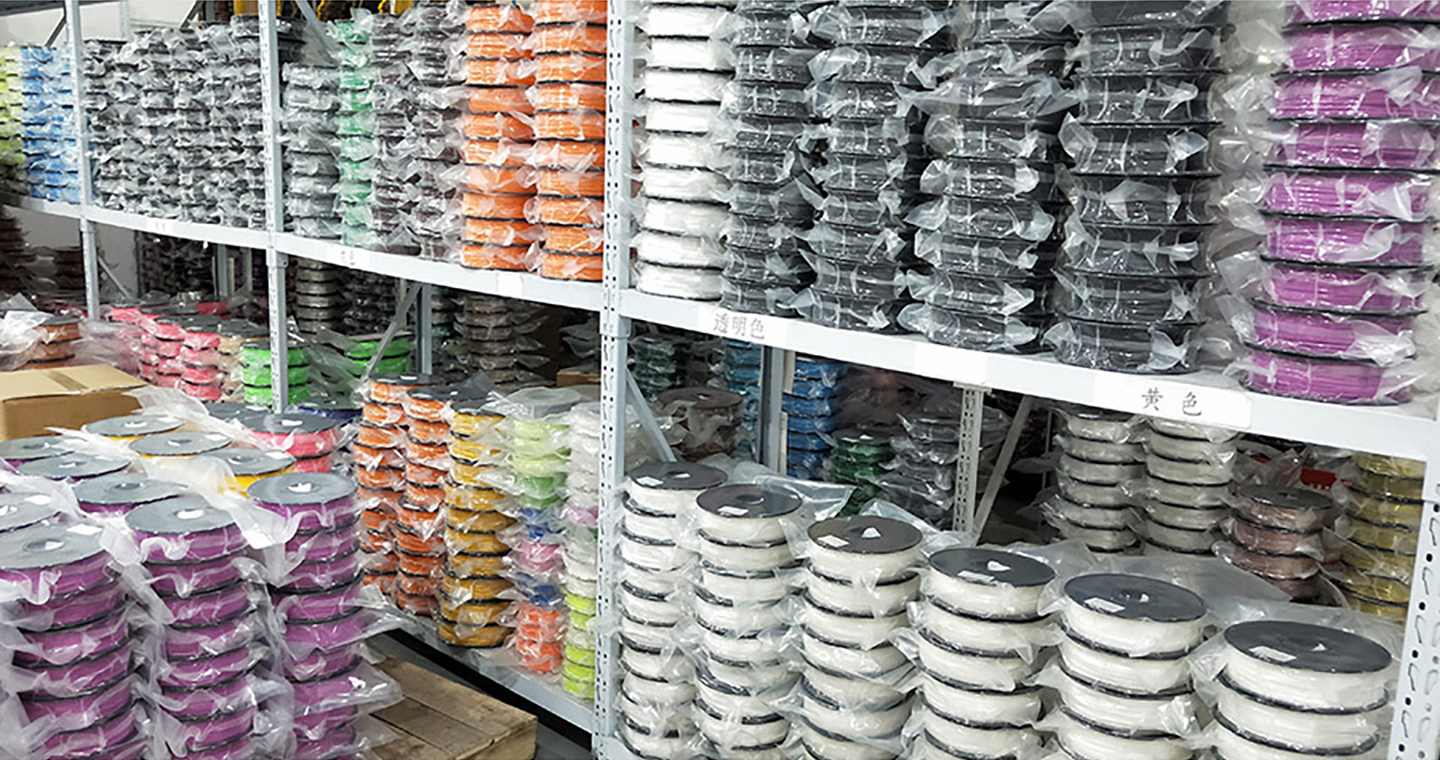
Final Inspection
After each batch of 3D filament is produced, two quality inspectors will conduct random inspections on each batch of finished products in accordance with the requirements of the standard, such as diameter tolerance, color consistency, strength and toughness and so on. After vacuuming the package, place them for 24 hours to check whether there is any leaking package, then label it and finish the package.
Emerging Trends in Spanish 3D Printing Material Manufacturing
Continuous innovation in composite polymers, circular manufacturing, and high-speed FDM/FFF printing profiles.
Carbon-Fiber Reinforced ASA (ASA-CF)
Infusing 15%–20% high-modulus chopped carbon fibers into virgin ASA matrix elevates tensile rigidity, virtually eliminates thermal warping during open-bed printing, and provides an exquisite matte metallic sheen ideal for motorsport components.
Closed-Loop Sustainable Extrusion
In compliance with strict European Union circular economy directives, cutting-edge factories are perfecting chemically recycled ASA polymers that retain >95% of pristine virgin mechanical performance, lowering industrial carbon footprints.
High-Flow ASA for High-Speed Systems
With the rapid adoption of high-speed industrial 3D printers operating at speeds above 300mm/s to 600mm/s, specialized ASA formulations with elevated melt flow indices (MFI) deliver smooth layer bonding without delamination.
Complete Industrial 3D Printing Materials & Hardware Series
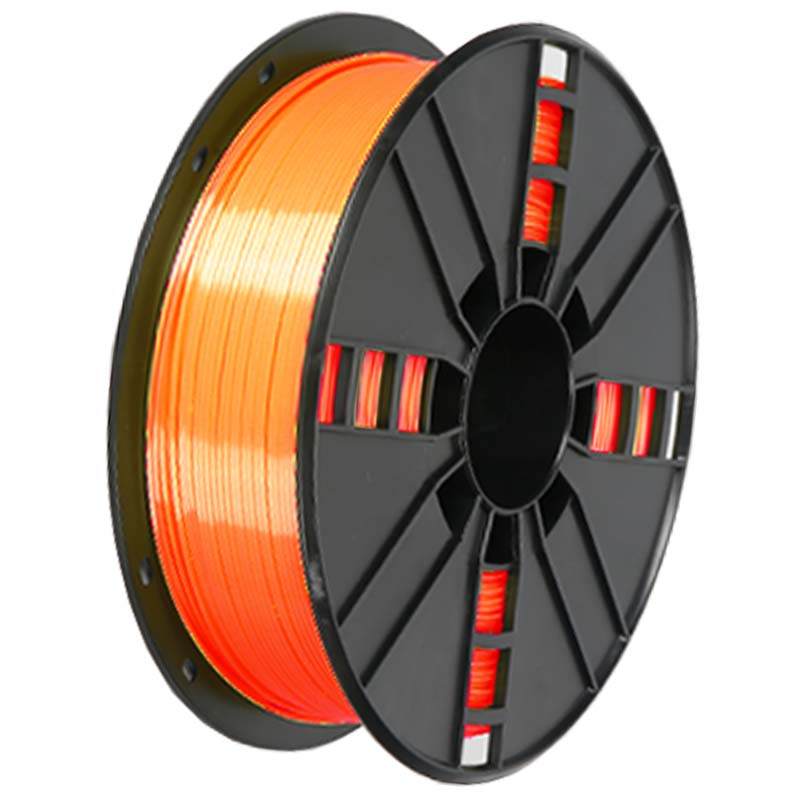
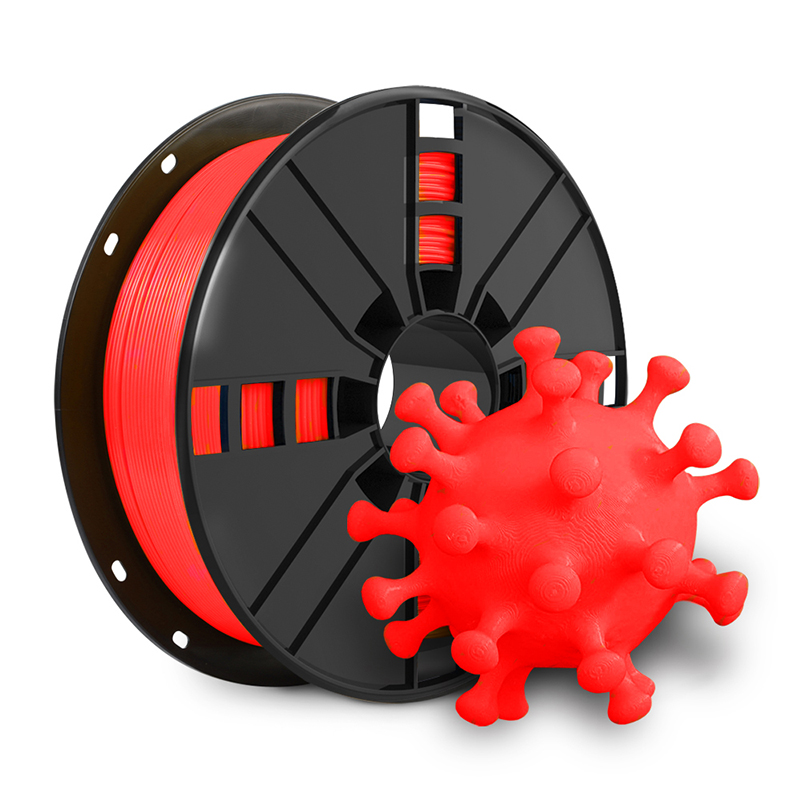
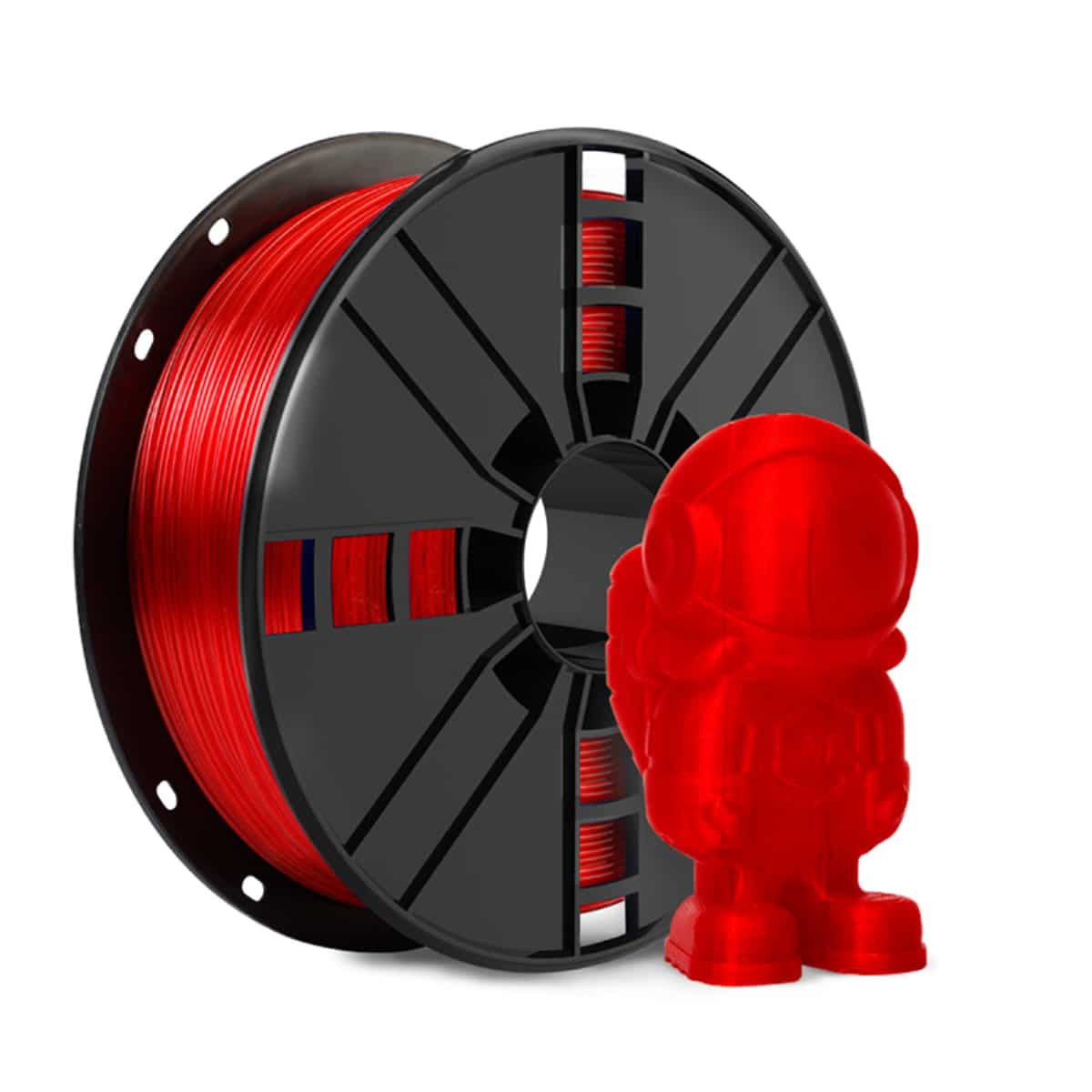
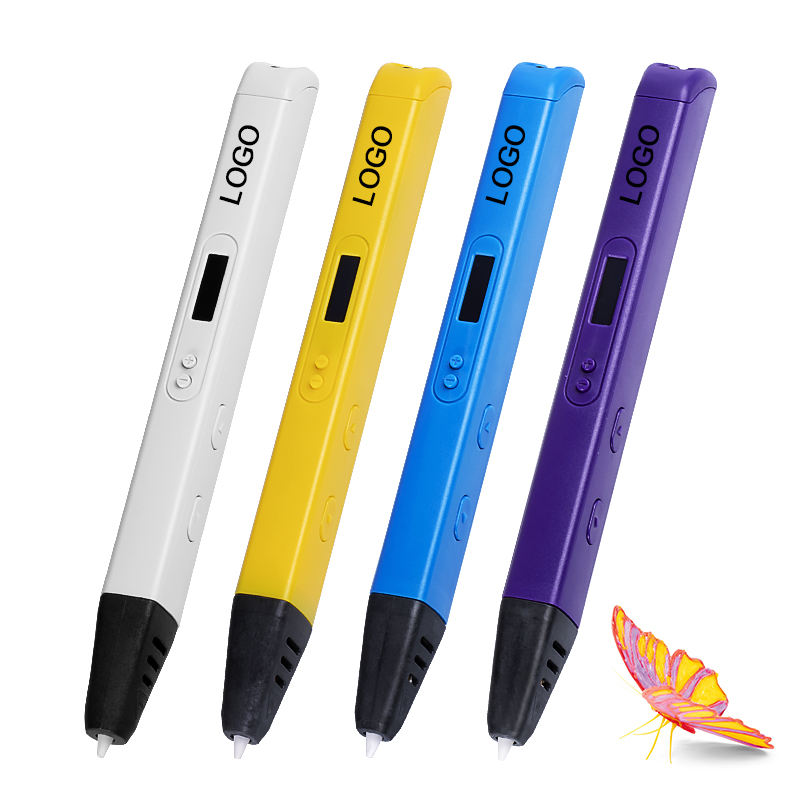
Browse our complete selection of ISO-certified filaments, specialized engineering blends, and additive hardware available for Spanish and European industrial markets.
Engineering Best Practices for ASA 3D Printing
To achieve optimal interlayer bonding, zero warping, and consistent isotropic strength when printing ASA filaments on industrial and desktop machines across Spain, adhere to the following certified extrusion guidelines:
- Nozzle Temperature: Maintain extrusion temperatures between 240°C and 260°C. High-flow nozzles benefit from 255°C for enhanced layer fusion.
- Heated Bed Calibration: Set the build plate to 90°C–110°C. Using PEI sheets or specialty adhesive Magigoo/Dimafix ensures firm initial layer adhesion.
- Enclosed Build Chamber: A passive or actively heated enclosure (40°C–60°C) is highly recommended to eliminate ambient drafts that cause internal shrinkage stresses.
- Part Cooling Fan: Keep cooling fan speeds low (0%–20%) for maximum mechanical strength; increase to 30% only on extreme overhangs or short layer bridges.
- Drying Parameters: Pre-dry the filament in a forced-air oven at 70°C for 4 to 6 hours prior to high-volume manufacturing runs for bubble-free surface finish.