
Featured Industrial Polymers & Prototyping Filaments
Explore our flagship high-performance 3D printing filaments, tailored to satisfy rigorous Japanese manufacturing standards for mechanical integrity, dimensional stability, and clean deposition.
The Japanese Industrial Landscape: Transitioning to Advanced ASA Filament
Bridging traditional Monozukuri precision with automated additive manufacturing across Kanto, Chubu, and Kansai manufacturing belts.
Japan has long served as the benchmark for global precision manufacturing, distinguished by its uncompromising philosophy of craftsmanship (Monozukuri) and rigorous quality management. As industrial enterprises throughout Tokyo, Nagoya, Osaka, and Fukuoka pivot toward smart automation and distributed additive manufacturing, Acrylonitrile Styrene Acrylate (ASA) filament has emerged as a cornerstone material. Japanese engineering demands components that resist prolonged exterior degradation, withstand thermal cycling between sub-zero northern winters in Hokkaido and humid summers across Kyushu, and uphold structural reliability over multi-year lifecycles.
Unlike standard ABS—which remains prone to photo-oxidation, micro-fissuring, yellowing, and mechanical embrittlement when exposed to ambient ultraviolet light—ASA incorporates an acrylic ester elastomer in place of polybutadiene rubber. This subtle chemical evolution provides unmatched UV stability, chemical resistance against automotive hydrocarbons, and exceptional impact retention. Consequently, research institutes, tier-one automotive suppliers, consumer electronics developers, and rail infrastructure contractors throughout Japan are substituting legacy injection-molding steps with on-demand ASA extrusion.
Automotive Tier-1 & Aftermarket
Exterior cowls, mirror housings, aerodynamic splitters, and customized ducting. ASA withstands intense sunshine, road salts, and thermal variations without dimensional warpage.
Railway & Infrastructure Enclosures
Precision junction housings, sensory clips, and signaling shrouds across high-speed rail corridors and metropolitan railway stations, requiring high dielectric performance and weatherability.
Robotics & Factory Automation
Custom end-of-arm tooling (EOAT), pneumatic sensor adapters, and robotic protective shells operating in UV-sterilized cleanrooms and outdoor automated guided vehicle (AGV) systems.
Engineered Material Properties: ASA Performance Benchmarks
Validated thermal, mechanical, and rheological characteristics designed for seamless extrusion on open-format and enclosed industrial FDM/FFF 3D printers.
| Physical / Mechanical Property | Testing Protocol (ASTM / ISO) | Typical Industrial Value | Engineering Significance for Japanese Industry |
|---|---|---|---|
| Filament Diameter & Roundness | Dual-Axis Laser Telemetry | 1.75mm / 2.85mm ± 0.02mm | Prevents hotend backpressure fluctuations and uneven layer deposition. |
| Tensile Strength at Yield | ISO 527 / ASTM D638 | 42 - 48 MPa | Ensures robust structural rigidity under persistent mechanical loading. |
| Elongation at Break | ISO 527 | 15% - 25% | Absorbs vibration without catastrophic brittle fracture in moving equipment. |
| Heat Deflection Temperature (HDT) | ISO 75 (0.45 MPa) | 96°C - 102°C | Maintains structural geometry inside engine bays and hot industrial zones. |
| Izod Notched Impact Strength | ISO 180 / ASTM D256 | 18 - 24 kJ/m² | Withstands physical shock, tool collisions, and harsh gravel impacts. |
| UV Stability (Accelerated Weathering) | QUV Test (ASTM G154, 2000 hrs) | ΔE < 1.5; >92% Strength Retention | Prevents discoloration, chalking, and polymer chain degradation outdoors. |
Manufacturing Rigor & Total Quality Assurance
Every spool represents an unwavering commitment to international safety protocols, calibrated extrusion, and pristine packaging.
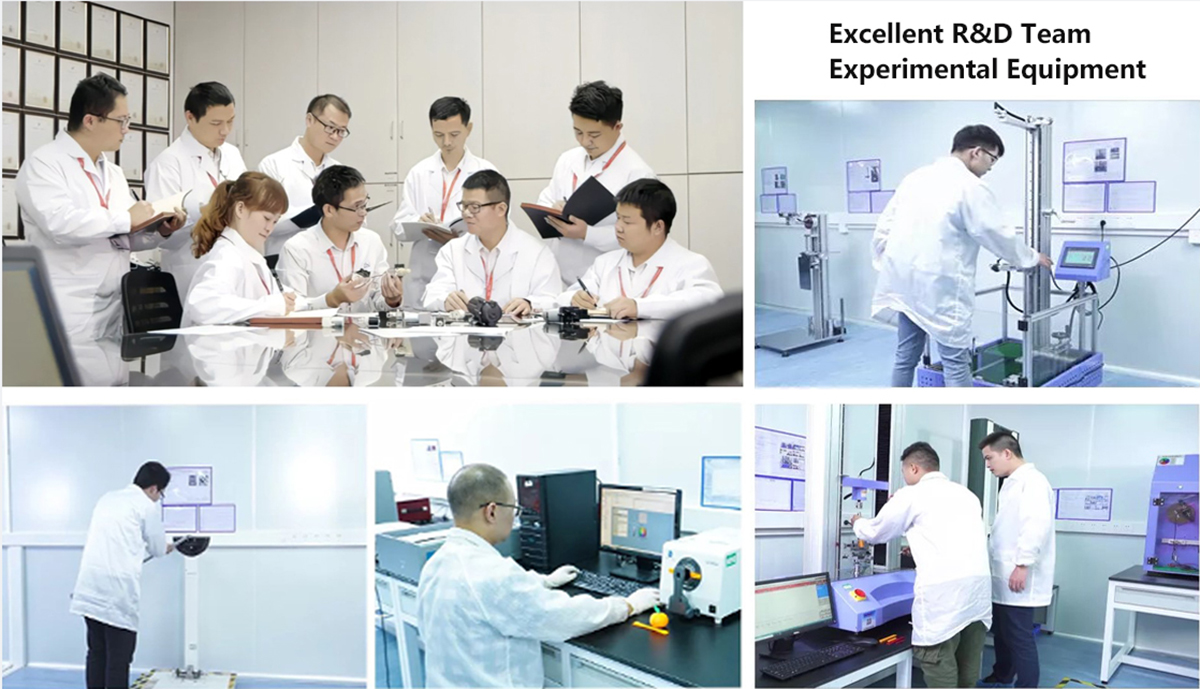
Quality Control
The factory area has passed ISO45001 occupational health and safety management system certification. Every new employee must be experienced one week of safety production knowledge teaching and two weeks of produce skills training, and master every course in the production process. Who is in the position will be responsible for its duty.
This disciplined personnel management translates directly into superior operational consistency, ensuring that extrusion lines run without human error and adhere to strict Japanese 5S organizational methodologies.
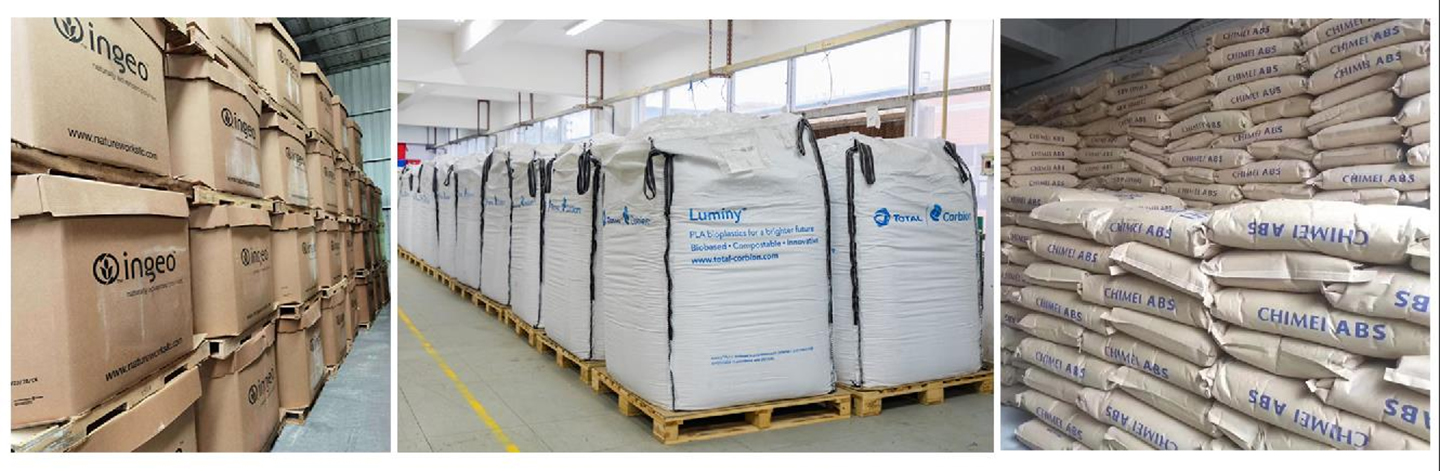
Raw Material
PLA is the most preferred material for 3D printing, Torwell firstly chooses PLA from US NatureWorks, and Total-Corbion is the alternative. ABS from TaiWan ChiMei, PETG from South Korea SK. Each batch of main raw materials comes from the partners who has cooperated more than 5 years to ensure the reliability of the products from the source. Each batch of raw materials will undergo parameters inspection before produce to ensure that raw materials are original and virginal.
Our ASA base formulations similarly employ high-purity virgin acrylic ester copolymer resins sourced directly from certified petrochemical partners, guaranteeing absolute uniformity from batch to batch without recycled contaminants.
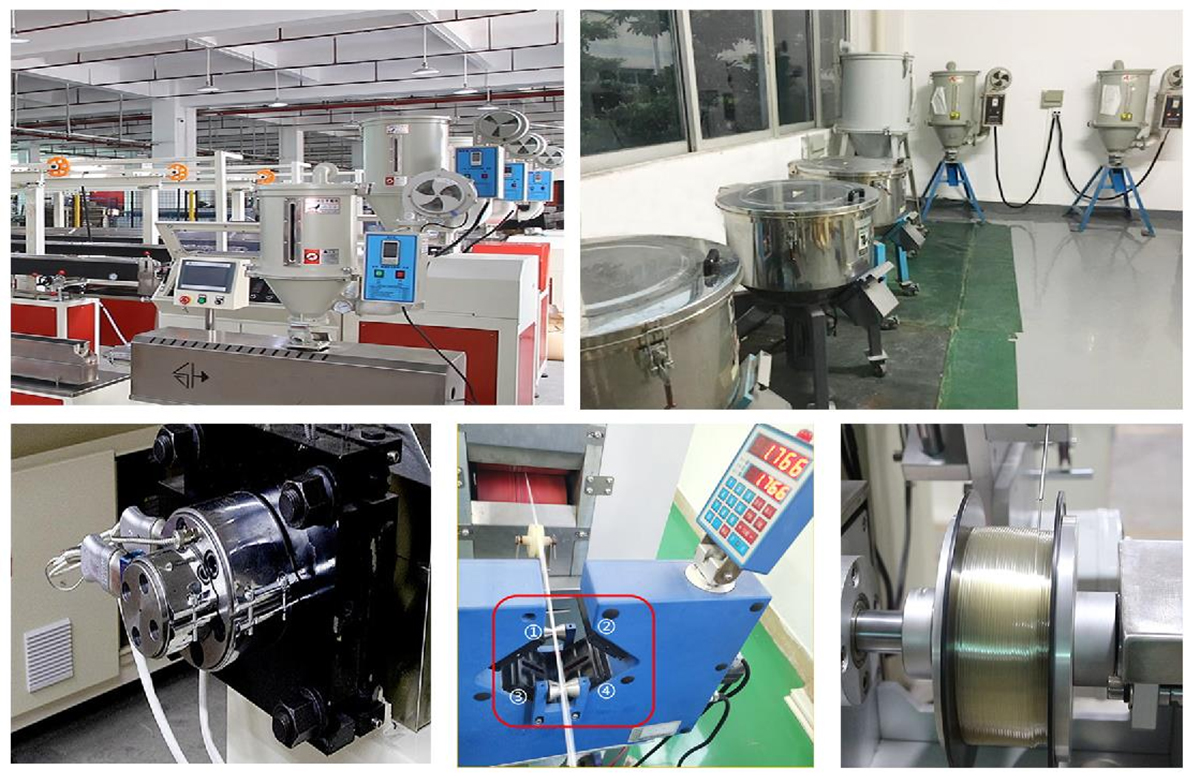
Equipment
The manufacturing workshop will make arrangements after the inspection of raw materials, at least two engineers cross-check the clearance of mixing tank, color mixed of material, humidity from hopper dryer, temperature of extruder, hot/cool tank, and trial-produce and debugging the produce line to make sure all of processes in the best condition. Maintain the filament Diameter tolerance +/- 0.02mm, Roundness tolerance +/- 0.02mm.
Using advanced multi-stage closed-loop cooling reservoirs, vacuum desiccant feed hoppers, and dual-axis real-time laser measurement instrumentation, the extrusion process dynamically corrects melt anomalies before spooled winding.
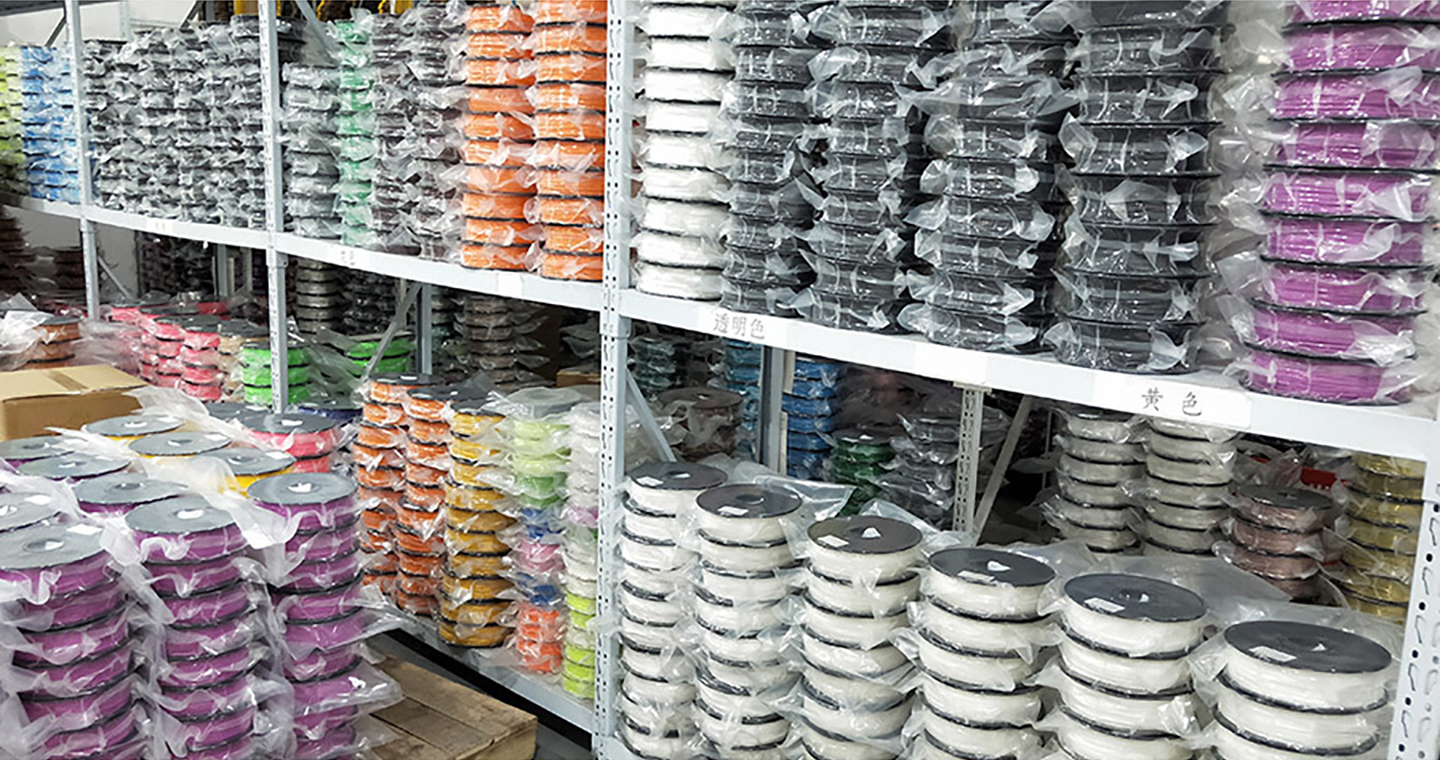
Final Inspection
After each batch of 3D filament is produced, two quality inspectors will conduct random inspections on each batch of finished products in accordance with the requirements of the standard, such as diameter tolerance, color consistency, strength and toughness and so on. After vacuuming the package, place them for 24 hours to check whether there is any leaking package, then label it and finish the package.
Our hermetically sealed aluminum and transparent polymer pouches are accompanied by high-capacity silica desiccants, assuring Japanese distributors and end-users of zero hygroscopic contamination during oceanic transit or shelf storage.
Application Focus: Where Japanese Industries Deploy ASA Filament
Delivering production-grade durability to rapid prototyping labs, industrial assembly lines, and commercial urban installations.
Automotive Styling & Prototyping
Engineering facilities across Aichi and Shizuoka utilize ASA for aerodynamic spoiler mockups, customized intake grilles, and sensor brackets. ASA exhibits superior matte surface finishes that simplify sanding, priming, and OEM automotive coating adhesion.
Maritime & Coastal Sensor Housings
With Japan's extensive coastline, sea-spray salinity poses immediate corrosion threats. ASA polymer enclosures house IoT water-quality sensors, harbor tracking buoys, and telemetry antennas without water absorption or salt-mist corrosion.
Smart City & 5G Base Stations
Telecommunications operators across Tokyo and Osaka rely on ASA for customized radomes and mounting fixtures on rooftop cellular repeaters, leveraging its dielectric stability and resistance to prolonged solar radiation degradation.
In addition to exterior durability, ASA offers distinct operational benefits inside Japanese manufacturing plants. Jigs, assembly fixtures, and quality control gauges subjected to high-intensity workshop lighting or direct window exposure do not suffer from the dimensional creep typically observed in PLA or standard PETG. When post-processed with acetone vapor smoothing, ASA achieves non-porous, glossy, airtight surfaces indistinguishable from mass-produced injection-molded parts, enabling Japanese short-run product developers to bypass expensive tooling cycles.
Industry Trends: The Next Decade of Additive Polymers in Japan
Aligning with Japan's "Society 5.0" vision, carbon neutrality targets, and decentralized production supply chains.
As the Japanese Ministry of Economy, Trade and Industry (METI) accelerates policies supporting digital transformation (DX) and sustainable industrial development, additive manufacturing materials are undergoing fundamental structural evolution:
1. Decentralized On-Demand Spare Parts Warehousing: Rather than maintaining centralized warehouses for legacy automotive and consumer electronic components, Japanese manufacturers are adopting digital CAD repositories. Industrial ASA filament provides the precise mechanical and weather-resistant properties required to produce direct replacement components on-site within hours, radically shrinking transportation footprints and storage overhead.
2. Composite Formulation & Reinforcement: Hybrid formulations blending ASA with short carbon fibers (CF-ASA) or micro-glass spheres are gaining rapid traction across Japanese aerospace and motorsport sectors. These composites increase tensile modulus beyond 6,000 MPa, eliminate thermal shrinkage during print deposition, and satisfy stringent lightweighting requirements for next-generation electric vehicles (EVs).
3. Flame Retardancy & Regulatory Compliance: Strict fire protection and safety regulations set forth by Japanese building codes (JIS standards) require materials deployed in public spaces and railway transit to exhibit self-extinguishing characteristics. Specialized flame-retardant ASA formulations complying with UL94 V-0 standards represent the newest frontier of additive industrial adoption.
4. Closed-Loop Recyclability: In synergy with Japan’s resource-circulation ethos, pure ASA spools avoid unbonded fillers, facilitating downstream mechanical recycling and circular regrind processing without compromising raw molecular chain integrity.
Comprehensive 3D Printing Materials Catalog
Discover our complete line of engineering-grade, functional, and decorative filaments manufactured to exacting international standards.
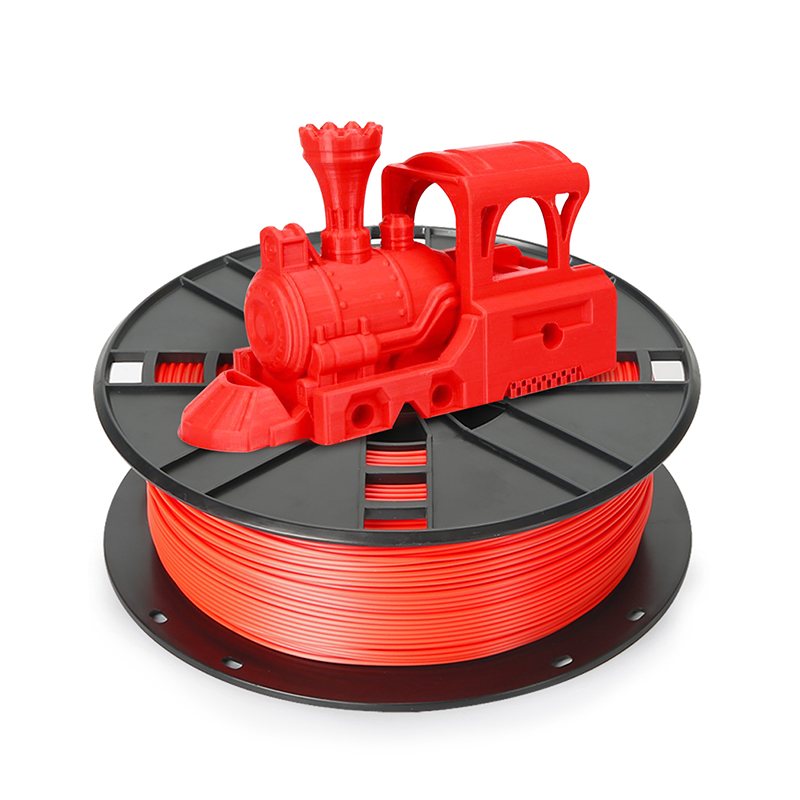
PLA plus Red PLA filament 3D printing materials
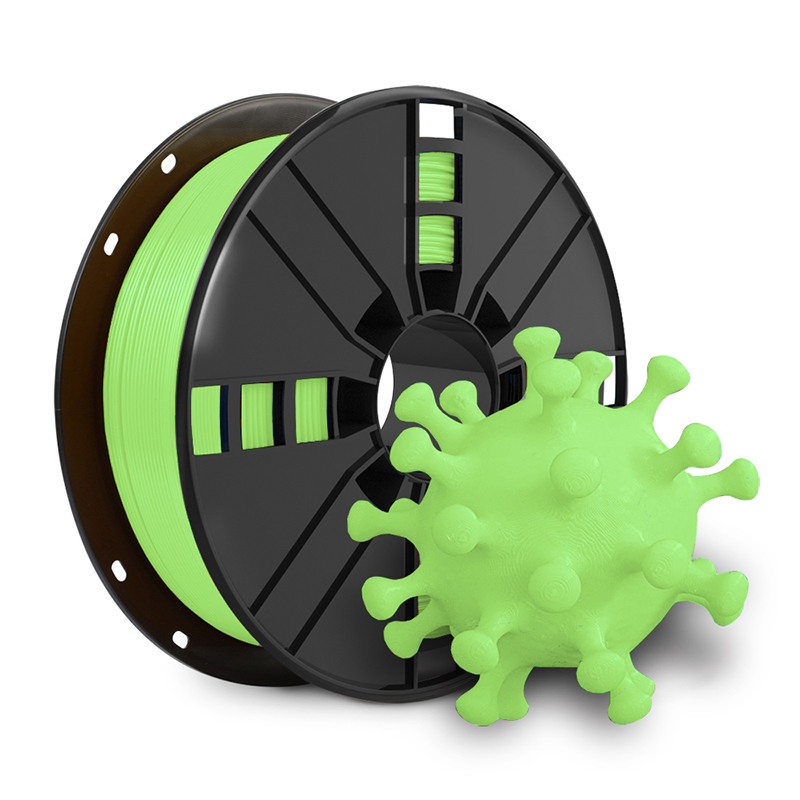
PLA filament Fluorescent Green
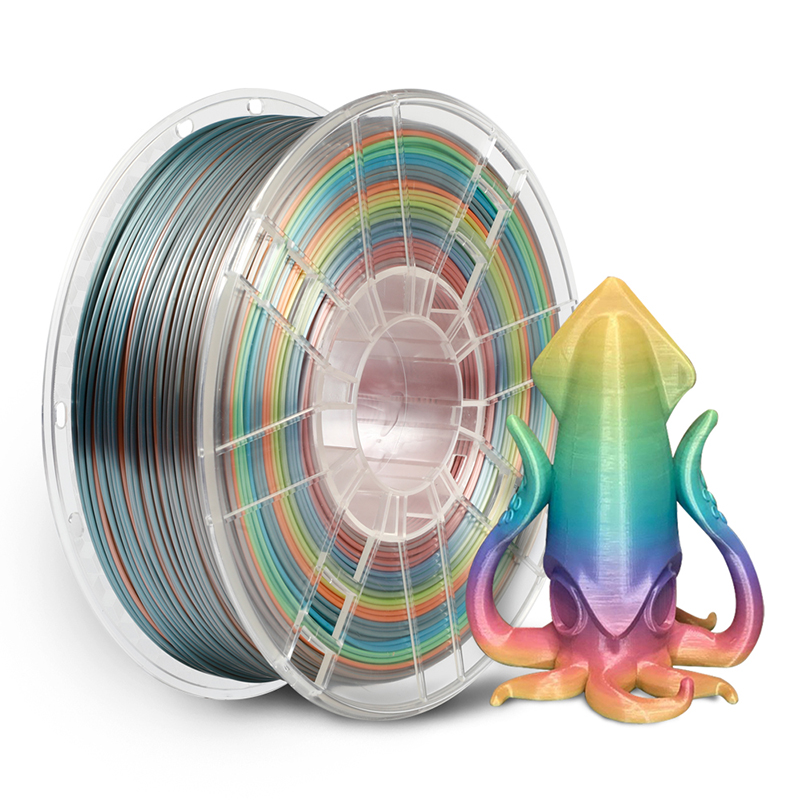
PLA Silky Rainbow filament 3D printer Filament
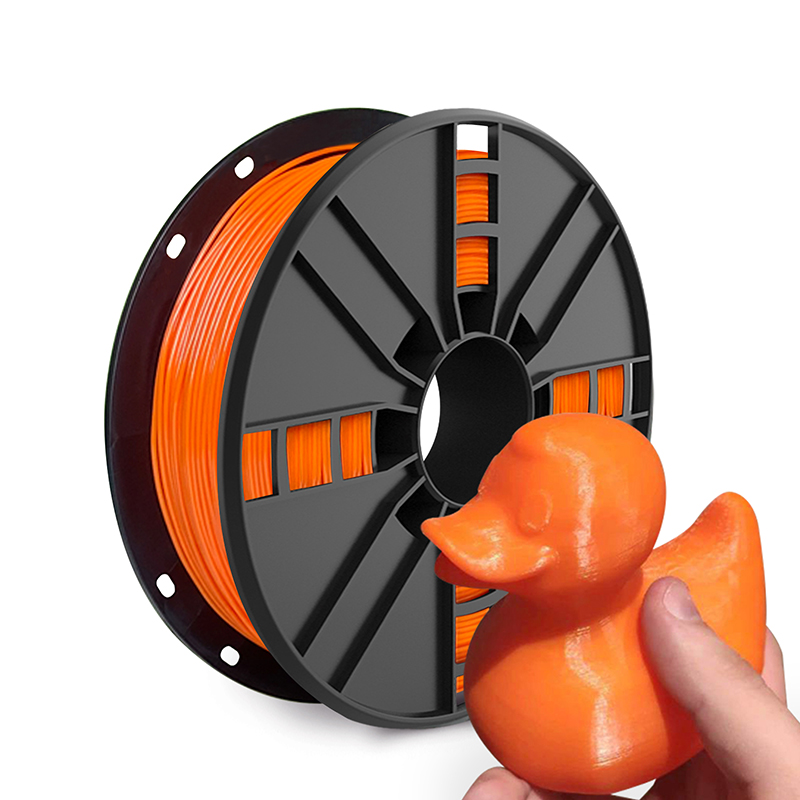
Orange TPU Filament 3D printing materials
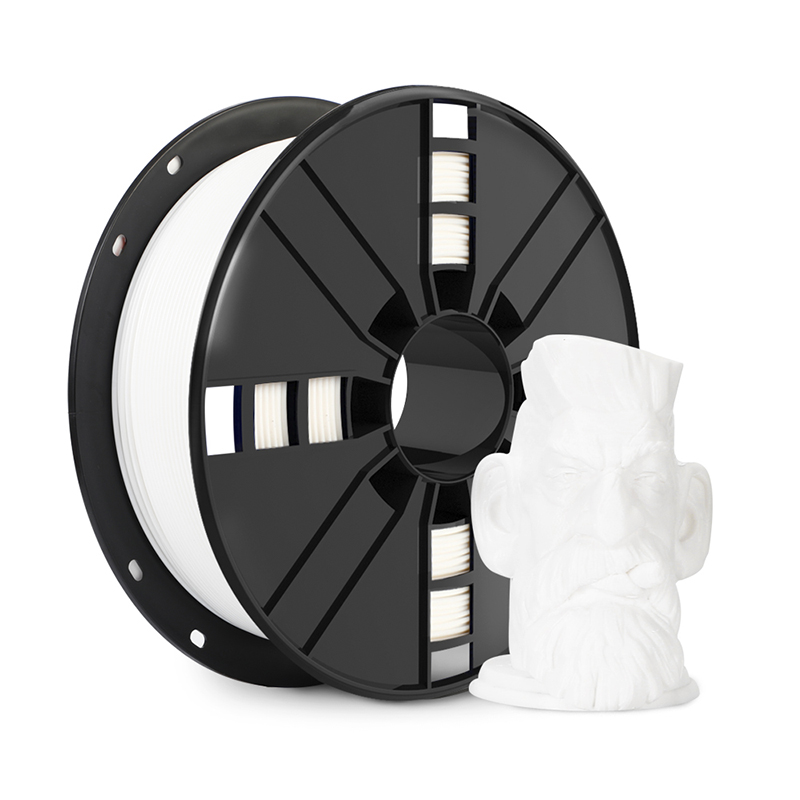
PLA+ filament for 3D printing
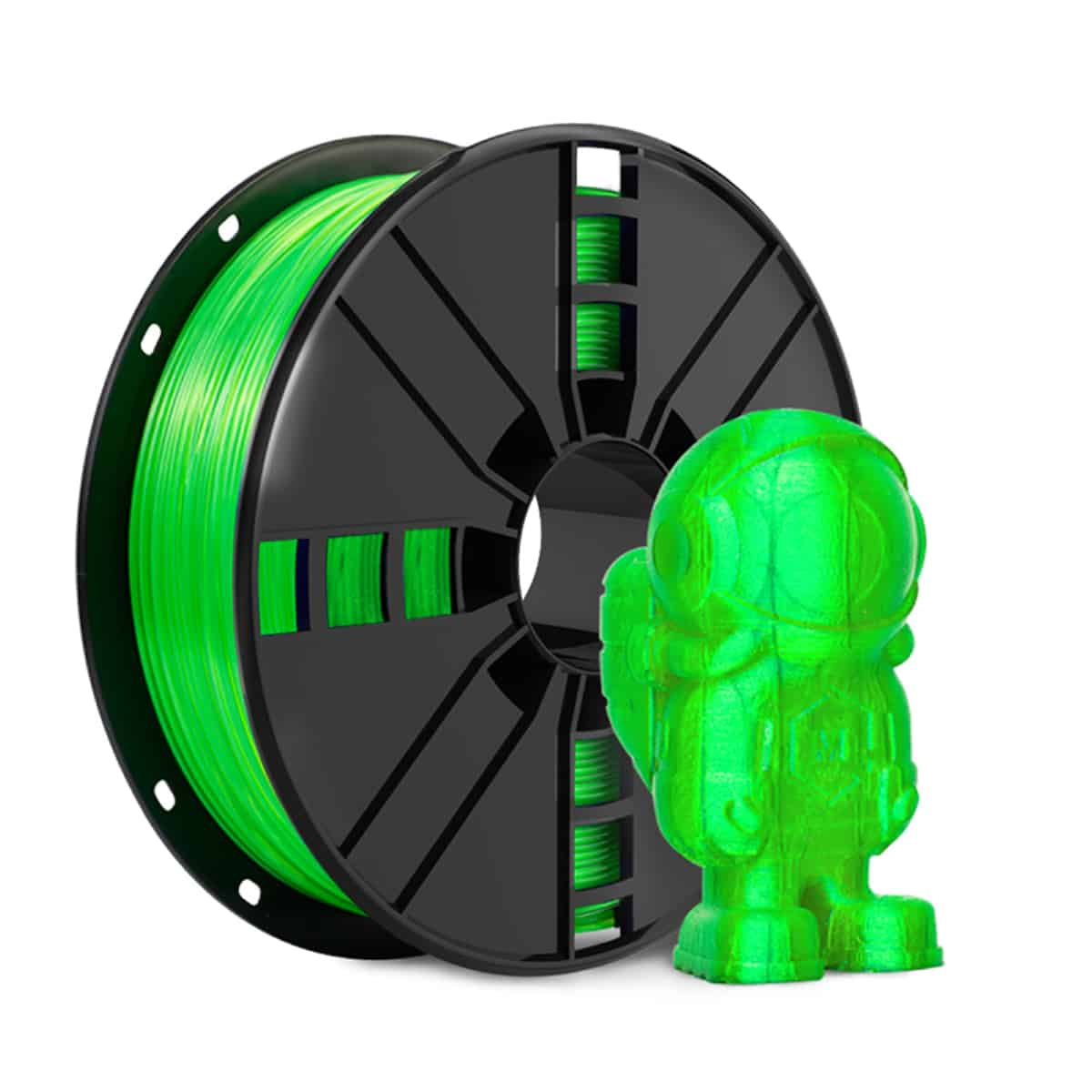
Green 3D filament PETG for FDM 3D printers
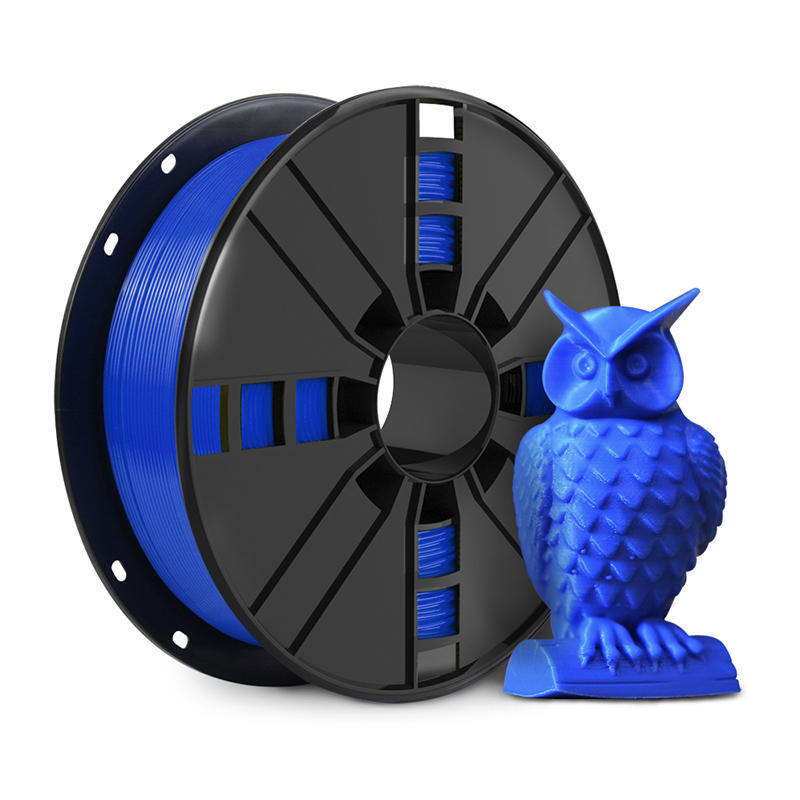
1.75mm PLA filament blue color
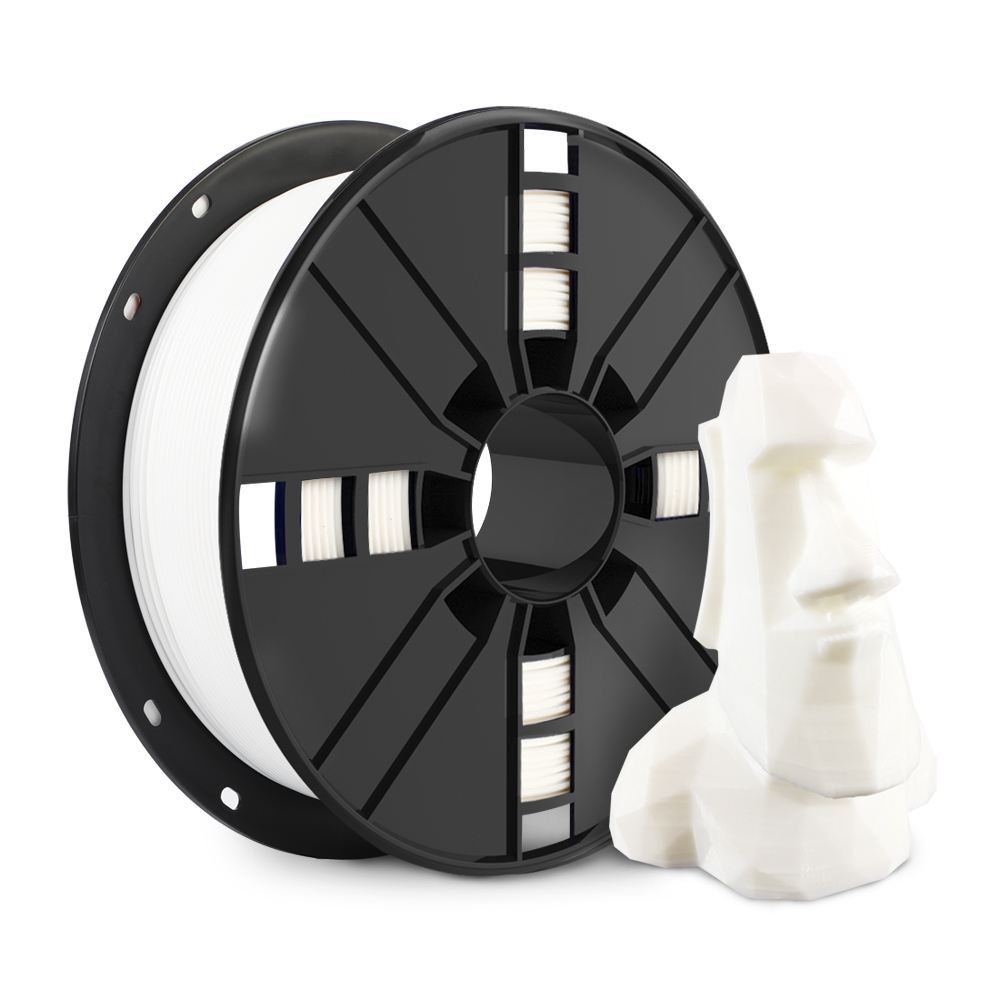
PLA filament white for 3D printing
Frequently Asked Questions: Technical & Sourcing Guide
Detailed parameters and best practices for production engineers, procurement officers, and additive specialists in Japan.
What are the critical printing parameters for processing ASA filament reliably?
For optimum inter-layer fusion and reduced internal stress, we recommend an extrusion nozzle temperature of 240°C to 260°C, a heated print bed set between 90°C and 110°C, and an enclosed chamber temperature maintained between 40°C and 60°C. Part cooling fans should generally be deactivated or limited to 10-20% for extreme overhangs to eliminate premature thermal delamination.
Why do Japanese automotive tiers prefer ASA over standard ABS?
ABS breaks down when subjected to natural UV radiation because its butadiene component contains reactive carbon-carbon double bonds susceptible to photo-oxidation. ASA replaces butadiene with a saturated acrylic ester elastomer, preserving color fastness, gloss level, and mechanical impact strength across thousands of hours of outdoor exposure without requiring secondary UV protective paints.
How do your manufacturing facilities maintain the ±0.02mm diameter tolerance?
Our production lines integrate dual-axis laser telemetric micrometers paired with closed-loop servo feedback motors. If the strand diameter drifts beyond 0.015mm from nominal dimensions, the haul-off speed is instantly and automatically corrected. Furthermore, cross-checks of hopper dryer humidity and multi-zone melt temperatures prevent viscosity drift during 24-hour continuous extrusion cycles.
What OEM, ODM, and custom color-matching services are available for Japan?
We provide full OEM spooled production, including custom spool sizing, custom branding, biodegradable spool materials, and precise color matching calibrated against Japanese Industrial Standards (JIS), RAL, or Pantone color swatches. Samples for mechanical testing and spectrophotometric validation can be dispatched rapidly to testing centers across Japan.