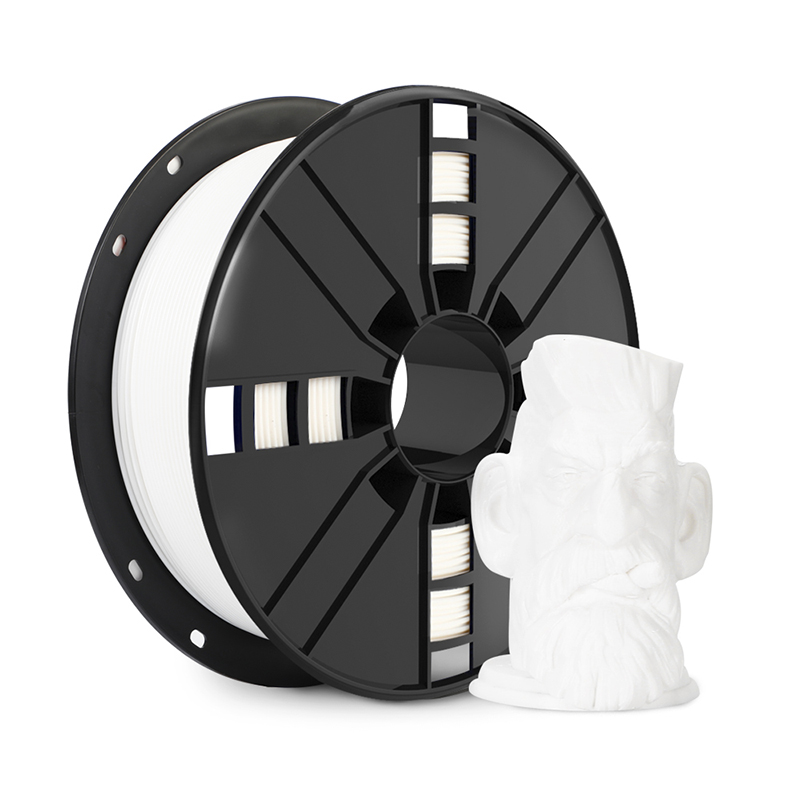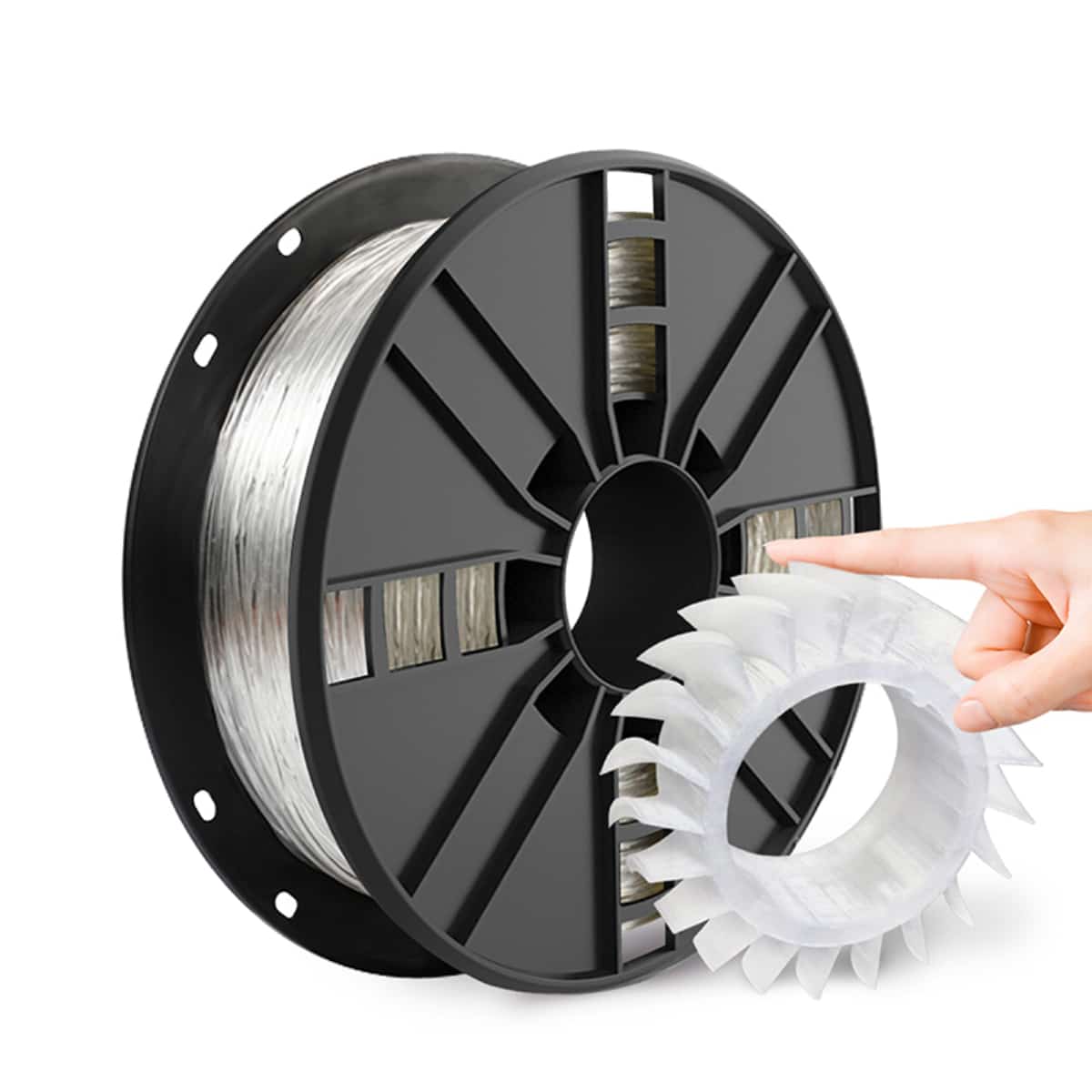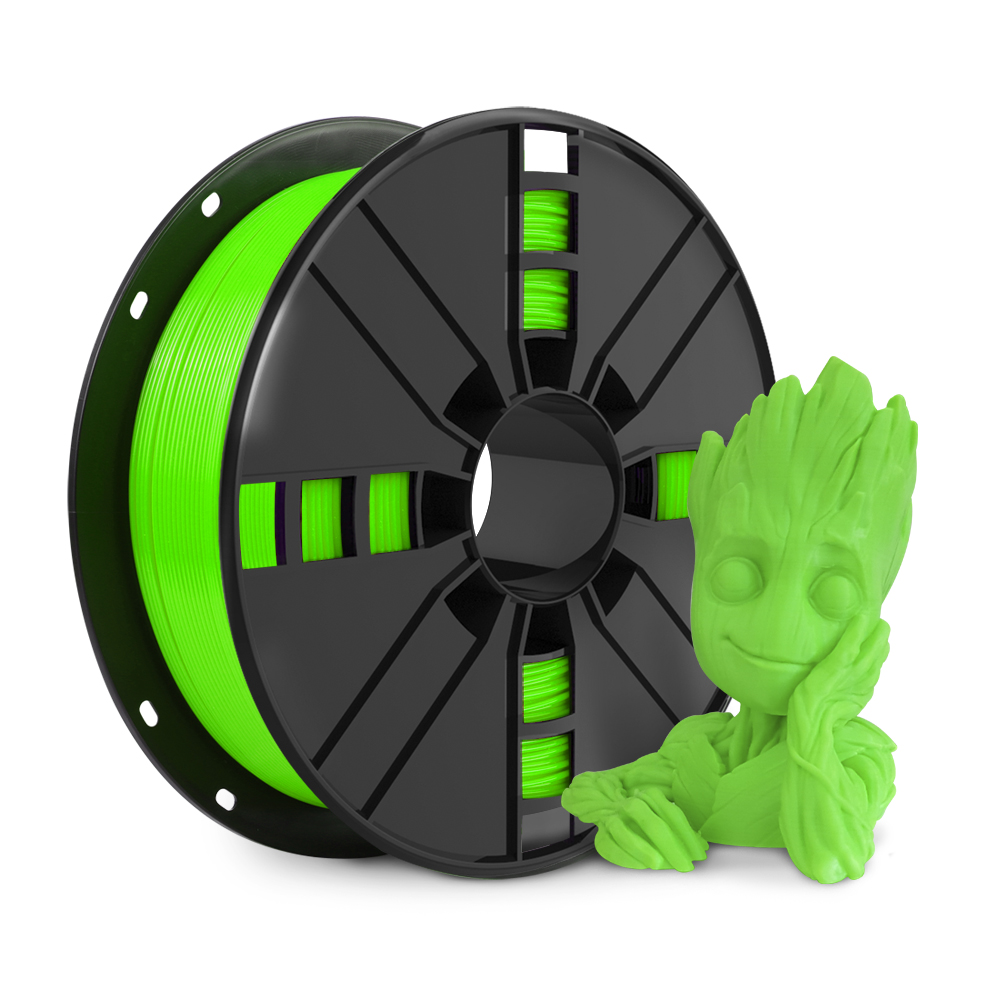
Featured High-Performance 3D Filaments
Engineered for industrial structural stiffness, thermal resistance, and seamless FDM/FFF printing reliability across global production lines.
The United States Carbon Fiber Filament Industry
The manufacturing infrastructure in the United States is experiencing an accelerated transition toward lightweighting, high strength-to-weight optimization, and rapid tooling via composite additive manufacturing. Carbon fiber filament manufacturers and extrusion factories across North America are at the forefront of providing mission-critical materials to sectors such as commercial aviation, defense contracting, space exploration, and electric mobility.
By blending micro-carbon fibers into performance matrices such as PLA, PETG, ABS, and PA (Nylon), our carbon fiber composite filaments eliminate structural deflection while providing an exceptionally high modulus of elasticity. As American manufacturing reshores critical supply chains, composite 3D printing serves as a cornerstone for on-demand jigs, fixtures, end-use brackets, and functional prototyping.
Why Carbon Fiber Reinforcement Matters
Carbon fiber infuses conventional thermoplastics with exceptional tensile strength, minimizes shrinkage, prevents edge-warping during rapid cooling, and leaves an aesthetically pleasing matte industrial finish that hides layer lines completely.
Zero Thermal Warping & Enhanced Rigidity
High thermal stability allows engineers in aerospace and robotics to produce load-bearing brackets and functional end-use prototypes with strict geometric accuracy.
Advanced Engineering & Local Applications
How carbon fiber composite manufacturing drives next-generation performance in North American industrial hubs.
Aerospace & Defense
Lightweight carbon composite parts replace machined aluminum in custom ducting, sensor housings, drone airframes, and functional avionics enclosures across California, Washington, and Texas aerospace clusters.
Automotive & EV Tooling
Automakers in Michigan, Ohio, and the Midwest deploy carbon fiber PETG/PLA for custom assembly fixtures, robotic end-of-arm tooling (EOAT), and custom intake manifolds capable of withstanding heavy vibration.
Industrial Robotics
Lower rotational mass on robotic arms directly enhances operational speeds and decreases motor fatigue. Carbon fiber components deliver rigid support with sub-millimeter repeatable accuracy.
Medical & Prosthetics
Custom orthotics and prosthetic structural components benefit from exceptional fatigue resistance, ergonomic lightweight properties, and biocompatible base polymer matrices.
High-Speed FDM Compatibility
Formulated with premium melt flow index (MFI) characteristics, enabling modern high-speed CoreXY 3D printers to operate at 300-600 mm/s without sacrificing layer adhesion or structural integrity.
Superior Surface Finish
The natural light-scattering properties of chopped carbon fibers produce a sleek, non-reflective matte finish that eliminates visible layer lines for production-ready consumer products.
Rigorous Manufacturing & Factory Standards
Every spool of filament is extruded under strict ISO45001 management, premium virgin polymer sourcing, and multi-axis laser diameter monitoring.
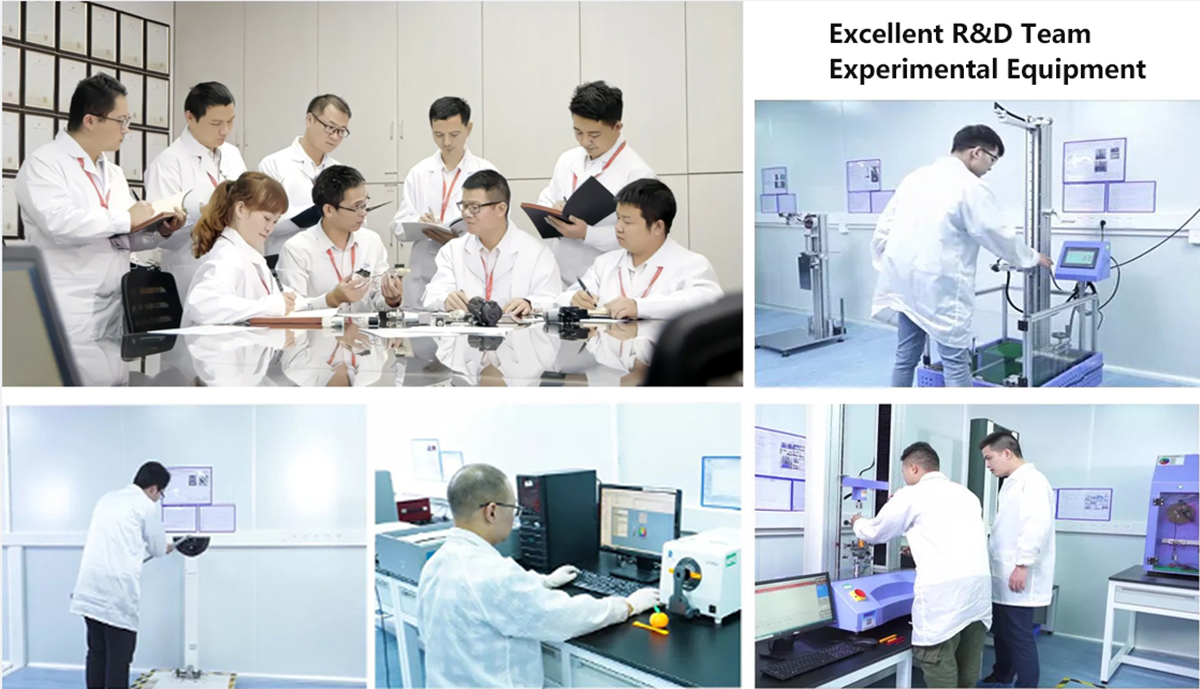
Quality Control
The factory area has passed ISO45001 occupational health and safety management system certification. Every new employee must be experienced one week of safety production knowledge teaching and two weeks of produce skills training, and master every course in the production process. Who is in the position will be responsible for its duty.
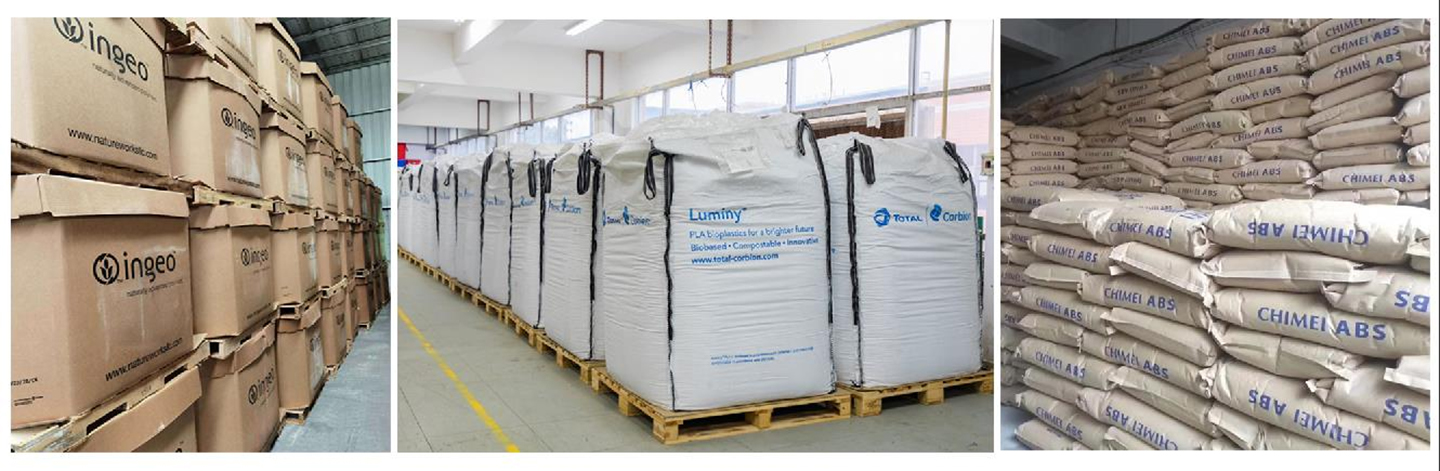
Raw Material
PLA is the most preferred material for 3D printing, Torwell firstly chooses PLA from US NatureWorks, and Total-Corbion is the alternative. ABS from TaiWan ChiMei, PETG from South Korea SK. Each batch of main raw materials comes from the partners who has cooperated more than 5 years to ensure the reliability of the products from the source. Each batch of raw materials will undergo parameters inspection before produce to ensure that raw materials are original and virginal.
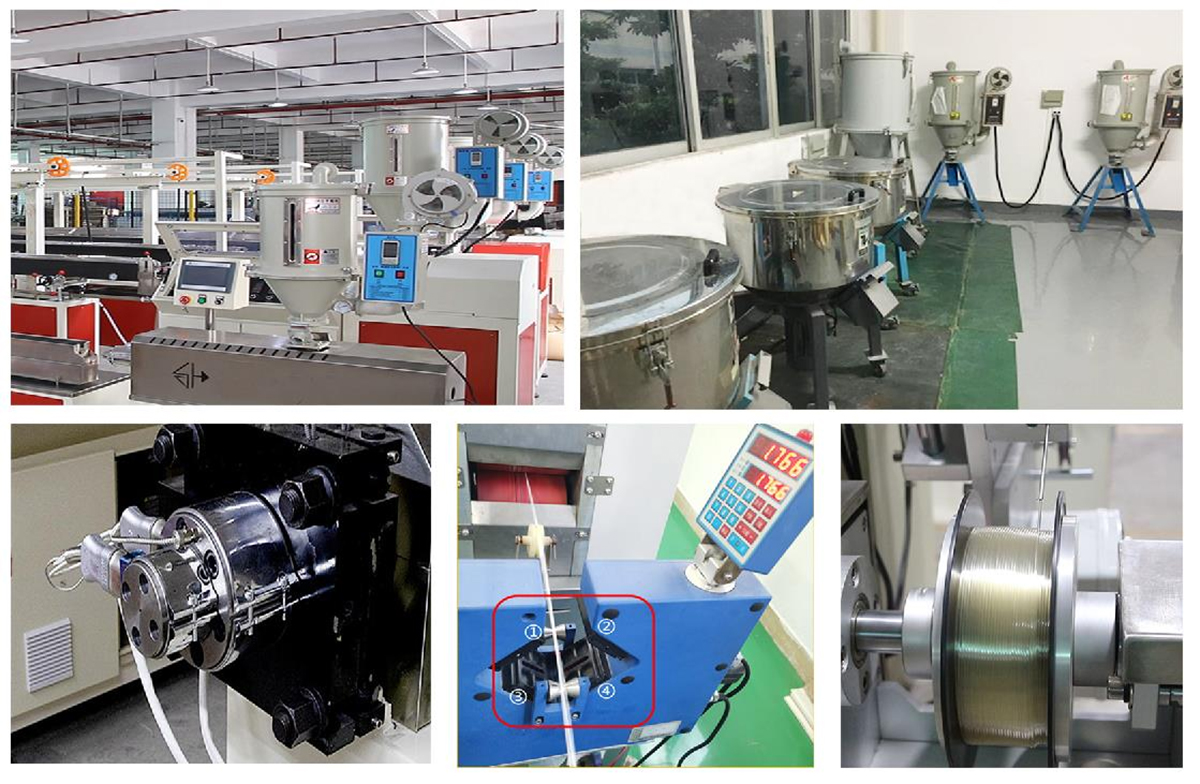
Equipment
The manufacturing workshop will make arrangements after the inspection of raw materials, at least two engineers cross-check the clearance of mixing tank, color mixed of material, humidity from hopper dryer, temperature of extruder, hot/cool tank, and trial-produce and debugging the produce line to make sure all of processes in the best condition. Maintain the filament Diameter tolerance +/- 0.02mm, Roundness tolerance +/- 0.02mm.
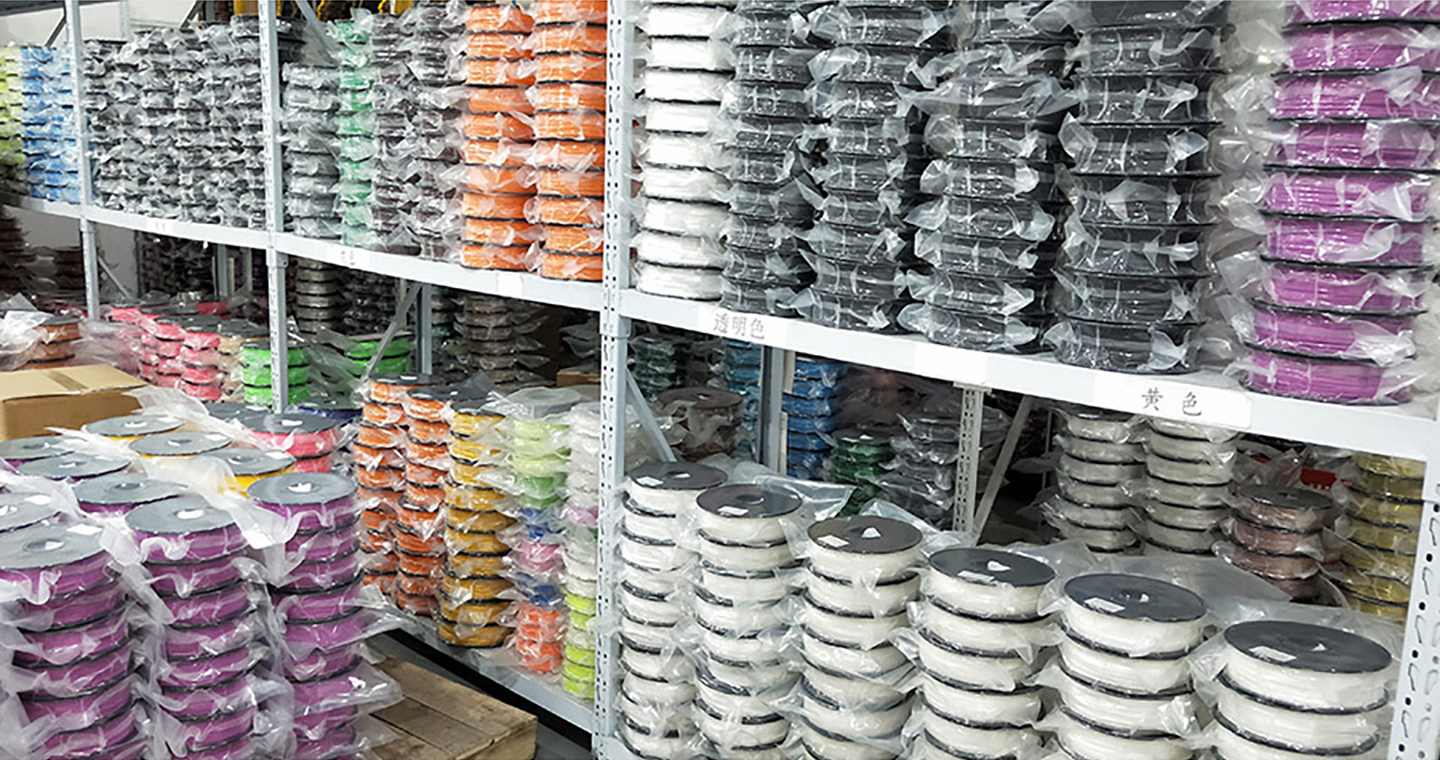
Final Inspection
After each batch of 3D filament is produced, two quality inspectors will conduct random inspections on each batch of finished products in accordance with the requirements of the standard, such as diameter tolerance, color consistency, strength and toughness and so on. After vacuuming the package, place them for 24 hours to check whether there is any leaking package, then label it and finish the package.
Material Performance Matrix
Engineered technical parameters formulated for mission-critical mechanical reliability.
| Filament Type | Tensile Strength (MPa) | Flexural Modulus (MPa) | Heat Deflection Temp (HDT @ 0.45MPa) | Key Industrial Applications |
|---|---|---|---|---|
| Torwell PLA-CF (Carbon Fiber) | 65 - 72 | 4,500 - 5,200 | 62°C | Lightweight Drones, Electronic Enclosures, Rapid Jigs |
| PETG-CF (Carbon Fiber) | 58 - 66 | 3,800 - 4,400 | 78°C | Chemical Fixtures, Water Sports, Impact Tooling |
| ASA UV-Stable | 45 - 52 | 2,300 - 2,800 | 95°C | Outdoor Automotive Trim, Sensor Housing, Marine Parts |
| Standard PLA+ / Tough PLA | 55 - 60 | 2,800 - 3,200 | 58°C | Architectural Prototyping, Display Models, Consumer Goods |
| Industrial TPU (Flexible) | 35 - 42 | N/A (Shore 95A) | 60°C | Gaskets, Vibration Dampeners, Flexible Grippers |
Future Industry Trends in the US 3D Printing Market
As additive manufacturing shifts from rapid prototyping to end-use series manufacturing, high-performance carbon-reinforced polymers are leading the market expansion. Emerging trends in the United States point toward widespread adoption of continuous fiber integration, closed-loop recycled carbon fiber recovery, and automated high-output robotic extrusion cells. Our manufacturing processes continually evolve to support these demands, integrating AI-monitored extrusion lines, real-time laser feedback loops, and ultra-dry nitrogen packaging to ensure factory-fresh spool performance right out of the box.
Whether you are an enterprise manufacturer scaling an internal print farm, an aerospace subcontractor fulfilling specialized defense contracts, or an OEM brand seeking custom formulation and private-label contract manufacturing, our global production lines and domestic supply chain solutions deliver unmatched consistency, certified material traceability, and prompt logistics support across all 50 states.
Full Range of Industrial & Engineering 3D Filaments
Explore our complete catalog of certified filaments, from carbon fiber composites to weather-resistant ASA and flexible elastomers.