
High-Performance Industrial Filaments for Enclosure Prototyping
Explore our top-tier flexible elastomers and rigid structural polymers optimized for tight-tolerance additive manufacturing and harsh environment prototyping.
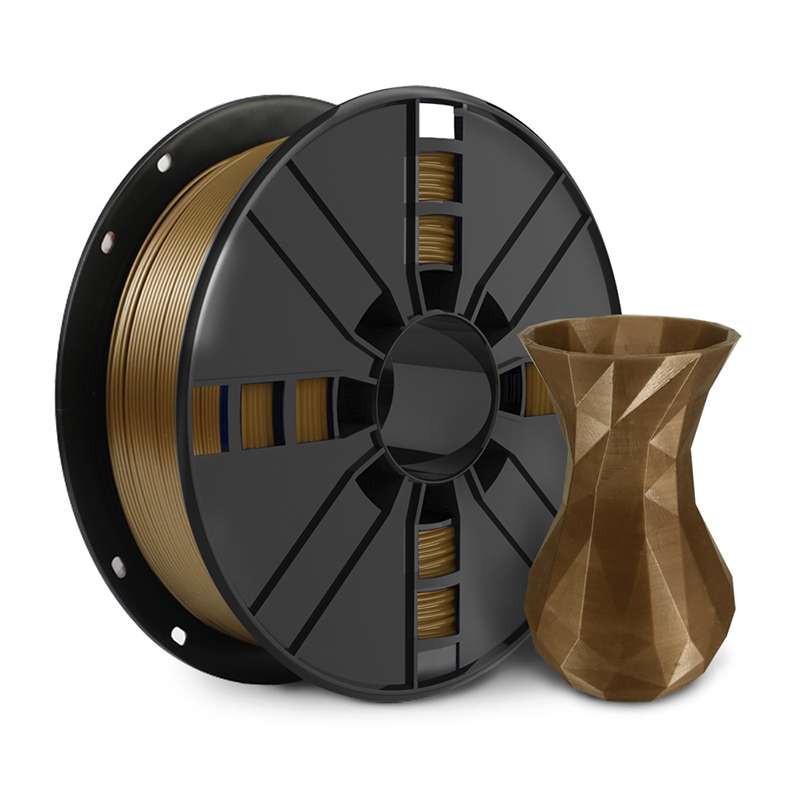
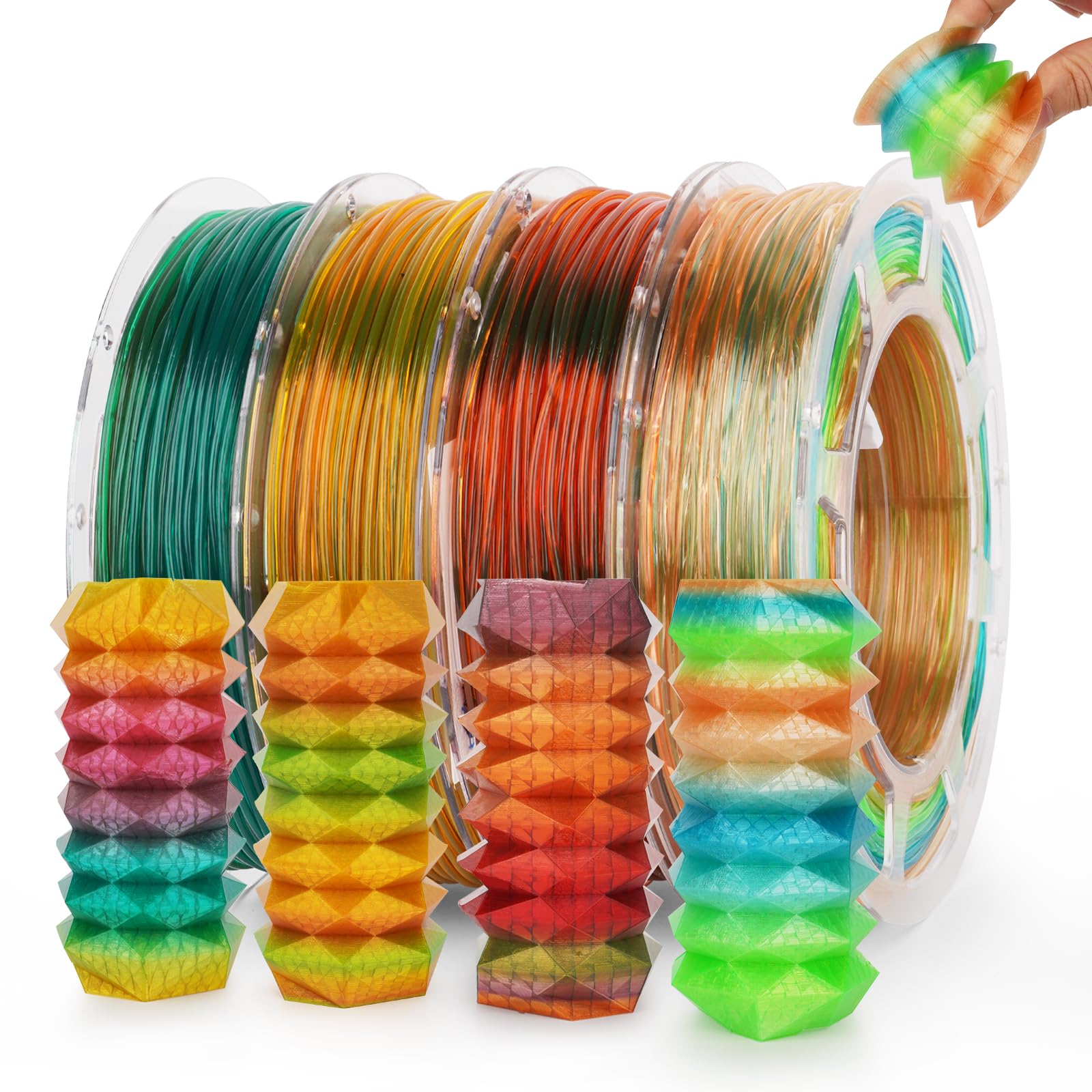
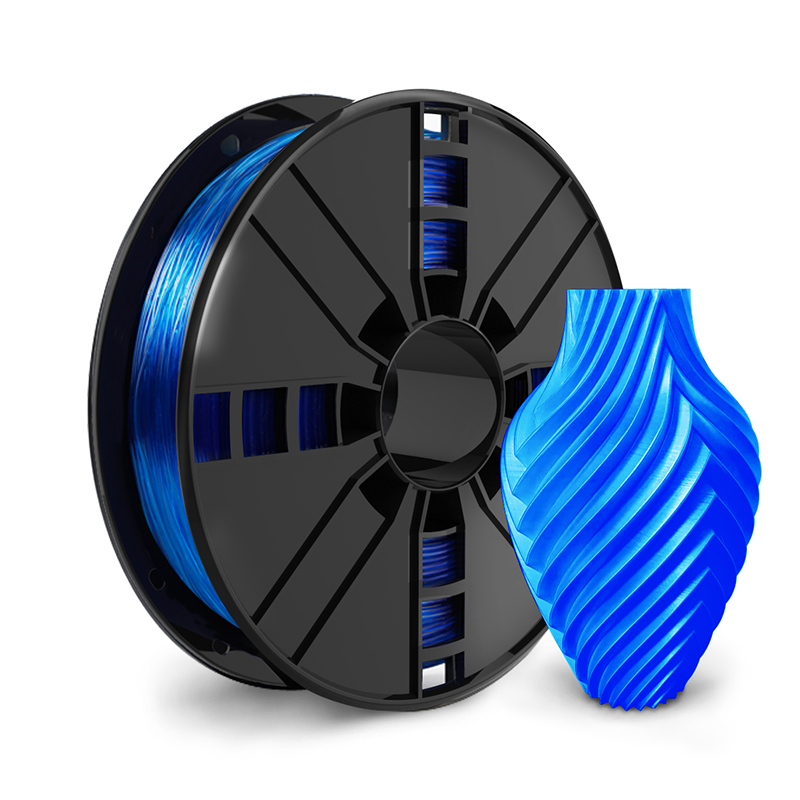
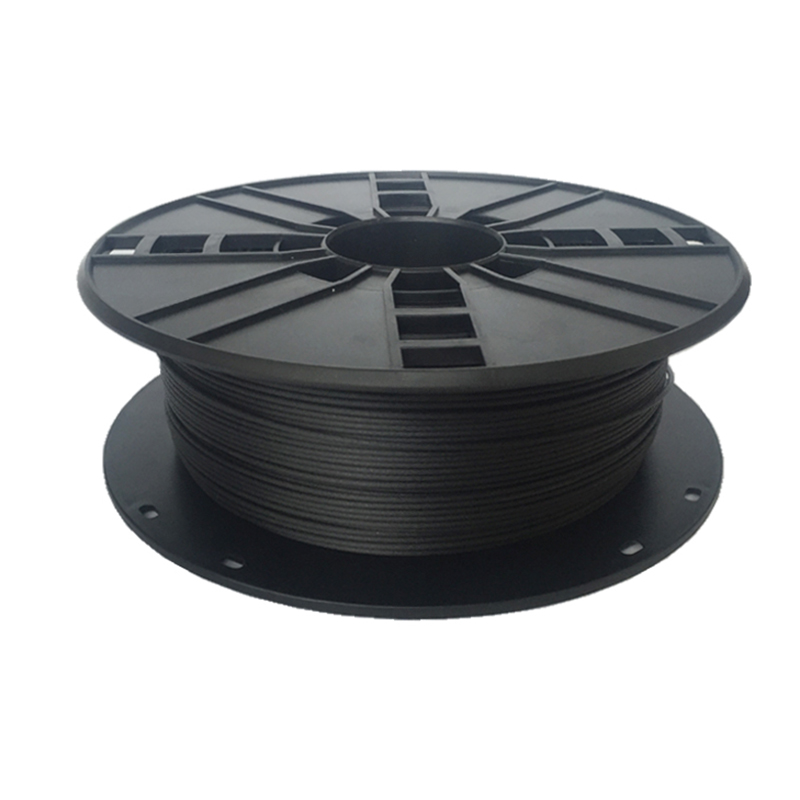
The Critical Role of Flexible TPU in Modern Outdoor Electronic Enclosures
Transforming edge computing, smart agriculture, telecommunications, and industrial IoT housings with precision elastomeric additive manufacturing.
The rapid proliferation of edge computing devices, smart grid remote terminal units (RTUs), environmental monitoring stations, and municipal IoT sensors has dramatically accelerated the demand for ruggedized, weather-resistant electronic enclosures. In the past, hardware developers and enclosure engineers relied on multi-step prototyping techniques involving aluminum CNC milling, silicone mold casting, or rigid injection-molded plastics assembled with separate rubber O-rings. However, standard rigid materials like unmodified ABS or PLA inevitably fail when subjected to long-term environmental degradation, cyclic thermal shock, micro-vibrations, and ultraviolet (UV) radiation.
Thermoplastic Polyurethane (TPU) filament has emerged as a groundbreaking additive manufacturing solution that bridges the physical divide between structural rigidity and rubber-like flexibility. Formulated with alternating block copolymers of hard segments (diisocyanates) and soft polyol segments, flexible TPU filament allows engineers to 3D print monolithic enclosures with integrated elastomeric gaskets, custom grommets, shock-absorbing perimeter bumpers, and watertight cable glands directly on the build plate without auxiliary tooling costs.
IP67/IP68 Hermetic Sealing
Interlayer molecular fusion delivers watertight seals and integrated compressive gaskets, preventing water vapor and dust ingress under extreme rainfall and hydrostatic pressure.
UV & Ozone Degradation Resistance
Ether-based and specialized ester-based TPU chemistries resist photolytic yellowing, embrittlement, and surface micro-cracking caused by continuous solar radiation.
Dynamic Damping & Impact Dissipation
Exceptional high-energy absorption protects sensitive internal printed circuit boards (PCBs) and optical components against mechanical shock, wind gusts, and dropped impacts.
Shore Hardness, Hydrolytic Stability, and Environmental Physics
An engineering breakdown of why Shore 95A flexible TPU is the international gold standard for rugged outdoor electronics enclosures.
Optimizing Durometer: Shore 95A for Structural Rigidity and Elastomeric Resilience
When fabricating outdoor electronic enclosures, selecting the correct durometer is paramount. Ultra-soft TPUs (Shore 60A - 80A) excel at purely flexible membranes or bellows, but lack the structural modulus required to maintain internal component clearances and resist deformation under mechanical mounting loads. Conversely, rigid thermoplastics like PLA or standard PETG lack the elastic elongation needed for hermetic gasket compression.
Shore 95A flexible TPU represents the optimal industrial balance. With a tensile strength often exceeding 40 to 50 MPa and ultimate elongation values ranging from 450% to 550%, Shore 95A provides sufficient rigidity to maintain structural enclosure geometry, mount brass heat-set threaded inserts, and support PCB standoffs, while maintaining enough elasticity to absorb severe mechanical shocks and create hermetic compression seals when torqued down with stainless steel fasteners.
| Material Property | Standard Flexible TPU (95A) | Standard Rigid PLA | Engineering ABS | Outdoor Performance Advantage |
|---|---|---|---|---|
| Elongation at Break | 480% - 550% | 4% - 8% | 15% - 25% | Resists brittle shattering under thermal expansion & dropped impacts |
| UV Radiation Resistance | High (Aliphatic/Ether-grade) | Poor (Degrades / Yellows) | Poor (Requires UV stabilizers) | Eliminates polymer chain scission over multi-year solar exposure |
| Hydrolytic Stability | Superior (Ether-based) | Degrades in humidity | Moderate | Prevents moisture-induced microcracks in high-humidity tropics |
| Operating Temperature Range | -40°C to +85°C | -10°C to +50°C | -20°C to +80°C | Maintains ductile elasticity in extreme sub-zero winter conditions |
| Layer-to-Layer Bonding Strength | Exceptional (Near-Isotropic) | Anisotropic / Moderate | Moderate / Prone to delam | Creates pressure-tight hermetic seals against driving rain |
Thermal Dynamics and Sub-Zero Flexibility
Outdoor enclosures deployed in alpine, polar, or desert environments endure violent thermal cycling. In desert environments, enclosure surface temperatures can surpass 70°C under direct solar irradiance, while winter nights can drop ambient temperatures below -30°C. Standard rigid plastics exhibit severe glass transition embrittlement at sub-zero temperatures, causing snap-fit latches and fastener flanges to fracture spontaneously.
Flexible TPU maintains its glass transition point (Tg) well below -40°C. This ensures that rubberized grommets, antenna boots, button covers, and seal rings remain completely ductile and elastic regardless of ambient freezing. Furthermore, the viscoelastic damping properties of TPU actively attenuate high-frequency harmonics generated by industrial wind turbines, vehicular engine bays, or heavy industrial machinery.
Deep-Dive Application Scenarios in Modern Industry
From smart agricultural LoRaWAN sensors to maritime marine electronics, flexible TPU enables revolutionary engineering designs.
1. Smart Agriculture & Remote Soil Telemetry Nodes
Precision agriculture relies on autonomous soil probe nodes, micro-climate weather loggers, and automated irrigation controllers scattered across vast rural acreage. These devices face constant exposure to chemical fertilizers, pesticides, agricultural machinery vibrations, and torrential downpours. By additive manufacturing enclosures out of UV-stabilized Shore 95A TPU, agritech engineers manufacture field-deployable housings that feature integral snap-on probe strain reliefs and pliable o-ring seals. TPU's natural resistance to dilute acids, oils, and agrochemicals ensures multi-season sensor survivability.
2. 5G Micro-Cell Repeaters & Urban Infrastructure Edge Nodes
Urban small-cell telecom repeaters and smart city traffic analysis cameras must withstand traffic pollution, diesel exhaust, ozone, and persistent solar UV exposure. Flexible TPU enables the rapid production of custom aerodynamic junction box boots, coaxial antenna seals, and anti-tamper shock shields. The high dielectric strength of TPU prevents signal grounding issues, providing galvanic isolation for high-frequency radio frequency (RF) assemblies.
3. Marine & Coastal Telemetry Enclosures
Salt-spray corrosion is the primary nemesis of marine electronics. Traditional metallic enclosures pit and corrode over time, while standard plastics turn brittle from salt encrustation and continuous UV exposure. Ether-grade flexible TPU filaments demonstrate exceptional salt-fog resistance and hydrolytic resilience. Additively manufactured marine buoys, acoustic transducer mounts, and coastal wave telemetry housings printed with high infill density eliminate osmotic blistering and moisture penetration.
Enterprise Production Standards & Quality Verification
Behind every high-performance spool is a rigorous, certified manufacturing pipeline engineered for exact dimensional precision.
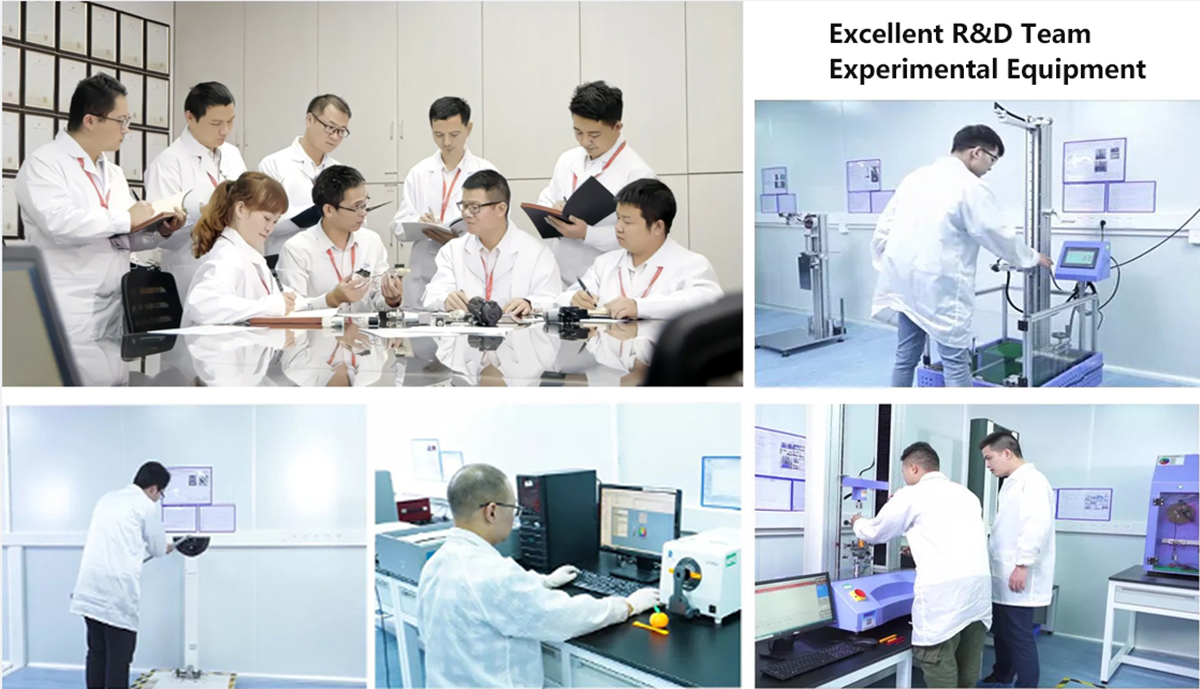
Quality Control
The factory area has passed ISO45001 occupational health and safety management system certification. Every new employee must be experienced one week of safety production knowledge teaching and two weeks of produce skills training, and master every course in the production process. Who is in the position will be responsible for its duty.
For demanding flexible TPU formulations, standard operating procedures ensure that drying protocols, polymer crosslinking verification, and spooling tension are monitored continuously, eliminating ovality deviations and internal voids.
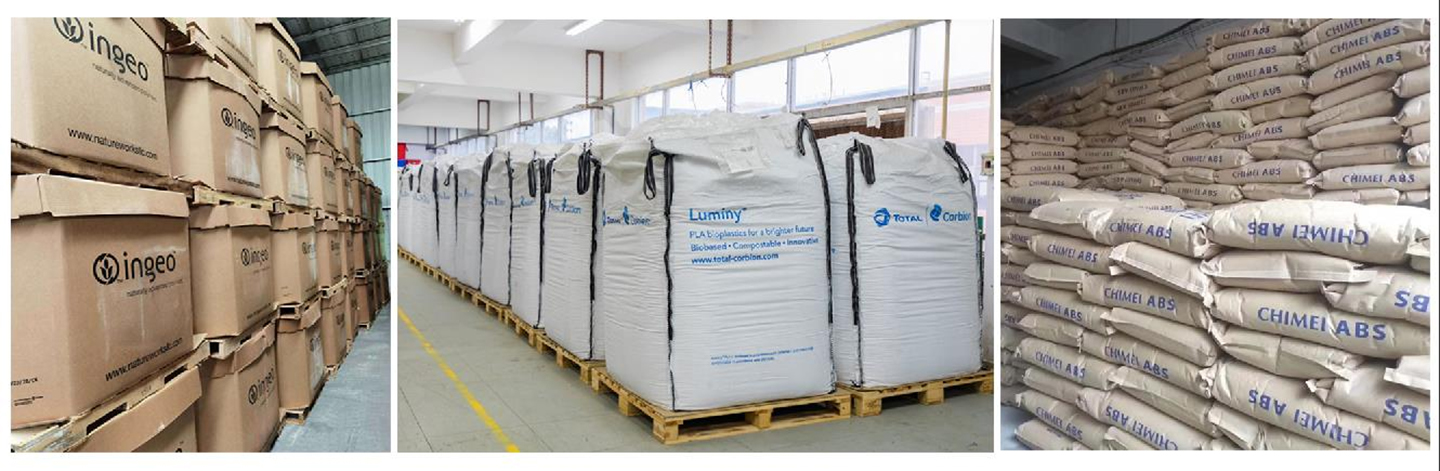
Raw Material
PLA is the most preferred material for 3D printing, Torwell firstly chooses PLA from US NatureWorks, and Total-Corbion is the alternative. ABS from TaiWan ChiMei, PETG from South Korea SK. Each batch of main raw materials comes from the partners who has cooperated more than 5 years to ensure the reliability of the products from the source. Each batch of raw materials will undergo parameters inspection before produce to ensure that raw materials are original and virginal.
All elastomeric TPU pellets are sourced from globally recognized chemical suppliers, ensuring batch-to-batch polymer melt flow index (MFI) stability and zero contaminated regrind.
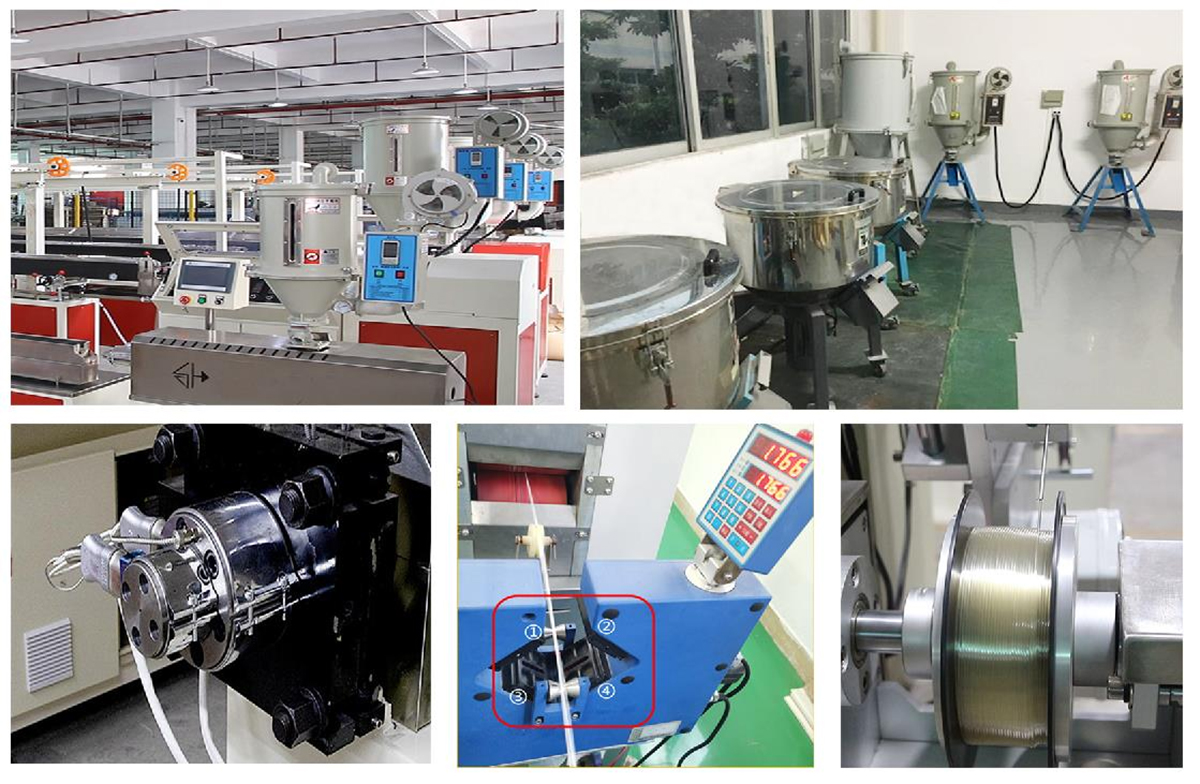
Equipment
The manufacturing workshop will make arrangements after the inspection of raw materials, at least two engineers cross-check the clearance of mixing tank, color mixed of material, humidity from hopper dryer, temperature of extruder, hot/cool tank, and trial-produce and debugging the produce line to make sure all of processes in the best condition. Maintain the filament Diameter tolerance +/- 0.02mm, Roundness tolerance +/- 0.02mm.
Laser micrometer feedback loops continuously adjust the line puller speed to guarantee that flexible TPU filaments maintain uniform circular cross-sections, preventing feed jams in direct-drive extruders.
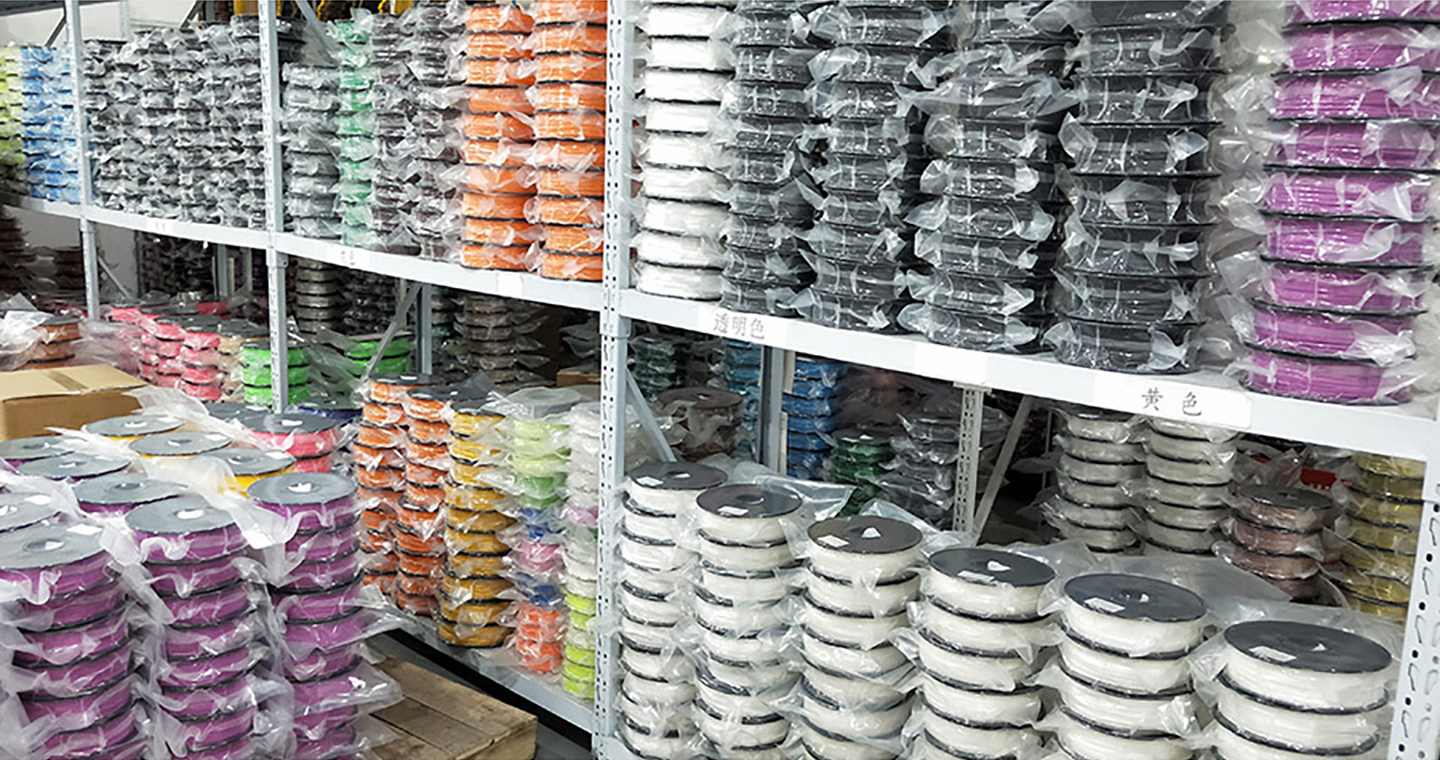
Final Inspection
After each batch of 3D filament is produced, two quality inspectors will conduct random inspections on each batch of finished products in accordance with the requirements of the standard, such as diameter tolerance, color consistency, strength and toughness and so on. After vacuuming the package, place them for 24 hours to check whether there is any leaking package, then label it and finish the package.
Desiccant sachets and multilayer moisture-barrier foil bags protect hygroscopic TPU filaments from ambient humidity during global shipping and warehousing.
Engineering Best Practices for 3D Printing Watertight TPU Enclosures
Parametric slicing guidelines to achieve optimal interlayer lamination, zero pinholes, and maximum ingress protection.
1. Extruder Configuration & Retraction Calibration
Because TPU is an elastic polymer, utilizing a direct-drive extrusion system with a constrained filament path is strongly recommended. For Bowden setups, ensure low-friction PTFE tubing is used. Extrusion temperatures should typically be maintained between 215°C and 235°C depending on print speed. Slightly increasing the nozzle temperature by 5°C beyond standard settings improves the thermal welding between successive layer lines, creating an impervious barrier against pressurized moisture.
2. Perimeter Overlap and Infill Optimization
To achieve IP67-rated waterproof enclosures without secondary resin coating, slicer parameters should be configured with a minimum of 4 to 5 continuous perimeters (wall thickness >= 2.0 mm). Increasing perimeter overlap to 25% - 30% forces molten TPU into microscopic layer gaps, eliminating capillary pathways that could otherwise siphon water through hydrostatic action. Infill should be set to concentric or gyroid patterns at 40% to 100% density for maximum mechanical impact dampening.
3. Moisture Control & Pre-Print Dehumidification
Thermoplastic Polyurethane is inherently hygroscopic. Water molecules absorbed from ambient air vaporize inside the hotend, resulting in micro-cavitation, surface bubbling, stringing, and degraded interlayer bonding. Flexible TPU filament should be thoroughly dried in a dedicated desiccant or convective dryer at 60°C to 65°C for 4 to 6 hours prior to printing, and fed from a sealed dry box during prolonged multi-day production runs.
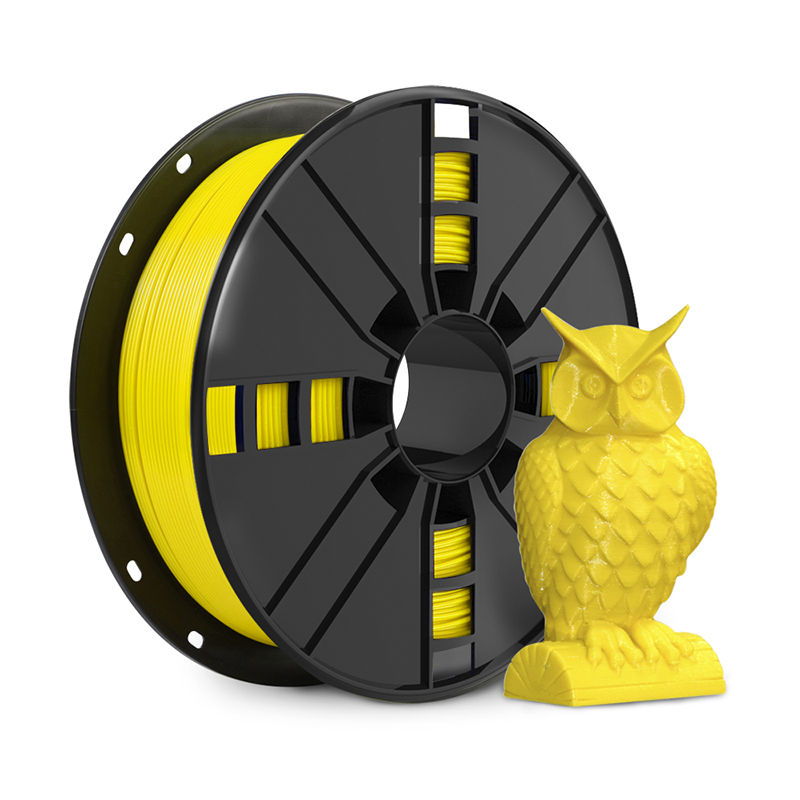
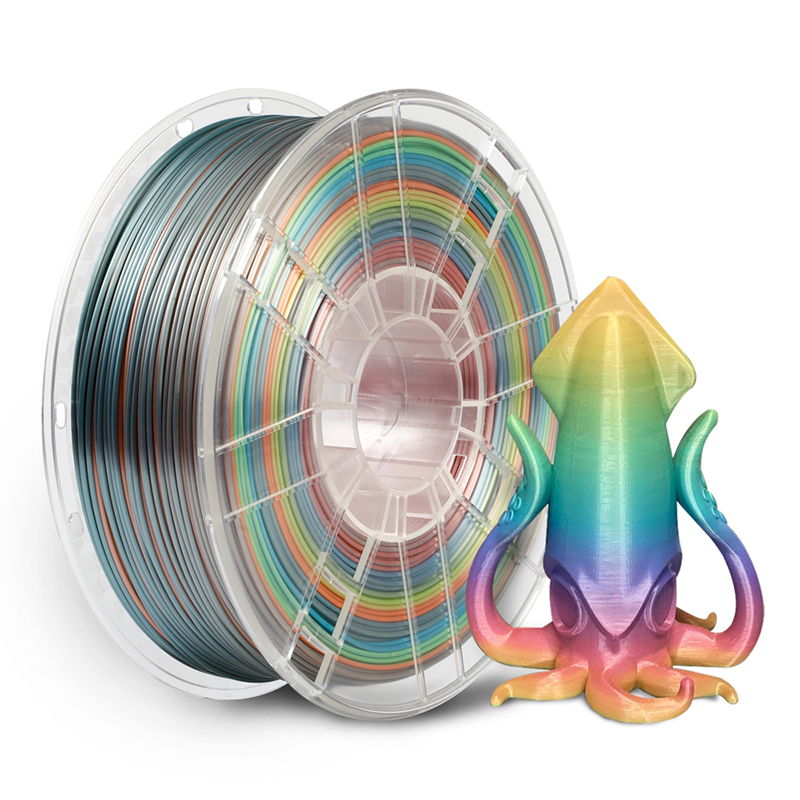
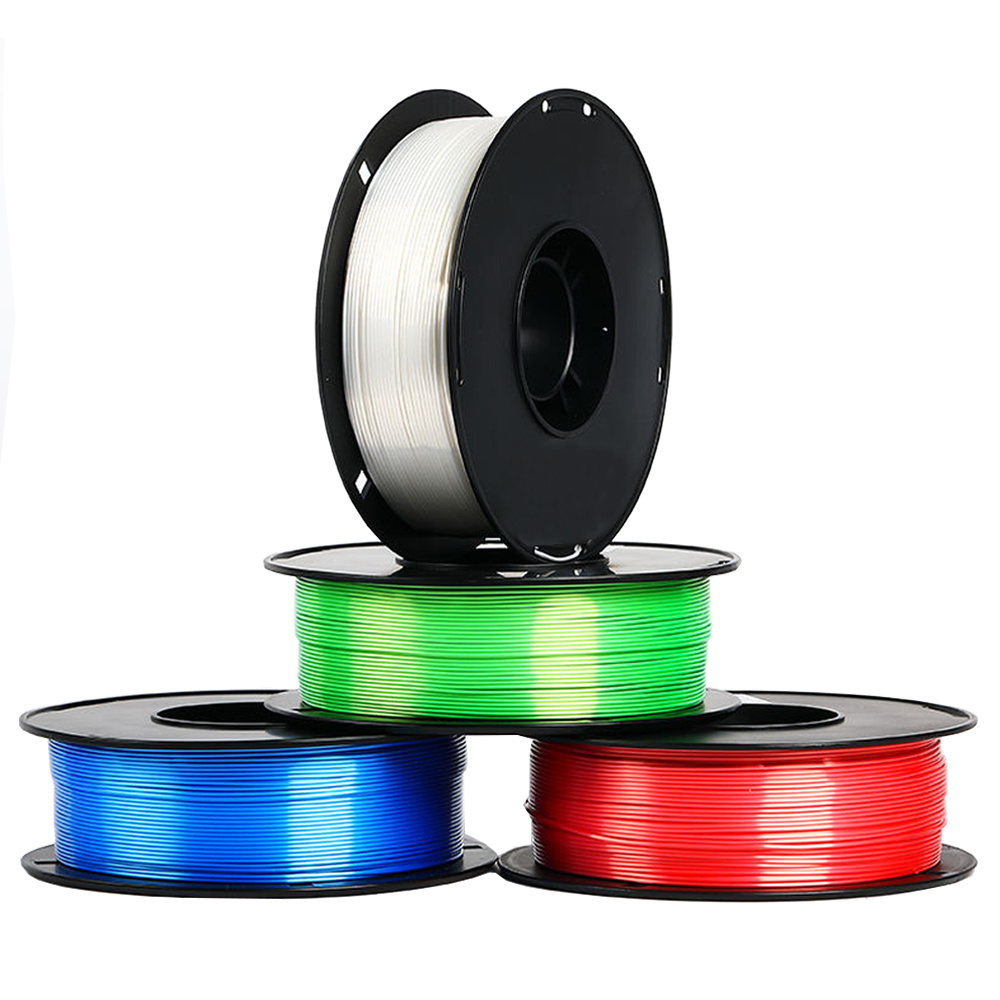
Explore Our Full Range of Industrial & Aesthetic Filaments
From robust Shore 95A flexible TPUs to engineering carbon-fiber composites and premium aesthetic silk materials.
The Future of Additively Manufactured Outdoor Electronics Packaging
Embracing flame-retardant elastomeric chemistries, multi-material co-extrusion, and sustainable polymer life-cycles.
As smart cities, autonomous agricultural systems, and renewable energy grids expand into remote geographical sectors, the convergence of multi-material 3D printing and advanced elastomer formulation will accelerate. Future breakthroughs in flexible TPU filaments are centered around integrating non-halogenated flame retardants achieving UL 94 V-0 ratings, electrostatic discharge (ESD) safe carbon nano-tube formulations, and bio-based thermoplastic polyurethanes derived from renewable feedstock.
By adopting high-precision flexible TPU filaments with strict tolerance consistency (+/-0.02mm) and validated raw material provenance, enterprise hardware teams can transition seamlessly from low-volume functional prototyping to agile, on-demand end-use serial production of ruggedized outdoor electronic enclosures.