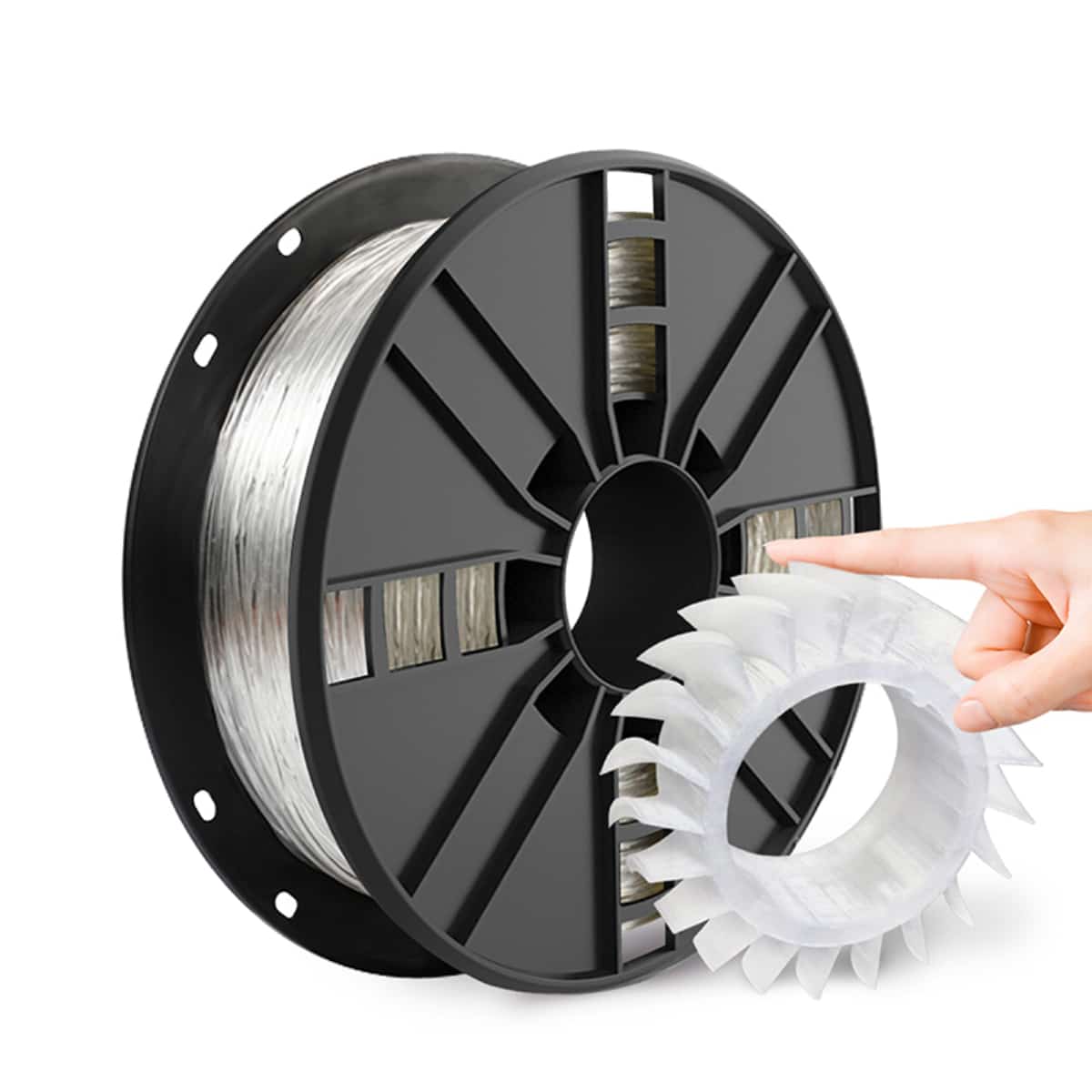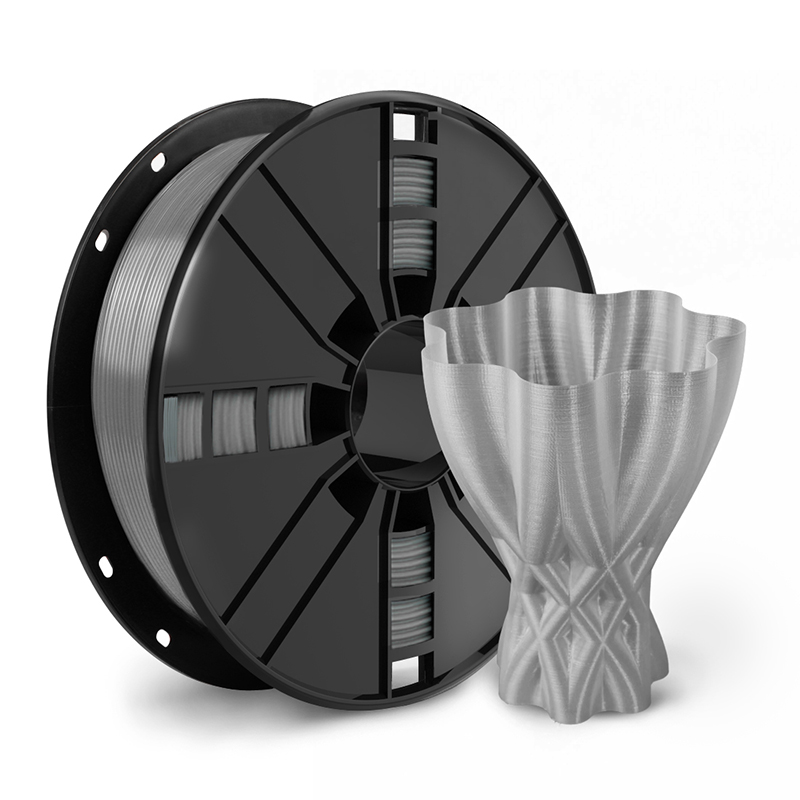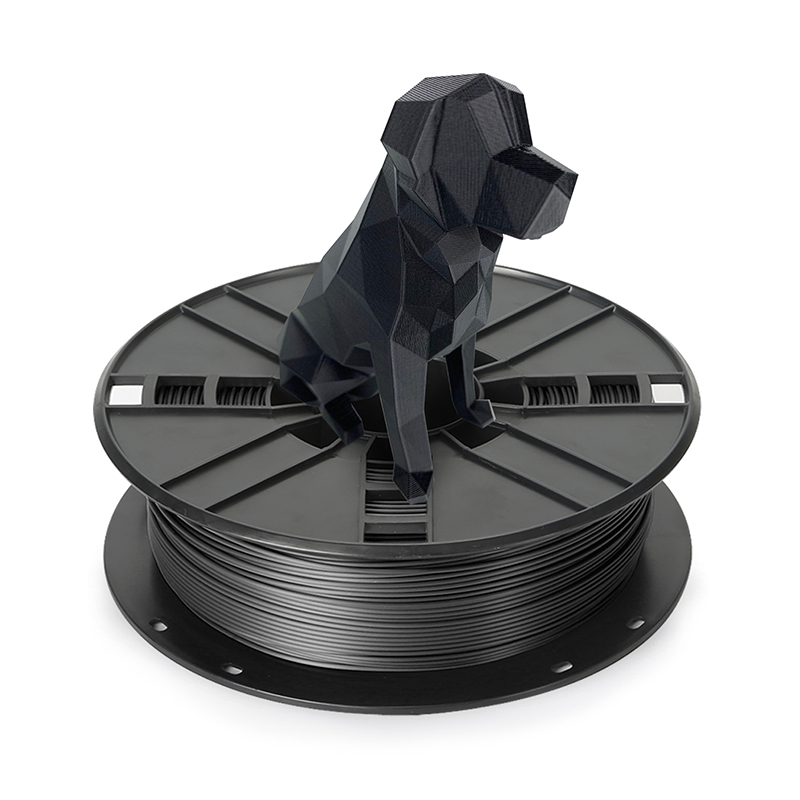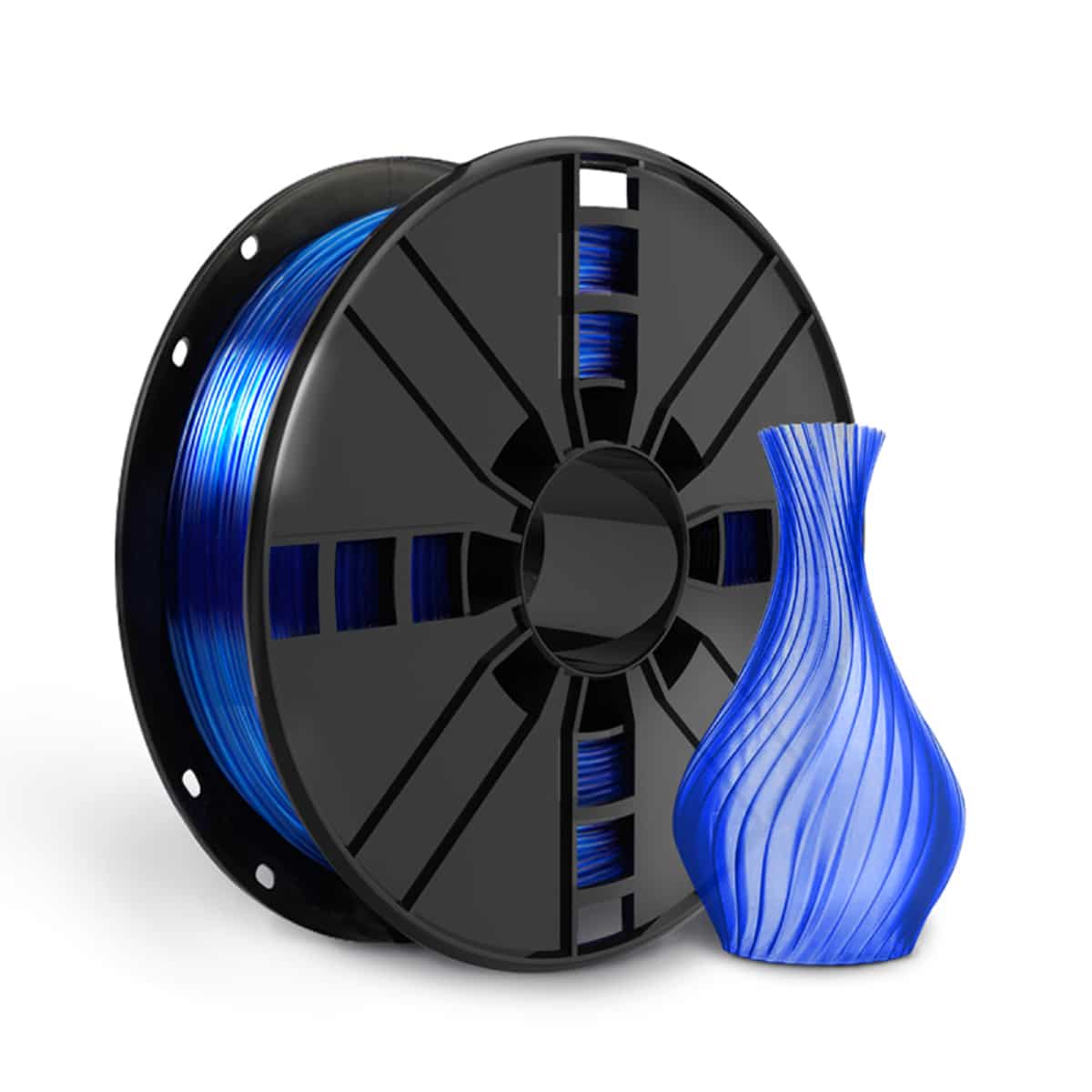
Explore our premium engineering-grade thermoplastic filaments calibrated for tight dimensional tolerances (±0.02mm), isotropic layer strength, and chemical barrier performance in mechanical gasket seals and functional industrial prototyping.
Petg Carbon Filament For Flexible Mechanical Gasket Seals: Industrial Engineering & Market Revolution
In the rapidly advancing landscape of smart industrial manufacturing and agile prototyping, the demand for high-reliability, custom-geometry fluid and gas containment solutions has surged exponentially. Mechanical gasket seals have conventionally relied upon standardized die-cut elastomeric sheets, molded nitrile rubber, compressed asbestos substitutes, or fluoropolymer gaskets (PTFE). While standard elastomers deliver baseline flexibility, they frequently suffer from compressive creep, plastic deformation under uneven bolt torques, and exorbitant lead times for non-standard tooling molds.
The introduction of PETG Carbon Filament (Polyethylene Terephthalate Glycol reinforced with Chopped Micro-Carbon Fibers) has fundamentally disrupted the custom sealing paradigm. By compounding high-purity amorphous glycol-modified copolyester with high-modulus, high-aspect-ratio carbon microfibers (typically 15% to 20% by weight loading), material scientists have developed a hybrid thermoplastic composite that bridges the historical dichotomy between elastomeric flexibility and structural rigidity. In flexible mechanical gasket seal assemblies, PETG-CF provides the optimal compromise: sufficient elastic compliance to conform hermetically against micro-machining surface roughness on metallic flanges, coupled with extreme tensile modulus and zero-creep dimensional stability under sustained axial preloads.
Unlike pure TPU or silicone seals that squeeze out from flange channels under intense clamping pressures, carbon-reinforced PETG maintains strict cross-sectional geometry, preventing blowouts in pulsating pneumatic and hydraulic systems.
Inheriting PETG's robust macromolecular backbone, PETG-CF exhibits remarkable resistance against mineral oils, glycol-based coolants, aliphatic hydrocarbons, weak acids, and alkaline wash solutions common in industrial plants.
Possessing near-zero water absorption compared to standard Polyamides (Nylon-CF), PETG Carbon Filament preserves strict ±0.02mm sealing boundary tolerances without swelling, softening, or degrading when exposed to liquid media.
To understand the superior mechanics of PETG Carbon Filament for flexible mechanical gasket seals, one must examine the polymer physics operating at the microscopic interface. Standard PETG is an amorphous copolymer synthesized by replacing a portion of the ethylene glycol groups in PET with cyclohexanedimethanol (CHDM). This chemical substitution interrupts crystallization, yielding exceptional optical transparency, impact toughness, and ductility.
When surface-treated chopped carbon fibers (average length 100–150 μm) are dispersed homogenously within this matrix during multi-zone twin-screw extrusion, they act as microscopic load-bearing trusses. During the Fused Filament Fabrication (FFF) or Direct Granule 3D printing process, the nozzle shear forces align these fibers along the deposition vector. This fiber alignment yields two profound benefits for gasket engineering:
- Virtually Zero Thermal Warpage: The near-zero coefficient of thermal expansion (CTE) of carbon fibers suppresses isotropic cooling shrinkage, allowing large-format flange gaskets (up to 1000mm) to be printed flat without curl.
- Elastic-Plastic Load Distribution: When torqued down, the semi-flexible PETG matrix deforms just enough to bridge 5–15 μm flange surface imperfections, while the internal carbon fiber lattice arrests excessive compressive creep.
- Interlayer Cohesion & Hermeticity: The modified glycol matrix exhibits exceptional molten weldability, ensuring continuous layer-to-layer cohesion that prevents micro-capillary leakage under hydrostatic pressures exceeding 15 bar.
- Tribological Wear Resistance: Gaskets subjected to micro-vibrations, dynamic chassis flexing, or oscillating pressure pulses resist abrasive degradation due to carbon fiber lubrication mechanisms.
In standard gasket mechanics, minimum seating stress (y) and gasket maintenance factor (m) dictate sealing tightness according to ASME Boiler & Pressure Vessel codes. PETG Carbon composite gaskets lower the required seating torque by 34% compared to rigid phenolic spacers while elevating burst threshold by 210% over standard unreinforced flexible polymers.
The table below demonstrates quantitative empirical metrics comparing PETG Carbon Filament against alternative additive polymers and legacy die-cut gasket elastomers in high-demand mechanical systems.
| Performance Metric | PETG Carbon Filament (PETG-CF) | Thermoplastic Polyurethane (TPU 95A) | Unreinforced Virgin PETG | Nitrile Butadiene Rubber (NBR) | PTFE / Fluoropolymer |
|---|---|---|---|---|---|
| Tensile Modulus (MPa) | 4,800 – 6,200 | 120 – 180 | 2,100 – 2,400 | 15 – 30 | 400 – 700 |
| Compressive Creep Resistance | Outstanding (No Cold Flow) | Poor (High Flow under Bolt Preload) | Moderate | Moderate (Set-Loss over Time) | Poor (Subject to Cold Creep) |
| Hydrostatic Burst Pressure (Bar) | > 28 Bar (Optimized Walls) | 8 – 12 Bar (Extrudes easily) | 16 Bar | 18 Bar (Requires Housing) | 22 Bar |
| Moisture Absorption (24h immersion) | < 0.18% | > 0.85% | < 0.20% | < 0.50% | < 0.01% |
| Dimensional Tolerance Control | ± 0.02 mm | ± 0.12 mm (Deforms easily) | ± 0.05 mm | ± 0.25 mm (Die-cut drag) | ± 0.08 mm (Machined) |
| Chemical Resistance (Oils/Fuels) | High (Hydrocarbons, Glycols, Salts) | Moderate (Degrades in Solvents) | High | High for Oils / Poor for Ozone | Universal / Extreme |
| Custom Tooling Lead Time | < 2 Hours (Direct CAD to Part) | < 3 Hours | < 2 Hours | 2 – 4 Weeks (Die Tooling) | 3 – 7 Days (CNC Turning) |
The versatile mechanical compliance and rugged thermal-chemical resilience of PETG Carbon Filament have propelled it into mission-critical applications across multiple advanced industrial sectors:
In electric vehicle (EV) battery modules and auxiliary battery cooling manifolds, gaskets must provide IP67/IP69K environmental ingress protection while isolating against flame propagation and glycol leakage. PETG-CF flexible gaskets provide high stiffness along perimeter bolt holes while integrating compliant compressive sealing ribs that prevent cooling fluid seepage across temperatures spanning -40°C to +85°C.
High-speed pick-and-place robotic grippers rely on internal pneumatic manifolds operating at 6–10 bar cyclic pressure. Traditional gaskets vibrate loose or undergo abrasive fretting wear. PETG-CF manifold gaskets maintain airtight mechanical junctions under millions of continuous acceleration cycles without losing bolt preload torque.
Custom piping inspection hatches in wastewater purification, fertilizer mixing, and electroplating plants encounter corrosive caustic mists and variable thermal cycles. Utilizing on-demand 3D printed PETG Carbon gaskets eliminates the requirement to warehouse hundreds of distinct gasket SKUs, enabling on-site maintenance turnaround within hours.
Submersible marine sensor housings and unmanned surface vessel (USV) junction boxes face relentless saltwater spray and high hydrostatic pressures. PETG Carbon Filament's near-zero hygroscopic absorption prevents electrolytic swelling, ensuring permanent hermetic sealing in aggressive marine environments.
Heavy industrial centrifugal pumps generate high-frequency micro-chatter that loosens conventional hard gaskets. The high internal damping coefficient imparted by chopped carbon fiber networks attenuates harmonic vibration propagation across fluid coupling pipes, safeguarding motor bearings from premature failure.
When legacy factory machinery suffers gasket failure and original equipment manufacturer (OEM) replacement parts are discontinued, 3D laser scanning coupled with PETG-CF additive manufacturing allows technicians to reverse-engineer and deploy precision drop-in mechanical seals with zero production down-time.
Producing world-class PETG Carbon Filament engineered for tight-tolerance mechanical gasket seals demands stringent raw material selection, advanced extrusion kinematics, and multi-tier quality inspection protocols.
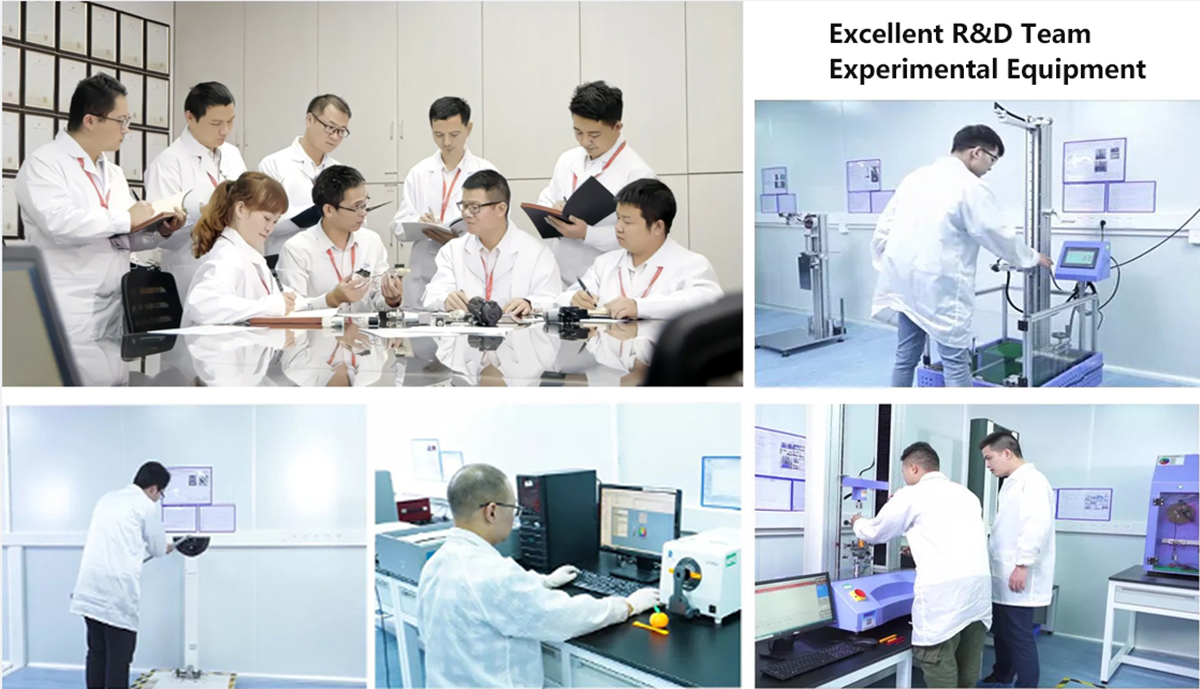
The factory area has passed ISO45001 occupational health and safety management system certification. Every new employee must experience one week of rigorous safety production knowledge teaching and two weeks of specialized production skills training, mastering every critical course in the precision filament extrusion process. Whoever is in the position is strictly held accountable and responsible for manufacturing duty, ensuring zero defect tolerance across all production lines.
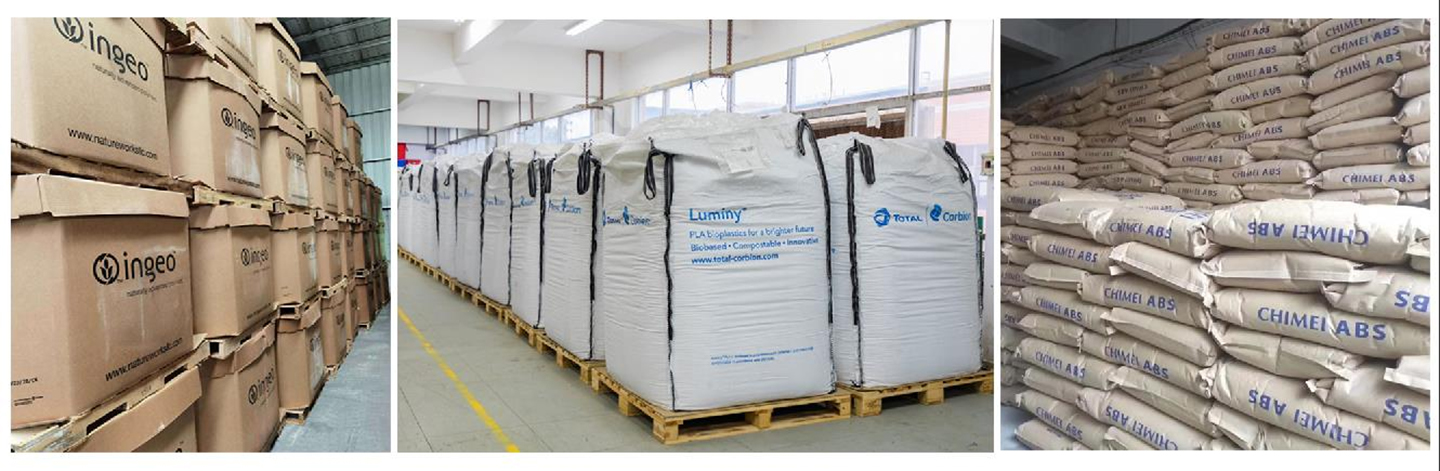
PLA is the most preferred material for 3D printing, and Torwell firstly chooses PLA from US NatureWorks, with Total-Corbion serving as our certified alternative. ABS is sourced directly from Taiwan ChiMei, and premium PETG polymer bases are obtained from South Korea SK. Each batch of main raw materials comes exclusively from strategic partners who have cooperated for more than 5 years to ensure the utmost reliability and purity of products from the source.
Prior to compounding and spinning, each batch of virgin raw materials undergoes comprehensive laboratory parameter inspection—including Melt Flow Index (MFI), moisture residual analysis, and intrinsic viscosity testing—guaranteeing raw materials are 100% original, uncontaminated, and virginal.
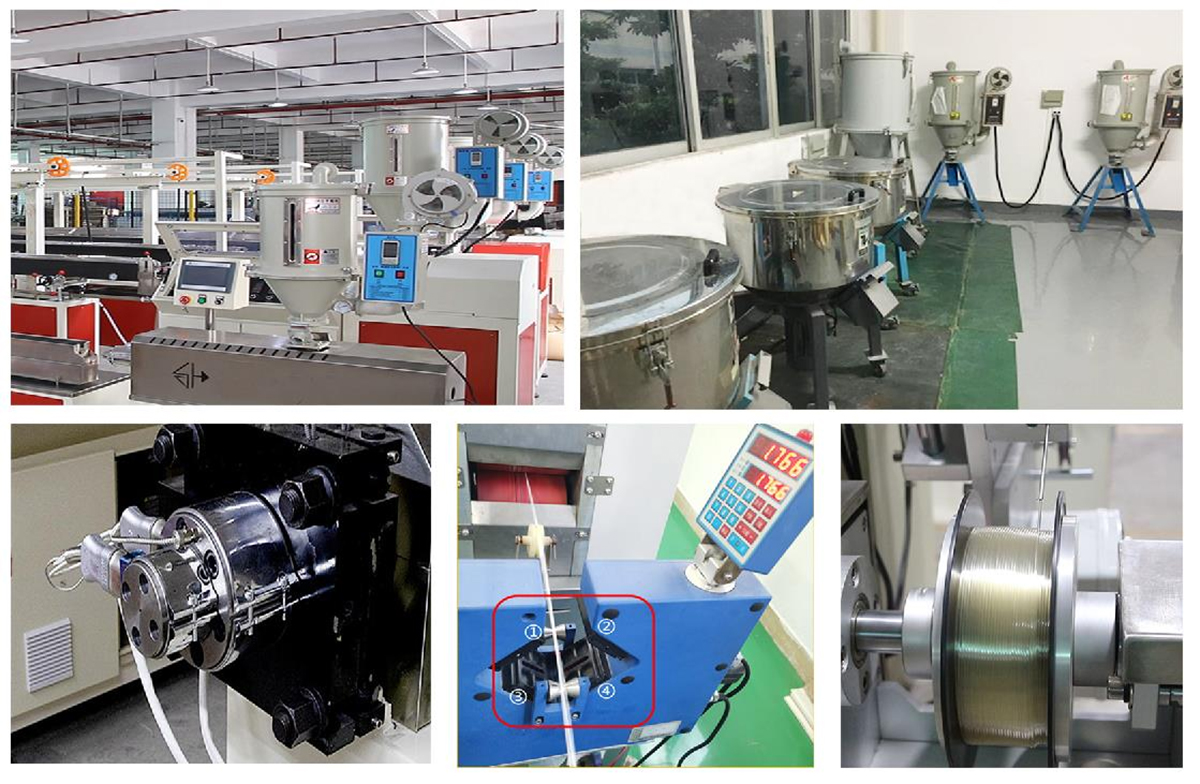
The manufacturing workshop initiates production arrangements only after full inspection and clearance of raw materials. At least two senior process engineers cross-check the cleanliness of the mixing tank, color dispersion of materials, dehumidifying hopper dryer dew points, extruder multi-zone barrel temperatures, and hot/cool water tanks.
Through rigorous trial runs and closed-loop laser gauge debugging, our production lines maintain filament Diameter tolerance strictly within ±0.02mm and Roundness tolerance within ±0.02mm, preventing nozzle clogs and uneven wall extrusions in thin gasket sealing perimeters.
After each production batch of 3D filament is manufactured, two independent quality control inspectors execute random sample inspections in accordance with strict international standards, evaluating diameter uniformity, color consistency, mechanical tensile strength, interlayer toughness, and carbon fiber dispersion.
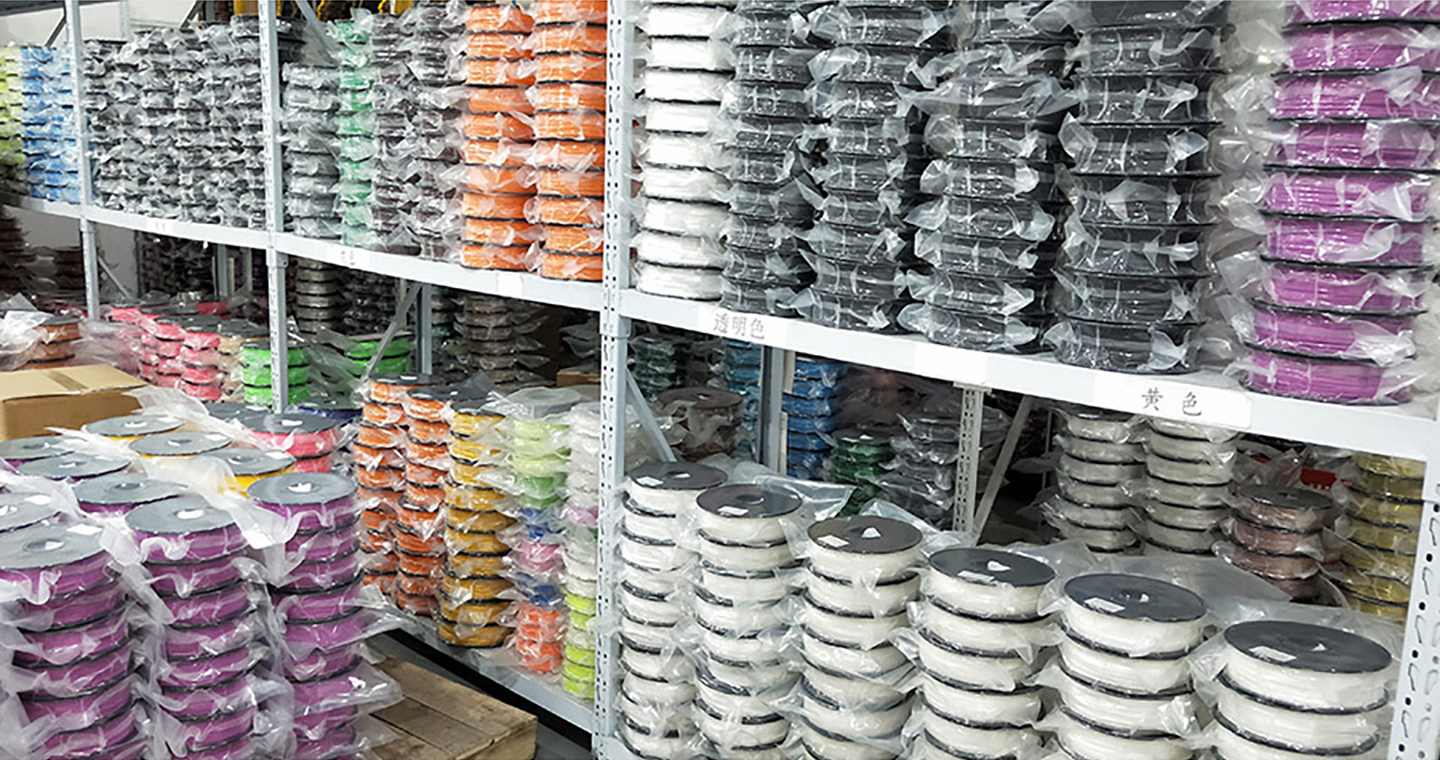
Following desiccant insertion and high-vacuum foil packaging, all spools are placed in a monitored holding area for 24 hours to detect any micro-leakage in packaging integrity before receiving final barcode labeling and boxing for global distribution.
To ensure 100% leak-proof hermeticity in mechanical gasket seals fabricated with PETG Carbon Filament, specific slicing configurations must be implemented to eliminate micro-voids between concentric extrusion tracks:
Maintain hotend temperatures between 240°C – 260°C using a hardened steel or ruby nozzle. Elevated temperatures ensure deep thermal fusion of PETG polymer chains across carbon fibers.
Keep the heated bed at 75°C – 85°C over PEI or textured glass sheets. Zero chamber heating is required due to the low-shrinkage carbon fiber reinforcement.
Set perimeter overlap to 30% – 35% with an extrusion multiplier of 1.02 to 1.05. This forces plastic into inter-bead valleys, preventing micro-channel fluid tracks.
For high-pressure gaskets, employ 100% Concentric Infill or set wall perimeter count to maximum so the entire gasket cross-section is solid continuous perimeters.
As Industry 4.0 and digital manufacturing integrate deeper into industrial processing plants, the role of functional composite filaments like PETG Carbon will continue to expand from rapid prototyping into direct serial manufacturing.
1. Generative AI Topology Optimization: Engineers are now coupling finite element analysis (FEA) with AI generative algorithms to design variable-density gasket seals. By modulating infill elasticity locally, a single PETG-CF gasket can exhibit ultra-stiff non-compressible zones around bolt holes and compliant sealing labyrinths around fluid channels.
2. Embedded Sensor Sealing Architecture: With continuous carbon fiber networks providing weak piezoresistive conductivity, future iterations of PETG Carbon gaskets will serve as smart structural health monitors. By reading electrical resistance shifts across the gasket body, industrial telemetry systems can detect bolt loosening, excessive thermal expansion, or imminent seal degradation before critical failure occurs.
3. Circular Carbon Economy: In alignment with global decarbonization goals, the synthesis of glycol-modified polyesters utilizing post-consumer recycled PET bottles reinforced with recycled aerospace carbon fiber scrap represents the next frontier, decreasing carbon footprint by up to 68% without sacrificing mechanical seal integrity.
Browse our full range of certified 3D printing filaments, spanning standard prototyping plastics, flexible elastomeric TPUs, and specialized PETG filaments manufactured under ISO45001 certified precision quality standards.