TPU & Flexible Filament Solutions for Gasket Seal Applications
Explore our precision-engineered 3D printing materials designed for flexible mechanical sealing components.
Why TPU 3D Printing Material Is Redefining Flexible Mechanical Gasket Seals
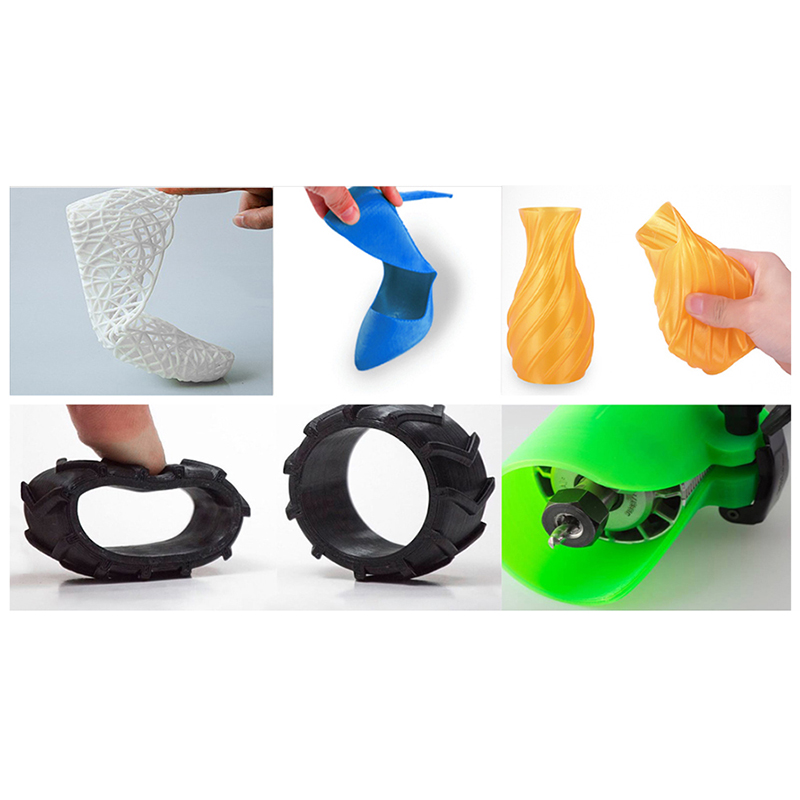
Thermoplastic polyurethane — widely known as TPU — has emerged as one of the most strategically important materials in modern additive manufacturing, particularly when the application demands flexibility, resilience, and sealing performance. In the domain of flexible mechanical gasket seals, TPU 3D printing filament is not merely a convenient substitute for traditional rubber or silicone gaskets; it represents a fundamental shift in how engineers design, prototype, and manufacture critical sealing components across industrial sectors worldwide.
Traditional gasket manufacturing relied heavily on die-cutting, compression molding, and injection molding — processes that require significant upfront tooling investment, long lead times, and limited geometric flexibility. With TPU 3D printing, manufacturers can produce complex sealing geometries on demand, eliminate tooling costs entirely, and iterate on seal designs with unprecedented speed. This paradigm shift is driving adoption across aerospace, automotive, chemical processing, medical devices, and consumer electronics industries.
🔬 Key Insight: According to industry analysts, the global market for 3D-printed functional parts — including gaskets and seals — is projected to exceed $12 billion by 2028, with TPU-based flexible components representing one of the fastest-growing material segments. This growth is underpinned by the demand for custom, low-volume, and geometrically complex sealing solutions that traditional manufacturing cannot economically provide.
Core Material Advantages of TPU for Gasket Seal Manufacturing
TPU filament delivers a unique combination of mechanical and chemical properties that make it the preferred choice for precision flexible sealing applications.
High Elasticity & Recovery
TPU gaskets return to original shape after compression, maintaining consistent sealing force across thousands of cycles.
Chemical Resistance
Resists oils, greases, hydraulic fluids, and many industrial solvents — essential for mechanical sealing environments.
Wide Temperature Range
Maintains flexibility and sealing integrity from -40°C to +100°C, outperforming many standard elastomers in thermal cycling.
Dimensional Precision
Shore A hardness from 85 to 98 available; filament diameter tolerance ±0.02mm ensures consistent extrusion and seal geometry.
On-Demand Production
Eliminate tooling costs and reduce lead time from weeks to hours — ideal for MRO, prototyping, and low-volume production.
Industrial & Commercial Status of TPU 3D Printed Gasket Seals
Current Industrial Adoption Landscape
The integration of TPU 3D printing into gasket seal manufacturing has moved well beyond the experimental phase. Major Original Equipment Manufacturers (OEMs) in sectors including automotive powertrains, pneumatic systems, industrial fluid handling, and HVAC are now deploying FDM-printed TPU gaskets in production environments. The key driver is economic: for custom seals in quantities of one to several thousand units, additive manufacturing with TPU consistently delivers a lower total cost than conventional fabrication, once tooling amortization is factored in.
In maintenance, repair, and overhaul (MRO) operations — where downtime carries enormous financial consequences — the ability to 3D print a replacement TPU seal on-site within hours is transformative. Oil & gas facilities, marine engineering operations, and pharmaceutical manufacturing plants are among the early adopters who have demonstrated measurable reductions in unplanned downtime by maintaining TPU filament stocks and FDM printers as part of their maintenance infrastructure.
Hardness Grades and Their Industrial Significance
TPU filament for gasket applications is typically available in Shore A hardness ratings between 85A and 98A. The selection of hardness grade is not merely a material specification — it directly determines the sealing performance, compression set resistance, and application suitability of the finished gasket:
- Shore A 85–90: Optimal for static seals in low-pressure applications, pipe flange gaskets, and enclosure weather seals where maximum conformability to surface irregularities is required.
- Shore A 92–95: The most versatile range for general-purpose mechanical gasket seals — suitable for dynamic sealing in rotary shaft seals, piston seals, and valve stem packings.
- Shore A 95–98: Used in higher-pressure dynamic sealing environments where load-bearing capacity must be balanced against flexibility, such as hydraulic cylinder seals and industrial pump packings.
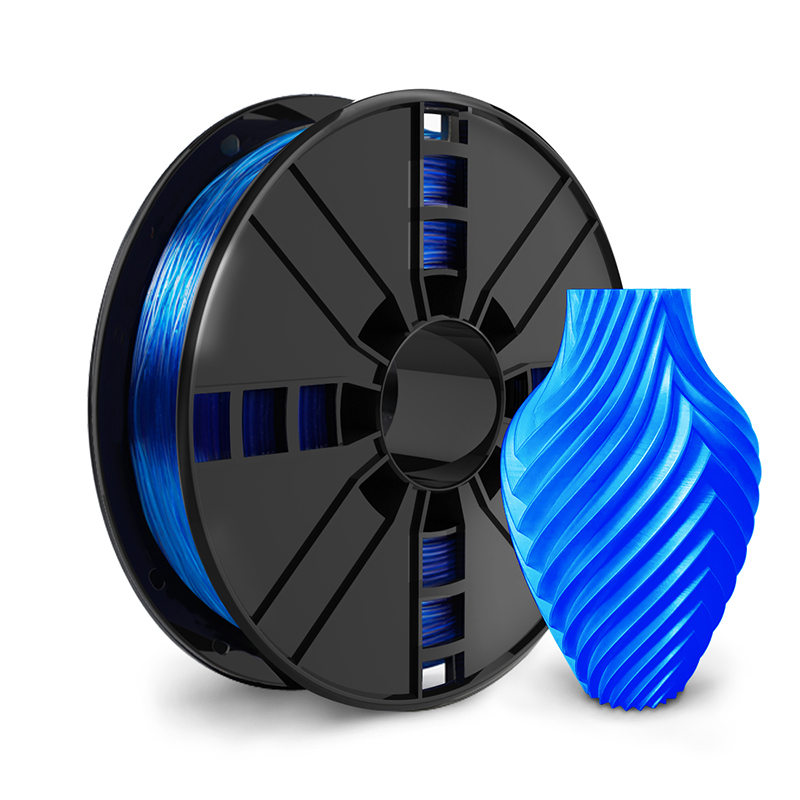
Torwell's TPU filament is offered at Shore A 95, positioning it squarely within the most commercially active segment of the industrial sealing market — delivering the ideal balance between elastic recovery, tear resistance, and printability on standard FDM platforms without specialized high-temperature equipment.
Emerging Trends: The Future of TPU 3D Printing in Sealing Technology
🔄 Digital Inventory & Distributed Manufacturing
Companies are replacing physical seal inventories with digital file libraries. TPU gaskets are printed regionally or on-site as needed, dramatically reducing inventory costs, eliminating obsolescence risk, and enabling rapid customization for legacy equipment where OEM parts are no longer available.
🧬 Multi-Material & Gradient Hardness Seals
Advanced FDM systems now print TPU alongside rigid materials in a single build, creating gaskets with integrated rigid flanges and flexible sealing lips — components previously impossible without multi-step molding. Gradient hardness profiles within a single seal are an active research frontier with significant commercial potential.
🤖 AI-Optimized Seal Geometry
Topology optimization algorithms and finite element analysis are being applied to TPU gasket design, producing seal geometries that maximize contact pressure distribution while minimizing material use. AI-driven design tools are accelerating this trend, enabling engineers to generate optimal sealing profiles in minutes rather than weeks.
🌱 Sustainable & Bio-Based TPU Compounds
The development of bio-based TPU formulations — incorporating renewable polyols derived from castor oil or corn starch — is gaining momentum. These materials offer comparable mechanical performance to petroleum-based TPU while reducing the carbon footprint of industrial sealing solutions, addressing increasingly stringent ESG requirements in global supply chains.
📡 Smart Seal Integration
Embedding conductive TPU traces or sensor elements within 3D-printed gaskets is enabling a new generation of "smart seals" capable of monitoring compression, temperature, and fluid ingress in real time — transforming passive sealing components into active condition-monitoring assets within Industry 4.0 frameworks.
⚡ High-Speed FDM & Production Scaling
Next-generation FDM printers with print speeds exceeding 500mm/s and advanced TPU processing capabilities are bridging the gap between additive prototyping and high-volume production. This trend is making 3D-printed TPU gasket seals viable for mid-volume production runs of 10,000+ units per year.
Deep Application Scenario Analysis: TPU Gasket Seals Across Industries
Automotive Powertrain & Fluid Systems
In automotive engineering, gasket seals are mission-critical components found throughout powertrain systems — oil pans, valve covers, intake manifolds, transmission housings, and coolant circuits. TPU 3D printed seals are increasingly used in prototype vehicles and low-volume specialty models where tooled rubber molding is not economically justified. The ability to print complex cross-sectional profiles — hollow O-rings, labyrinth seals, and multi-lip profiles — in a single FDM operation provides design engineers with geometric freedom previously exclusive to precision injection molding. The chemical compatibility of TPU with engine oils, transmission fluids, and glycol-based coolants makes it a technically sound choice for these demanding environments.
Industrial Fluid Handling & Process Equipment
Chemical processing plants, water treatment facilities, and food and beverage manufacturers rely on precise sealing to prevent contamination, product loss, and environmental incidents. TPU's broad chemical resistance profile — covering aliphatic hydrocarbons, dilute acids, and alkaline solutions — combined with its ability to conform to imperfect mating surfaces makes it valuable for custom flange gaskets, pump housing seals, and valve packing. Food-grade TPU formulations meeting FDA 21 CFR standards extend applicability to sanitary processing environments where elastomeric seals must comply with stringent regulatory requirements.
Aerospace & Defense: Low-Volume Critical Seals
The aerospace sector demands sealing solutions that meet exacting material specifications while often requiring only small quantities — making traditional manufacturing methods prohibitively expensive. TPU 3D printed seals serve as functional prototypes for environmental seals, access panel gaskets, and pneumatic system components during aircraft development programs. The design iteration cycle — from CAD revision to functional seal test — can be compressed from several weeks to under 24 hours, significantly accelerating development timelines. For defense maintenance applications, field-printable TPU seals represent a compelling logistics solution in remote operating environments.
Electronics & Consumer Devices: IP-Rated Enclosure Seals
As consumer electronics and industrial IoT devices increasingly target IP54 through IP68 waterproofing ratings, the demand for precision custom enclosure gaskets has grown substantially. TPU 3D printed seals — with their ability to replicate complex enclosure geometries exactly — are replacing die-cut foam and liquid silicone dispensed seals in many product categories. The seal profile can be optimized for the specific compression set characteristics of each device enclosure, ensuring consistent water ingress protection across the product's service life without costly tooled silicone molds.
Medical Devices & Laboratory Equipment
In medical device manufacturing, the need for biocompatible, chemically inert sealing materials that can be produced in custom geometries and small quantities aligns perfectly with TPU 3D printing capabilities. Sterilizable TPU formulations are used in fluid pathway seals for diagnostic instruments, peristaltic pump tubing connectors, and syringe plunger seals. The capacity to produce patient-specific or device-specific seal configurations on demand — without minimum order quantities — is particularly valuable in the medical device sector where product variants proliferate and regulatory requirements mandate precise material traceability.
💡 Application Insight: The most commercially significant growth opportunity for TPU gasket seals lies at the intersection of digital manufacturing and MRO supply chains. Industrial facilities operating aging equipment — where OEM seals are discontinued or lead times are measured in months — represent an immediately addressable market. A TPU filament printer and a digital seal library can replace a physical inventory of hundreds of seal SKUs, delivering seals in hours rather than weeks at a fraction of the procurement cost.
Renewable Energy: Wind, Solar & Hydrogen Systems
The rapid expansion of renewable energy infrastructure has created significant demand for custom sealing solutions in wind turbine nacelles, solar panel mounting systems, and hydrogen fuel cell assemblies. Wind turbine maintenance — often performed at height and in remote locations — benefits enormously from on-site TPU seal production capability. Hydrogen fuel cell stacks require exceptionally precise, chemically resistant seals capable of preventing H₂ permeation; advanced TPU compounds are demonstrating performance characteristics that position them as viable candidates for these demanding low-emission energy applications.
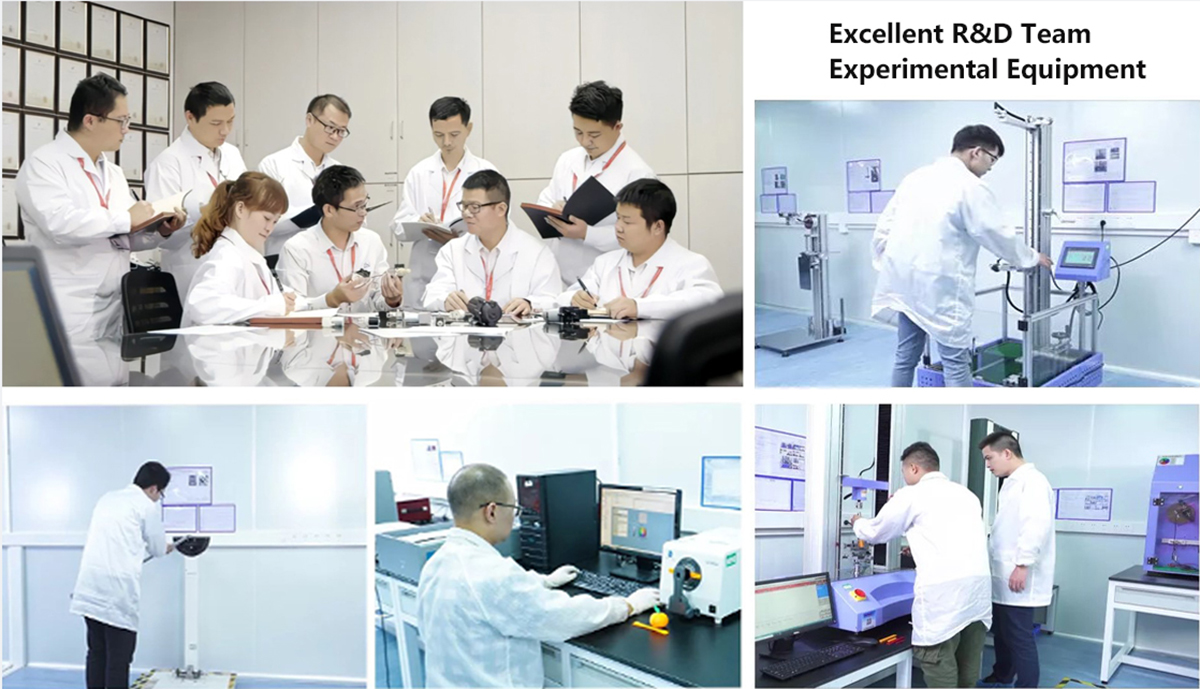
🏆 Quality Control — ISO45001 Certified Manufacturing
The factory area has passed ISO45001 occupational health and safety management system certification. Every new employee must be experienced one week of safety production knowledge teaching and two weeks of produce skills training, and master every course in the production process. Who is in the position will be responsible for its duty.
For TPU filament used in flexible mechanical gasket seal applications, this rigorous quality framework is essential. Dimensional inconsistencies in filament diameter directly translate to wall thickness variations in printed seals — which can compromise sealing performance. Torwell's ISO-certified processes ensure every spool of TPU filament meets the precision standards required for functional industrial sealing components.
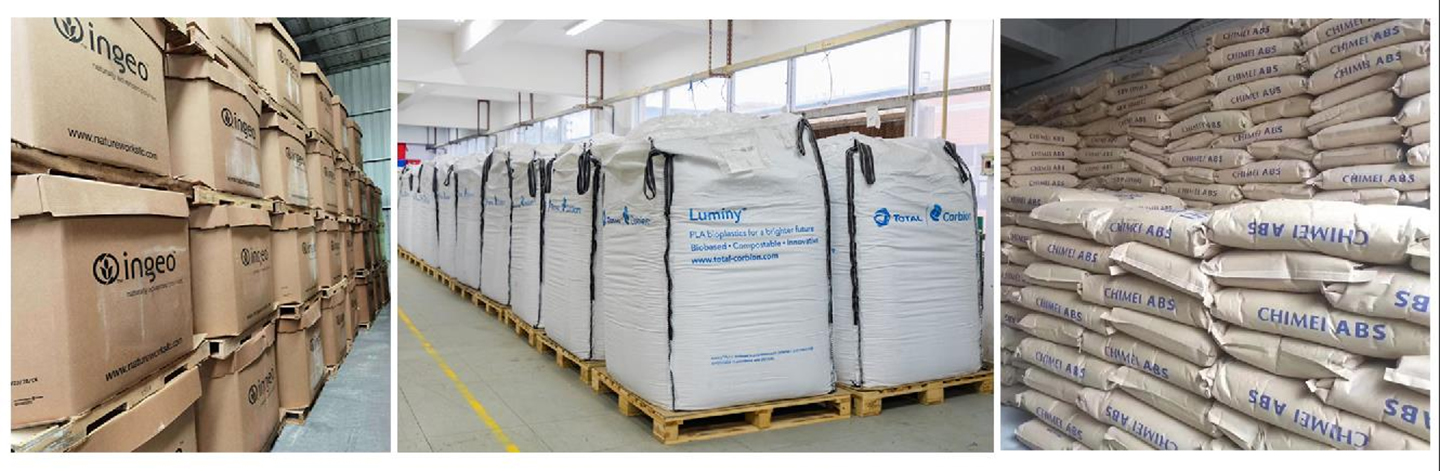
🧪 Premium Raw Materials — Traceable & Verified
PLA is the most preferred material for 3D printing, Torwell firstly chooses PLA from US NatureWorks, and Total-Corbion is the alternative. ABS from TaiWan ChiMei, PETG from South Korea SK. Each batch of main raw materials comes from the partners who has cooperated more than 5 years to ensure the reliability of the products from the source. Each batch of raw materials will undergo parameters inspection before produce to ensure that raw materials are original and virginal.
For TPU gasket seal filament specifically, raw material quality is paramount. The molecular weight distribution and polyol composition of the base TPU resin directly determine the elastic recovery, compression set, and chemical resistance of the final printed seal. Torwell's supply chain discipline ensures that every spool of TPU filament is manufactured from verified, virgin-grade thermoplastic polyurethane — not regrind or blended stock — guaranteeing the mechanical consistency that precision sealing applications demand.
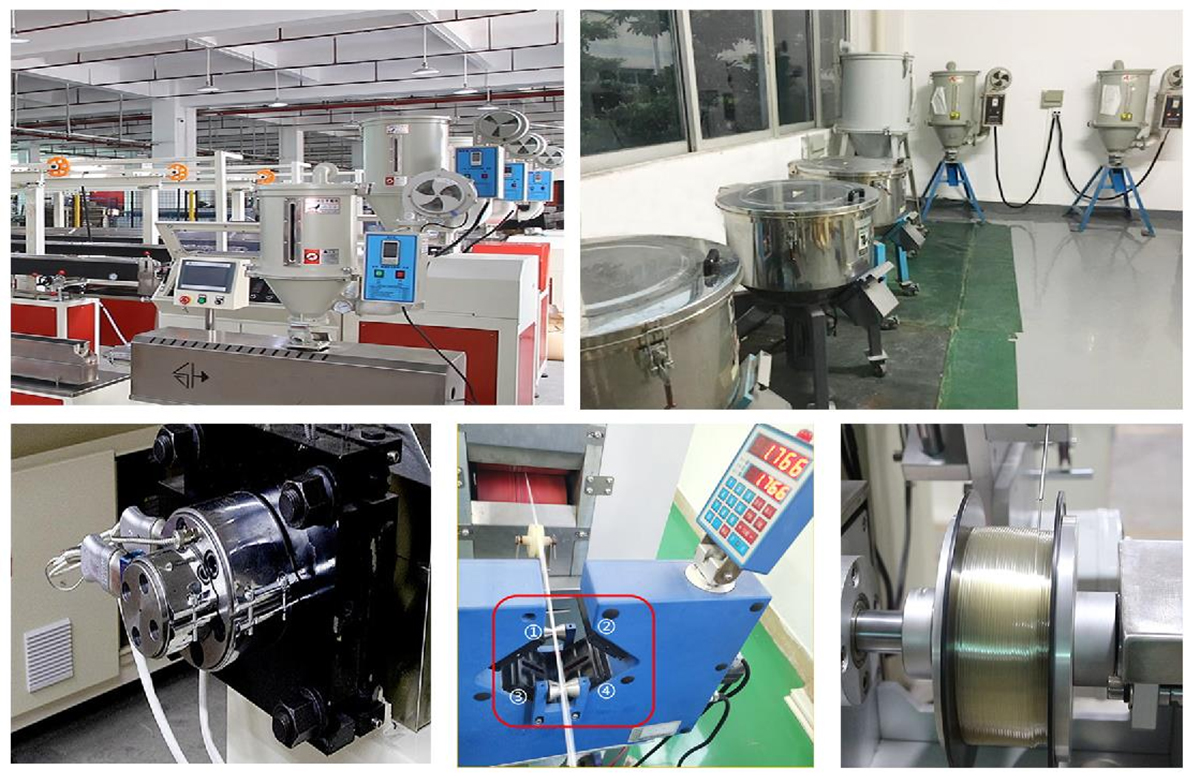
⚙️ Precision Equipment — ±0.02mm Tolerance Guarantee
The manufacturing workshop will make arrangements after the inspection of raw materials, at least two engineers cross-check the clearance of mixing tank, color mixed of material, humidity from hopper dryer, temperature of extruder, hot/cool tank, and trial-produce and debugging the produce line to make sure all of processes in the best condition. Maintain the filament Diameter tolerance +/- 0.02mm, Roundness tolerance +/- 0.02mm.
This ±0.02mm diameter tolerance is not merely a quality metric — for TPU gasket seal printing, it is the foundation of print reliability. TPU filament is inherently more challenging to extrude consistently than rigid materials due to its viscoelastic behavior. Torwell's precision-controlled extrusion lines, with dual-engineer cross-verification at every critical process parameter, deliver the dimensional consistency that enables smooth, clog-free printing of intricate seal geometries on standard Bowden and direct-drive FDM systems.
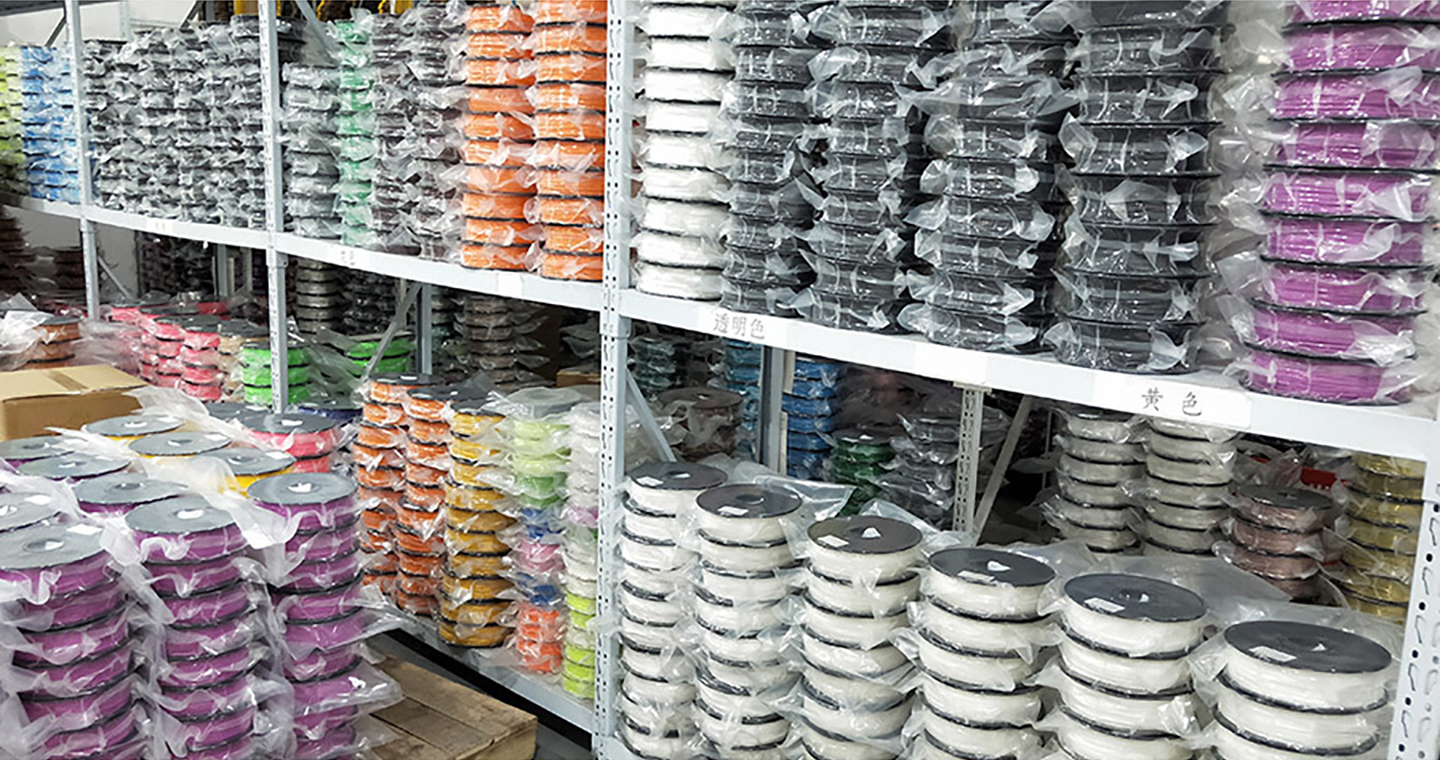
🔍 Final Inspection — Zero Compromise on Seal Performance
After each batch of 3D filament is produced, two quality inspectors will conduct random inspections on each batch of finished products in accordance with the requirements of the standard, such as diameter tolerance, color consistency, strength and toughness and so on. After vacuuming the package, place them for 24 hours to check whether there is any leaking package, then label it and finish the package.
The 24-hour vacuum package integrity test is especially significant for TPU gasket filament. Moisture absorption is the primary enemy of TPU print quality — even moderate moisture content in TPU filament produces bubbles and inconsistent extrusion that directly degrade the structural integrity of printed seals. Torwell's vacuum-sealed packaging, verified by a 24-hour hold test, ensures that every spool reaches the end user in optimal moisture-free condition — ready to produce professional-grade gasket seals from the first layer.
Printing Parameters & Best Practices for TPU Gasket Seals
Recommended Print Settings for FDM TPU Gasket Production
Achieving optimal sealing performance from 3D printed TPU gaskets requires careful attention to print parameters. Unlike rigid materials where the primary concern is structural strength, TPU gasket printing must prioritize layer adhesion, surface density, and geometric accuracy — all of which directly influence sealing effectiveness.
- Print Temperature: 220–240°C nozzle temperature for Shore A 95 TPU; higher temperatures improve layer fusion and seal density but may increase stringing.
- Bed Temperature: 30–60°C on PEI or glass surface with light adhesive; TPU generally adheres well without aggressive bed preparation.
- Print Speed: 20–40mm/s recommended for clean extrusion; direct drive extruders allow speeds up to 60mm/s with well-tuned retraction settings.
- Infill for Seals: 95–100% infill is essential for sealing applications; hollow cores will compromise pressure resistance and longevity.
- Wall Count: Minimum 4 perimeters for gasket walls to ensure sealing surface density and tear resistance at the gasket edge.
- Retraction: Minimize retraction distance (1–2mm for direct drive); excessive retraction with TPU causes clogging due to the material's elastic deformation in the extruder path.
- Storage: Store TPU filament in sealed, desiccated containers; use a filament dryer at 50–60°C for 4–6 hours before printing if the spool has been exposed to ambient air for extended periods.
⚠️ Critical Note for Gasket Applications: The sealing surface quality of a 3D printed TPU gasket is significantly influenced by layer height selection. For seals requiring high-integrity surface contact, a layer height of 0.1–0.15mm on the sealing face — achievable via variable layer height slicing — produces surface roughness values comparable to machined elastomeric seals, minimizing the risk of leak paths along layer boundaries.
Complete 3D Printing Material Range for Industrial Sealing & Flexible Applications
From flexible TPU seal filaments to rigid structural materials — Torwell provides a complete additive manufacturing material portfolio for every industrial application.