Precision Test Rig & Mechanical Polymers
Industrial grade thermoplastic portfolio calibrated for functional fixture prototyping, jig enclosures, and robotic testing end-effectors.
The Evolution of Optical Elastomers in Mechanical Fixture Engineering
In modern industrial test engineering, validation rigs for aerospace components, automotive subsystems, consumer electronics, and pneumatic actuators face contradictory mechanical demands. Traditional rigid metal or POM (polyoxymethylene) fixtures provide stability but generate contact stress risers that fracture delicate specimens under multi-axis fatigue tests. Conversely, conventional opaque rubber pads conceal critical shear zones and slip interfaces.
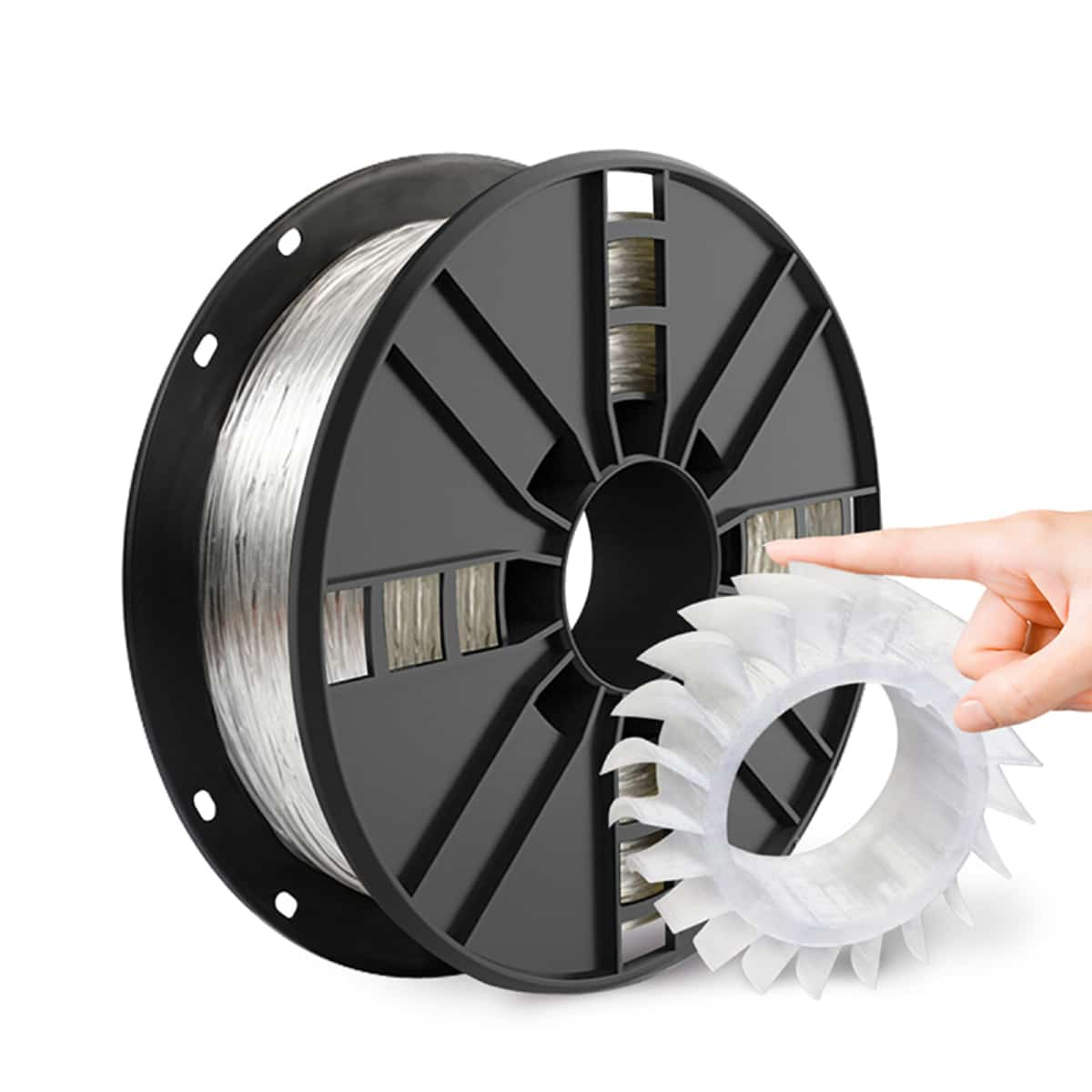
The introduction of Clear TPU (Thermoplastic Polyurethane) Filament represents a pivotal paradigm shift. Combining high tear propagation resistance, elastomeric dampening, and high optical transmissivity, clear TPU enables continuous real-time visual inspection and high-speed optical tracking of micro-deflections directly through the fixture's contact nests without disassembly.
Photoelastic & Visual Stress Field Mapping
Under polarized illumination, specialized transparent TPU fixtures exhibit stress-birefringence phenomena. Test engineers leverage high-speed cameras to quantitatively correlate optical fringe patterns with localized dynamic pressure distributions inside test fixtures during destructive cycle testing.
Engineered Performance Under High Mechanical Loads
Delivering mechanical integrity where traditional flexible filaments succumb to plastic deformation, shear breakdown, and optical haze.
Superior Hysteresis & Low Creep
Formulated with alternating block copolymers of polyol flexible segments and diisocyanate rigid segments, clear TPU demonstrates minimal compression set under sustained mechanical pre-loads (exceeding 1.8 MPa continuous clamp pressure), avoiding long-term dimensional distortion.
Dynamic Vibration Damping
Features a high loss factor (tan delta) between -10°C and 55°C, providing exceptional kinetic dissipation for resonant vibration test benches, electro-dynamic shakers, and repetitive drop-test jigs while suppressing harmonic structural feedback to sensors.
Non-Marring High-Friction Grip
Possesses a controlled Shore hardness profile (typically 95A to 98A) with a high coefficient of static friction against polished aluminum, glass, and composites, securing assemblies against torque slip without causing microscopic scratching or cosmetic marring.
Critical In-Field Application Scenarios
Detailed architectural integration of Clear TPU components within automated quality assurance and R&D verification laboratories.
1. Hydraulic & Pneumatic In-Situ Pressure Testing Manifolds
Transparent TPU allows engineers to manufacture custom fluidic diagnostic manifold blocks that withstand surge pressures up to 30 bar. The transparent boundary walls allow immediate visual confirmation of micro-bubble cavitation, air entrapment, seal extrusion, and valve displacement during continuous endurance cycling, reducing auxiliary borescope requirements.
2. Multi-Axis High-G Impact Test Fixture Bushings
During drop tests and pyrotechnic shock simulations (MIL-STD-810H), internal electronics experience catastrophic acceleration spikes. Clear TPU isolator sleeves placed inside CNC fixture pockets absorb peak multi-kHz transients while enabling direct optical confirmation that fastener threads remain seated and unstripped throughout multi-cycle drop test protocols.
3. Non-Destructive Optical Metrology Grippers
When robotic pick-and-place end-effectors must clamp complex geometric optical lenses, medical syringes, or carbon fiber shells onto laser coordinate measuring machines (CMM), clear TPU jaws provide compliant, conformal contact forces that distribute clamping stresses evenly, avoiding localized structural distortion during 3D optical scanning.
4. High-Cycle Fatigue Clamping Jaws with Embedded Sensor Pockets
Additive manufacturing enables the direct encapsulation of optical fiber strain gauges, load cells, and thermocouples directly inside clear TPU fixture jaws. The transparency ensures exact positional alignment of strain-gauge arrays relative to the specimen's primary stress concentration gradient, ensuring repeatable sensor telemetry.
Material Benchmarking for Mechanical Test Fixturing
Quantitative property comparison across standard fixture manufacturing materials.
| Performance Parameter | Clear TPU (95A Extruded) | Cast Polyurethane (85A-90A) | POM / Delrin (Machined) | Polycarbonate (FDM / Clear) |
|---|---|---|---|---|
| Optical Transmittance (%) | 88% - 92% (Thin Wall) | 60% - 75% (Translucent) | Opaque (0%) | 85% - 89% (Micro-voiding) |
| Tensile Strength (MPa) | 42 - 50 MPa | 30 - 38 MPa | 65 - 72 MPa | 60 - 68 MPa |
| Elongation at Break (%) | 450% - 550% | 350% - 400% | 25% - 35% | 8% - 15% |
| Trouser Tear Resistance (kN/m) | 120 - 145 kN/m | 75 - 90 kN/m | N/A (Brittle Fracture) | N/A (Notch Sensitive) |
| Non-Marring Interfacial Grip | Excellent (High Friction) | Good | Poor (Prone to Slip) | Poor (High Scratch Risk) |
| Rapid Custom Nest Prototyping | High ( | Low (Tooling Required) | Moderate (CNC Setup) | High ( |
Industrial Manufacturing Discipline & Process Control
Torwell's integrated quality management framework ensuring high mechanical repeatability and optical consistency in high-performance filaments.
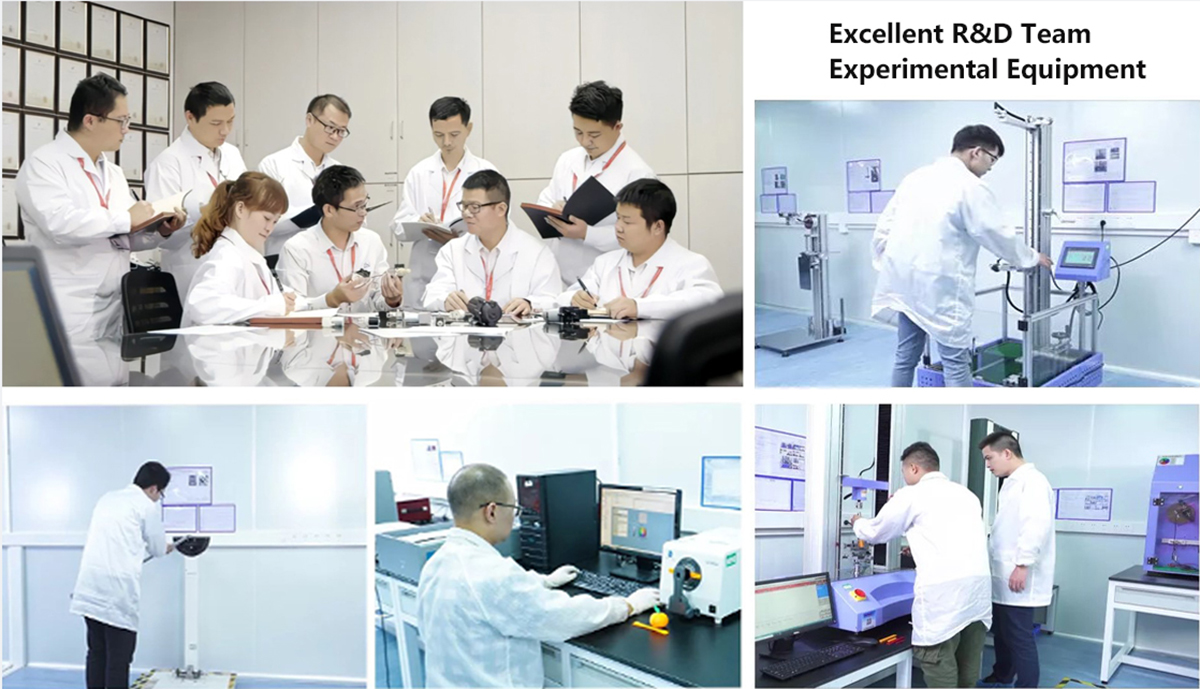
Quality Control
The factory area has passed ISO45001 occupational health and safety management system certification. Every new employee must be experienced one week of safety production knowledge teaching and two weeks of produce skills training, and master every course in the production process. Who is in the position will be responsible for its duty.
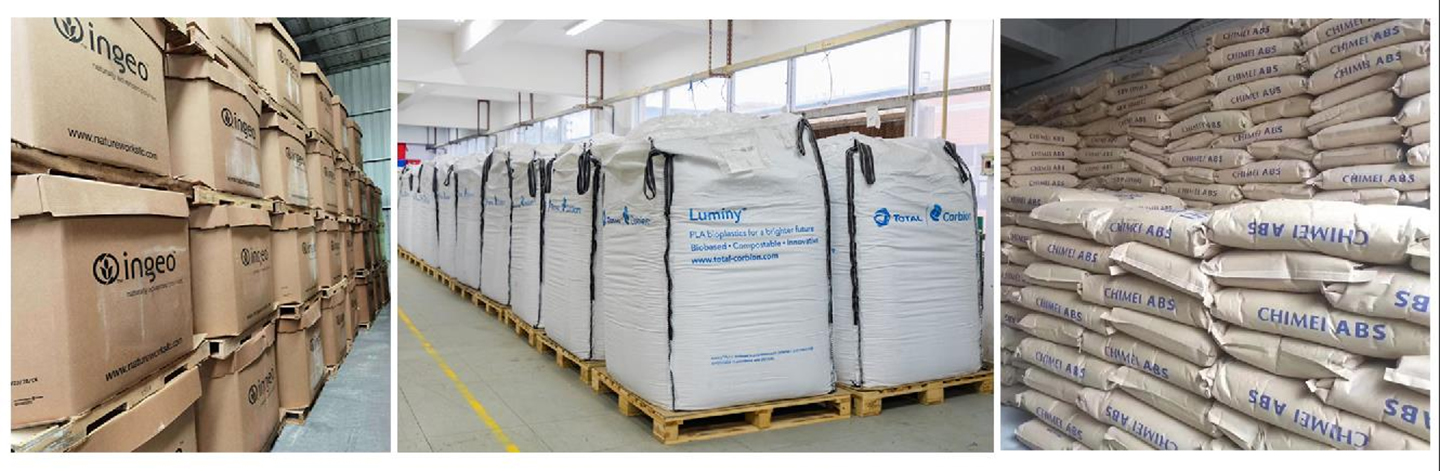
Raw Material
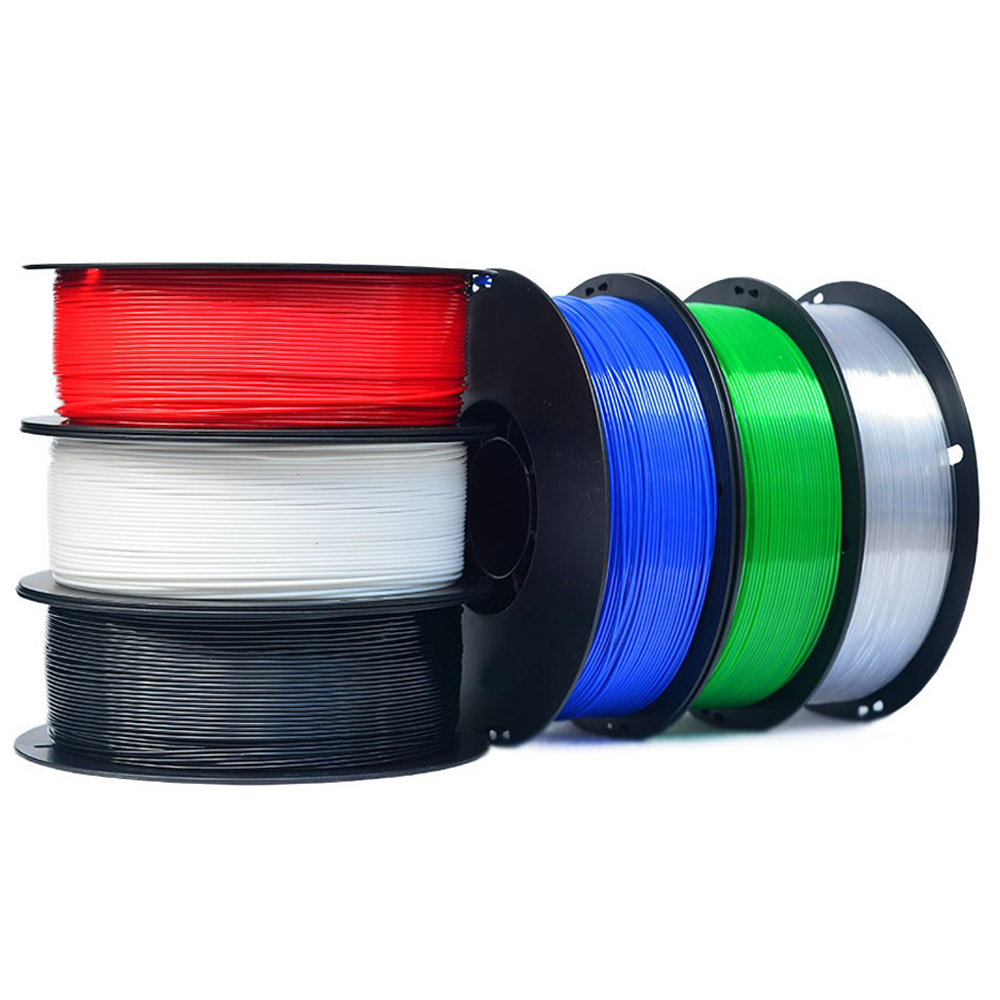
PLA is the most preferred material for 3D printing, Torwell firstly chooses PLA from US NatureWorks, and Total-Corbion is the alternative. ABS from TaiWan ChiMei, PETG from South Korea SK. Each batch of main raw materials comes from the partners who has cooperated more than 5 years to ensure the reliability of the products from the source. Each batch of raw materials will undergo parameters inspection before produce to ensure that raw materials are original and virginal.
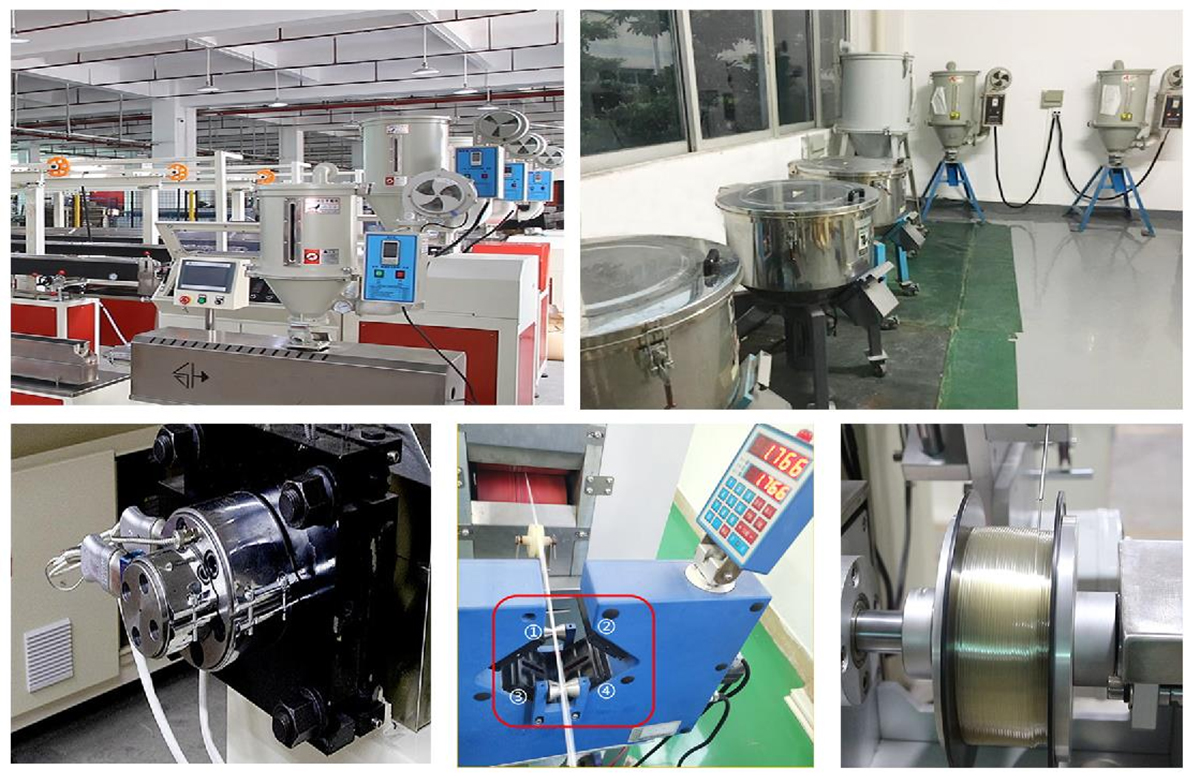
Equipment
The manufacturing workshop will make arrangements after the inspection of raw materials, at least two engineers cross-check the clearance of mixing tank, color mixed of material, humidity from hopper dryer, temperature of extruder, hot/cool tank, and trial-produce and debugging the produce line to make sure all of processes in the best condition. Maintain the filament Diameter tolerance +/- 0.02mm, Roundness tolerance +/- 0.02mm.
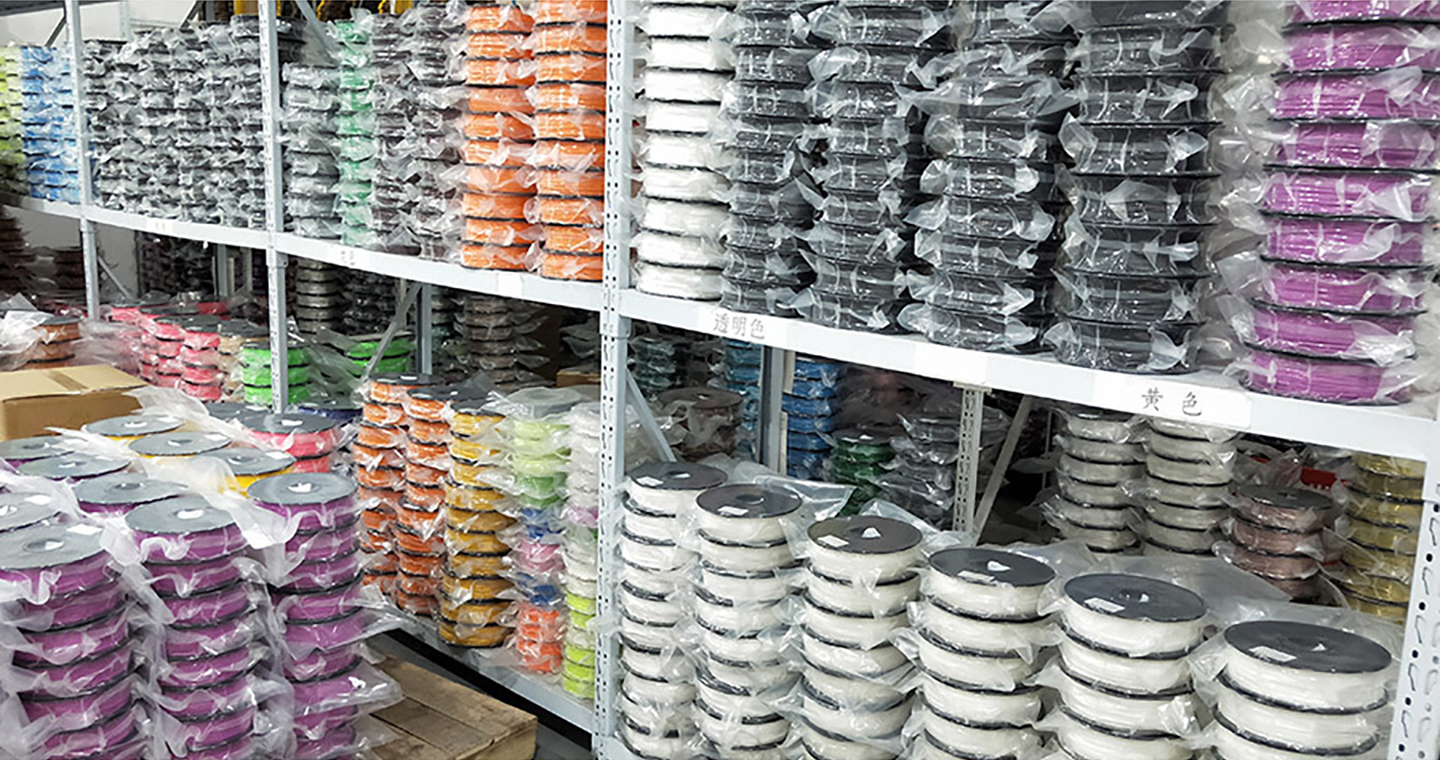
Final Inspection
After each batch of 3D filament is produced, two quality inspectors will conduct random inspections on each batch of finished products in accordance with the requirements of the standard, such as diameter tolerance, color consistency, strength and toughness and so on. After vacuuming the package, place them for 24 hours to check whether there is any leaking package, then label it and finish the package.
Additive Optimization for Maximum Optical Transmittance
Engineering recommendations to eliminate internal light scattering and maximize dynamic load resilience.
Dehumidification Protocols
TPU polymers are intensely hygroscopic. Moisture creates micro-bubbles during melt extrusion that refract light and degrade interlayer tensile strength. Filament must be dried at 65°C for 6 to 8 hours prior to deposition, targeting moisture content beneath 0.02% to maintain glass-like transparency.
Extrusion Width & Melt Homogeneity
Increase extrusion line width by 115-125% with slightly elevated nozzle temperatures (225°C - 235°C) and reduce cooling fans to zero. This induces deep polymeric chain entanglement across layer boundaries, merging toolpaths into a unified isotropic optical block free of light-diffracting air gaps.
Concentric Infill Toolpath Alignment
For high-load test clamps, align infill patterns along the vector of the dominant mechanical reaction forces using aligned rectilinear or 100% concentric orientations. This direct alignment prevents shear slippage along the toolpath junctions under cyclic multi-kilonewton test cycles.
Torwell Industrial Filament Portfolio for Test Engineering
Full suite of certified additive materials engineered to support comprehensive structural, optical, and mechanical jig fabrication.