
Featured 3D Printing Filaments for Surveillance Housing Applications
Why NylonX Carbon Fiber Filament for UV-Resistant Housings?
NylonX carbon fiber composite filament combines engineering nylon's flexibility with the structural rigidity of chopped carbon fiber — creating parts that withstand the harshest outdoor environments.
UV Resistance
Specially formulated nylon matrix with UV stabilizers prevents degradation, discoloration, and brittleness under prolonged direct sunlight exposure.
High Tensile Strength
Chopped carbon fiber reinforcement raises tensile strength up to 2–3× compared to standard nylon, delivering structural integrity in heavy-duty mounts.
Thermal Stability
Maintains mechanical performance across a wide temperature range (–40°C to +120°C), suitable for extreme climate installations from arctic to tropical zones.
Lightweight Design
Carbon fiber reinforcement achieves superior strength-to-weight ratio, reducing overall housing weight while maintaining rigidity for elevated pole and wall mounts.
Moisture & Chemical Resistance
Low moisture absorption characteristics protect sensitive camera internals from humidity, rain, and industrial chemical exposure in harsh environments.
Commercial & Industrial Landscape: NylonX CF for Surveillance
The Rise of Advanced Composite Filaments in Security Manufacturing
Traditional surveillance camera housings were manufactured using injection-molded ABS, polycarbonate, or die-cast aluminum. While these methods offered cost efficiency at scale, they presented significant limitations: long lead times for custom housing designs, expensive tooling costs, limited design iteration, and inadequate UV resistance without costly post-processing treatments.
The emergence of NylonX carbon fiber filament for FDM (Fused Deposition Modeling) 3D printing has fundamentally disrupted this paradigm. Manufacturers, integrators, and security OEMs now leverage NylonX CF to produce custom housings in days rather than weeks, with mechanical properties that rival or exceed conventional methods at a fraction of the tooling investment.
Major surveillance equipment brands and industrial security integrators across North America, Europe, and Asia-Pacific are actively evaluating or adopting carbon fiber reinforced nylon for the following exterior housing categories:
- PTZ (Pan-Tilt-Zoom) camera outer shells and bracket arms
- Fixed dome and bullet camera rear endcaps and cable entry modules
- License plate recognition (LPR) camera enclosures
- Industrial ATEX-rated camera housing covers
- Thermal imaging camera protective outer shields
- Traffic monitoring camera gantry-mounted housings
Industry Trends Driving NylonX Adoption in Exterior Security Applications
Several converging trends are accelerating the adoption of NylonX carbon fiber filament specifically for UV-resistant exterior surveillance applications:
- Smart City Expansion: Governments worldwide are investing hundreds of billions in smart city programs, requiring rapid deployment of thousands of outdoor camera units with consistent, durable enclosures.
- Customization Demand: Project-specific form factors — shaped to blend with architectural facades, fit non-standard poles, or match industrial equipment profiles — are increasingly required. 3D printing with NylonX CF enables bespoke housing design at no additional tooling cost.
- Sustainability Pressure: Lightweight CF nylon housings reduce material consumption by 20–35% compared to metal alternatives while still meeting IP66/IP67 weatherproofing requirements when combined with appropriate gasket designs.
- Short-Run Production Economics: For batches below 500 units, FDM printing with NylonX CF outperforms injection molding on total cost, with zero mold investment and instant design modification capability.
- Defense & Border Security: Military-grade surveillance installations increasingly specify composite materials with verified UV and thermal stability certifications — a category NylonX CF naturally fits.
Technical Deep Dive: UV Degradation Mechanism and How NylonX CF Counters It
Ultraviolet radiation degrades standard polymers through photo-oxidation — UV photons break polymer chain bonds, leading to surface chalking, cracking, color fading, and catastrophic brittleness in structural components. Standard nylon (PA12/PA6) without UV stabilization typically shows significant degradation after 12–18 months of continuous outdoor exposure.
NylonX carbon fiber filament addresses this through multiple mechanisms:
- UV Stabilizer Packages: HALS (Hindered Amine Light Stabilizers) and UV absorbers are compounded into the nylon matrix, neutralizing free radicals before chain scission occurs.
- Carbon Fiber Opacity: The carbon fiber reinforcement inherently creates an opaque, light-blocking matrix that reduces UV penetration depth into the bulk polymer.
- Reduced Surface Area Degradation: The fiber reinforcement constrains micro-crack propagation that UV-induced chain scission initiates, maintaining structural integrity even when surface degradation begins.
- Dark Coloration: The characteristic black coloration of carbon fiber composites naturally absorbs UV while dissipating heat, contrasting with light-colored polymers that reflect and re-absorb harmful wavelengths.
Accelerated weathering tests (ASTM G154, ISO 4892-3) confirm that properly formulated NylonX CF composites retain over 85% of tensile strength after 3,000 hours of UV exposure — equivalent to approximately 5–7 years of outdoor service in high-UV climates.
NylonX CF: By The Numbers
Deep Application Scenarios: Where NylonX CF Excels
From smart highways to offshore platforms, NylonX carbon fiber filament enables surveillance housing solutions previously impossible with conventional manufacturing.
Smart City Traffic & Public Safety Cameras
Municipal deployments require hundreds of identical yet sometimes site-specific camera housings for poles, bridges, and underpasses. NylonX CF enables rapid production of UV-stable, impact-resistant enclosures that maintain appearance and function in direct sun exposure across 10+ year installation lifecycles without repainting or replacement.
Industrial & Petrochemical Facility Perimeter Security
Oil refineries, chemical plants, and power stations demand housings resistant to UV, heat cycles, chemical splash, and mechanical shock. NylonX CF's chemical resistance profile and thermal stability make it the preferred choice for ATEX-zone-adjacent exterior surveillance housings where standard plastics fail prematurely.
Railway & Transportation Infrastructure Monitoring
Track-side cameras in open terrain face intense UV, temperature swings, and high-frequency vibration from passing trains. NylonX CF housings deliver vibration damping through fiber reinforcement while maintaining UV stability — critical for 24/7 unattended monitoring nodes along hundreds of kilometers of rail corridor.
Maritime & Offshore Security Installations
Port facilities, offshore platforms, and vessel-mounted surveillance systems combine UV radiation, salt spray corrosion, and mechanical stress. Carbon fiber nylon's inherent corrosion immunity and UV resilience — combined with proper sealing design — creates marine-grade housings at a fraction of stainless steel fabrication costs.
Border & Military Perimeter Surveillance
Defense perimeter systems require custom-form housings for specialized sensor packages in unpredictable, high-stress environments. The ability to 3D print NylonX CF housings in theater — using portable FDM printers — represents a paradigm shift in forward-deployed surveillance capability maintenance.
Wildlife & Environmental Remote Monitoring
Conservation and environmental agencies deploy cameras in extreme outdoor conditions: rainforests, deserts, alpine zones. NylonX CF enables discreet, low-visual-impact housings in custom organic shapes that blend with environments while withstanding UV index 11+ conditions year-round.
Market Development Trends: NylonX CF in Surveillance (2024–2030)
| Trend Area | Current Status (2024) | Projected Development (2026–2030) |
|---|---|---|
| Material Performance | UL94 V-0 flame-rated CF nylon available; HDT ~180°C | Next-gen PAHT-CF composites targeting 220°C+ HDT for extreme climates |
| Print Speed | Standard FDM: 60–100mm/s for quality CF nylon parts | High-speed CoreXY systems enabling 300mm/s+ CF nylon printing |
| Smart City Adoption | Early adopters in EU, US, Singapore, South Korea | Mainstream specification in 60+ countries; ISO standard for 3D-printed surveillance housings emerging |
| Cost Parity | Economical for <500-unit runs vs. injection molding | Cost competitive with IM at 2,000+ units as print speeds and material costs decrease |
| Recycled CF Nylon | Limited commercial availability, 15–20% higher cost | Recycled-content CF nylon filament at <5% premium; circular economy compliance for EU projects |
| Embedded Electronics | Post-print sensor/antenna integration in research phase | Multi-material CF housing printing with integrated RF transparent windows and sensor channels |
Print Parameter Optimization for UV-Resistant Surveillance Housings
Achieving maximum UV resistance and mechanical performance from NylonX carbon fiber filament requires careful optimization of FDM printing parameters. The following guidelines represent best practices for exterior surveillance housing production:
- Nozzle Material: Hardened steel or ruby-tipped nozzle required (minimum 0.4mm, recommended 0.6mm) to withstand abrasive carbon fiber reinforcement.
- Print Temperature: 250–270°C hotend temperature for optimal fiber-matrix bonding and layer adhesion.
- Bed Temperature: 70–90°C on PEI or garolite surface; enclosure highly recommended to prevent warping in large housing geometries.
- Wall Count: Minimum 4–6 perimeter walls for weatherproof housing applications to maximize UV resistance in the critical outer shell region.
- Drying Protocol: Pre-dry filament at 80°C for 8–12 hours; use sealed dry-box during printing to prevent moisture absorption that compromises surface quality and UV performance.
- Post-Processing: Light sanding (400-grit) followed by UV-resistant clear coat adds an additional UV protection layer for installations in equatorial or alpine high-UV zones.
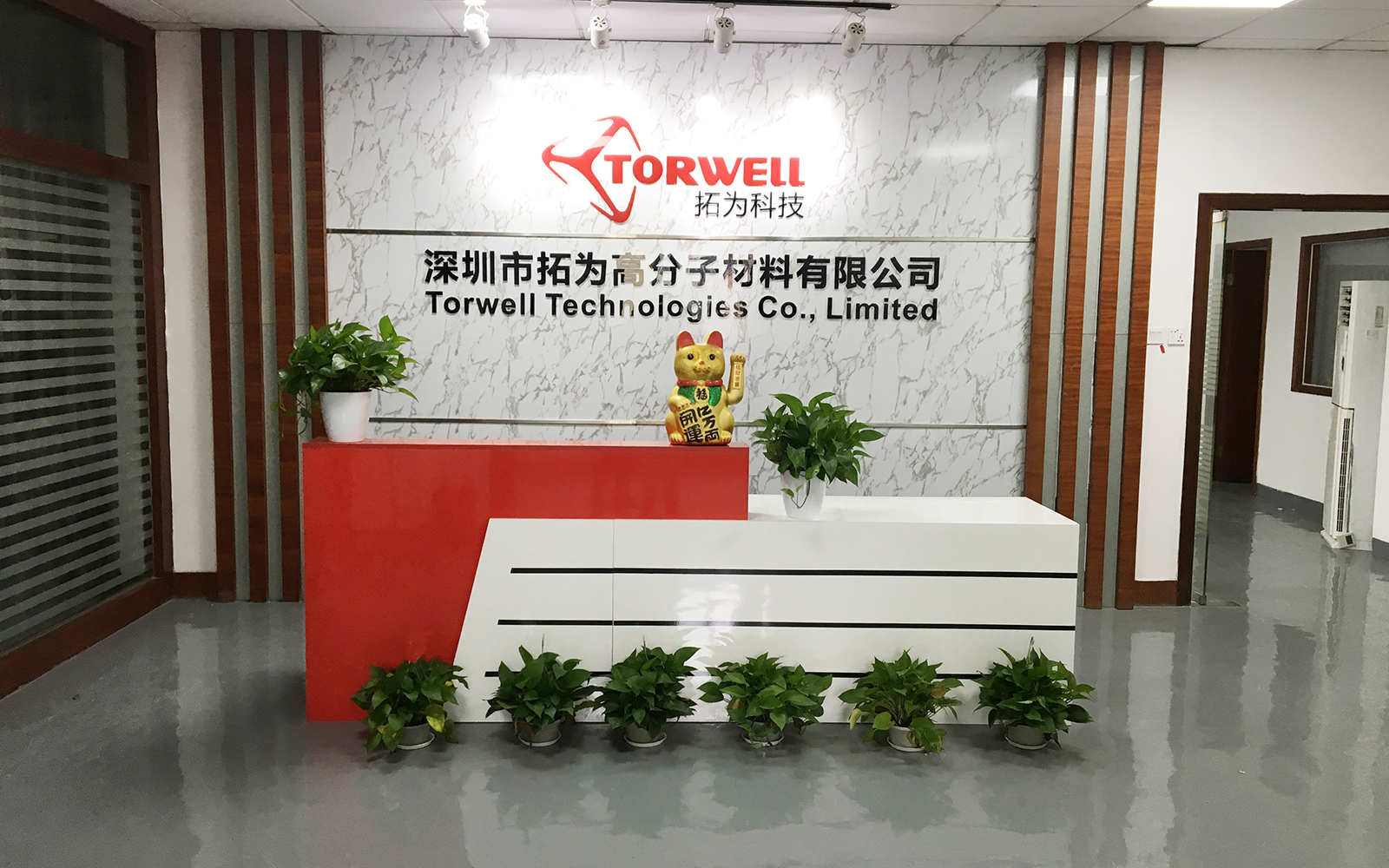
Company Profile: Torwell Technologies Co., Ltd.
Founded in 2011, Torwell Technologies Co., Ltd. is one of the earliest high-tech enterprises specializing in high-tech 3D printer filaments research, manufacture and sales. Occupying 2,500 square meters of modern factory space with a production capacity of 50,000 kg per month, Torwell stands at the forefront of advanced filament manufacturing.
With more than 10 years of experience in 3D printing market exploration, cooperated with Institutes for High Technology and New Materials in domestic famous universities, and engaging Polymer materials experts as technical advisers, Torwell has become one of the members of the Chinese Rapid Prototyping Association and a leader enterprise with the most innovative products in the 3D printing industry. Torwell owns independent intellectual property rights, patents and trademarks (Torwell US, Torwell EU, NovaMaker US, NovaMaker EU).
Torwell passed international quality management system ISO9001, international environment system ISO14001. Advanced manufacturing equipment, test devices and virgin raw materials are introduced to produce and distribute 3D printer filament of unparalleled quality, ensuring all products are compliant with RoHS standard, MSDS, Reach, TUV and SGS test certifications.
As a reliable and professional 3D printing partner, Torwell has committed to expanding its products to America, Canada, UK, Germany, Netherlands, France, Spain, Sweden, Italy, Russia, Mexico, Australia, New Zealand, Brazil, Argentina, Japan, South Korea, Vietnam, Thailand, Malaysia, India, and more than 80 countries and regions worldwide.
Complete 3D Printing Filament Range for Surveillance & Security Housing Applications
From flexible gaskets to rigid structural shells, Torwell's full filament portfolio covers every component of your exterior surveillance housing system.
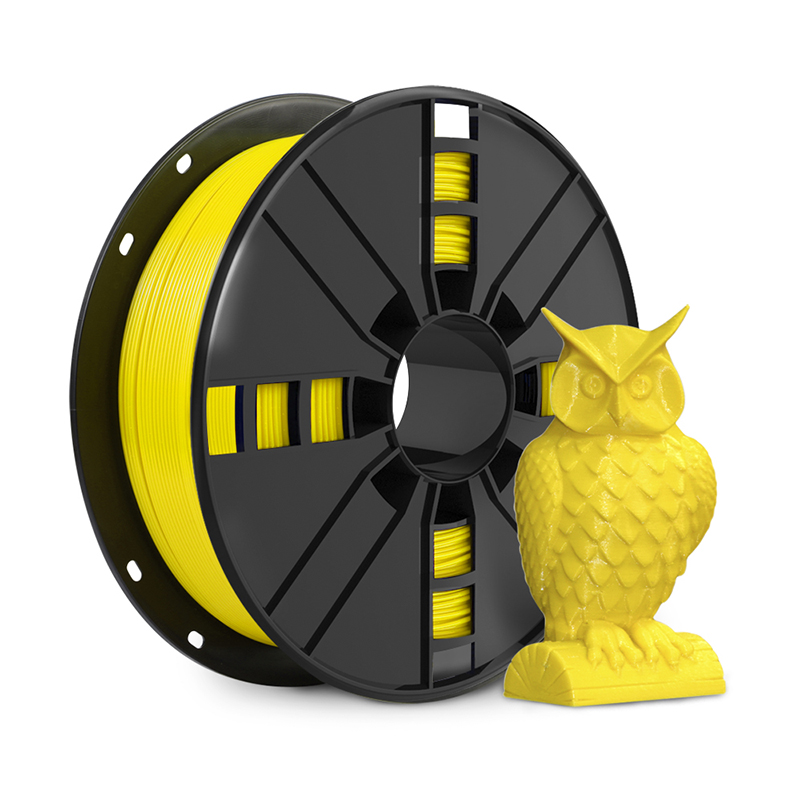 PLA 3D Printing Filament for Surveillance Housing Prototyping — Yellow
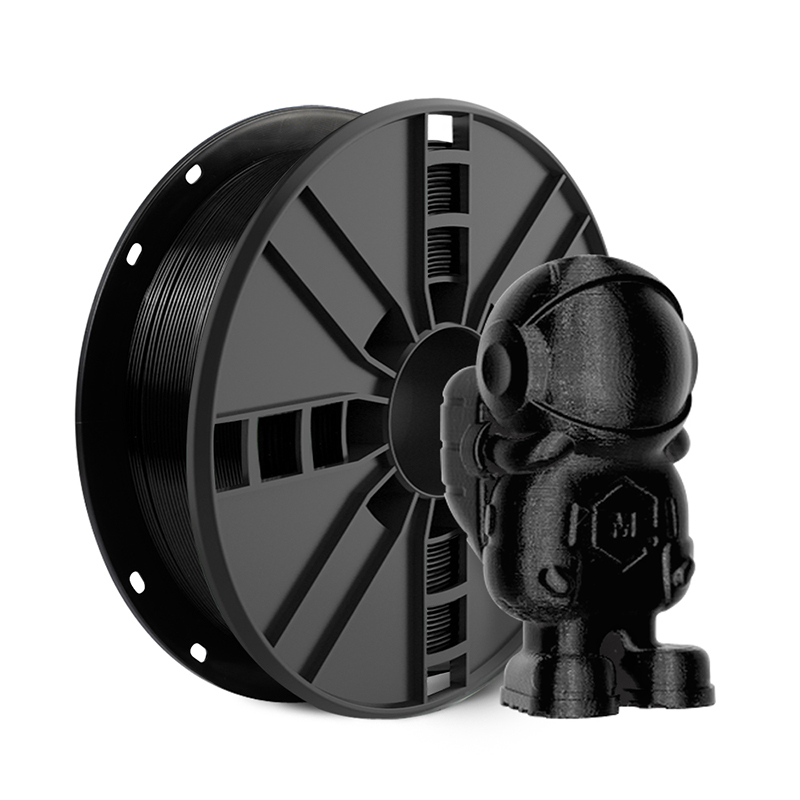 ABS Filament for Exterior Surveillance Housing Components — Black 1.75mm
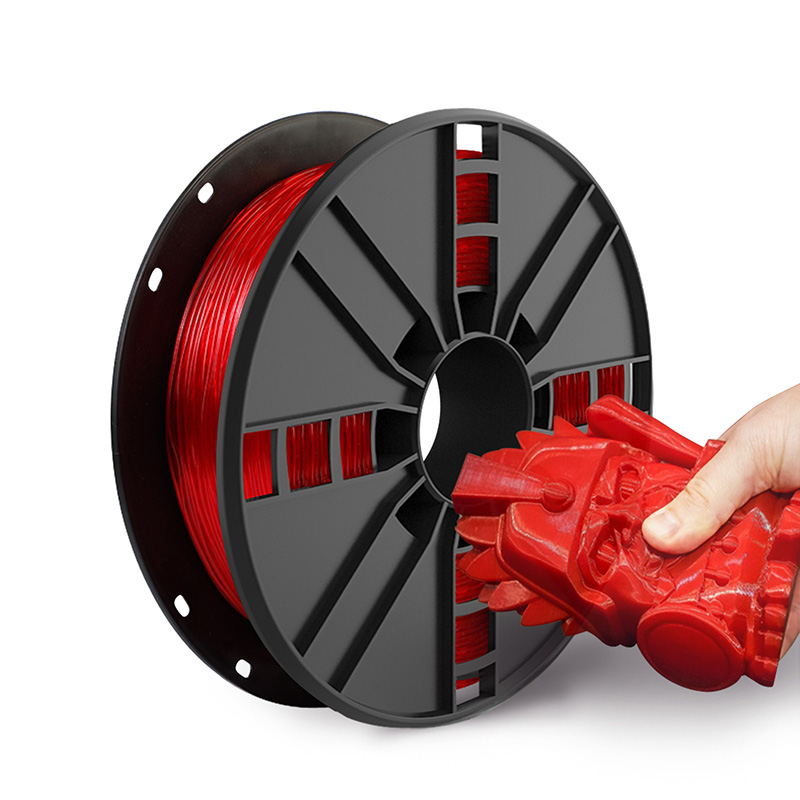 TPU Flexible Filament for Surveillance Housing Seals & Gaskets — 1.75mm
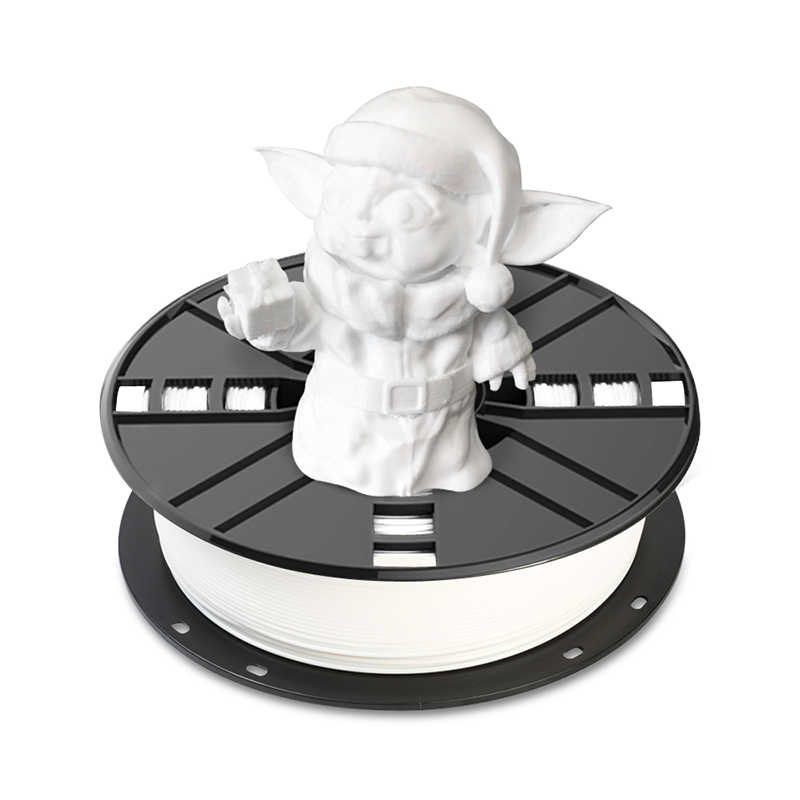 PLA Plus Filament for Rapid Surveillance Housing Prototyping — 1.75mm Pro
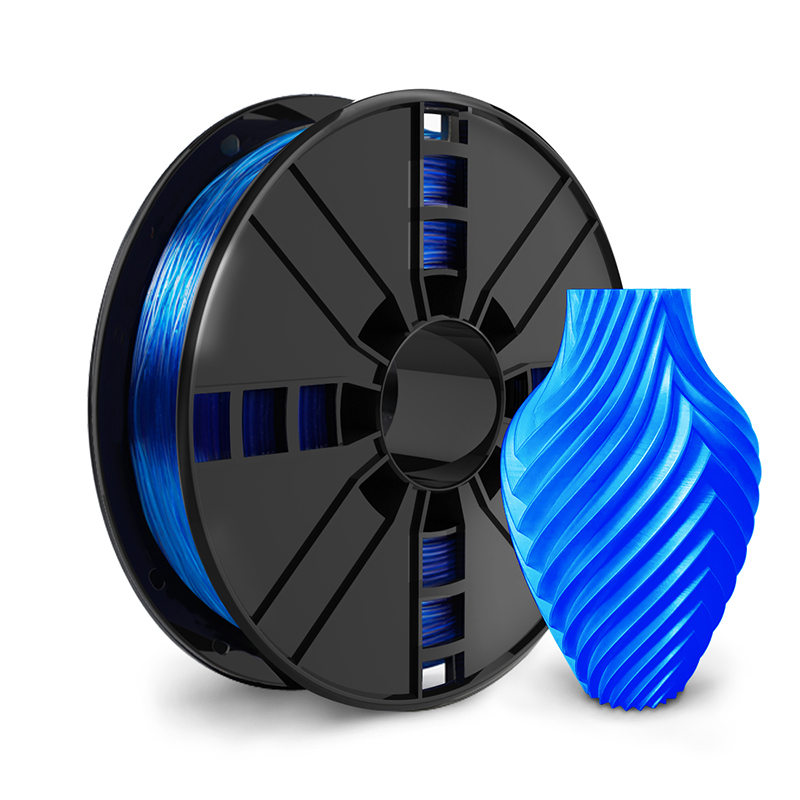 TPU Flexible Filament for Camera Housing Dampening Mounts — Blue Shore A95
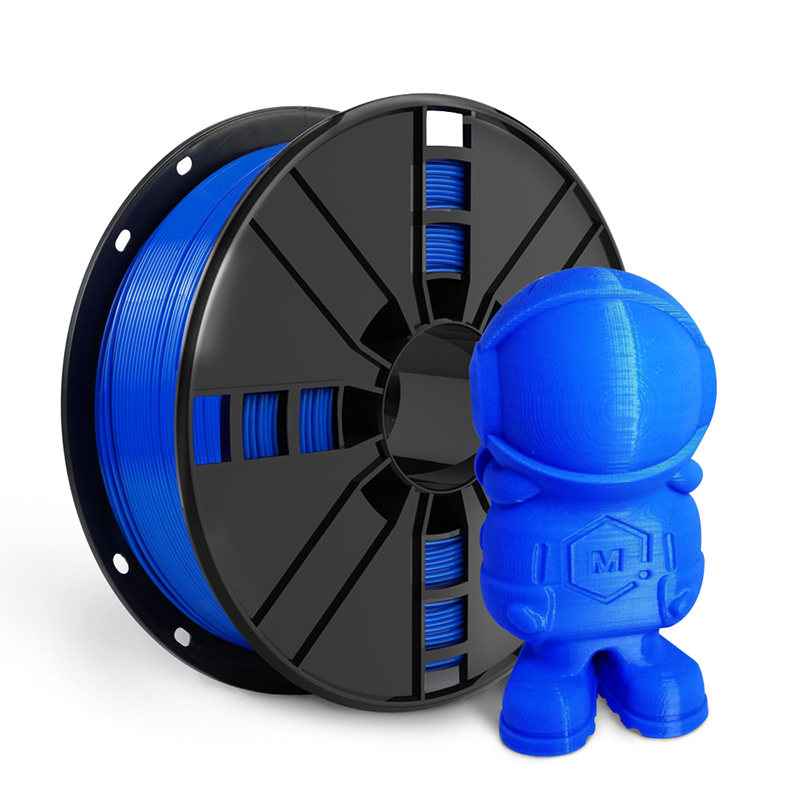 ABS Filament for Color-Coded Surveillance Housing Identification — Blue 1.75mm
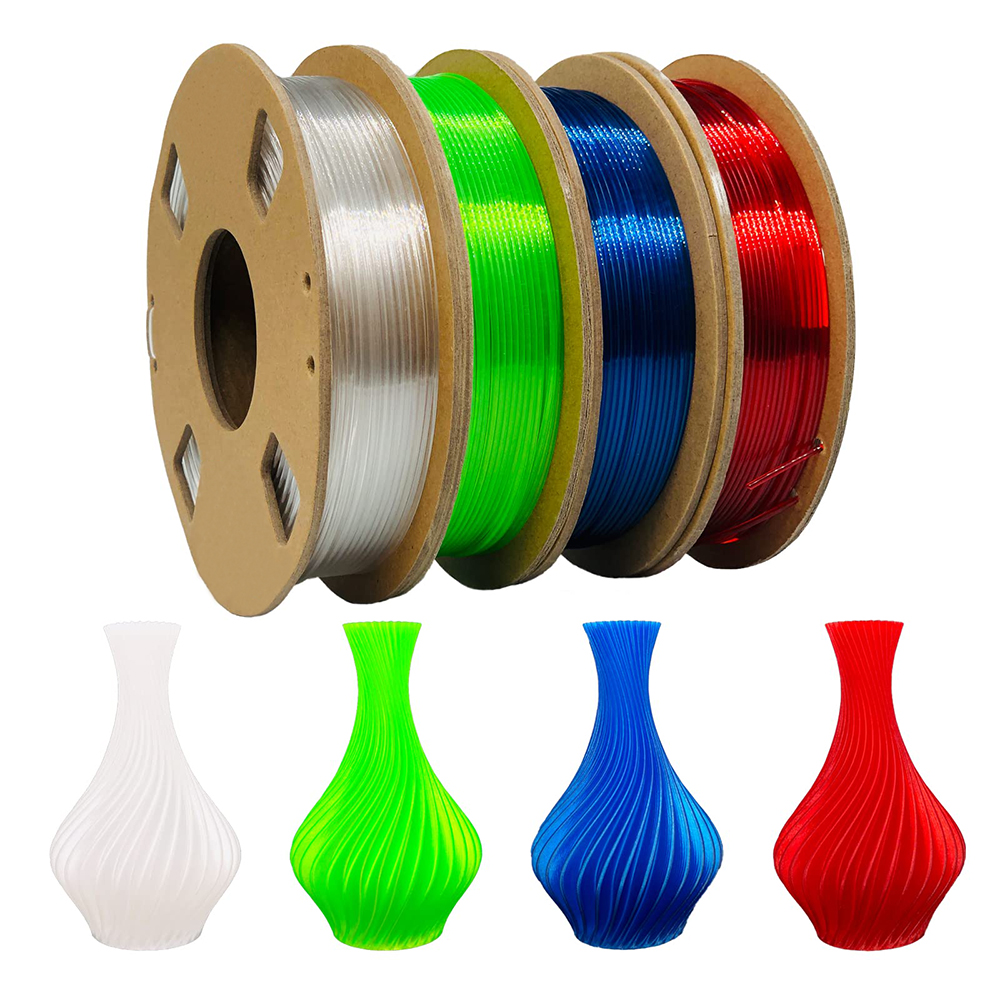 PETG Filament for Weather-Resistant Surveillance Housing Covers — Multi-Color 1kg
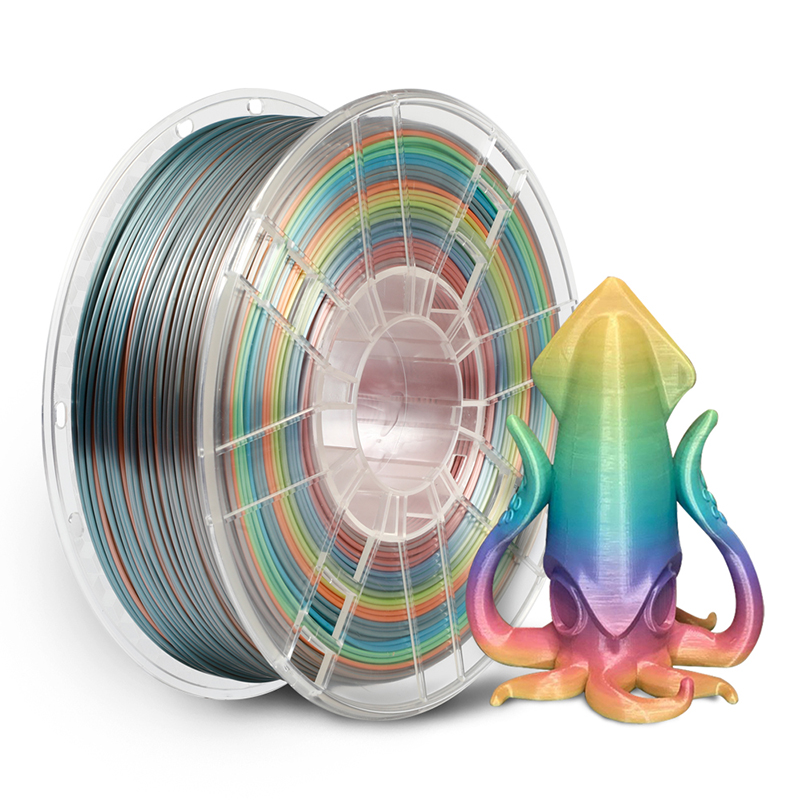 PLA Silky Rainbow Filament for Decorative Surveillance Housing Accents